Hong Kong Taxi and Light Bus Drivers Urge Extension of LPG Subsidy Amid Middle East Tensions and Potential 33% Operating Cost Surge
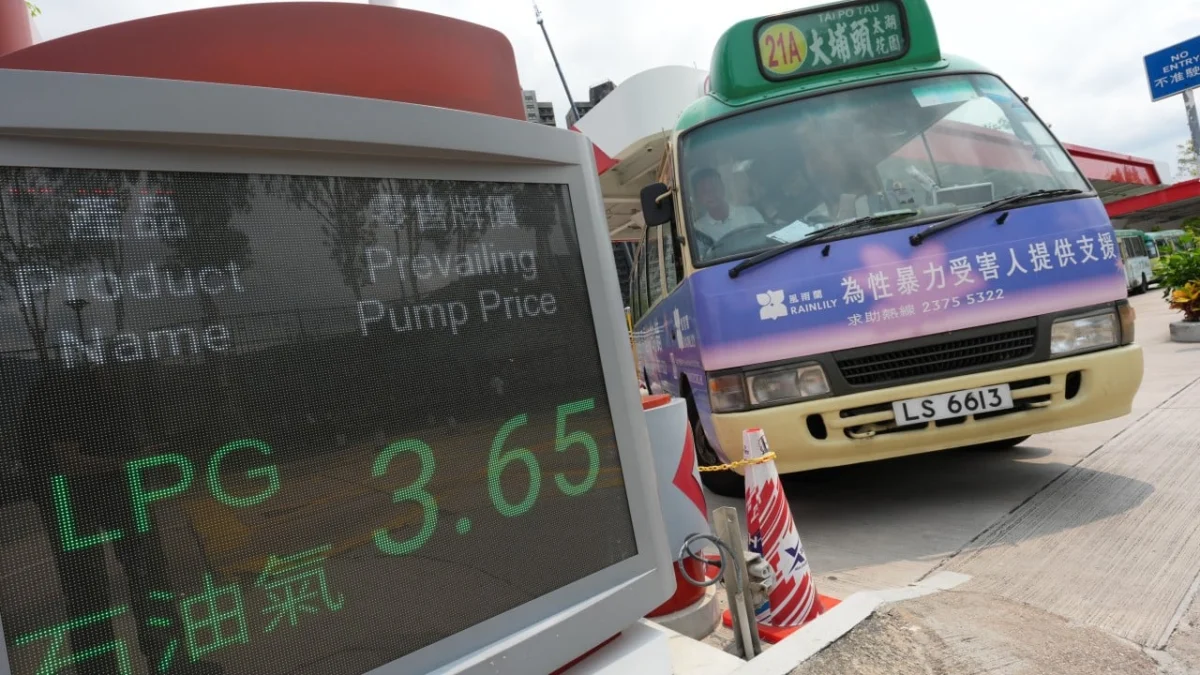
Hong Kong’s vital taxi and light bus sectors are facing significant financial pressure as a government-backed liquefied petroleum gas (LPG) subsidy scheme is set to expire, with drivers and industry representatives calling for an immediate extension. The plea comes amid persistent global oil price volatility, directly linked to ongoing conflicts in the Middle East, which drivers warn could lead to a substantial increase in monthly operating costs, potentially soaring by up to 33 percent once the support is withdrawn. The current subsidy, a crucial lifeline for thousands of drivers, is due to end on Friday, leaving the industry in a state of considerable uncertainty about its immediate financial future.
Background and Genesis of the Subsidy
The government’s initiative, rolled out on May 31, was a direct response to the escalating economic uncertainties stemming from the protracted conflict involving the United States and Iran, which intensified in late February. This geopolitical instability has had a ripple effect across global energy markets, contributing to fluctuating and often elevated prices for fossil fuels, including LPG, a primary fuel source for a large segment of Hong Kong’s public transport fleet.
The subsidy offers a rebate of 50 Hong Kong cents per litre of LPG at the pump. This seemingly modest amount translates into a significant saving for operators who rely on substantial volumes of fuel for their daily operations. The scheme was designed to alleviate the immediate financial burden on transport firms and individual drivers, thereby aiming to maintain the affordability and accessibility of public transportation for the city’s residents.
Scope and Beneficiaries of the Subsidy
The policy, scheduled to conclude its two-month run, was anticipated to benefit a considerable portion of Hong Kong’s public transport ecosystem. The figures highlight the scheme’s broad reach:
- Taxis: Approximately 16,900 taxis, a ubiquitous sight on Hong Kong’s streets, were eligible for the rebate. These vehicles form a cornerstone of personal urban mobility, catering to a wide demographic of passengers.
- Public Light Buses: Around 3,440 public light buses, encompassing both the distinctive green-topped minibuses and the red-topped variants, also qualified for the subsidy. These minibuses serve as crucial feeders to mass transit systems and provide essential last-mile connectivity, particularly in less densely populated areas.
- School Light Buses: A smaller but equally important group, approximately 170 privately operated school light buses, were included. These vehicles play a critical role in ensuring the safe and reliable transportation of students to and from educational institutions.
The collective number of vehicles benefiting from the subsidy underscores its importance in stabilizing the operating costs for a significant segment of Hong Kong’s transport industry.
Drivers’ Concerns and Projected Cost Increases
The impending expiration of the subsidy has ignited deep-seated concerns among drivers and their representative bodies. Wong Po-keung, chairman of the Hong Kong Taxi Owners’ Association, articulated the gravity of the situation, projecting a substantial financial impact once the support is withdrawn.
"The conflicts are still going on in the Middle East, and no one knows when oil prices will come down," Wong stated, underscoring the persistent nature of the economic threat. He elaborated on the direct consequences for drivers, estimating that operating costs for taxi drivers would escalate by a significant 10 percent immediately following the subsidy’s end. Concurrently, he warned of a potential 15 percent decrease in their net income, a dual blow that could severely strain household finances.
Wong’s assessment highlights a critical imbalance: rising operational expenses coupled with a projected reduction in earnings, creating a challenging economic environment for drivers. He emphasized that the absence of government support would place an "unbearable" burden on drivers, many of whom operate on tight margins. The term "very serious" used by Wong reflects the potential for widespread financial hardship, impacting livelihoods and potentially leading to reduced service availability if drivers find it unsustainable to continue their operations.
The projection of a 33 percent rise in monthly operating costs, as stated by the drivers, likely encompasses a broader range of expenses beyond just fuel. While the direct impact of LPG price increases would be substantial, it could also trigger a cascade effect on other related costs, such as vehicle maintenance, insurance, and potentially even the cost of vehicle leasing for some owner-operators. This broader economic pressure amplifies the urgency of the drivers’ appeal for continued government assistance.
Timeline of Events and Precedent
The current subsidy scheme, though short-lived at two months, represents a government intervention to address a specific economic challenge. Its genesis can be traced back to the global repercussions of the heightened tensions in the Middle East, which began to significantly impact energy markets around February.
- Late February 2024: Intensification of conflicts in the Middle East leads to increased volatility in global oil prices.
- Early May 2024: Hong Kong government announces a two-month LPG subsidy scheme in response to the economic pressures on the transport sector.
- May 31, 2024: The LPG subsidy scheme officially commences, offering a 50 HK cents per litre rebate.
- Late July 2024 (Approaching): The subsidy scheme is scheduled to expire, prompting urgent calls for its extension from transport industry stakeholders.
This timeline illustrates a reactive approach by the government, designed to provide immediate relief. However, the ongoing nature of the geopolitical instability suggests that the underlying economic pressures may persist, raising questions about the long-term sustainability of such short-term interventions. The drivers’ call for an extension suggests they believe the underlying causes of the price volatility have not abated, and therefore, the need for support remains.
Industry Reactions and Calls for Action
Wong Po-keung’s proactive engagement with the government, having formally requested an extension of the subsidy earlier in July, highlights the industry’s organized efforts to secure continued support. The fact that he has yet to receive a definitive reply underscores the current uncertainty surrounding the government’s decision-making process. This silence from official channels likely contributes to the anxiety felt by drivers and operators, who are left to plan their finances without clear guidance.
Beyond the taxi sector, representatives from the light bus associations are also understood to be in communication with government officials. While specific statements may not have been widely publicized, the shared reliance on LPG and the common threat of increased operating costs would logically lead to a unified stance among these groups. The economic impact of fuel price hikes is a cross-sectoral concern, affecting the viability of businesses and the income of thousands of individuals.
The government’s decision on whether to extend the subsidy will likely hinge on a careful assessment of several factors:
- Sustained Oil Price Volatility: Evidence of continued high or unpredictable LPG prices in the international market.
- Economic Impact on Drivers: Data on the actual financial strain experienced by taxi and light bus operators.
- Fiscal Considerations: The cost of extending the subsidy and its impact on government budgets.
- Public Interest: The potential consequences of drivers reducing services or increasing fares if operating costs become prohibitive.
Broader Implications and Economic Analysis
The situation in Hong Kong’s transport sector is a microcosm of the broader global economic challenges posed by energy market instability. The reliance on imported fuels makes Hong Kong particularly susceptible to international price fluctuations.
Economic Analysis of Operating Costs:
The projected 33 percent increase in monthly operating costs is a stark figure that warrants closer examination. Let’s consider a hypothetical taxi operating 12 hours a day, six days a week, consuming an average of 15 litres of LPG per day.
- Monthly Fuel Consumption: Approximately 15 litres/day * 26 days/month = 390 litres.
- Current Subsidy Impact: At 50 HK cents per litre, the subsidy saves 390 litres * 0.50 HKD/litre = 195 HKD per month. This is a direct saving.
- Projected Increase: If the current price of LPG without subsidy is, for example, 10 HKD per litre, the total fuel cost would be 390 litres * 10 HKD/litre = 3,900 HKD. A 10 percent increase in operating costs, as suggested by Wong, could mean an additional 390 HKD in fuel expenses alone, not to mention potential increases in other costs.
The 33 percent figure likely represents a cumulative increase across all operational expenses. If a driver’s current total monthly operating costs (including fuel, insurance, maintenance, licensing, etc.) are, say, 10,000 HKD, a 33 percent increase would push this to 13,300 HKD, a substantial burden. This highlights the critical need for the subsidy to be maintained or for alternative support mechanisms to be considered.
Impact on Public Transport Affordability:
A significant increase in operating costs for taxis and light buses could lead to pressure for fare hikes. While drivers might argue this is necessary to maintain their livelihoods, it could impact the affordability of public transport for the general public, particularly for lower-income households. This could, in turn, affect consumer spending and overall economic activity.
Government’s Role and Policy Considerations:
The government faces a delicate balancing act. On one hand, there is a clear need to support essential service providers and prevent undue hardship for drivers. On the other hand, fiscal responsibility and the long-term sustainability of transport policies must be considered.
Possible policy responses could include:
- Direct Extension of the LPG Subsidy: The most straightforward solution, providing continued relief.
- Phased Withdrawal of the Subsidy: Gradually reducing the rebate amount over a longer period to allow drivers to adjust.
- Targeted Financial Assistance: Exploring alternative forms of support, such as low-interest loans for fleet upgrades or fuel efficiency improvements.
- Diversification of Fuel Sources: While a long-term strategy, encouraging a transition to more stable and potentially greener fuel alternatives could mitigate future price shocks.
The current geopolitical climate in the Middle East remains a significant variable, making any long-term price predictions for oil and LPG highly speculative. This inherent uncertainty underscores the importance of proactive policy responses that can adapt to evolving global conditions. The urgency of the drivers’ plea for an extension of the LPG subsidy serves as a critical signal to the Hong Kong government that immediate action is required to prevent significant disruption to the city’s essential transport network and the livelihoods of its dedicated drivers. The coming days will be crucial in determining the financial outlook for thousands of individuals and the continued affordability of public transport for the residents of Hong Kong.