Hong Kong Poised to Become Asia’s Legal Capital with New International Mediation Body
Hong Kong’s ambition to solidify its position as a premier international legal hub in Asia has taken a significant step forward with the establishment and operationalization of the International Organisation for Mediation (IOMed). The organization, spearheaded by former Hong Kong Secretary for Justice Teresa Cheng Yeuk-wah, has announced its readiness to mediate state-to-state disputes, a crucial service that could significantly bolster the city’s credentials in international dispute resolution. IOMed has already seen six countries nominate a substantial pool of 26 qualified mediators, signaling early international confidence in the initiative.
A Strategic Move for Hong Kong’s Legal Landscape
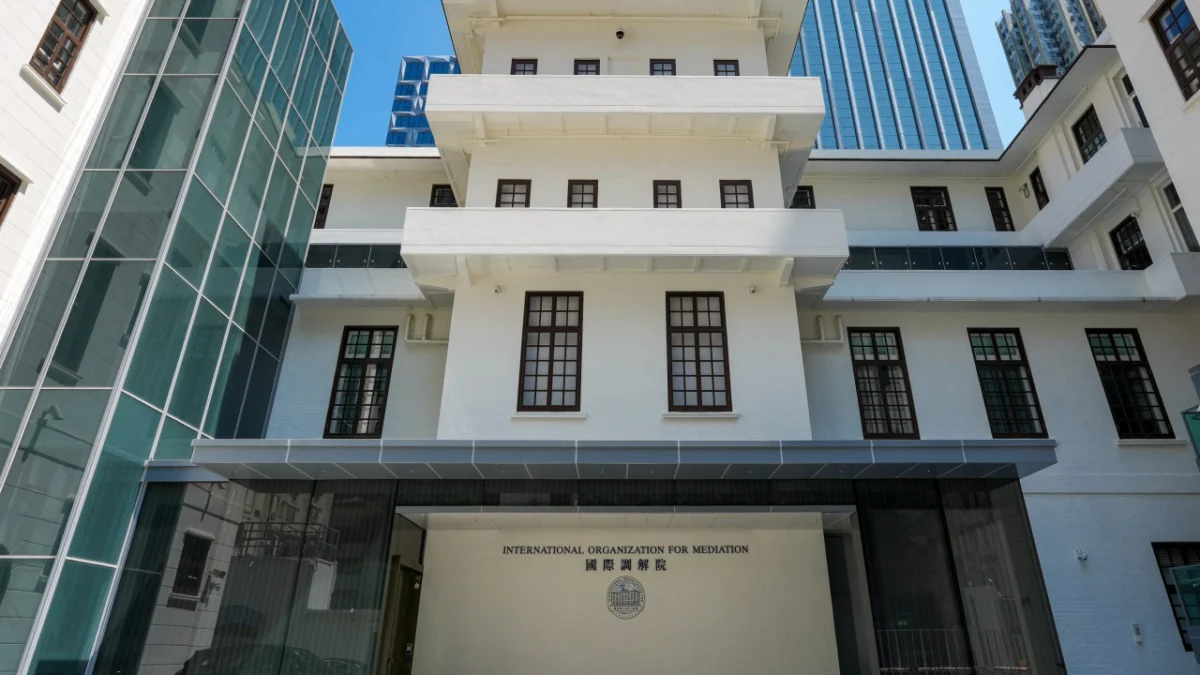
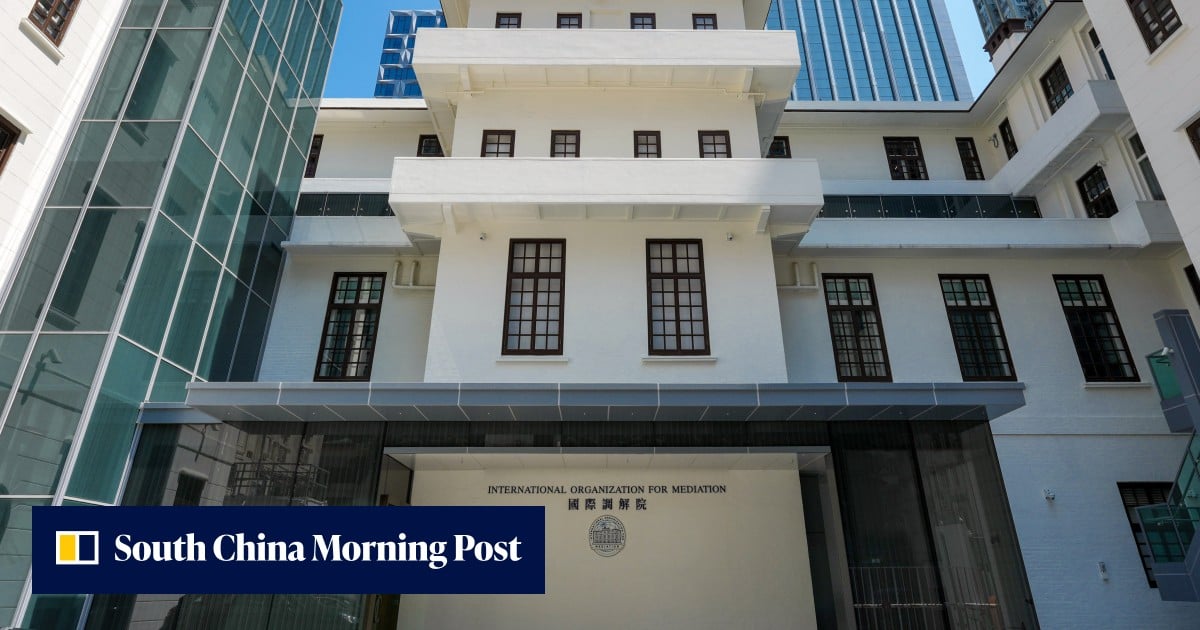
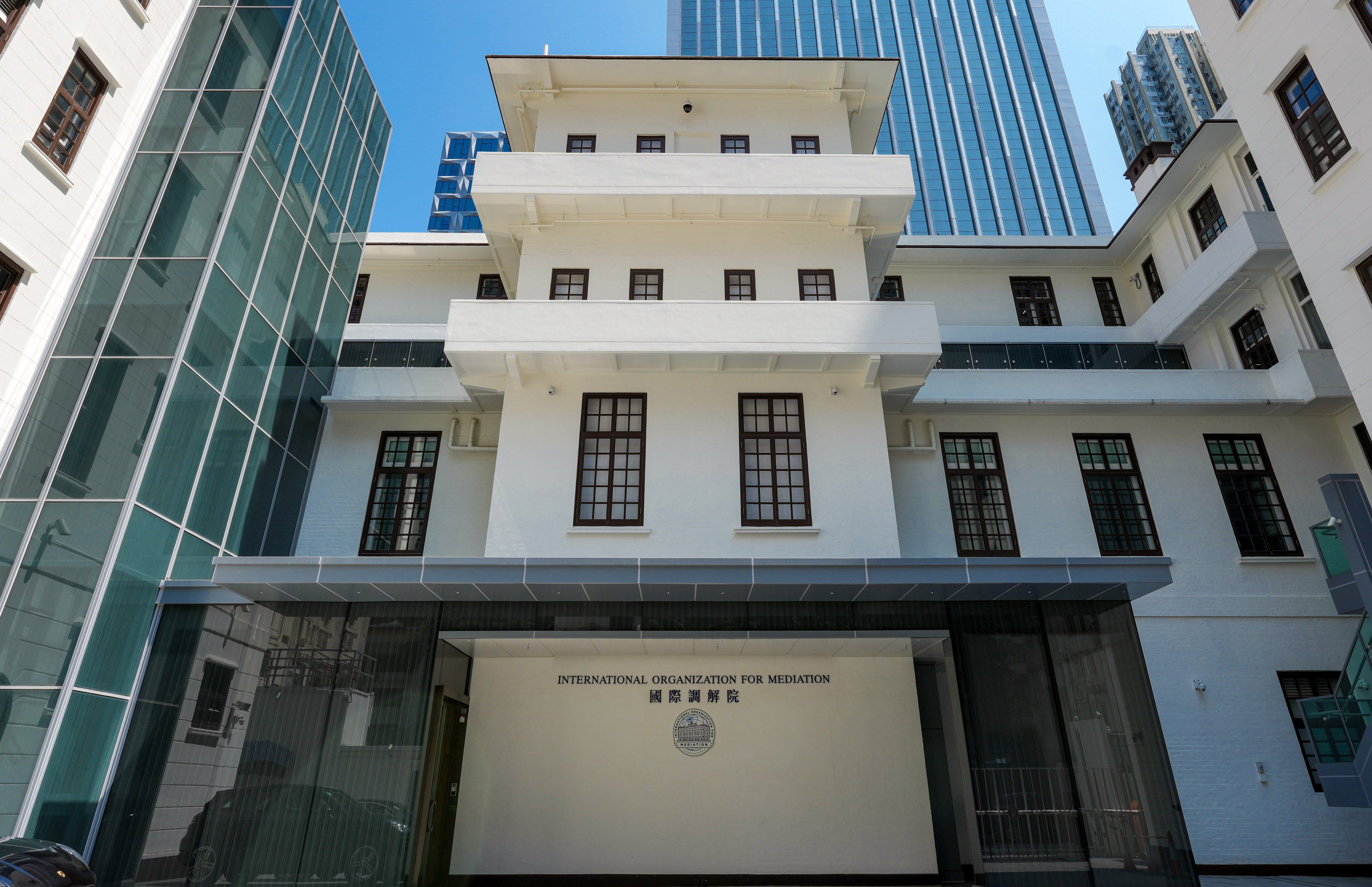
The development marks a strategic effort by Hong Kong to leverage its existing strengths in the legal and financial sectors and carve out a more dominant niche in international arbitration and mediation. While Western cities like London, New York, and Geneva have long been established centers for such services, the growing economic ties and increasing complexity of cross-border disputes in Asia necessitate a dedicated, proximate solution. IOMed’s presence, housed within the former Old Wan Chai Police Station, a landmark building underscoring Hong Kong’s heritage and commitment, aims to fill this void.
Teresa Cheng, in her capacity as Secretary General of IOMed, expressed optimism about the organization’s trajectory. "We are definitely ready," Cheng stated, emphasizing that the foundational elements are in place. "The rules are there. The infrastructure support from the institution is here, and so what we are hoping and making sure that we can secure is the consent [from the two parties of a mediation]." This readiness underscores a proactive approach to attracting and facilitating international mediation cases.
Building a Global Panel of Mediators
The cornerstone of IOMed’s capability lies in its carefully curated panel of mediators. The initial nominations come from six countries: China, Nicaragua, Kenya, Myanmar, Pakistan, and Kiribati. This diverse geographical representation suggests an effort to foster inclusivity and draw upon a wide spectrum of cultural and legal perspectives. The 26 nominated individuals bring a wealth of experience from diplomatic, legal, and academic arenas, equipping IOMed with a robust and versatile resource for resolving complex inter-state conflicts.
Among the notable nominees are Masood Khalid and Naghmana Alamgir Hashmi, both former Ambassadors of Pakistan to China. Their deep understanding of Sino-Pakistan relations and extensive diplomatic experience are invaluable assets. Additionally, Thida Oo, the Attorney General of the Union of Myanmar, and Joyce Aluoch, a former judge of the International Criminal Court from Kenya, bring specialized expertise in international law and judicial processes. The inclusion of such high-caliber professionals signals IOMed’s commitment to maintaining the highest standards of mediation services.
The Growing Demand for Mediation Services
Cheng highlighted that IOMed has already experienced a "not insignificant" volume of inquiries and expressions of interest. This suggests a palpable demand for specialized mediation services, particularly for state-to-state disputes, which often require a nuanced approach that traditional diplomatic channels may not always provide effectively. The increasing interconnectedness of global economies, coupled with geopolitical complexities, frequently leads to disputes that benefit from impartial, third-party intervention.
Mediation, as a process, offers distinct advantages over litigation or arbitration. It is typically faster, less expensive, and allows parties to retain more control over the outcome, fostering ongoing relationships rather than adversarial conclusions. For sovereign nations, this can be particularly crucial in maintaining diplomatic ties and ensuring the stability of regional and international relations. IOMed’s focus on state-to-state mediation positions it to address these sensitive and high-stakes matters.
Hong Kong’s Strategic Advantage in Asia
Hong Kong’s bid to become an Asian legal capital is underpinned by several factors. Its common law system, inherited from British colonial rule, provides a familiar and trusted legal framework for international businesses. Furthermore, its status as a Special Administrative Region under the "one country, two systems" principle grants it a unique degree of autonomy, including an independent judiciary and a robust rule of law, which are critical for attracting international legal services.
The city’s strategic location, vibrant financial market, and well-developed infrastructure further enhance its appeal. By establishing IOMed, Hong Kong is not only expanding its legal service offerings but also creating a platform that can draw international attention and investment. The success of IOMed could catalyze further growth in related sectors, such as international arbitration, specialized legal services, and legal education.
A Timeline of Development and Future Outlook
The establishment of IOMed represents the culmination of several years of strategic planning and diplomatic engagement. While the exact timeline of its inception is not detailed in the initial report, the announcement of its operational readiness and the nomination of mediators signifies a transition from planning to active service.
The future outlook for IOMed is intrinsically linked to its ability to attract and successfully resolve state-to-state disputes. The organization’s success will be measured by the volume of cases it handles, the satisfaction of the parties involved, and its contribution to fostering peaceful resolutions. As more countries recognize the value of dedicated mediation bodies and the benefits of Hong Kong’s legal ecosystem, IOMed is poised to become a significant player in the international dispute resolution landscape.
Potential Implications for International Diplomacy
The establishment of IOMed and its readiness to mediate state-to-state disputes carries significant implications for international diplomacy and conflict resolution. By offering a structured, professional, and impartial forum, IOMed can:
- De-escalate Tensions: Provide a neutral ground for parties to engage in dialogue, potentially preventing minor disagreements from escalating into more serious conflicts.
- Promote Stability: Facilitate mutually agreeable solutions, contributing to regional and global stability.
- Enhance Legal Frameworks: Contribute to the development and refinement of international mediation practices and principles.
- Strengthen Hong Kong’s Role: Solidify Hong Kong’s reputation as a responsible and capable international actor, enhancing its soft power and economic influence.
The diverse backgrounds of the nominated mediators suggest an approach that values a holistic understanding of disputes, encompassing not just legal intricacies but also the political, economic, and cultural contexts that often underpin inter-state conflicts. This multi-faceted approach is critical for achieving sustainable and lasting resolutions.
The success of IOMed will ultimately depend on its ability to build trust and confidence among nations. The nominations from a range of countries, including those with varying geopolitical alignments, suggest a promising start. As IOMed continues to develop its services and attract more international engagement, Hong Kong is well-positioned to emerge as a pivotal center for peace-building and dispute resolution in the Asian century. The organization’s proactive stance and the caliber of its appointed mediators signal a clear intent to make a substantial impact on the global stage.