What comes next for Hong Kong as a global financial hub?
Hong Kong needs more yuan products, commodity trading infrastructure and fintech innovation, market participants say.
Published: 8:30am, 13 Aug 2026
Updated: 8:33am, 13 Aug 2026
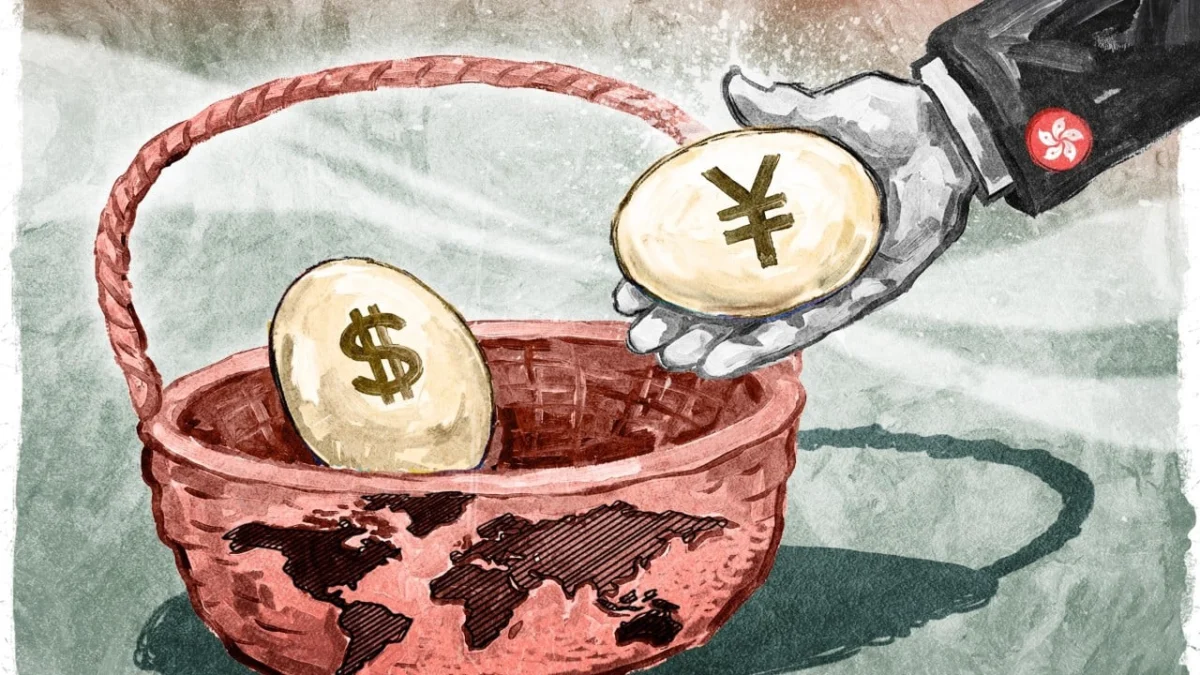
The future trajectory of Hong Kong as a preeminent global financial centre hinges on a strategic expansion of its renminbi (yuan) product offerings, the development of robust commodity trading infrastructure, and a concerted push for fintech innovation, according to a consensus among market participants and policy experts. This imperative comes as the city navigates its first five-year blueprint, a document designed to align its economic strategies with national development objectives, with a particular emphasis on strengthening its role in the internationalisation of the yuan.
The recent launch of the first offshore Chinese government yuan-denominated bond futures contract on August 3rd, accompanied by a suite of related cross-border policies, marked a significant milestone. This event, officiated by high-ranking officials and securities regulators from both Hong Kong and mainland China, was heralded as a critical upgrade to the city’s standing as the principal offshore yuan trade-settlement market. This development is intrinsically linked to the broader ambition of Beijing to promote the global use of its currency and solidify Hong Kong’s position as a crucial gateway for international capital into the mainland.
This strategic initiative is unfolding as Hong Kong’s Chief Executive, John Lee Ka-chiu, prepares to unveil the city’s inaugural five-year plan. This plan is anticipated to articulate a vision for the reimagining of Hong Kong’s economy, finance, and trade sectors, with the explicit aim of enhancing its international financial centre status. Analysts suggest that achieving this ambitious goal will necessitate a more proactive and diversified approach beyond current offerings.
The Yuan’s Ascendancy: A Strategic Imperative
The August 3rd launch of the yuan bond futures contract is widely viewed as a pivotal moment, offering a much-needed impetus to Hong Kong’s mandate from Beijing. This mandate centres on facilitating the global integration of the yuan and reinforcing the city’s role as an international financial hub. Business leaders have expressed optimism that this development will serve to invigorate trading volumes and deepen the liquidity of yuan-denominated assets offshore.
The significance of this move can be understood within the context of China’s long-term strategy to internationalise the yuan. For years, Beijing has sought to elevate the yuan’s status as a global reserve currency, challenging the dominance of the US dollar. Hong Kong, with its established legal framework, sophisticated financial infrastructure, and deep pool of international talent, has been identified as the ideal platform to spearhead this effort. The introduction of yuan-denominated futures contracts represents a concrete step towards creating a more comprehensive and liquid offshore yuan market, thereby encouraging wider adoption and use of the currency in international trade and investment.
Expanding the Financial Toolkit: Beyond Yuan Products
While the expansion of yuan-denominated products is a cornerstone of Hong Kong’s evolving financial landscape, market participants and policy experts stress that it is not the sole determinant of its future success. To truly solidify its position as a leading international financial centre, Hong Kong must concurrently focus on several other critical areas.
Commodity Trading Infrastructure: The city has historically been a financial services powerhouse, but its commodity trading capabilities have lagged behind other global hubs. Developing a more sophisticated and comprehensive commodity trading infrastructure is seen as essential for attracting a wider array of financial activities. This includes enhancing trading platforms, improving regulatory frameworks for commodity derivatives, and fostering greater participation from both domestic and international commodity houses. The aim is to position Hong Kong as a vital nexus for both the financing and trading of commodities, particularly those critical to China’s industrial base and its global supply chains. By offering a more integrated financial ecosystem that encompasses both traditional financial instruments and commodity markets, Hong Kong can present a more compelling proposition to global investors and corporations.
Fintech Innovation: The rapid evolution of financial technology (fintech) presents both a challenge and an opportunity for Hong Kong. To remain competitive, the city must aggressively foster innovation in areas such as digital payments, blockchain technology, artificial intelligence in finance, and regulatory technology (RegTech). This requires not only encouraging the growth of fintech startups through supportive policies and funding but also ensuring that established financial institutions are equipped to adopt and integrate these new technologies. A robust fintech ecosystem can lead to greater operational efficiency, enhanced customer experiences, and the development of novel financial products and services, further differentiating Hong Kong in the global financial arena. Collaboration between traditional finance and fintech players, facilitated by a forward-thinking regulatory environment, will be key.
Diversified Talent Pool: The success of any financial centre is inextricably linked to the quality and diversity of its human capital. Hong Kong needs to cultivate and attract a wider range of specialised talent, not only in traditional finance but also in emerging fields such as data science, artificial intelligence, cybersecurity, and sustainable finance. This involves strengthening educational programmes, offering competitive incentives for skilled professionals, and creating an environment that is conducive to attracting and retaining global talent. A diverse talent pool brings varied perspectives, enhances innovation, and ensures that Hong Kong remains at the forefront of financial industry trends.
A Timeline of Strategic Development
The recent launch of the yuan bond futures is not an isolated event but rather a deliberate step within a broader, multi-year strategic framework.
- Early 2020s: Beijing articulates its commitment to yuan internationalisation and identifies Hong Kong as a key offshore hub. Initial steps involve expanding quotas for cross-border investment schemes and facilitating yuan trade settlement.
- Mid-2020s (leading up to August 2026): Increased focus on developing more sophisticated yuan-denominated financial products. Discussions and planning intensify for the introduction of futures contracts, options, and other derivatives. Regulatory bodies from both sides of the border engage in close coordination.
- August 3, 2026: The landmark launch of the offshore Chinese government yuan-denominated bond futures contract, alongside supporting cross-border policies. This event signifies a tangible advancement in making yuan-denominated assets more accessible and tradable internationally.
- 2026-2031 (The Five-Year Plan Horizon): The period covered by Hong Kong’s first five-year plan. This phase is expected to see a concerted effort to:
- Expand Yuan Product Suite: Introduce a wider array of yuan-denominated investment instruments, including equities, ETFs, and more complex derivatives.
- Enhance Commodity Trading: Implement policies and infrastructure upgrades to bolster Hong Kong’s position as a regional commodity trading centre. This may include streamlining listing requirements for commodity-related companies and developing specialised trading platforms.
- Accelerate Fintech Adoption: Provide further regulatory support and incentives for fintech innovation, potentially through sandbox initiatives and targeted funding programmes.
- Strengthen Connectivity: Deepen financial market connectivity with mainland China and other key international markets, leveraging existing and new mechanisms.
Supporting Data and Market Reactions
The growing significance of the yuan in international finance provides a backdrop to Hong Kong’s strategic ambitions. As of late 2025, the yuan’s share in global payments, as tracked by SWIFT, had steadily increased, reflecting a growing confidence in its use for cross-border transactions. While still trailing behind the US dollar and the Euro, its trajectory suggests a sustained effort by China to promote its global adoption.
The introduction of the yuan bond futures contract is expected to contribute to this trend by offering investors a hedging instrument and a means to gain exposure to the Chinese government bond market, which is one of the largest and most liquid fixed-income markets globally. The potential implications are far-reaching:
- Increased Trading Volumes: Analysts predict that the futures contract could significantly boost trading volumes in offshore yuan-denominated assets, thereby enhancing market liquidity.
- Enhanced Risk Management: The availability of futures will allow international investors to better manage their currency and interest rate risks associated with yuan-denominated investments.
- Attraction of Global Capital: By providing more sophisticated financial tools, Hong Kong aims to attract a broader base of global investors looking to participate in China’s growing economy.
Market participants have generally welcomed these developments. "The launch of yuan bond futures is a crucial step in deepening the offshore yuan market and reinforcing Hong Kong’s role as a global financial centre," stated a senior executive at a major international bank, speaking on condition of anonymity. "However, sustained growth will require continuous innovation and the development of a more comprehensive ecosystem for yuan-denominated assets."
Broader Implications for Regional and Global Finance
The success of Hong Kong’s strategy will have significant implications beyond its own borders. A more robust and internationalised yuan, facilitated by Hong Kong, could gradually shift the global financial landscape, potentially offering an alternative to the US dollar in certain transactions. This could lead to greater diversification of global reserves and a more multi-polar international financial system.
Furthermore, the development of Hong Kong’s commodity trading capabilities could position it as a more significant player in the global trade of essential resources, particularly as supply chains continue to evolve. This could offer greater price discovery and hedging opportunities for both producers and consumers.
The emphasis on fintech innovation aligns with a global trend towards digital transformation in finance. By fostering a leading fintech hub, Hong Kong can not only enhance its own financial services sector but also contribute to the development of more efficient and accessible financial systems worldwide.
However, challenges remain. Geopolitical tensions, evolving regulatory landscapes, and the inherent complexities of currency internationalisation necessitate a resilient and adaptable approach. Hong Kong’s ability to navigate these complexities, while consistently innovating and expanding its financial offerings, will ultimately determine its success in securing its future as a vibrant and indispensable global financial hub. The city’s unique position as a bridge between East and West, coupled with its commitment to international standards, provides a strong foundation, but sustained effort and strategic foresight will be paramount.