Israeli Drones Strike Southern Lebanese Town of Tyre Amidst Escalating Regional Conflict
Tyre, Southern Lebanon – July 30, 2026, 07:50 BST – Israeli drones carried out an attack on the Mashaa al-Mansouri area in the southern Lebanese city of Tyre, according to reports from Lebanese state media. The precise extent of casualties and material damage resulting from the assault has not yet been reported, plunging the coastal region into further uncertainty amidst a widening "War on Iran" that has gripped the Middle East. This incident marks another escalation in a conflict that has seen a dramatic increase in cross-border hostilities, with southern Lebanon frequently becoming a flashpoint.
The strike on Tyre occurred as regional tensions reached unprecedented levels, with the broader conflict, often referred to as the "War on Iran," manifesting in various theatres across the Middle East. While the immediate focus remains on the situation in Mashaa al-Mansouri, the context of this attack is inextricably linked to the larger geopolitical conflagration, which has drawn in multiple state and non-state actors. The conflict, which escalated significantly earlier this year, has transformed the regional security landscape, leading to widespread displacement, economic disruption, and a deepening humanitarian crisis.
Broader Conflict Context: The War on Iran
The "War on Iran" is the culmination of decades of simmering tensions, proxy conflicts, and a profound strategic rivalry between Israel and Iran. This rivalry, underpinned by ideological differences, competition for regional influence, and concerns over Iran’s nuclear program and ballistic missile capabilities, reached a critical breaking point in early 2026. Prior to this, a series of provocations, including alleged Israeli sabotage operations within Iran, Iranian support for regional militias, and repeated skirmishes in Syria and the Persian Gulf, had gradually eroded any semblance of stability.
The immediate trigger for the full-scale conflict is widely believed to have been a major incident in late March 2026. While details remain disputed, intelligence reports suggested that Iran had significantly advanced its uranium enrichment program to levels approaching weapons-grade purity, coupled with the deployment of advanced ballistic missiles to its regional allies. Israel, citing an existential threat, launched pre-emptive strikes against key Iranian nuclear and military facilities. This was met with a swift and unprecedented wave of Iranian retaliatory missile and drone attacks targeting Israeli strategic sites, igniting the full-blown war.
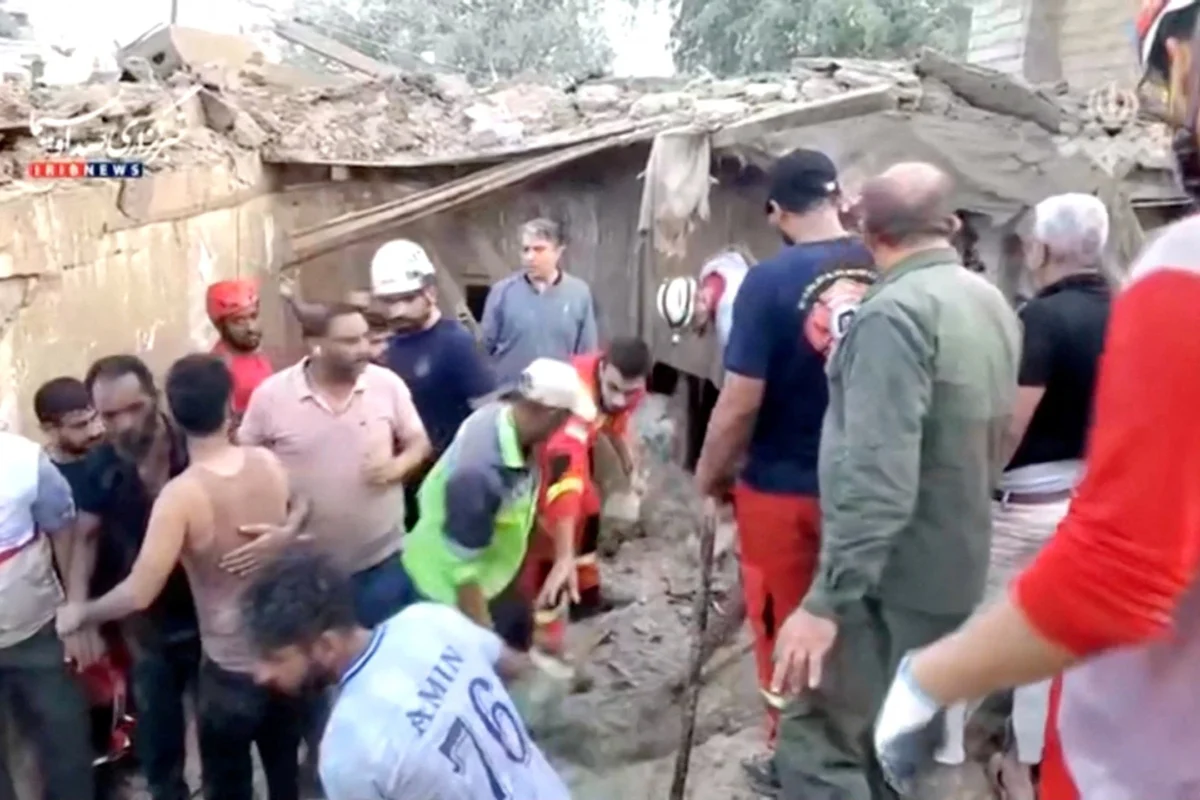
Since then, the conflict has expanded beyond direct Israel-Iran exchanges. Iranian-backed groups, including Hezbollah in Lebanon, Houthi rebels in Yemen, and various militias in Iraq and Syria, have activated secondary fronts, launching rockets, drones, and conducting cross-border raids against Israeli and allied interests. The image accompanying the initial report, depicting rescuers clearing rubble in Qeshm, Iran, after a strike on July 30, 2026, underscores the direct and devastating nature of the attacks on Iranian soil, highlighting the breadth of military operations involved in this unprecedented conflict.
Historical Precedents and Escalation in Southern Lebanon
Southern Lebanon has historically been a volatile region, marked by conflicts between Israel and various Palestinian factions, and more recently, Hezbollah. The area’s strategic importance stems from its shared border with Israel and its role as a key operational zone for Hezbollah, which maintains a significant military presence there. The 2006 Lebanon War, which lasted 34 days, serves as a stark reminder of the destructive potential of conflict in this region, resulting in extensive damage to Lebanese infrastructure and significant casualties on both sides.
In the lead-up to the current "War on Iran," cross-border incidents between Israel and Hezbollah had become increasingly frequent. These often involved exchanges of fire, surveillance drone incursions, and targeted strikes against suspected military assets. However, the initiation of the broader conflict has dramatically intensified these engagements. Hezbollah, a powerful political and military force in Lebanon, has openly declared its solidarity with Iran and its commitment to resisting Israeli aggression, transforming southern Lebanon into an active front line. This has included launching sophisticated rockets and drones towards northern Israel, prompting severe Israeli retaliatory strikes.
The choice of Mashaa al-Mansouri in Tyre as a target highlights the strategic considerations of the Israeli military. Tyre, a major coastal city in southern Lebanon, is not only a significant population center but also believed to contain infrastructure used by Hezbollah. Targeting such areas is typically intended to degrade the group’s operational capabilities, disrupt logistics, and exert pressure on the Lebanese government to curb Hezbollah’s activities. However, such strikes also carry the inherent risk of civilian casualties and further regional destabilization.
Strategic Significance of Tyre and Mashaa al-Mansouri
Tyre, a UNESCO World Heritage site known for its ancient ruins, is one of Lebanon’s largest cities in the south. Its strategic location on the Mediterranean coast, relatively close to the Israeli border, makes it a critical point in any conflict involving southern Lebanon. Mashaa al-Mansouri, while a specific locality, falls within the broader urban and rural fabric of the Tyre district, a region known for its strong support for Hezbollah and its role as a logistical hub for the group’s operations.
Attacks in this area are designed to impact Hezbollah’s command and control infrastructure, weapons depots, and personnel movements. The use of drones, in particular, allows for precision strikes and real-time surveillance, minimizing risk to Israeli pilots while maximizing the potential for targeted damage. However, the proximity of such targets to civilian populations inevitably raises concerns about collateral damage and the safety of non-combatants. The Lebanese government has repeatedly called for an end to these violations of its sovereignty, emphasizing the severe humanitarian consequences for its already fragile state.

Reactions from Key Players
In the immediate aftermath of the strike, reactions from various parties were swift and predictable, reflecting the entrenched positions in the ongoing conflict.
- Lebanese Government: Officials in Beirut condemned the Israeli drone attack as a flagrant violation of Lebanese sovereignty and international law. A spokesperson for the Ministry of Foreign Affairs issued a statement calling for immediate international intervention to halt Israeli aggression and prevent further escalation. The government reiterated its commitment to protecting its citizens and territorial integrity, while also acknowledging the immense pressure placed upon the state by the ongoing regional conflict and Hezbollah’s involvement.
- Hezbollah: While no official statement from Hezbollah was immediately available regarding the specifics of the Mashaa al-Mansouri strike, the group’s media outlets were quick to report the incident, framing it as another act of Israeli aggression. Past pronouncements from Hezbollah leaders have consistently vowed strong retaliation for any attacks on Lebanese soil, particularly those targeting its members or infrastructure. Analysts anticipate a strong response, possibly involving further rocket or drone launches into northern Israel, maintaining the cycle of escalation.
- Israel Defense Forces (IDF): The IDF typically does not comment on specific alleged strikes in Lebanon unless they result in significant outcomes or are part of a broader, acknowledged operation. However, the standing policy articulated by Israeli defense officials is that Israel reserves the right to act against any threats emanating from Lebanese territory, particularly those linked to Iranian proxies. Any such operation would be framed as a defensive measure aimed at protecting Israeli citizens and dismantling terrorist infrastructure.
- Iran: Tehran has consistently condemned Israeli actions across the region, portraying them as part of a broader Zionist conspiracy against regional stability. While Iran often denies direct operational control over its proxies, it openly provides political and material support. Iranian state media is expected to decry the Tyre strike as further evidence of Israeli expansionism and brutality, reinforcing calls for regional resistance.
International Response and Calls for De-escalation
The international community has largely reacted with alarm to the escalating "War on Iran," with particular concern over the spillover effects into Lebanon. The United Nations Secretary-General issued a statement expressing grave concern over the drone strike in Tyre, urging all parties to exercise maximum restraint and adhere to international humanitarian law. The UN peacekeeping force in Lebanon (UNIFIL) has been placed on high alert, working to monitor the Blue Line and prevent further escalation, though their mandate and resources are increasingly strained by the intensity of the conflict.
Major global powers, including the United States and the European Union, have called for an immediate cessation of hostilities and a return to diplomatic efforts. However, their ability to mediate effectively is hampered by the deep-seated nature of the conflict and the unwillingness of key belligerents to compromise. Washington has reiterated its support for Israel’s right to self-defense while simultaneously urging de-escalation, a position that many in the Arab world view as contradictory. European nations have focused on humanitarian aid and safeguarding freedom of navigation in the region, recognizing the global economic implications of a protracted conflict in the Middle East.
Humanitarian Concerns
The humanitarian situation in southern Lebanon has deteriorated sharply since the onset of the "War on Iran." Frequent Israeli airstrikes and cross-border shelling have led to significant displacement, with thousands of families forced to flee their homes in border villages and towns like Tyre. Local infrastructure, including residential buildings, roads, and agricultural lands, has suffered extensive damage, further exacerbating the economic woes of a nation already grappling with a severe financial crisis.
Aid organizations are struggling to provide essential services, including shelter, food, and medical assistance, to the growing number of internally displaced persons. Access to affected areas is often challenging due to ongoing hostilities and security concerns. The lack of accurate casualty figures from the Mashaa al-Mansouri strike adds to the anxiety, as residents fear the true human cost of the escalating conflict. International humanitarian law mandates the protection of civilians and civilian infrastructure, yet the realities on the ground suggest these principles are frequently violated.
Economic and Geopolitical Fallout
The "War on Iran" and its extension into Lebanon have profound economic and geopolitical ramifications. Globally, oil prices have surged, creating inflationary pressures and threatening economic stability worldwide. Major shipping lanes through the Strait of Hormuz and the Suez Canal face increased risks, disrupting global supply chains and trade.
Regionally, the conflict threatens to unravel the delicate political fabric of Lebanon, a country already on the brink. The Lebanese government, struggling with a crippling economic crisis and political paralysis, finds itself caught between Israel and Hezbollah, with limited capacity to influence either. The destruction of infrastructure and the disruption of economic activity will only deepen the country’s woes, potentially leading to further social unrest and instability. The conflict also risks drawing in other regional actors, further destabilizing an already volatile Middle East. Syria, already ravaged by years of civil war, could see renewed fighting if various factions become more deeply involved.
The Path Forward: An Uncertain Future
As the "War on Iran" continues to rage, with incidents like the drone strike in Tyre serving as grim reminders of its destructive reach, the path forward remains fraught with uncertainty. Diplomatic efforts have so far failed to achieve a lasting ceasefire or a framework for de-escalation. The entrenched positions of the belligerents, coupled with the profound historical grievances and security concerns, make a swift resolution unlikely.
The immediate focus for the international community will be on humanitarian aid and preventing further regional contagion. For Lebanon, the challenge will be to navigate the conflict without succumbing to complete collapse, preserving its sovereignty and protecting its civilian population. The long-term implications of this "War on Iran" will undoubtedly reshape the Middle East for generations, altering alliances, redrawing geopolitical lines, and leaving a lasting legacy of human suffering and destruction. The strike on Tyre is not merely an isolated incident but a poignant symptom of a much larger, and increasingly dangerous, regional confrontation.

Related Posts
Over 150 Israeli Settlers Storm Al-Aqsa Compound and Perform Prayers, Violating Status Quo Under Police Protection.
UN Report Highlights Over 900 Obstacles Hampering West Bank Aid Amid Escalating Humanitarian Crisis