A Month After Devastating Earthquakes, Argentine Footballer Lucas Trejo Shares Profound Grief and Unwavering Faith in Venezuela
One month after a catastrophic double earthquake struck Venezuela, claiming over 5,000 lives and leaving a trail of widespread devastation, Argentine footballer Lucas Trejo has publicly shared his profound grief and enduring hope. The earthquakes, which ravaged multiple regions of the South American nation, plunged Trejo into an unimaginable personal tragedy when he lost his wife and two children. In a heartfelt message posted on social media, the 38-year-old athlete described the period following the disaster as "the worst moment" of his life, a sentiment echoed by countless others grappling with the immense loss and destruction.
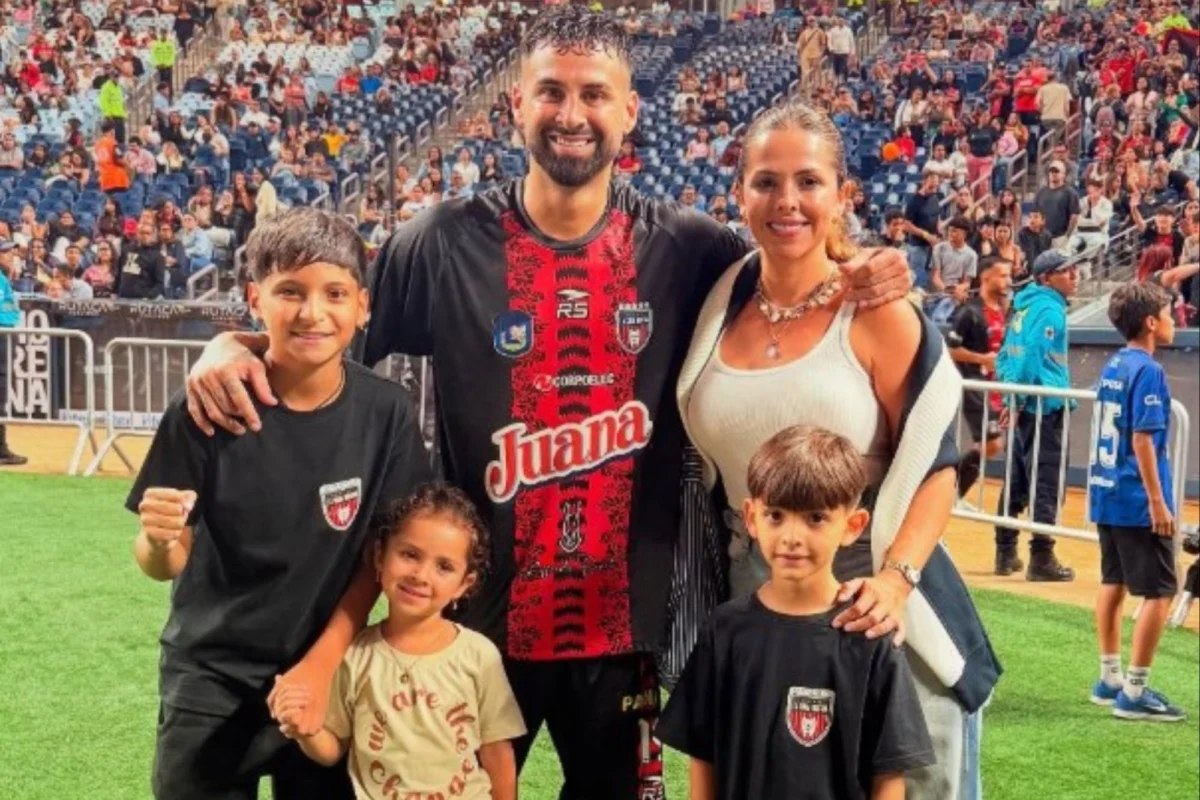
Trejo, who resides in Venezuela and plays for a local team, was in Caracas preparing for a match with his club at the time of the seismic events. This geographical separation from his family at the critical moment amplified his distress. His wife, Yanina, and their two children, Aaron and Ainhoa, were at their home in Playa Grande when the earth began to shake violently. The initial hours and days were consumed by a desperate search for any sign of life amidst the rubble of their collapsed building.
The Agonizing Search and the Grip of Faith
In his poignant social media post, Trejo recounted the harrowing experience of searching through the completely destroyed building where his family had been. "The only thing that terrified me was losing my family," he wrote, detailing the agonizing realization that his worst fears had been realized. He described the unbearable pain of knowing they were no longer alive while still sifting through the debris. "There was nothing more terrifying in my existence," he confessed, his words conveying the depth of his despair.
Despite the grim reality, Trejo articulated a powerful reliance on his faith to navigate the unimaginable. He explained that he continued the search "from faith," clinging to the belief that his family might still be alive or, at the very least, that their memory and legacy would endure. He shared an image from this period, showing him alongside rescue workers and loved ones who had traveled to support him during this incredibly difficult time.
"When the third day began, I decided to gather them [his support network] and pray for a miracle," Trejo revealed. "That’s how I choose to live, with faith, even in the worst circumstances." This profound expression of spirituality underscores the human capacity to find solace and strength in belief systems when faced with overwhelming adversity. His message also served as a testament to the power of community and the importance of human connection during times of crisis.
A Debt of Gratitude to Those Who Stood By Him
Trejo extended his heartfelt gratitude to everyone who provided support during the crucial initial 72 hours following the earthquake. He acknowledged the individuals who were present, stating, "Each one of you has a name, and I remember very well who they were. Without a doubt, God sent them to embrace and sustain me." He emphasized that without their unwavering presence, he would not have been able to bear such immense pain. "They never left me alone," he affirmed, expressing a deep sense of appreciation for their solidarity.
His message concluded with a powerful declaration about the enduring impact of his family’s lives. "As a family, we sowed ourselves in that land so that people would know of Christ, and today I can tell you: their lives will not be in vain," he stated. He pledged to continue the mission he began with his wife Yanina and children Aaron and Ainhoa, believing that God’s purpose for Venezuela would be fulfilled. This commitment suggests a broader philanthropic or spiritual endeavor that his family was involved in prior to the tragedy.
The Official Confirmation and the Timeline of Loss
The devastating confirmation of the loss of Yanina, Aaron, and Ainhoa came on June 29th, five days after the initial seismic activity. The news was first publicly announced by Edson Tortolero, a Venezuelan footballer who had actively participated in rescue efforts. Tortolero shared the somber update on his social media platforms, stating, "We inform all the people of Venezuela and Argentina that the bodies of Lucas Trejo’s family members have been found lifeless."
The double earthquake that struck Venezuela was a series of powerful seismic events that began on June 24th. The initial tremor registered a significant magnitude, causing widespread panic and structural damage. This was followed by a second, equally powerful tremor hours later, compounding the destruction and increasing the casualty count. The earthquakes primarily impacted the western and central regions of Venezuela, including densely populated urban areas and more remote mountainous terrains. The infrastructure damage was extensive, with numerous buildings collapsing, roads fracturing, and essential services like electricity and water supply being severely disrupted. The government declared a state of emergency in the affected areas, mobilizing national and international aid efforts.
Context of the Earthquakes and Their Impact
Venezuela, situated in a seismically active region, has experienced significant earthquakes in its history. However, the intensity and widespread nature of this particular seismic event were exceptional, catching many by surprise. The death toll, officially reported to exceed 5,000, is a stark indicator of the catastrophic impact. Thousands more were injured, and a significant portion of the population was displaced, requiring immediate shelter, food, and medical assistance. The economic repercussions are also substantial, with the rebuilding process expected to be long and arduous, placing additional strain on a nation already facing economic challenges.
The rescue operations were hampered by the scale of destruction, the challenging terrain in some affected areas, and the limited resources available. International aid, including search and rescue teams and humanitarian supplies, began to arrive in the days following the disaster, offering crucial support to overwhelmed local authorities. However, the sheer magnitude of the devastation meant that recovery efforts were a race against time, particularly for those trapped beneath collapsed structures.
Trejo’s Family: A Personal Tragedy Amidst National Calamity
The location of Trejo’s family at the time of the earthquake, in Playa Grande, placed them in an area that experienced significant structural damage. The building where they resided was reported to be completely destroyed. In the immediate aftermath, Trejo had expressed a desperate hope, stating, "We have the hope that they have gotten out or that they have been transferred to a hospital and contact has not yet been established." This sentiment reflects the desperate optimism that often accompanies the agonizing uncertainty of missing persons during a disaster.
However, the exhaustive search efforts in the debris of their home yielded the tragic discovery. The loss of Yanina, Aaron, and Ainhoa represents a deeply personal tragedy within the larger national calamity. As a footballer, Trejo has a public profile, and his story has resonated with many, drawing attention to the human cost of the earthquakes beyond the statistics. His willingness to share his pain and his faith openly has offered a glimpse into the profound resilience of the human spirit in the face of unimaginable loss.
Broader Implications and Future Outlook
The earthquakes have underscored the critical need for disaster preparedness and robust infrastructure in seismically active regions. The event serves as a stark reminder of the vulnerability of communities to natural disasters and the importance of investing in early warning systems, earthquake-resistant construction, and comprehensive emergency response plans.
For Lucas Trejo, the path ahead will undoubtedly be one of profound healing and remembrance. His commitment to continuing his family’s legacy, fueled by his faith, offers a beacon of hope amidst the darkness. The story of his loss and his resilience is a poignant reminder of the human element within large-scale disasters, emphasizing that behind every statistic is a personal narrative of love, loss, and the enduring search for meaning. The Venezuelan nation, meanwhile, faces a long and challenging road to recovery, grappling with the immense task of rebuilding lives and communities shattered by the earth’s fury. The solidarity and support from within Venezuela and from the international community will be crucial in navigating this difficult period.

Related Posts

The Electric Vehicle Battery Health Debate Emerges as Argentina’s EV Market Accelerates
President Donald Trump Confirms Secret Departure from Turkey Amidst Assassination Threat