The Deceit, Inaction, and Deliberate Omission of Contractors Fueled the Wang Fuk Court Inferno
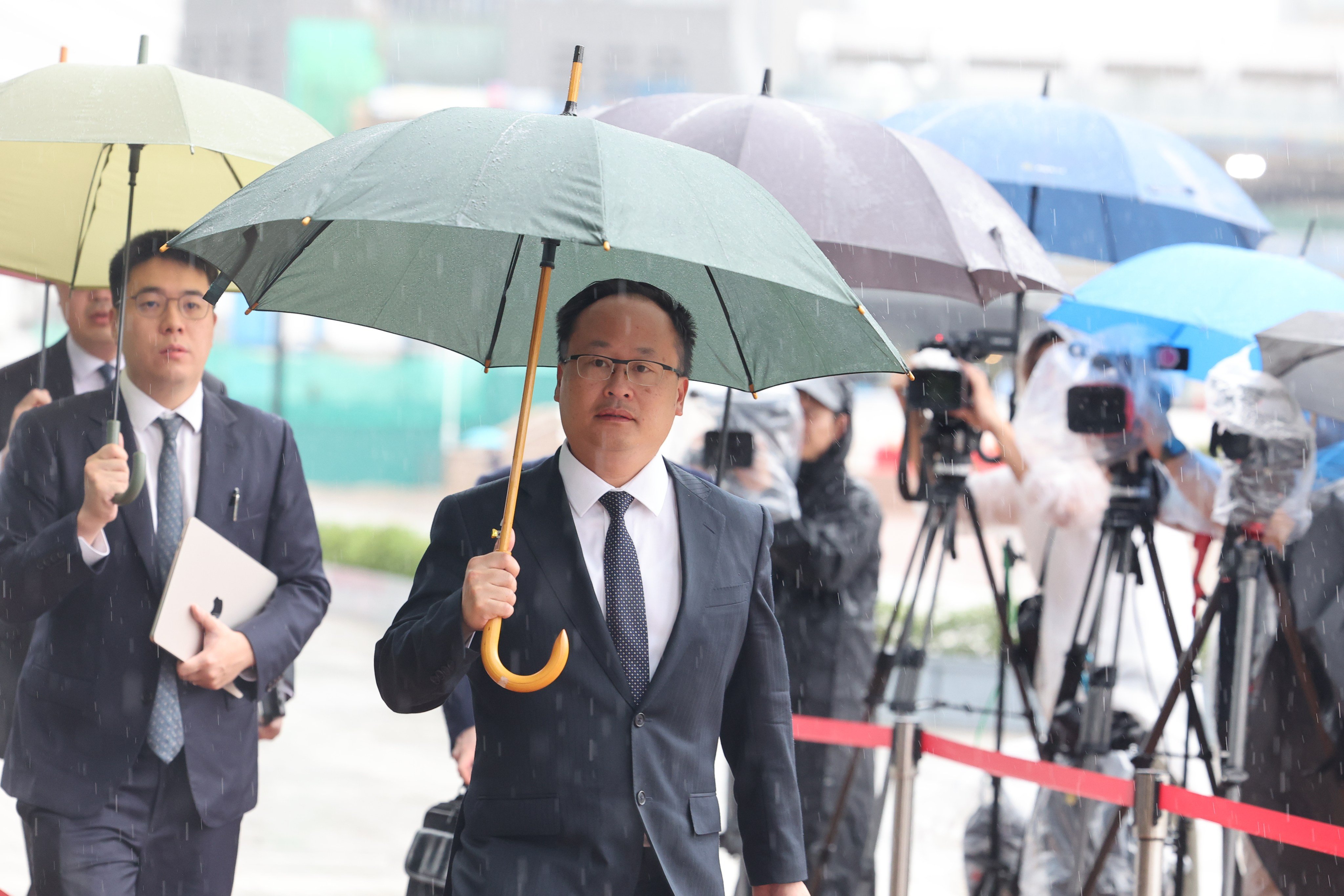
Hong Kong authorities’ role in last year’s deadly Wang Fuk Court blaze was secondary to that of construction and fire service firms, which either conspired to circumvent supervision or neglected their statutory duties, a government counsel has argued. Jenkin Suen SC, concluding the government’s submissions at an independent committee inquiry into the tragedy, unequivocally attributed the catastrophic inferno to the "deceit, inaction and deliberate omission" of contractors. These entities, he stated, systematically exploited regulatory regimes that had been established on the foundation of trust and confidence the government placed in the private sector to uphold safety standards.
The inferno, which raged for approximately 43 hours and devastated the residential building in Tai Po, has cast a harsh spotlight on systemic vulnerabilities within Hong Kong’s regulatory framework. Suen acknowledged these shortcomings, including the government’s perceived overreliance on professional self-regulation, insufficient oversight mechanisms, discernible gaps in existing guidelines, instances of interdepartmental miscommunication, and an apparent inability to leverage technology effectively for the detection of malpractice. However, he cautioned against framing these issues as the primary drivers of the disaster.
Suen emphasized that the legislative framework governing such construction and renovation works had been meticulously developed over time, largely in response to sustained public and industry calls for streamlined regulatory procedures. The aim was to reduce compliance costs and avoid imposing disproportionate requirements on what were often considered low-risk construction projects. "The government can understand why authorities’ failures are often subject to strict public scrutiny, but one must not lose sight of other stakeholders," Suen stated, underscoring the shared responsibility in preventing such tragedies.
Background to the Wang Fuk Court Inferno
The fire at Wang Fuk Court, a residential building located in the densely populated Tai Po district, broke out on July 15, 2025, and quickly escalated into a major emergency. The blaze spread with alarming speed, consuming a significant portion of the building and trapping residents. Firefighting efforts were severely hampered by the intensity of the flames, the structural integrity of the building, and the complex nature of the fire’s origin, which was later linked to extensive illegal renovation works. The incident resulted in a significant loss of property and, tragically, several fatalities and injuries, sending shockwaves through the community and raising urgent questions about building safety and regulatory enforcement in Hong Kong.
The inquiry, established to thoroughly investigate the causes and contributing factors of the fire, has been examining the conduct of various parties, including government departments, property owners, management companies, and the contractors involved in the renovation work that is believed to have been the catalyst for the disaster. The proceedings have revealed a complex web of contractual arrangements, regulatory oversight, and alleged negligence.
A Pattern of Deceit and Omission
According to Jenkin Suen SC, the evidence presented before the inquiry painted a clear picture of deliberate misconduct by private entities. He detailed how contractors, in their pursuit of profit and potentially to bypass stringent safety regulations, engaged in a pattern of "deceit, inaction, and deliberate omission." This included, but was not limited to, the use of substandard materials, the unauthorized alteration of building structures, and the failure to obtain necessary permits or adhere to approved plans.
Suen highlighted that these actions were not isolated incidents but rather symptomatic of a broader disregard for regulatory compliance. The contractors, he argued, had a profound understanding of the existing regulatory landscape and, rather than operating within its boundaries, actively sought to exploit its perceived weaknesses and loopholes. This exploitation was facilitated by a system that, while designed for efficiency, may have inadvertently created opportunities for those intent on circumventing oversight.

The government counsel pointed to instances where contractors allegedly provided misleading information to authorities, failed to disclose the full scope of their renovation activities, or proceeded with work that was clearly in violation of building codes and fire safety regulations. The "deliberate omission" referred to the conscious decision not to report hazardous conditions or to rectify known safety deficiencies, thereby creating a false sense of security for building occupants and regulatory bodies.
Exploitation of Regulatory Frameworks
Suen elaborated on how contractors had effectively "exploited regulatory regimes" that were predicated on a level of trust in the private sector’s professionalism and adherence to standards. The existing regulations, while comprehensive in intent, relied heavily on the assumption that contractors would act in good faith and prioritize public safety. However, the Wang Fuk Court fire demonstrated that this assumption was, in this instance, tragically misplaced.
The inquiry has heard evidence suggesting that certain contractors may have deliberately chosen to operate in a manner that minimized their immediate costs and efforts, even at the expense of long-term safety. This could have involved using cheaper, non-compliant materials that were more flammable, or undertaking structural modifications that compromised the building’s fire resistance capabilities without proper engineering assessments or approvals. The government’s argument suggests that this was not due to a lack of knowledge but a conscious choice to prioritize financial gain over safety obligations.
Chronology of Negligence and Catastrophe
While the precise timeline of the illegal renovation works and their direct contribution to the fire is a subject of ongoing investigation, a general chronology of events leading to the inferno can be inferred from preliminary reports and inquiry statements.
- Pre-Fire Period: Extensive, unauthorized renovation works were undertaken within the Wang Fuk Court building. Evidence suggests these works involved modifications to the building’s structure and the installation of potentially flammable materials. During this period, there were alleged failures by contractors to adhere to building codes, fire safety regulations, and approved renovation plans. This phase is characterized by "deceit, inaction, and deliberate omission" as described by Suen.
- Ignition Event (July 15, 2025): A fire broke out within the building, believed to be linked to the ongoing or recently completed renovation works. The exact ignition source is a critical focus of the ongoing investigation, but initial indications point towards an accidental cause exacerbated by the hazardous conditions created by the illegal works.
- Rapid Escalation: The fire spread with unprecedented speed, a factor attributed to the materials used and structural changes made during the renovation. The blaze quickly engulfed multiple floors, trapping residents and overwhelming initial firefighting efforts.
- Extended Firefighting Operations (July 15-17, 2025): Fire services engaged in a protracted and arduous battle to control the inferno. The 43-hour duration of the fire underscores the challenges faced by the emergency services, including the intensity of the blaze, the building’s structural integrity under fire conditions, and potential difficulties in accessing affected areas due to the nature of the renovations.
- Aftermath and Inquiry: Following the extinguishment of the fire, a comprehensive investigation was launched. An independent committee of inquiry was established to determine the causes of the fire, assess the effectiveness of regulatory oversight, and identify responsible parties. Jenkin Suen SC’s submissions represent the government’s formal position presented during this inquiry.
Systemic Vulnerabilities Acknowledged
While placing primary blame on the contractors, Suen did not shy away from acknowledging the systemic issues that may have contributed to the disaster. He conceded that the government’s reliance on professional self-regulation, where industry bodies and professionals are largely responsible for ensuring compliance within their fields, might have been excessive. This approach, intended to foster efficiency and reduce bureaucratic burdens, appears to have been vulnerable to exploitation by unscrupulous actors.
Furthermore, Suen admitted to insufficient oversight mechanisms. This could imply a lack of proactive inspections, inadequate follow-up on reported violations, or insufficient resources allocated to enforcement agencies. The gaps in guidelines were also noted, suggesting that existing regulations might not have adequately addressed the complexities of modern renovation practices or the specific risks associated with certain materials or techniques.
Interdepartmental miscommunication was also cited as a potential factor, indicating that different government bodies responsible for building safety, fire prevention, and urban planning may not have been effectively coordinating their efforts or sharing critical information. This fragmentation of responsibility could have allowed hazardous situations to develop unnoticed or unaddressed.
The inability to apply technology to detect malpractice was a significant admission, suggesting that the government might be lagging in its adoption of advanced surveillance or data analysis tools that could help identify non-compliance in real-time. In an era where technology plays a crucial role in various sectors, its apparent underutilization in regulatory enforcement is a cause for concern.
The Principle of Shared Responsibility
Suen’s argument aimed to rebalance the narrative, shifting the focus from a purely governmental failure to a more nuanced understanding of shared responsibility. He argued that the legislative framework, while needing continuous review and improvement, was not inherently flawed. Instead, its effectiveness was undermined by the actions of private entities who chose to disregard the spirit and letter of the law.
The counsel suggested that the government’s approach to regulation had been shaped by a desire to foster a conducive environment for business and development, balancing safety with economic considerations. The move towards streamlining procedures was a direct response to industry feedback seeking to reduce red tape and operational costs. However, this very streamlining, when combined with a lack of diligence from some contractors, created a dangerous equilibrium.
The implication of Suen’s statement is that while government bodies must continually enhance their oversight and enforcement capabilities, the ultimate responsibility for adhering to safety standards lies with those undertaking the work. The contractors, as the direct agents of renovation, possessed the most intimate knowledge of the building’s condition and the nature of the work being performed. Their failure to act ethically and legally, therefore, represents a fundamental breach of trust and a direct cause of the tragedy.
Implications for Future Regulation and Enforcement
The Wang Fuk Court inferno and the subsequent inquiry are expected to have significant implications for Hong Kong’s approach to building safety and regulatory enforcement. The government’s acknowledgment of systemic weaknesses, coupled with its strong stance against contractor misconduct, suggests a likely overhaul of existing policies and procedures.
Potential Outcomes and Reforms:
- Enhanced Oversight: Expect a significant increase in proactive inspections and audits by relevant government departments. This could involve expanding the scope of inspections, increasing their frequency, and employing more skilled personnel for enforcement.
- Stricter Penalties: The inquiry is likely to recommend harsher penalties for contractors found guilty of violating building codes and safety regulations. This could include substantial fines, license revocations, and potential criminal charges for severe negligence.
- Technological Integration: The admission regarding the inability to apply technology suggests a push towards adopting advanced tools for monitoring construction activities, detecting anomalies, and improving data analysis for risk assessment.
- Review of Self-Regulation: The government may re-evaluate its reliance on professional self-regulation, potentially introducing more stringent government oversight for certain types of construction or renovation projects.
- Improved Interdepartmental Collaboration: Efforts will likely be made to enhance communication and coordination between different government agencies involved in building safety, ensuring a more unified and effective approach to enforcement.
- Public Awareness Campaigns: Increased emphasis may be placed on educating property owners and residents about their rights and responsibilities concerning renovation works and building safety.
The government’s position, as articulated by Jenkin Suen SC, sets a clear precedent: while systemic improvements are necessary, the immediate cause of the Wang Fuk Court fire lies in the deliberate actions and omissions of private contractors. The ongoing inquiry will likely build upon this foundation, seeking to ensure that such a devastating event is never repeated. The future of building safety in Hong Kong hinges on a renewed commitment to robust enforcement, ethical conduct, and a shared understanding of responsibility among all stakeholders.