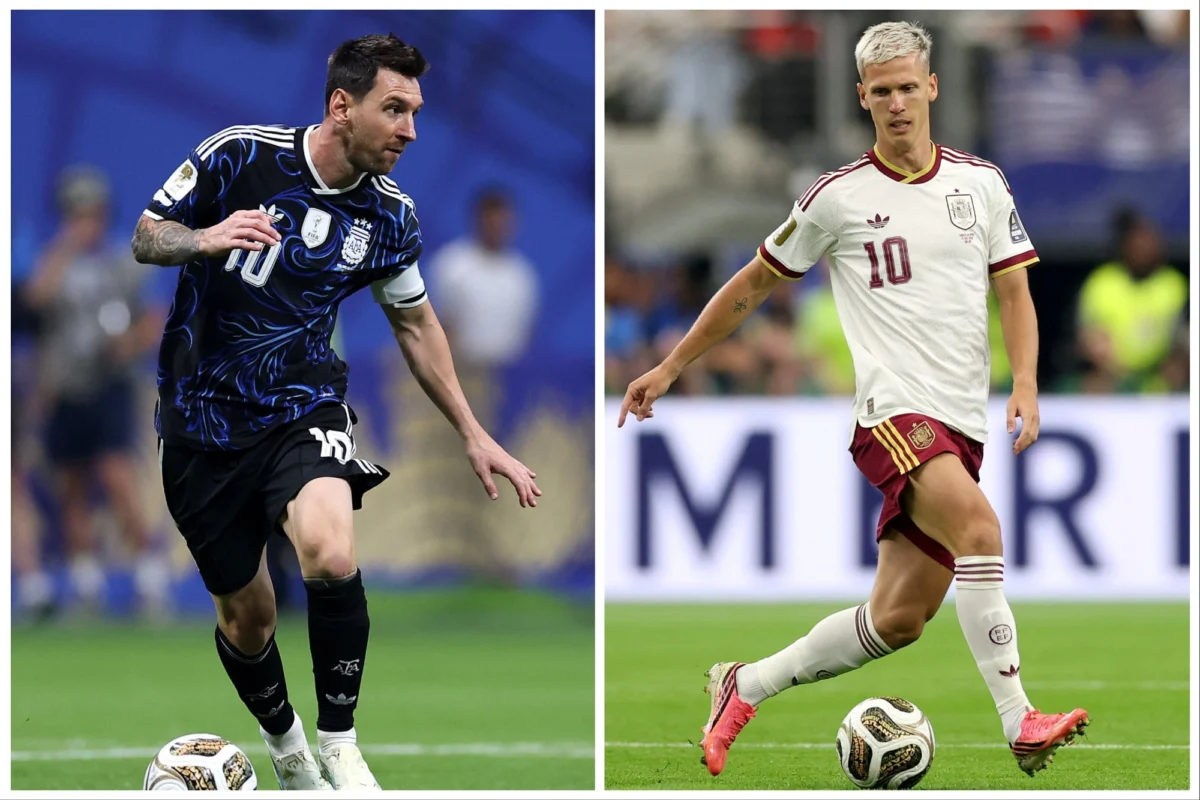
Results of Spain in the 2026 World Cup: This is how the Argentine National Team’s rival’s path to the final unfolded
The 2026 FIFA World Cup, co-hosted by the United States, Mexico, and Canada, has reached its climax, with Spain emerging as a formidable contender and securing a place in the final. Entering the tournament with high expectations, the Spanish squad navigated a challenging path, overcoming an early setback to demonstrate their championship mettle and earn a shot at the coveted trophy. Their journey to the final has been a testament to their resilience, tactical prowess, and the individual brilliance of their key players, setting the stage for a captivating showdown.
The road to the final for Spain was not without its dramatic turns. An unexpected result in the opening stages of the group phase momentarily cast a shadow of doubt over their championship aspirations. However, the team, under the guidance of their experienced coaching staff, regrouped effectively. They displayed remarkable composure and tactical discipline in subsequent matches, systematically dismantling their opponents with a blend of attacking flair and defensive solidity. This ability to bounce back from adversity has become a hallmark of their campaign, signaling a team with the mental fortitude required for international success.
Spain’s campaign has been characterized by a strong collective effort, underpinned by standout individual performances. The midfield, often the engine room of any successful team, has been particularly dominant, controlling the tempo of games and dictating play. Their attacking trident has proved to be a constant threat, combining intricate passing moves with direct attacking thrusts that have left opposition defenses in disarray. On the defensive front, the backline has been remarkably organized, marshaling their area with authority and limiting clear-cut chances for their adversaries. The goalkeeping department has also provided a crucial last line of defense, making vital saves at critical junctures.
The narrative of Spain’s progression has also been amplified by the evolving narrative surrounding their final opponent, Argentina. Lionel Messi, the iconic captain of the Argentine national team, has shared a poignant message with his followers on Instagram, reflecting on his team’s journey to the final. His words, "Whatever happens, this team has already made history," encapsulate the profound significance of their achievement, irrespective of the final outcome. This sentiment highlights the emotional investment and the extraordinary effort that both nations have poured into reaching this pinnacle of international football. Messi’s message, published on the eve of the final, serves as a powerful reminder of the human element and the shared dreams that fuel these global sporting spectacles.
The deep-rooted connection between Argentina and Spain, often overlooked in the immediate fervor of a World Cup final, adds another layer of intrigue to this encounter. This historical bond, stretching back centuries, is woven into the very fabric of Argentine identity. From the Spanish conquest in the 15th century, which established a profound influence on language, religion, law, political organization, and traditions, to the ongoing cultural exchange, the two nations share a unique and enduring relationship. This historical context, while not directly influencing the on-field tactics, imbues the final with a subtle, yet palpable, sense of shared heritage and mutual respect, even amidst fierce competition.
The build-up to the final has also been a spectacle in itself, with cultural figures adding to the anticipation. Argentinian artist María Becerra, a rising star in the international pop and urban music scene, has added to the buzz with a suggestive social media post. Her contribution comes amidst widespread speculation about who will perform the Argentine national anthem before the match. Becerra, who emerged from YouTube to become a global musical force, represents the vibrant contemporary culture of Argentina, further highlighting the diverse elements that converge around such a significant sporting event. Her participation, whether in performance or simply through her presence and influence, underscores the cultural dimension of the World Cup final, extending beyond the confines of the pitch.
The logistical arrangements for the final match have been meticulously planned to ensure a seamless experience for fans and participants alike. The clash between Argentina and Spain is scheduled to be broadcast live across multiple platforms, catering to a global audience. In Argentina, viewers can tune into Telefe, DSports, TyC Sports, TV Pública, Disney+ Premium, and Paramount+ starting at 4:00 PM local time. This comprehensive broadcast coverage ensures that supporters worldwide can follow the drama unfold, from the opening whistle to the final moment. The choice of venue, a stadium familiar to Lionel Messi, adds a personal touch to the grand stage, potentially offering a psychological advantage.
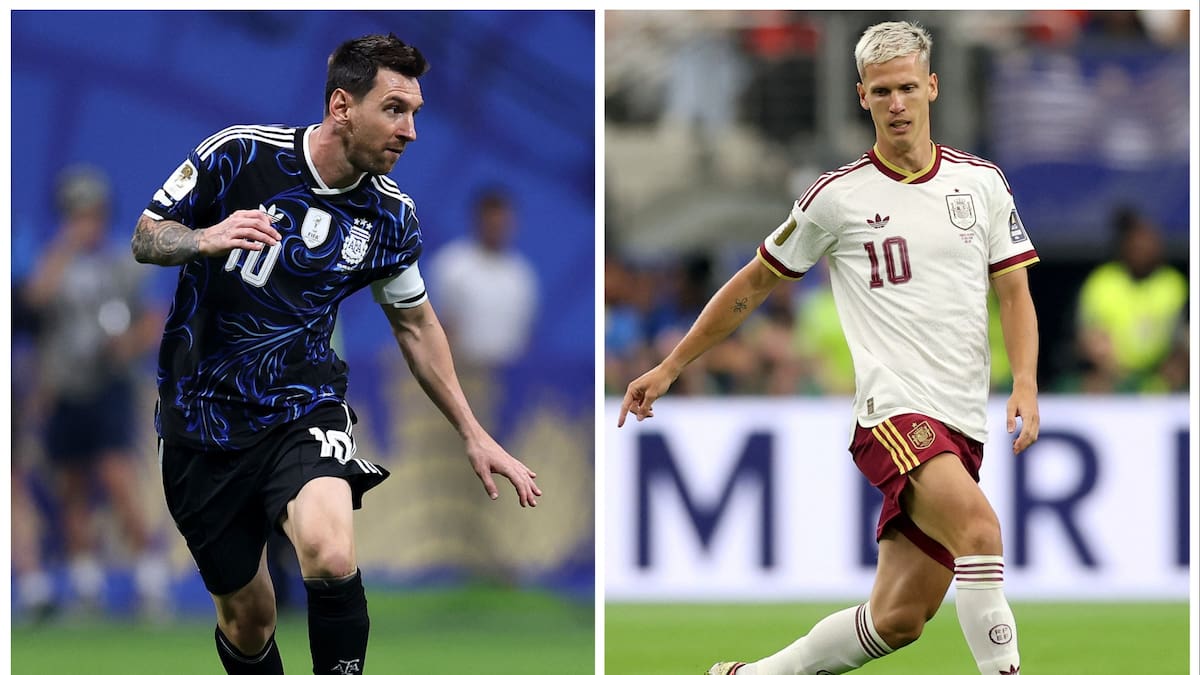
The journey to this final has been a marathon, not a sprint. The group stages, often a proving ground for emerging contenders, saw Spain face a variety of tactical approaches and playing styles. Their ability to adapt and overcome these challenges demonstrated their maturity as a team. The knockout rounds then tested their mettle against some of the world’s most elite footballing nations. Each victory in these high-stakes encounters has been hard-earned, built on strategic planning, flawless execution, and an unwavering commitment to their objectives. The path has been arduous, but the reward—the World Cup trophy—is now within touching distance.
Spain’s tactical approach throughout the tournament has been a subject of admiration. They have often employed a possession-based game, patiently probing for openings and exploiting spaces with quick, incisive passing. However, they have also shown the ability to adapt their strategy, employing more direct play and counter-attacking football when necessary. This tactical flexibility, combined with a deep squad capable of rotating players and maintaining intensity over 90 minutes, has been a key factor in their success. The coaching staff’s astute game management, including timely substitutions and tactical adjustments during matches, has also played a crucial role in steering the team towards victory.
The midfield trio, in particular, has been instrumental. Their ability to win second balls, distribute possession effectively, and contribute to both defensive and offensive phases of play has been a constant source of strength. Players have demonstrated a high work rate, tracking back diligently to support the defense while also making forward runs to join the attack. This balanced contribution from the midfield has allowed the forwards to operate with greater freedom and creativity, knowing they have solid support behind them.
The attacking unit has been a revelation, showcasing a diverse range of goal-scoring threats. Whether through individual brilliance, well-rehearsed set-piece routines, or swift counter-attacks, Spain has consistently found ways to find the back of the net. The synergy between the forwards has been evident, with players understanding each other’s movements and creating scoring opportunities through intelligent interplay. The clinical finishing displayed by the attacking players has been a vital asset, converting chances that might have been missed by less experienced or less composed strikers.
Defensively, Spain has been a fortress. The central defenders have formed a formidable partnership, demonstrating excellent positioning, timing in tackles, and aerial prowess. The full-backs have provided both defensive cover and attacking width, contributing to the team’s offensive fluidity without compromising their defensive responsibilities. The disciplined structure of the defense has made it incredibly difficult for opponents to penetrate, and when chances have arisen, the goalkeeper has been there to make crucial saves. This defensive solidity has provided a crucial foundation upon which their attacking success has been built.
The psychological aspect of a World Cup final cannot be overstated. The pressure to perform on the biggest stage is immense, and teams that can manage this pressure tend to fare better. Spain’s journey, marked by overcoming early adversity, suggests a team that has developed strong mental resilience. Their ability to maintain focus and execute their game plan under pressure in previous knockout matches bodes well for their chances in the final. The experienced leadership within the squad, likely spearheaded by their captain and veteran players, will be vital in guiding the team through the emotional highs and lows of the final.
The broader implications of this World Cup extend beyond the immediate glory of the trophy. For Spain, a victory would solidify their status as one of the dominant forces in international football and would be a crowning achievement for a generation of talented players. For Argentina, reaching the final, regardless of the outcome, is a testament to the enduring legacy of their footballing culture and the inspirational presence of Lionel Messi. The tournament itself, hosted across three North American nations, has been a celebration of global unity and the unifying power of sport. The success of the co-hosting arrangement, with its seamless organization and enthusiastic fan engagement, sets a positive precedent for future international events.
As the final whistle approaches, the world watches with bated breath. The culmination of years of training, dedication, and passion will be on display as Spain and Argentina vie for football’s ultimate prize. The historical context, the individual brilliance, the tactical acumen, and the sheer will to win all converge in this single, momentous match. The narrative of Spain’s journey to the final, from overcoming initial doubts to reaching the pinnacle of the sport, has been compelling. Now, they stand on the precipice of history, ready to etch their names into the annals of World Cup lore. The final promises to be a captivating spectacle, a fitting conclusion to a tournament that has delivered drama, excitement, and unforgettable moments. The stage is set for a clash that will be remembered for years to come, a testament to the enduring appeal of the beautiful game.

Related Posts

The Electric Vehicle Battery Health Debate Emerges as Argentina’s EV Market Accelerates

President Donald Trump Confirms Secret Departure from Turkey Amidst Assassination Threat