India Accelerates Graphite Mining in Arunachal Pradesh to Challenge China’s Dominance in Global Electric Vehicle Battery Supply Chain
In the remote, mist-shrouded valleys of Arunachal Pradesh, a quiet but significant transformation is taking place that could redefine India’s position in the global green energy transition. For decades, the forested slopes of this northeastern frontier state have been known for their biodiversity and the historical sovereignty disputes that define the region’s relationship with neighboring China. Today, however, the focus has shifted from territorial markers to the valuable minerals buried beneath the soil. Local youth associations are leading an unprecedented grassroots campaign, knocking on the doors of skeptical village elders to advocate for the commencement of large-scale graphite mining. These young advocates, many of whom have witnessed their peers migrate to distant urban centers like Delhi or Bengaluru in search of employment, view the extraction of graphite and vanadium as a lifeline for a region long characterized by economic isolation.
The push for mining in Arunachal Pradesh is not merely a local economic initiative but a core pillar of the Indian government’s strategic roadmap to secure a supply chain for critical minerals. As the world shifts toward electric vehicles (EVs) and large-scale battery storage, graphite has emerged as a cornerstone of modern industrial strategy. Graphite serves as the primary material for the anodes in lithium-ion batteries, with the International Energy Agency (IEA) estimating that a single electric car requires approximately 60 kilograms of battery-grade graphite. By tapping into the vast reserves of the Eastern Himalayas—which are estimated to hold more than one-third of India’s total graphite resources—the Indian government aims to reduce its reliance on imports and position itself as a formidable competitor to China, which currently maintains a near-monopoly on the global supply chain.
The Grassroots Movement for Economic Development
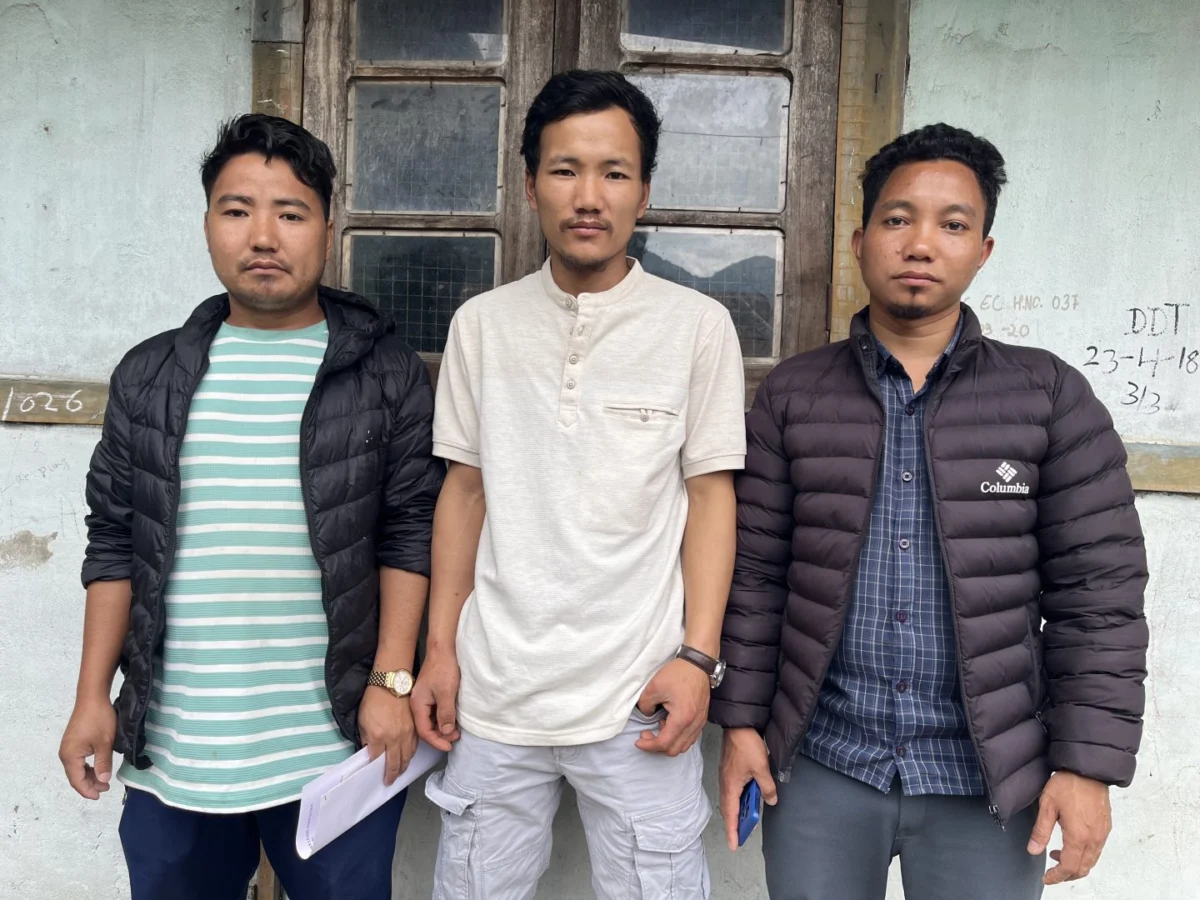
At the heart of this industrial push is a generational divide within the indigenous communities of Arunachal Pradesh. Gollo Doni, a farmer and the secretary of a local youth association, has become a prominent voice for those seeking to balance traditional land stewardship with modern economic needs. In meetings with representatives from Oil India Limited (OIL), a state-owned enterprise tasked with exploring the state’s mineral potential, Doni and his colleagues have been vocal about the necessity of local job creation. The youth association’s primary argument is that the development of graphite and vanadium mines would provide stable, high-paying jobs within the state, thereby stemming the tide of "brain drain" and economic migration.
For the elders of these villages, however, the prospect of large-scale mining brings deep-seated anxieties regarding environmental degradation and the loss of ancestral lands. The region is part of the Eastern Himalayan biodiversity hotspot, home to rare flora and fauna and pristine watersheds. Convincing these stakeholders requires more than just promises of revenue; it requires a transparent framework for environmental protection and community benefit-sharing. Oil India Limited has reportedly been engaging in a series of town hall meetings to address these concerns, emphasizing the use of modern, low-impact mining technologies and the potential for infrastructure development, including roads and healthcare facilities, that often accompany major industrial projects.
India’s Strategic Pivot in the Critical Minerals Landscape
The urgency of the mining projects in Arunachal Pradesh is underscored by the global geopolitical climate. China currently produces roughly 80% of the world’s natural graphite and controls an even more staggering 90% of the global refining capacity. This dominance gives Beijing significant leverage over the global EV market, a reality that was highlighted in late 2023 when China implemented export controls on certain graphite products, citing national security concerns. For India, which has set ambitious goals for EV adoption and renewable energy capacity, this dependence represents a major strategic vulnerability.
To counter this, the Indian Ministry of Mines has undergone a radical policy shift. In 2023, the government amended the Mines and Minerals (Development and Regulation) Act (MMDR), allowing for the private sector to bid for the exploration and mining of "critical and strategic" minerals, including graphite, lithium, and vanadium. This legislative change was designed to accelerate the pace of discovery and extraction, moving away from the slower, state-led models of the past. The inclusion of Arunachal Pradesh in this strategy is particularly significant due to the sheer volume of its reserves. Geological surveys have indicated that the state possesses the highest concentration of graphite in India, making it the logical epicenter for the country’s self-reliance (Aatmanirbhar Bharat) initiative in the battery sector.
A Chronology of Exploration and Policy Evolution
The journey toward making Arunachal Pradesh a mining hub has been decades in the making, but it has gained rapid momentum over the last five years.
- 2019-2020: The Geological Survey of India (GSI) released reports confirming that Arunachal Pradesh holds about 35% of India’s total graphite reserves. Initial surveys focused on districts such as Upper Subansiri, West Siang, and Lohit.
- 2021: The Indian government officially identified graphite as one of the 30 critical minerals essential for the country’s economic development and national security.
- 2023 (July): The Indian Parliament passed the MMDR Amendment Bill, which delisted six minerals, including lithium and graphite, from the "atomic minerals" list, thereby allowing private companies to mine them.
- 2023 (November): The first tranche of the critical minerals auction was launched, inviting bids for several blocks across the country, including those in the northeast.
- 2024 (January): India and Germany signed a significant partnership agreement on critical minerals. This deal focuses on technological cooperation, ensuring that India’s mining practices meet international environmental and social governance (ESG) standards, while providing Germany with a diversified source of raw materials.
- Present: Oil India Limited and other state entities continue intensive exploration and community engagement in Arunachal Pradesh, preparing for the transition from exploration to active extraction.
Global Partnerships and the De-risking Strategy
The international community is watching India’s mining ambitions with great interest. As Western nations seek to "de-risk" their supply chains by moving away from Chinese dominance, India has emerged as a preferred partner. The January 2024 agreement with Germany is a prime example of this trend. Under the partnership, Germany—a global leader in automotive engineering—will provide technical expertise in sustainable mining and mineral processing. In return, India offers a stable, democratic alternative for the procurement of the raw materials necessary for the European green transition.
Furthermore, India’s membership in the Mineral Security Partnership (MSP), a US-led initiative aimed at bolstering critical mineral supply chains, has integrated the country into a global network of producers and consumers committed to ethical and secure sourcing. These international alliances provide India with the diplomatic and financial backing needed to develop infrastructure in challenging terrains like Arunachal Pradesh, where the geography and proximity to the disputed border with China make project execution complex.
Analyzing the Implications: Economics, Environment, and Sovereignty
The development of graphite mines in Arunachal Pradesh carries profound implications across three primary dimensions:
1. Economic Self-Reliance
If India can successfully scale its graphite production, it will significantly lower the cost of domestic battery manufacturing. Currently, the battery pack accounts for nearly 40% of the total cost of an electric vehicle. By localizing the supply of anode materials, India can make EVs more affordable for its 1.4 billion citizens, thereby accelerating the transition away from internal combustion engines and reducing the national oil import bill.
2. Environmental and Social Governance (ESG)
The success of these projects hinges on India’s ability to conduct "green mining." The Eastern Himalayas are an ecologically sensitive zone. Any industrial activity that leads to large-scale deforestation or water contamination would not only face local resistance but also international scrutiny. The government’s challenge is to implement a "just transition" that provides economic benefits to indigenous tribes while preserving their cultural heritage and the local environment.
3. Geopolitical Stability
Mining in Arunachal Pradesh is an act of sovereign assertion. China has frequently laid claim to parts of the state, referring to it as "South Tibet." By developing permanent industrial infrastructure and integrating the region more deeply into the national and global economy, India is reinforcing its administrative control. The presence of state-owned enterprises like Oil India Limited and the involvement of international partners like Germany send a clear signal regarding the state’s status as an integral part of India.
Technical Data and Market Projections
The demand for graphite is projected to grow exponentially over the next decade. According to data from the IEA’s Global Critical Minerals Outlook 2025, the demand for graphite for clean energy applications is expected to increase by nearly 25 times between 2020 and 2040 in a scenario consistent with the goals of the Paris Agreement.
| Metric | China’s Share | Global Requirement (per EV) | India’s Reserve Share (Arunachal) |
|---|---|---|---|
| Natural Graphite Production | ~80% | 60 kg (Anode) | ~35% of National Reserves |
| Graphite Refining Capacity | >90% | N/A | Target: 15-20% by 2035 |
| Market Dominance | High | High | Emerging |
For India to capture even a fraction of this market, it must move beyond raw ore extraction to high-value processing. The refining of graphite into "spherical graphite"—the form used in batteries—is a chemical-intensive process that requires significant energy and technical precision. The partnership with Germany is expected to focus heavily on this mid-stream processing capability.
Conclusion: The Road Ahead
As Gollo Doni and his fellow youth association members continue their rounds through the villages of Arunachal Pradesh, they are not just selling a mining project; they are selling a vision of a modernized northeast. The transformation of this "distant region" into a hub for the global battery supply chain is an ambitious undertaking fraught with logistical, environmental, and political challenges. However, the alignment of local aspirations for jobs with national goals for energy security and global efforts to diversify supply chains suggests that the forested slopes of Arunachal Pradesh are about to become a central theater in the 21st-century race for critical minerals.
The coming years will determine whether India can successfully navigate the delicate balance between industrialization and conservation. If successful, the graphite mines of the northeast could provide the spark that ignites India’s electric vehicle revolution, providing a blueprint for how developing nations can leverage their natural wealth to secure a place in the new green economy.

Related Posts
Constitutional Court of South Africa Bars Shell Oil Exploration in Landmark Victory for Environmental and Community Rights
The Battle for Saldanha Bay: South Africa’s Ambitious Ocean Economy Strategy Faces Legal and Environmental Reckoning