Escalating Cross-Border Conflict: Pakistani Airstrikes in Afghanistan Claim Dozens of Civilian Lives Amid Rising Regional Tensions
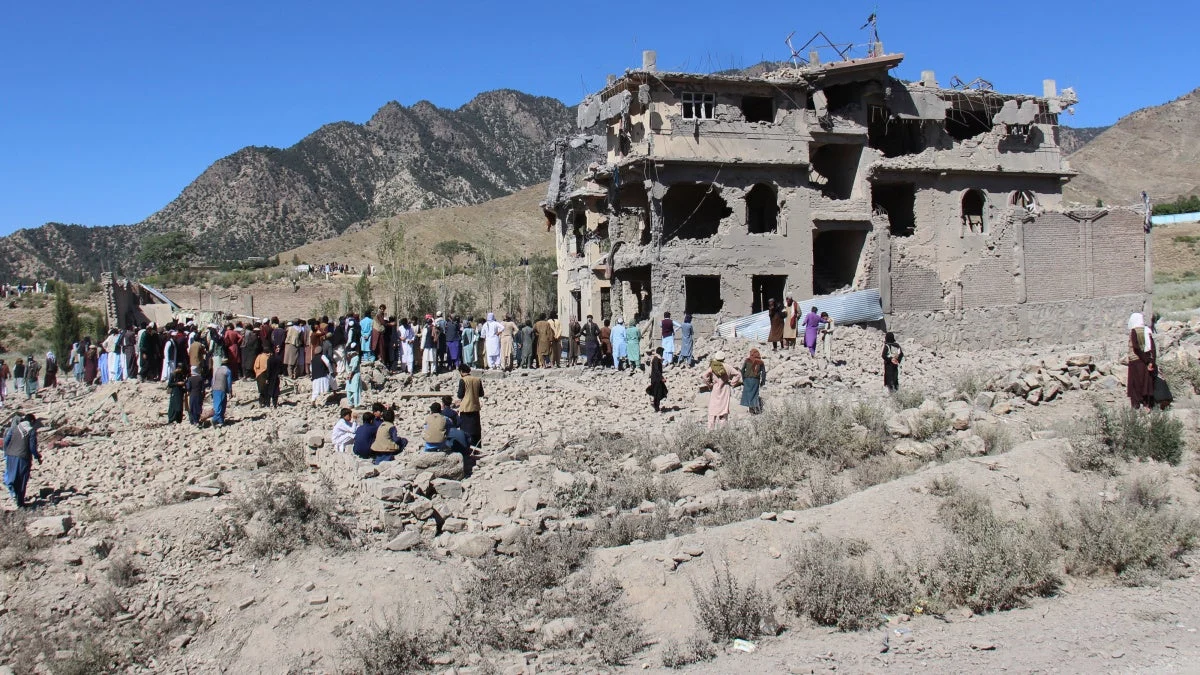
On June 29, 2026, a series of Pakistani airstrikes targeting three provinces in eastern Afghanistan resulted in the deaths of at least 28 civilians and left 49 others wounded, according to reports verified by the United Nations Assistance Mission in Afghanistan (UNAMA). The casualties included a significant number of women and children, highlighting the devastating humanitarian impact of the ongoing military friction between Islamabad and the Taliban-led administration in Kabul. While Pakistani authorities have asserted that the operations were surgical strikes intended to eliminate militants responsible for a recent attack on security personnel in Karachi, the lack of specific operational details has drawn sharp criticism from international human rights monitors and humanitarian agencies.
The June 29 incident is the latest in a series of high-casualty events that have defined a volatile start to 2026. Data released by UNAMA indicates that in the first quarter of the year alone, cross-border military actions by Pakistani forces have resulted in more than 750 Afghan civilian casualties. The majority of these incidents have been attributed to airstrikes in the eastern and southern border regions, where the proximity of civilian settlements to alleged militant hideouts has created a perennial risk of collateral damage.
The Evolution of Cross-Border Hostilities: A 2026 Chronology
The relationship between Pakistan and Afghanistan has deteriorated sharply throughout 2026, characterized by a cycle of militant attacks within Pakistan followed by retaliatory airstrikes on Afghan soil. The following timeline outlines the major escalations leading up to the current crisis:
March 16: The Omid Drug Rehabilitation Center Strike
In one of the deadliest single incidents of the year, Pakistani forces conducted an airstrike on the Omid Drug Rehabilitation Center in Kabul. The facility, which was housing hundreds of patients seeking treatment for substance abuse, became a scene of carnage. UNAMA reported that at least 269 civilians were killed and more than 122 were injured. A subsequent investigation by Human Rights Watch (HRW) found no evidence that the medical facility was being utilized for military purposes or as a shield for combatants. The strike was condemned by international observers as an unlawfully indiscriminate attack, raising serious questions regarding the intelligence used to authorize the operation.
April 27: Strikes in Kunar Province
Military escalation continued into late April, with Pakistani forces targeting Asadabad city and other locations within the Kunar province. These strikes, involving both aerial bombardment and mortar shelling, killed seven civilians and wounded 79 others. Among the victims were 13 women and 39 children. Personal accounts from the ground painted a grim picture of the aftermath. One resident recounted the loss of his 11-year-old brother and the permanent disability of his 4-year-old daughter, who lost her fingers in the blast. Such testimonies have become increasingly common in the border provinces, where the "new reality" of life involves constant fear of aerial incursions.
June 29: The Recent Triple-Province Strike
The most recent strikes targeted three provinces simultaneously. Pakistani officials defended the move as a necessary counter-terrorism measure following an attack in Karachi that killed several Pakistani security officers. However, the resulting 28 civilian deaths have shifted the focus toward the legality of the engagement under international law.
Analyzing the Humanitarian Impact and Healthcare Collapse
The military operations have not only resulted in direct casualties but have also severely undermined the fragile humanitarian infrastructure in eastern Afghanistan. According to the United Nations Office for the Coordination of Humanitarian Affairs (OCHA), mortar attacks and shelling have forced the closure of at least 19 health facilities in the region.
This collapse of healthcare services occurs against the backdrop of a broader crisis. Pakistan’s policy of forced repatriation of Afghan refugees has driven thousands of people back into these volatile border areas. Many of these returnees are arriving in communities that are currently under fire and lack the medical resources to treat basic illnesses, let alone trauma injuries resulting from airstrikes. The synergy of military conflict and the forced movement of vulnerable populations has created a humanitarian vacuum that international aid agencies are struggling to fill.
Legal Framework and Potential War Crimes
Under International Humanitarian Law (IHL), also known as the laws of war, the principles of distinction, proportionality, and precaution are paramount. Warring parties are legally obligated to distinguish between civilian populations and combatants at all times.
- Distinction: Attacks may only be directed against military objectives.
- Proportionality: Even if a military target is legitimate, an attack is prohibited if the expected civilian harm is excessive in relation to the anticipated military advantage.
- Precaution: Parties must take all feasible measures to minimize harm to civilians and civilian objects.
UNAMA and Human Rights Watch have emphasized that while civilian casualties do not automatically prove a violation of the laws of war, the scale and nature of the 2026 strikes—particularly the bombing of a medical facility and the high number of child casualties—demand impartial and independent investigations. If it is found that attacks were carried out with criminal intent or through reckless disregard for civilian life, they could be classified as war crimes.
Furthermore, IHL places obligations on the defending party—in this case, the de facto authorities in Afghanistan. They are required to avoid locating military objectives near densely populated areas to protect civilians under their control. However, legal experts note that a failure by one side to uphold its obligations does not absolve the other side of its duty to protect non-combatants.
Diplomatic Strains and the Militancy Narrative
The core of the conflict lies in a fundamental disagreement over security responsibilities. Pakistan alleges that the Tehrik-i-Taliban Pakistan (TTP) and other militant groups are utilizing Afghan territory as a safe haven to plan and execute attacks across the border. Islamabad has repeatedly called on the Taliban government to neutralize these threats, suggesting that the airstrikes are a response to Kabul’s perceived inaction.
Conversely, the Taliban administration denies providing sanctuary to militants and has condemned the airstrikes as a violation of Afghanistan’s sovereignty. The diplomatic fallout has led to the closure of key border crossings, such as Torkham and Chaman, on multiple occasions this year, further strangling the Afghan economy and obstructing the flow of essential goods.
Data Overview: The Human Cost of Conflict (January – June 2026)
The following data points, compiled from UNAMA and OCHA reports, summarize the intensity of the conflict:
- Total Civilian Casualties (Q1 2026): Over 750 (killed and injured).
- Omid Center Fatality Rate: 68% of individuals present at the time of the strike were killed or severely injured.
- Impact on Children: Children account for approximately 40% of the casualties in the Kunar and eastern province strikes.
- Infrastructure Loss: 19 health facilities closed due to direct damage or proximity to active shelling zones.
- Displacement: Thousands of families in the border regions have been internally displaced, adding to the burden of those recently repatriated from Pakistan.
Broader Implications for Regional Stability
The persistent use of airstrikes as a counter-terrorism tool in a densely populated and humanitarian-strained environment carries significant risks for regional stability. Analysts suggest that the high civilian death toll may serve as a recruitment tool for the very militant groups Pakistan seeks to eliminate, creating a self-perpetuating cycle of violence.
Moreover, the strain on the relationship between Islamabad and Kabul complicates international efforts to engage with Afghanistan on issues such as human rights, counter-narcotics, and economic development. As long as the border remains a theater of active kinetic conflict, the prospects for regional trade and connectivity—central to the economic strategies of both nations—remain dim.
The international community, including the UN Security Council, has been urged to facilitate a dialogue that addresses Pakistan’s security concerns without compromising the safety of Afghan civilians. However, with both sides entrenched in their respective narratives, the likelihood of a near-term cessation of hostilities remains low.
As the mid-point of 2026 passes, the situation in eastern Afghanistan stands as a stark reminder of the complexities of modern asymmetric warfare, where the lines between security operations and humanitarian catastrophes are increasingly blurred. The need for transparency, accountability, and a renewed commitment to the protection of civilians has never been more urgent. Without a shift in strategy from both the attacking and defending forces, the civilian population of Afghanistan’s borderlands will continue to bear the brunt of a conflict they did not choose.

Related Posts
Human Rights Watch Calls for Investigation into Death of Detainee Following Removal from Najaf Hospital by Iraqi Drug Police
Human Rights Watch Urges UN Security Council to Extend Lebanon Peacekeeping Mission Amid Escalating Conflict and Humanitarian Crisis