Russia Escalates Aerial Campaign as Ukraine Faces Critical Shortfall in Air Defense Interceptors
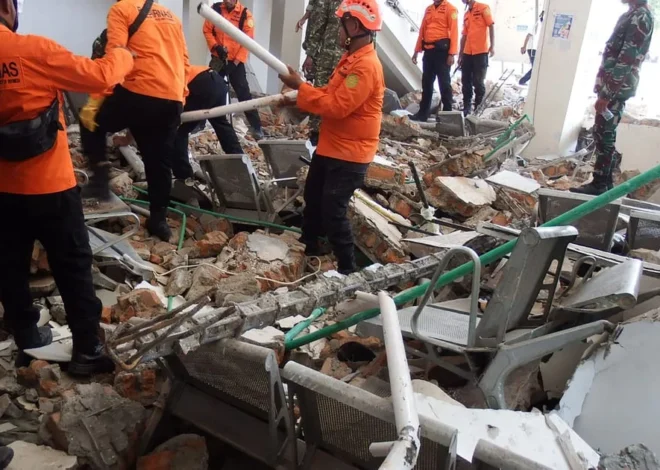
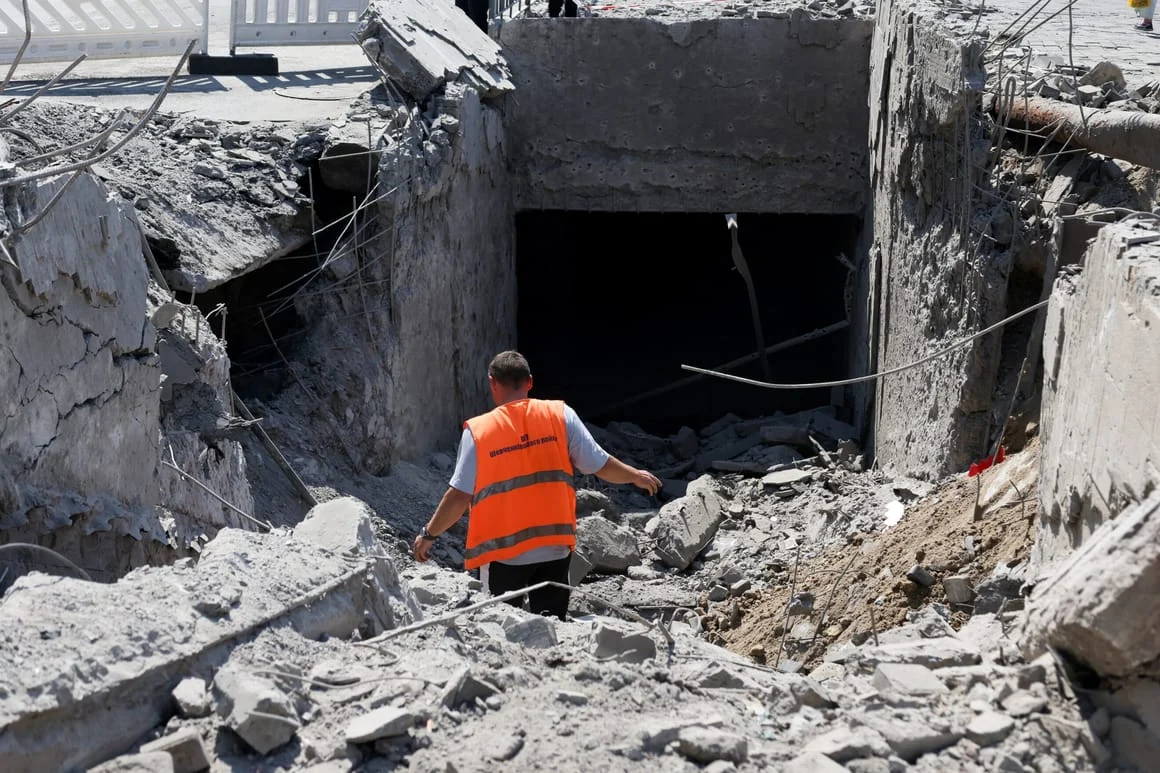
In one of the most intense aerial barrages since the onset of the full-scale invasion four years ago, Russia launched a massive, coordinated strike against Ukrainian territory late Saturday into Sunday. The assault, involving a complex mixture of over 40 ballistic missiles and 120 attack drones, represents a significant intensification of Moscow’s campaign to degrade Ukraine’s energy and defense infrastructure. As rescue teams continue to sift through the rubble of residential buildings, supermarkets, and dormitories in Kyiv, the event has laid bare the increasingly precarious state of Ukraine’s air defense capabilities and the urgent, unmet needs of its front-line cities.
The attack resulted in at least one confirmed fatality in the capital and left 15 others wounded, according to local authorities. Mayor Vitali Klitschko confirmed that critical infrastructure and civilian areas sustained significant damage, marking the fourth such large-scale assault on Kyiv within the last five weeks. While the Ukrainian Air Force reported the successful interception of 18 of the 41 missiles and the destruction of the majority of the incoming drones, the sheer volume of ballistic weaponry—which is notoriously difficult to neutralize due to its high terminal velocity—has strained the country’s existing Patriot surface-to-air missile systems to their breaking point.
A Timeline of Escalation
The current surge in hostilities comes after four years of relentless conflict. To understand the gravity of this weekend’s attack, one must look at the recent trajectory of the war:
- Early 2026: Russia shifts its tactical focus, increasingly utilizing high-speed ballistic missiles to overwhelm regional air defenses.
- June 2026: Persistent strikes on energy infrastructure lead to rolling blackouts across several Ukrainian provinces, prompting renewed calls for international assistance.
- July 13, 2026: Nine European nations formalize a partnership to support Ukraine’s domestic production of anti-ballistic defense systems, acknowledging that current aid levels are insufficient.
- July 19, 2026: The largest ballistic attack of the year occurs, targeting Kyiv and several surrounding regions, confirming that the conflict has entered a high-intensity phase.
The Interceptor Crisis
The primary challenge facing the Ukrainian Armed Forces is a diminishing stockpile of high-end interceptors. The U.S.-manufactured Patriot system remains the gold standard for countering ballistic threats, but global supply chains have been severely disrupted. The ongoing conflict in the Middle East, specifically the war with Iran, has diverted critical munitions and diverted production capacity that was previously earmarked for Kyiv.
President Volodymyr Zelenskyy has been candid about the deficit, stating publicly that Ukraine requires approximately 300 additional Patriot interceptors to survive the upcoming winter months. While U.S. President Donald Trump has expressed willingness to authorize the production of these missiles under license within Ukraine, the bureaucratic and logistical hurdles to establish such manufacturing lines remain unresolved. France has moved forward with a similar arrangement, licensing the production of its Aster interceptors, yet these systems take time to manufacture and integrate into the existing Ukrainian grid.
Diplomatic Stagnation and EU Sanctions
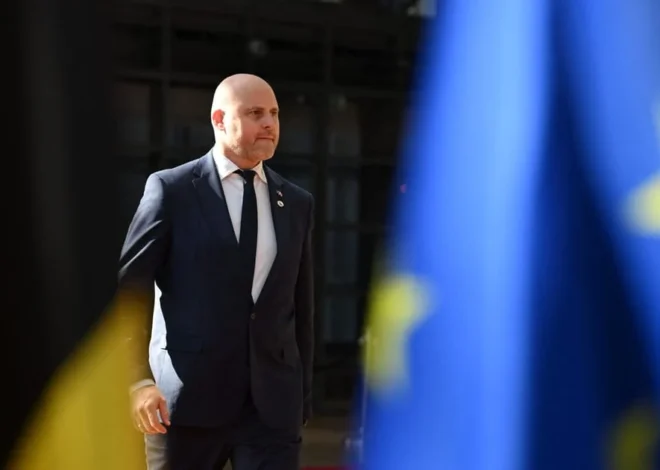
While the physical defense of Ukrainian skies remains a kinetic priority, the political front has seen an equally concerning deadlock. Acting Foreign Minister Andrii Sybiha has been vocal regarding the European Union’s inability to finalize its 21st sanctions package against Moscow. The proposed measures, which include the blacklisting of 250 individuals linked to the war effort and expanded restrictions on the “shadow fleet” of oil tankers, have been stalled for three consecutive days.
The obstruction, primarily driven by demands from Austria and Greece, has drawn sharp criticism from Kyiv. During a press briefing, Minister Sybiha described the delay as a failure of resolve, arguing that the “coward in Moscow” is emboldened by the EU’s inability to maintain a unified front. The sanctions are designed not only to degrade Russia’s fiscal capacity to fund the war but also to curb its ability to procure dual-use components from international markets. European ambassadors are scheduled to revisit the negotiations on Tuesday, though optimism for an immediate breakthrough remains tempered by the complexity of the internal EU demands.

Strategic Implications of the Conflict
The Russian Ministry of Defense has framed the Sunday strikes as targeted actions against "defense industry facilities and logistics centers." However, international observers and Ukrainian officials maintain that the pattern of destruction—targeting residential areas and civilian hubs—is intended to break the public’s morale.
The implications of this latest assault are three-fold:
- Attrition of Infrastructure: Each successful hit on a depot or a power node compounds the long-term economic damage to Ukraine, making post-war reconstruction an increasingly monumental task.
- Resource Exhaustion: By forcing Ukraine to expend its most sophisticated interceptors against massed waves of cheaper drones and ballistic missiles, Russia is engaging in a war of economic attrition that heavily favors the side with more expendable resources.
- Pressure on Western Unity: The repeated failure of the EU to reach a consensus on sanctions, coupled with the slow pace of defense production, threatens to erode the political capital that the Zelenskyy administration relies upon to maintain international support.
Reciprocal Strikes and the Shadow Fleet
Despite being on the defensive, Ukraine has continued to project force into Russian territory. President Zelenskyy noted that, simultaneously with the defense of Kyiv, Ukrainian forces successfully targeted three oil depots in the Stavropol region. Furthermore, naval operations in the Black Sea reportedly resulted in the strikes against three tankers associated with the Russian "shadow fleet."
These vessels are critical to the Kremlin’s strategy of circumventing Western oil price caps. By targeting these assets, Kyiv is attempting to impose a direct financial cost on the Russian state, mirroring the tactics used by Moscow to disrupt the Ukrainian economy. This reciprocal strategy suggests that the war is increasingly being fought through the lens of economic warfare, where the ability to maintain exports and energy stability is just as vital as territorial control on the front lines.
The Path Forward
As the sun sets on the immediate aftermath of the strikes, the narrative remains one of urgency. The request for more air defenses is no longer a long-term goal but an immediate, hour-by-hour necessity. The vulnerability of the capital to ballistic missiles proves that the "shield" of Ukraine is currently porous.
International analysts suggest that the coming weeks will be a test of the diplomatic architecture supporting Kyiv. Whether the promised license for domestic missile production can be fast-tracked, and whether the EU can overcome its internal fissures to enact the 21st sanctions package, will determine the sustainability of Ukraine’s resistance. As Minister Sybiha stated, there is no room for pauses in the isolation of the aggressor. For now, the people of Kyiv remain in a state of high alert, awaiting the next wave of warnings, as the international community debates the pace of the support required to sustain the defense of the nation.
The resilience of the Ukrainian public, demonstrated by the rapid clearing of debris and the restoration of essential services within hours of the strikes, continues to be a cornerstone of the country’s defense. However, resilience alone cannot stop ballistic missiles. As the winter season approaches, the gap between the need for sophisticated air defense and the current inventory will remain the defining vulnerability of the conflict, necessitating a swift and decisive response from Ukraine’s allies in the G7 and the European Union.