
Russia launches major ballistic-missile attack on Kyiv and Kharkiv
A devastating wave of ballistic missile strikes launched by Russia has targeted multiple Ukrainian cities, resulting in the deaths of four individuals and wounding at least 36, according to Ukrainian officials. The eastern city of Kharkiv bore a significant brunt of the assault, reporting three fatalities and 20 injuries, while the capital, Kyiv, experienced one death and 16 wounded. Ukrainian President Volodymyr Zelensky characterized the raid on Kyiv as "one of the most massive ballistic attacks" endured by the capital since the onset of Russia’s full-scale invasion in February 2022, underscoring the relentless nature of the conflict. Simultaneously, Ukraine has intensified its retaliatory operations against Russian assets, successfully striking three Russian oil tankers in the Black Sea and targeting critical fuel infrastructure within Russia’s southwestern Stavropol region. This reciprocal escalation highlights the increasingly brutal and complex dynamics of the ongoing war, where both sides aim to inflict significant damage on military, economic, and logistical capabilities.
Immediate Impact and Scale of Russian Aggression
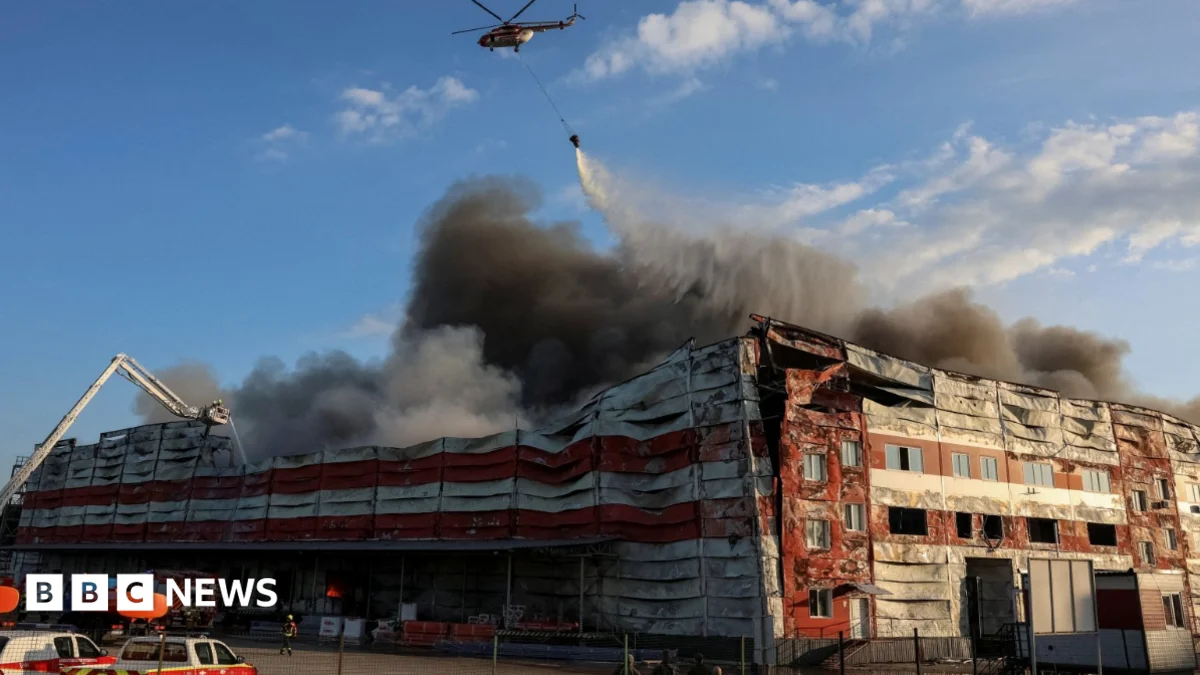
The coordinated Russian missile attacks, which unfolded primarily overnight and into the early morning hours, underscore a renewed emphasis on striking urban centers and critical infrastructure. In Kyiv, the extensive bombardment prompted widespread alerts and frantic efforts by air defense systems. The Ukrainian military confirmed that its air defenses successfully intercepted 18 out of 41 missiles launched towards the capital and surrounding areas, alongside neutralizing 108 drones. Despite these defensive successes, the sheer volume and advanced nature of the incoming munitions meant some projectiles inevitably reached their targets, causing significant destruction and casualties. Kyiv Mayor Vitaliy Klitschko reported damage to both residential and non-residential buildings, including a supermarket and a dormitory, further illustrating the indiscriminate impact on civilian infrastructure. Firefighters were actively engaged in battling blazes at two warehouses, while a logistics hub in the Bucha district, a suburb of Kyiv, was also hit, leaving two people injured. The psychological toll on the civilian population, already accustomed to nearly two years of warfare, remains profound as communities grapple with continuous threats to their safety and livelihoods.
Kharkiv, a city that has consistently faced severe bombardment due to its proximity to the Russian border, experienced a particularly tragic incident. Governor Oleh Syniehubov confirmed that a postal terminal in the city’s suburbs was directly attacked. The strike claimed the lives of three men, aged between 24 and 62, who were likely working or present at the facility. Three of the injured in Kharkiv were reported to be in a serious condition, necessitating urgent medical intervention. The targeting of a civilian postal service facility further illustrates the broad and often indiscriminate nature of Russia’s targeting strategy, which frequently impacts essential services and non-military infrastructure, raising concerns about potential war crimes.
Russia’s Evolving Missile Arsenal and Tactics
President Zelensky’s assertion that the past week alone saw Russia deploy approximately 1,450 strike drones, over 1,640 guided bombs, and 99 missiles of various types against Ukraine paints a stark picture of the sustained intensity of Russian aggression. This pattern reflects Russia’s strategy of overwhelming Ukrainian air defenses through sheer volume and a mix of weapon types. The latest strikes on Kyiv were notably sophisticated, involving a diverse array of Russian weapons systems. Among these were the Iskander ballistic missiles, known for their precision and ability to carry conventional or nuclear warheads, and, more critically, hypersonic Zircon missiles.
The deployment of Zircon missiles is particularly concerning for Ukrainian defense planners and their international allies. Hypersonic missiles are designed to travel at speeds exceeding Mach 5, making them extremely difficult, if not impossible, to intercept with current conventional air defense systems like Patriot or NASAMS. Their ability to maneuver at such high speeds also complicates tracking and targeting. The use of Zircons represents a significant technological challenge and a heightened threat to critical infrastructure and urban centers. In addition to these advanced missiles, Russia also utilized 125 drones, including the widely deployed Shahed-136/131 kamikaze drones, which are often used in swarms to overwhelm air defenses or to conserve more expensive ballistic missiles for high-value targets. This multi-layered attack strategy aims to maximize damage and deplete Ukraine’s precious air defense resources, which are already in high demand across the country.
Ukraine’s Strategic Counter-Offensive: Targeting Russia’s Economic Lifelines
In parallel with defending against Russian aggression, Ukraine has maintained and intensified its strategy of striking key Russian military and economic targets, particularly those related to its energy sector and logistical supply lines. President Zelensky highlighted the success of these operations, stating that units of the Security Service of Ukraine (SBU) simultaneously struck three oil depots in the Stavropol region. Concurrently, units of Ukraine’s Armed Forces targeted another fuel-sector facility within the same region. The Stavropol region, located in southwestern Russia, serves as a crucial hub for the country’s energy infrastructure, with numerous oil and gas facilities. Drone attacks on these sites are designed to disrupt Russia’s ability to process and transport fuel, which is vital for both its military operations and its broader economy. The governor of Stavropol confirmed a drone attack had caused a fire in an industrial park, indicating the successful impact of these Ukrainian operations. These attacks aim to create domestic economic pressure within Russia and to degrade its capacity to supply its frontline forces.
Further underscoring Ukraine’s expanded reach and strategic focus, precise hits were recorded on three Russian ‘shadow fleet’ tankers in the Black Sea. The ‘shadow fleet’ refers to an informal network of older, often uninsured or poorly regulated vessels that Russia utilizes to circumvent international sanctions on its oil exports, thereby financing its war effort. By targeting these tankers, Ukraine aims to disrupt Russia’s illicit oil trade, reduce its revenue streams, and increase the cost and risk associated with transporting Russian hydrocarbons. The Caspian Pipeline Consortium (CPC), a major international oil pipeline operator that transports Kazakhstan’s Caspian oil to Russia’s Black Sea port of Novorossiysk, confirmed that its terminal had been hit. The CPC reported that two tankers were damaged, leading to the temporary suspension of oil loading operations. While no injuries or oil spills were immediately reported by the CPC, the incident highlights the vulnerability of crucial energy export infrastructure in the region and the potential for broader disruptions to global energy markets, particularly given Novorossiysk’s status as a key Black Sea port for Russian and Kazakh oil exports.
President Zelensky explicitly linked these Ukrainian strikes to the ongoing effort to "spread the realisation within Russia that this war must be brought to an end," framing them as a direct response to Russia’s aggression and a means to pressure Moscow into ceasing hostilities. This rhetoric underscores Ukraine’s determination to bring the economic and material costs of the war directly to Russia.
Broader Context: A Cycle of Retaliation and Economic Warfare
The latest exchange of strikes is part of an escalating cycle of retaliation that has defined the conflict, particularly in recent months. The overnight Russian missile attacks followed closely on the heels of significant Ukrainian drone operations that targeted and destroyed two warehouses belonging to Wildberries, Russia’s largest online retailer. These attacks, which occurred in Tambov and Elektrostal near Moscow, tragically resulted in eight deaths and dozens of injuries among civilian workers, causing major fires and substantial economic damage. Seven deaths and 25 injuries were reported at the Tambov facility, approximately 295 miles (475km) southeast of Moscow, while another Wildberries warehouse in Elektrostal saw one death and 37 injuries. Zelensky had previously stated that Ukraine’s operations were a direct response to "Russian strikes on our civilian infrastructure and on our cities and communities," emphasizing the tit-for-tat nature of the attacks and the broadening scope of targets beyond purely military objectives.
Ukraine has demonstrably intensified its long-range drone attacks on Russia’s critical energy infrastructure, viewing these facilities as legitimate targets given Moscow’s heavy reliance on fossil fuel exports to finance its full-scale invasion. Earlier this month, Kyiv claimed that nearly 43% of Russia’s oil refining capacity had been "disabled" as a direct result of these strikes. While the BBC has not independently verified this figure, the sustained nature and widespread impact of these attacks across various Russian regions have been widely acknowledged by international energy analysts and monitoring agencies. These operations aim to significantly cripple Russia’s war economy, disrupt fuel supplies for its military, and exert domestic pressure on the Kremlin by impacting civilian fuel availability and prices. The RWB group, which combines Wildberries with advertising company Russ, was valued at about $12.6 billion (£9.3 billion) by Forbes Russia in 2026, highlighting the economic significance of the targets Ukraine has chosen.
The Imperative of Air Defense: Ukraine’s Urgent Plea for International Support
The relentless and sophisticated nature of Russian missile attacks has placed immense pressure on Ukraine’s already stretched air defense capabilities. President Zelensky’s urgent plea for increased supplies of ballistic missile interceptors from European allies underscores the critical nature of this defense requirement. "Protection against ballistic missiles is our constant and top priority right now," Zelensky stated on Sunday. "Interceptors are needed every day." This call for aid is not new; since the early days of the invasion, Ukraine has consistently requested more advanced air defense systems, such as Patriot and SAMP/T systems, to counter Russia’s extensive arsenal of ballistic and cruise missiles. The current interception rate, though commendable given the scale of attacks, highlights a persistent gap that only sustained international support can fill.
Each successful interception not only saves lives and infrastructure but also demonstrates the effectiveness of Western-supplied systems. However, the sheer scale of Russian attacks means that Ukraine’s allies must maintain and increase their provision of these crucial defensive assets. The ongoing debate among Western allies regarding the pace and volume of military aid, particularly air defense components and artillery ammunition, directly impacts Ukraine’s ability to protect its population and critical infrastructure. The consistent targeting of civilian areas, commercial enterprises, and essential services also highlights the humanitarian dimension of the conflict, requiring continuous international support for recovery and resilience efforts. The ability to defend against hypersonic missiles, in particular, remains a formidable challenge for even the most advanced air defense systems globally.
Geopolitical Implications and Future Outlook
The escalating attacks by both Russia and Ukraine carry significant geopolitical implications. Russia’s continued use of advanced missiles against Ukrainian cities not only aims to break Ukrainian morale and degrade its infrastructure but also serves as a demonstration of its military capabilities, potentially influencing international perceptions and deterring further Western involvement. Conversely, Ukraine’s audacious strikes deep within Russian territory and against its economic lifelines showcase its innovative use of asymmetric warfare and its determination to inflict costs on the aggressor, even with limited resources compared to Russia.
The targeting of energy infrastructure by Ukraine reflects a calculated strategy to undermine Russia’s financial capacity to sustain the war. With oil and gas exports forming the bedrock of Russia’s state budget, disruptions to these operations directly impact Moscow’s ability to fund its military machine. The ‘shadow fleet’ strikes also have implications for global maritime insurance and shipping practices, potentially driving up costs and risks for any entities involved in circumventing sanctions. These actions underscore Ukraine’s commitment to using all available means to degrade Russia’s ability to wage war and to pressure the Kremlin to end the conflict.
As the conflict approaches its third year, the cycle of escalation shows no signs of abating. The urgent need for Ukraine to bolster its air defenses remains paramount, as does the continued provision of military, financial, and humanitarian aid from its international partners. The ongoing targeting of civilian infrastructure by Russia and the retaliatory strikes by Ukraine on Russian economic assets indicate a protracted conflict where both sides are seeking to gain strategic advantages through attrition and the imposition of severe costs. The international community continues to grapple with the complex challenge of supporting Ukraine while managing the broader risks of escalation and ensuring regional stability. The immediate future suggests a continuation of intense aerial bombardments and drone warfare, with civilian populations bearing the brunt of the human cost and the global economy facing continued ripple effects from disrupted supply chains and energy markets.

Related Posts

Zambia on Edge: Opposition Leader Arrested Amid Allegations of Insurrection Plot and Election Tensions
Rescuers search for survivors of powerful Indonesia earthquake

