Thousands in Hong Kong’s Eastern District Face 24-Hour Water Outage After Major Pipe Rupture
A significant rupture in a major freshwater pipeline has plunged approximately 10,000 homes and businesses in Hong Kong’s Eastern District into a 24-hour water supply disruption, with the Water Supplies Department (WSD) anticipating a full restoration of service by Monday morning. The incident, which was first reported early Sunday, has necessitated extensive repair work at a busy tram intersection, impacting residents and daily life across several key communities.
The Disruption Unfolds: A Sunday Morning Crisis
The alarm was raised around 6:00 AM on Sunday when the WSD received initial reports of a sudden loss of fresh water supply in the Shau Kei Wan area. Emergency crews were immediately dispatched to the scene to assess the extent of the damage and initiate an investigation. The affected areas, which encompass a densely populated residential and commercial zone, include Tung Yuk Court, Yiu Tung Estate, Ming Wah Dai Ha, Perfect Mount Gardens, Ngoi Man Street, Factory Street, Kam Wa Street, Shau Kei Wan Main Street East, Shau Kei Wan Road, and Sai Wan Ho Street. These locales are home to a significant portion of the district’s residents and host numerous businesses that rely on a consistent water supply for their operations.
By the evening of Sunday, the WSD issued a formal suspension notice, estimating that the crucial restoration of water services would commence at approximately 6:00 AM on Monday. This projected 24-hour interruption underscores the severity of the pipe burst and the complexity of the repair operations.
Unveiling the Cause: An 18-Inch Pipe at a Critical Juncture
At a press briefing held at 4:00 PM on Sunday, Chief Engineer Lin Tang-tai of the WSD provided critical details regarding the incident. He revealed that the leak originated from a substantial 18-inch-diameter freshwater pipe, located strategically at a busy tram intersection. The precise location of the breach was identified through the deployment of advanced pipeline robots and sophisticated leak detection technologies, a testament to the WSD’s investment in modern infrastructure management.
The nature of the leak presented an unusual challenge for repair crews. Engineer Lin explained, "The leaked water did not flood the road surface, so we believe it may have flowed directly into the sea through underground stormwater drains, increasing the technical difficulty [of the repairs]." This subterranean escape route for the water meant that visual cues were minimal, necessitating a more intricate and time-consuming investigative process to pinpoint the exact point of failure within the extensive pipe network. The possibility of the water entering the storm drain system also raises concerns about potential contamination and the need for thorough flushing and inspection of those systems once the primary repair is complete.
A Race Against Time: Repair Efforts and Traffic Management
The immediate aftermath of the discovery saw a multi-agency effort to manage the situation. The WSD, in coordination with transport authorities and the police, has been actively working to divert traffic around the affected intersection. The ongoing excavation work required to access and repair the damaged pipe necessitates road closures and detours, which are likely to cause significant traffic congestion in an already busy part of the city. Commuters and residents in the Eastern District have been advised to expect delays and to seek alternative routes where possible.
The technical complexity of repairing an 18-inch pipe, especially one situated beneath a busy urban intersection, cannot be understated. The process involves not only excavating to expose the damaged section but also carefully isolating the pipeline to prevent further water loss and to ensure the safety of the repair crew. Subsequently, the damaged portion will need to be meticulously removed and replaced with new piping, followed by rigorous pressure testing to confirm the integrity of the repair before the water supply can be fully reinstated. The WSD’s commitment to using advanced technologies in leak detection highlights their proactive approach to infrastructure maintenance, though in this instance, the nature of the leak presented a unique hurdle.
Broader Implications and Community Impact
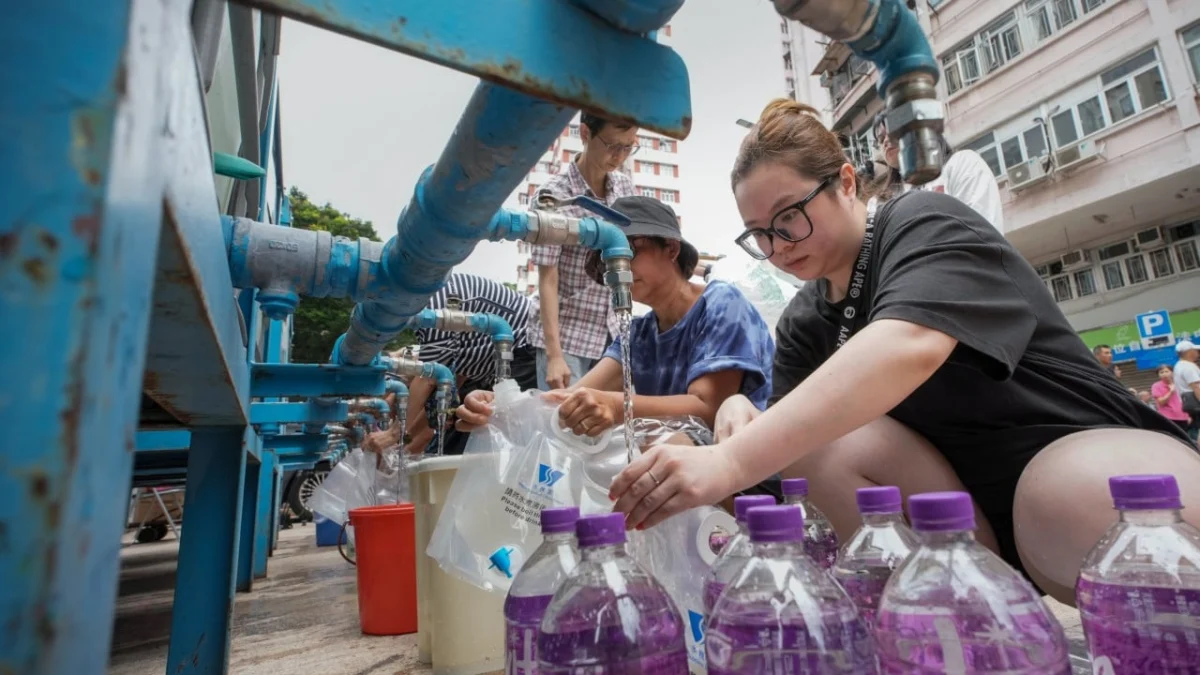
The disruption, while anticipated to last 24 hours, has a ripple effect across the affected communities. For residents, the absence of running water necessitates immediate adjustments to daily routines, including the storage of water for essential needs like drinking, cooking, and sanitation. Households with elderly members, young children, or individuals with specific medical needs may face particular challenges. Local authorities and community organizations are likely to be mobilizing to offer assistance and information to vulnerable residents.
Businesses in the affected areas, particularly those in the food and beverage sector, hospitality, and personal care services, will experience direct economic impacts. Restaurants will need to manage with limited water availability, potentially impacting their service capacity. Hotels may face challenges in maintaining hygiene standards. The WSD’s prompt communication, while providing a timeline for restoration, also serves as a reminder of the critical importance of robust and resilient urban infrastructure.
Background Context: Hong Kong’s Water Infrastructure
Hong Kong’s water supply system is a complex network of reservoirs, treatment works, and distribution pipelines, managed by the Water Supplies Department. The city relies heavily on imported water from mainland China, supplemented by local catchments. Maintaining the integrity of this aging infrastructure is a continuous challenge, with the WSD undertaking regular inspection and replacement programs.
Pipe bursts, while not uncommon in urban environments with extensive underground networks, can be particularly disruptive. Factors contributing to pipe failures include aging materials, ground movement, external stresses from construction or traffic, and corrosion. The WSD’s investment in advanced monitoring and repair technologies aims to mitigate these risks and minimize the frequency and duration of supply disruptions. The current incident, however, highlights the ongoing need for vigilance and proactive maintenance.
Official Responses and Community Support
The WSD’s swift response and clear communication have been central to managing the crisis. Chief Engineer Lin Tang-tai’s detailed explanation of the repair challenges demonstrates transparency and a commitment to informing the public. The department’s proactive coordination with other government agencies, such as the transport department and police, is crucial for minimizing the broader impact on the city’s mobility.
Local District Councilors representing the affected areas are expected to play a key role in liaising with residents and businesses, relaying concerns to the WSD, and advocating for necessary support measures. Community groups and volunteers may also step in to assist vulnerable populations with water collection and other essential needs during the outage.
Looking Ahead: Resilience and Future Preparedness
The incident serves as a stark reminder of the interconnectedness of urban life and the critical reliance on essential utilities. While the WSD is working diligently to restore services by Monday morning, the long-term implications include a potential review of the maintenance schedules for similar large-diameter pipes in densely populated areas.
Furthermore, the incident underscores the importance of public preparedness for water supply disruptions. The WSD often provides guidelines on water conservation and emergency preparedness, which may see renewed emphasis in the wake of this event. The ability of communities to adapt and cope with temporary utility outages is a measure of their resilience. As Hong Kong continues to develop and densify, the ongoing challenge of maintaining and upgrading its vital infrastructure will remain paramount, ensuring the continued supply of essential services to its millions of residents. The swift resolution of this 24-hour disruption will be a key indicator of the WSD’s operational efficiency and preparedness for such unforeseen events.