Hong Kong’s DSE Exam: Navigating a Competitive Landscape for Tertiary Education
The annual Hong Kong Diploma of Secondary Education (DSE) examination, a critical gateway to higher education for thousands of students, once again highlights a significant disparity between the number of candidates and the availability of subsidized undergraduate places in the city’s public universities. This year, with approximately 43,347 day-school candidates vying for a limited number of approximately 12,000 subsidized undergraduate spots at the eight public universities, the pressure on students to secure a place in their desired higher education path is immense. This stark reality compels a closer examination of the alternative pathways and opportunities available to the tens of thousands of graduates who may not gain admission to these highly sought-after public institutions.
The overwhelming desire for local tertiary education among Hong Kong’s youth is underscored by a recent survey conducted by education authorities. This survey revealed that a significant 85 percent of Form Six students in the 2024-25 cohort expressed a preference for pursuing local tertiary education. This broad category encompasses a range of qualifications, including bachelor’s degrees, sub-degrees, and diploma courses, indicating a widespread aspiration for post-secondary qualifications within the city. The South China Morning Post, in its continued commitment to providing comprehensive coverage of educational trends and student aspirations, delves into the diverse alternative pathways available to these graduates, offering a crucial resource for students, parents, and educators navigating this competitive academic terrain.
Expanding Horizons: Degree Options Beyond Public Universities
While the eight public universities remain the primary target for many DSE graduates, the landscape of higher education in Hong Kong is far more expansive. A substantial number of degree programmes are offered by self-financing tertiary institutions. These institutions play a pivotal role in broadening access to higher education and are increasingly supported by government initiatives aimed at addressing specific manpower needs within the economy.
One of the most significant governmental supports comes in the form of the Study Subsidy Scheme for Designated Professions and Sectors. This scheme provides crucial subsidies for students pursuing bachelor’s degree programmes in disciplines identified as having strong manpower demand. These designated areas are strategically chosen to align with Hong Kong’s economic development goals and future workforce requirements, ensuring that graduates are well-positioned for employment in key sectors.
Under this scheme, self-financing institutions offer approximately 3,425 first-year degree places across 47 distinct programmes. These programmes are hosted by eight designated self-financing institutions, providing a tangible and financially accessible route to a bachelor’s degree for a considerable number of students. The subsidy amounts vary, reflecting the diverse nature and resource requirements of different academic disciplines. For the upcoming academic year, the annual subsidy is set to range from HK$46,780 to HK$81,450. This substantial financial assistance is contingent upon the type of programme and whether it is laboratory-based, a factor that often influences the operational costs of academic delivery.
The range of disciplines covered by the Study Subsidy Scheme is strategically broad, designed to cater to the evolving needs of Hong Kong’s economy. These include critical sectors such as architecture and engineering, reflecting the city’s ongoing infrastructure development; computer science and financial technology, aligning with Hong Kong’s position as a global financial hub and its drive towards digital transformation; creative industries, recognizing the growing importance of cultural and design sectors; healthcare, addressing the increasing demand for medical professionals; insurance, a cornerstone of Hong Kong’s financial services; logistics, crucial for a major trading port; sports and recreation, promoting a healthier and more active lifestyle; testing and certification, essential for maintaining quality standards across industries; and tourism and hospitality, a perennial strength of the Hong Kong economy.
The Broader Tertiary Education Ecosystem
Beyond the government-subsidized programmes at self-financing institutions, a wider array of tertiary education options exists. These include sub-degree programmes (Higher Diploma and Diploma of Foundation Studies), associate degrees, and vocational training courses, all of which offer valuable pathways to skilled employment or further studies. These alternative routes are crucial for students whose academic profiles or career aspirations may not align with traditional university entry requirements.
Sub-degree Programmes: These programmes typically span two years and provide specialized knowledge and practical skills. Graduates can enter the workforce directly or articulate to the final year of a relevant bachelor’s degree programme, either locally or overseas. Institutions offering these programmes often have strong industry links, facilitating internships and work placements.
Associate Degrees: Similar to sub-degree programmes, associate degrees also offer focused training over a two-year period. They are designed to provide a solid foundation for either employment or transfer to a bachelor’s degree programme. The articulation pathways for associate degree holders are well-established, offering a structured route to a full degree.
Vocational and Professional Education and Training (VPET): VPET plays a vital role in equipping individuals with specific occupational skills. This includes a wide range of courses offered by the Vocational Training Council (VTC) and other private training providers. These programmes are often hands-on and directly linked to industry needs, leading to qualifications that are highly valued by employers. The VTC, for instance, offers a comprehensive suite of programmes from diploma to higher diploma and even bachelor’s degrees, catering to diverse learning needs and career aspirations.
The Competitive Landscape: A Statistical Overview
To fully appreciate the challenges and opportunities, it is essential to consider the numbers. The DSE examination is a significant undertaking, with its results serving as the primary determinant for admission to many tertiary programmes. The number of DSE candidates has remained consistently high over the years, reflecting the emphasis placed on academic achievement in Hong Kong society.
In 2023, for instance, over 50,000 candidates sat for the DSE. While the exact number for 2024 is still being finalized, the figure of 43,347 day-school candidates for the current year provides a clear indication of the scale of competition. When contrasted with the approximately 12,000 subsidized undergraduate places at public universities, it becomes evident that a substantial majority of students will need to explore alternative educational pathways.
The demand for higher education is not solely confined to public universities. Applications for self-financing institutions and other tertiary programmes are also robust. This sustained demand underscores a societal expectation that a post-secondary qualification is a prerequisite for career advancement and personal development.
Historical Context and Evolution of Tertiary Education Access
The current situation is a product of Hong Kong’s evolving educational landscape. In the past, access to higher education was even more limited. The establishment of the University Grants Committee (UGC) in 1965 marked a turning point, laying the foundation for a structured and expanding public university system. Over the decades, the UGC has overseen the growth of existing institutions and the establishment of new ones, significantly increasing the number of available places.
However, the rapid expansion of the student population, coupled with a strong cultural emphasis on university degrees, has consistently outpaced the growth in subsidized university places. This has led to periods of intense competition and prompted the government to encourage the development of self-financing institutions and alternative educational models.
The introduction of schemes like the Study Subsidy Scheme reflects a strategic response to this persistent challenge. By subsidizing specific programmes at self-financing institutions, the government aims to:
- Increase overall higher education capacity: Providing more options beyond the traditional public university system.
- Address skill shortages: Directing students towards disciplines with high future employment prospects.
- Enhance affordability: Making degree-level education more accessible to a wider range of students.
Reactions and Perspectives from Stakeholders
The competitive nature of DSE admissions and the subsequent search for alternative pathways often elicit varied reactions from different stakeholders.
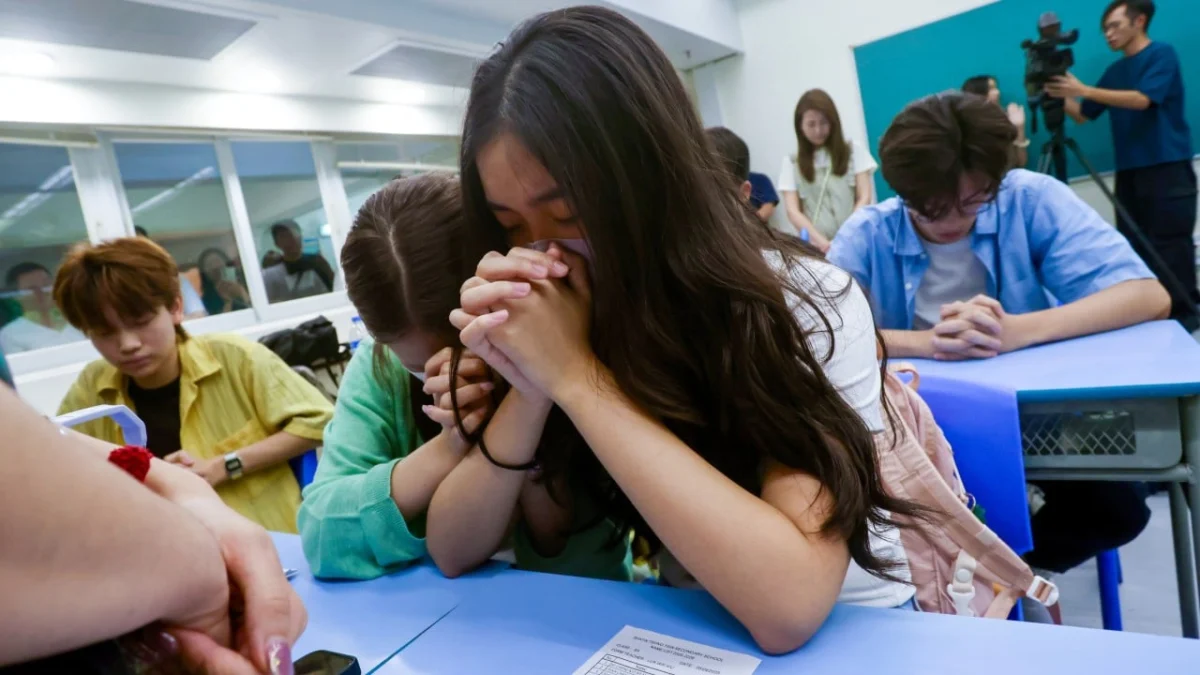
Students and Parents: For students, the DSE results can be a source of immense anxiety and anticipation. The pressure to achieve high scores is palpable, and the prospect of not securing a place in a public university can lead to disappointment. Parents, deeply invested in their children’s future, often grapple with the financial implications and the perceived prestige associated with different educational routes. Many are actively researching and considering the alternative options, seeking the best fit for their child’s abilities and aspirations.
Educational Institutions: Both public and self-financing institutions are keenly aware of the demand. Public universities strive to maintain high academic standards while managing limited resources. Self-financing institutions, on the other hand, are focused on developing attractive and relevant programmes, often with a stronger emphasis on vocational skills and employability, to draw in students. They actively promote their offerings and the benefits of their specific study pathways.
Government and Education Authorities: The Education Bureau and other relevant government bodies are tasked with balancing the supply and demand for higher education. They are responsible for developing policies, allocating resources, and implementing schemes like the Study Subsidy Scheme. Their aim is to create a diverse and robust higher education ecosystem that meets the needs of both individuals and the economy. Official statements often emphasize the value of all legitimate educational pathways and the importance of aligning study choices with career goals.
Analysis of Implications: Beyond the Degree
The implications of this competitive educational environment extend far beyond the immediate acquisition of a degree.
- Economic Impact: The government’s investment in subsidizing specific disciplines aims to cultivate a skilled workforce capable of driving economic growth. By directing students towards high-demand sectors, these initiatives can help alleviate future labor shortages and enhance Hong Kong’s competitiveness in the global arena.
- Social Mobility: While a university degree is often seen as a pathway to upward social mobility, the diversification of educational options can also create alternative routes to success. Graduates from vocational and sub-degree programmes, equipped with practical skills, can achieve fulfilling careers and contribute significantly to society.
- Student Well-being: The intense pressure associated with DSE exams and university admissions can take a toll on students’ mental health. A more nuanced understanding and promotion of diverse educational pathways can help alleviate some of this pressure by offering a broader spectrum of success metrics.
- Future of Work: As the job market evolves, the demand for specialized skills and adaptability is increasing. Educational institutions, including those offering alternative pathways, are adapting their curricula to meet these changing demands, focusing on critical thinking, problem-solving, and lifelong learning.
In conclusion, the Hong Kong DSE examination is more than just a test of academic knowledge; it is a critical juncture that necessitates careful consideration of a wide array of educational opportunities. While the allure of subsidized places in public universities remains strong, the growing number of self-financing institutions, coupled with government support for specific disciplines, offers a robust and increasingly accessible alternative for a significant portion of the student population. Navigating this complex landscape requires informed decision-making, a clear understanding of individual aspirations, and a recognition that a successful and fulfilling future can be forged through diverse educational pathways.