The International Organisation for Mediation’s Influence Expands Amidst Geopolitical Nuances
An intergovernmental body headquartered in Hong Kong dedicated to fostering international dispute resolution through mediation has significantly expanded its reach and impact. The International Organisation for Mediation (IOMed) has recently resolved at least one additional dispute, following a notable case involving parties from Singapore and mainland China. Concurrently, its operational framework has broadened, now encompassing 46 signatory states and 16 contracting states, underscoring a growing global endorsement of its mandate.
Teresa Cheng Yeuk-wah, secretary general of IOMed, provided an update on the organisation’s progress during a radio interview on Sunday. She acknowledged the persistent efforts required to explain IOMed’s work to potential stakeholders who may harbor reservations due to prevailing geopolitical sensitivities. Cheng expressed optimism, stating that these explanations have consistently led to understanding among a diverse range of parties, including national governments, multinational corporations, and various professional bodies and associations.
"According to my experience, they understand after our explanation," Cheng stated. "They include governments, corporations, as well as some professional groups or bodies. When you set aside political stances, I cannot think of anyone who could argue that mediation is a bad thing. Regardless of their nationality and the political stance of their nations, people I have been in touch with totally accept mediation after listening clearly and viewing objectively." This sentiment highlights IOMed’s core philosophy: that the pragmatic benefits of mediated resolution transcend political ideologies and national differences.
Genesis and Growth of IOMed
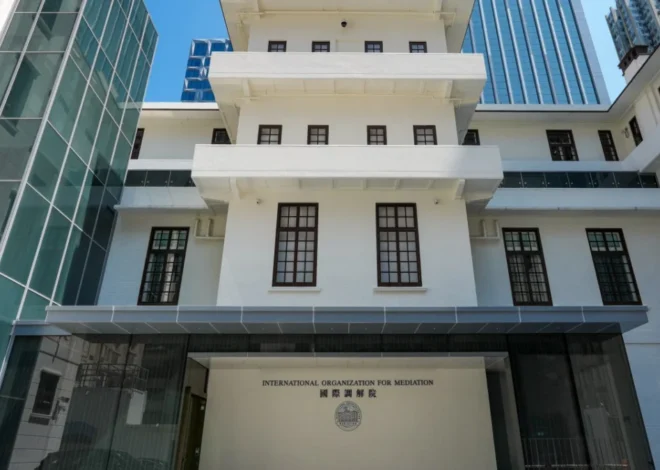
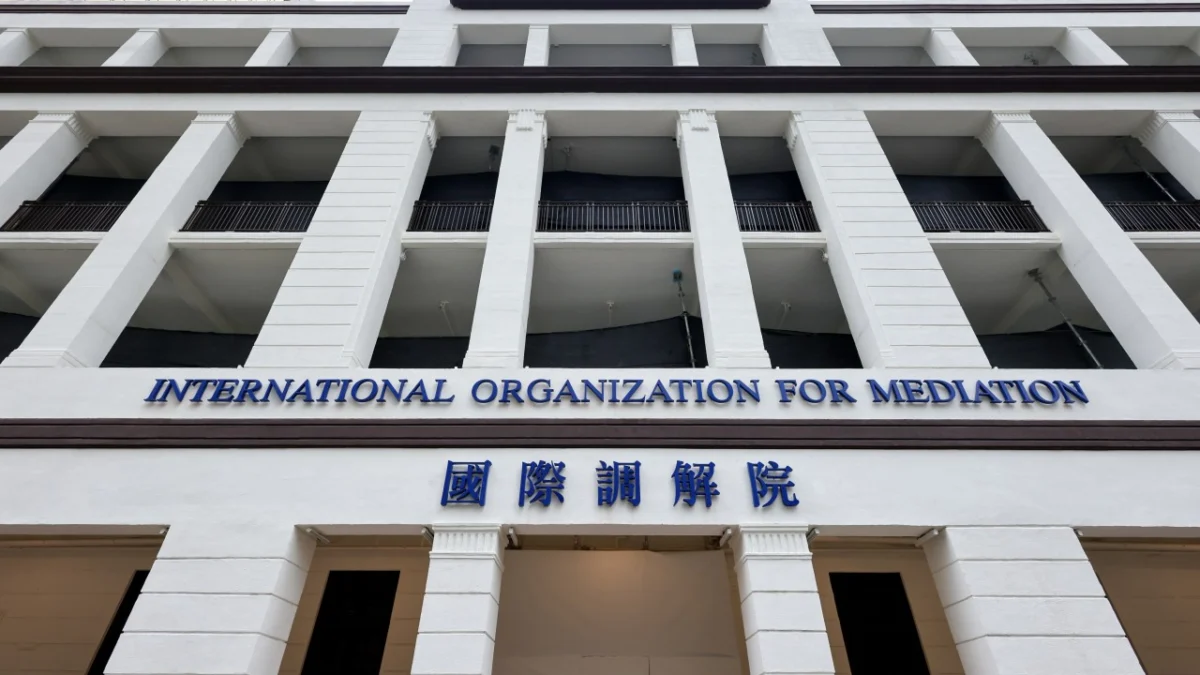
The China-led IOMed, established as the world’s first intergovernmental body exclusively focused on resolving international disputes via mediation, was officially inaugurated in Hong Kong in October of the preceding year. This milestone followed the signing of the convention for its establishment by participating countries in May of that same year. The establishment of IOMed represents a strategic move to provide a dedicated institutional framework for a dispute resolution mechanism that is often perceived as more flexible, cost-effective, and conducive to preserving relationships compared to traditional arbitration or litigation.
The convention establishing IOMed, a key document in its legal and operational foundation, outlines the principles, procedures, and governance structure of the organisation. It mandates that member states commit to promoting and utilizing mediation as a primary means of resolving international commercial and investment disputes. The growing number of signatory and contracting states reflects a collective recognition of the need for robust and accessible dispute resolution mechanisms in an increasingly interconnected global economy.
Expanding Diplomatic Reach and Outreach
Since its inception, IOMed has been actively engaged in diplomatic outreach to garner broader international support and understanding. Cheng reported that her team has already undertaken extensive visits to key regions, including Saudi Arabia, the United Arab Emirates, Algeria, Morocco, and Serbia. These missions are crucial for demystifying the organisation’s role and fostering trust among potential users and member states.
Looking ahead, IOMed plans to extend its outreach to Europe and North America, with upcoming visits scheduled for Austria, France, and the United States. These engagements are designed to further explain the benefits and operational modalities of IOMed, aiming to overcome any lingering hesitations and encourage greater participation. The organisation’s strategy appears to be one of persistent, fact-based communication, focusing on the practical advantages of mediation.
The Strategic Importance of Hong Kong as a Hub
The choice of Hong Kong as the headquarters for IOMed is strategically significant. Hong Kong’s established reputation as a global financial center and a neutral platform for international commerce and dispute resolution provides a fertile ground for such an organisation. Its well-developed legal infrastructure, multilingual workforce, and historical role as a bridge between East and West are all assets that IOMed can leverage. The city’s common law system and its existing ecosystem of legal and dispute resolution services further bolster its suitability.
The establishment of IOMed in Hong Kong also aligns with broader regional and global initiatives aimed at promoting multilateralism and enhancing the rule of law in international relations. By situating itself in a globally recognized hub, IOMed can enhance its visibility, accessibility, and credibility on the international stage.
Addressing Geopolitical Concerns and Building Trust
The secretary general’s comments on addressing "geopolitical concerns" are particularly noteworthy. In the current global landscape, international organisations often navigate complex political dynamics. IOMed’s approach of direct engagement and clear explanation aims to mitigate potential biases and build confidence. By emphasizing the universally beneficial nature of mediation – facilitating dialogue, finding common ground, and reaching mutually acceptable solutions – IOMed seeks to position itself as a pragmatic and apolitical facilitator of international accord.
The success of such an organisation hinges on its ability to demonstrate impartiality and effectiveness. The resolution of disputes, particularly those involving parties from diverse political and economic systems, serves as tangible evidence of its capabilities. The mention of a case involving Singapore and mainland China suggests that IOMed is already tackling disputes with cross-border implications that require sensitive handling. The fact that this was followed by at least one more resolution indicates a consistent delivery of services.
The Growing Landscape of International Dispute Resolution
IOMed enters a landscape that already includes established mechanisms for international dispute resolution, such as the International Court of Justice (ICJ) for state-to-state disputes, and various arbitration bodies like the International Chamber of Commerce (ICC) and the Permanent Court of Arbitration (PCA) for commercial and investment disputes. However, mediation offers distinct advantages. Unlike arbitration, which results in a binding award, mediation focuses on facilitating an agreement between the parties. This process is often less adversarial, allowing for greater flexibility in crafting solutions that may not be strictly permissible under traditional legal frameworks.
The rise of IOMed signifies a growing recognition of mediation’s potential to address a wider spectrum of international conflicts, moving beyond purely commercial disputes to potentially encompass broader diplomatic and political disagreements where parties are willing to engage in facilitated dialogue. The expansion to 46 signatory and 16 contracting states indicates a significant level of commitment from a substantial bloc of nations, suggesting a potential shift in how international disputes are approached.
Data and Trends in Mediation Adoption
While specific data on the number of disputes resolved by IOMed beyond the mentioned cases is not yet publicly detailed, the growth in its membership provides a key indicator of its increasing influence. The distinction between "signatory" and "contracting" states typically denotes different levels of commitment, with contracting states having formally ratified or acceded to the convention, thus being bound by its provisions and actively participating in the organisation’s governance and operations.
Globally, the use of mediation in commercial and civil disputes has seen a steady increase over the past two decades. Many jurisdictions have implemented court-annexed mediation programs, and international bodies are increasingly incorporating mediation clauses in treaties and agreements. This trend is driven by factors such as the desire for quicker and less expensive dispute resolution, the preservation of business relationships, and the flexibility to tailor solutions to specific circumstances. IOMed’s existence and expansion can be seen as part of this broader global movement towards embracing mediated solutions.
Implications and Future Outlook
The expanding influence of the International Organisation for Mediation has several potential implications:
- Enhanced Global Stability: By providing a dedicated platform for resolving international disputes, IOMed can contribute to greater predictability and stability in international relations and commerce.
- Economic Benefits: Efficient dispute resolution can reduce the costs and uncertainties associated with international trade and investment, thereby fostering economic growth.
- Promotion of Diplomacy: Mediation inherently encourages dialogue and understanding, potentially fostering more cooperative relationships between nations.
- Diversification of Dispute Resolution Tools: IOMed adds a vital intergovernmental layer to the global dispute resolution landscape, offering a specialized alternative to existing mechanisms.
The ongoing diplomatic efforts by IOMed, coupled with the increasing number of member states, suggest a strong trajectory for the organisation. Its ability to navigate the complexities of international politics while consistently demonstrating the efficacy of mediation will be critical to its long-term success. As global interconnectedness continues to grow, the demand for effective, flexible, and relationship-preserving dispute resolution mechanisms like those offered by IOMed is likely to remain robust. The organisation’s continued outreach and the tangible outcomes of its mediation efforts will be closely watched by the international community.