US Forces Launch Sixth Consecutive Night of Strikes Against Iran Amid Escalating Regional Tensions
US forces have executed a new wave of strikes against Iran, marking the sixth consecutive night of military action, the US military confirmed on Thursday, July 16, 2026. The operations, initiated around 2 p.m. ET, were conducted to "further degrade Iranian military capabilities," according to a statement released by US Central Command (CENTCOM) on its official X account. This sustained campaign underscores a significant escalation in the ongoing conflict, often referred to as the "War on Iran," which has gripped the region and raised global alarm.
The precision strikes are part of a broader response to a series of provocations and attacks attributed to Iranian-backed forces and the Iranian military itself against US interests and personnel in the Middle East. The stated objective of CENTCOM is to systematically dismantle Iran’s capacity to project power and threaten stability, particularly its drone and missile programs, which have been increasingly utilized in recent months. The sustained nature of these operations suggests a strategic shift towards a more aggressive posture aimed at weakening Iran’s military infrastructure and deterring future aggressions.
Background to the Escalation
The current series of US military actions did not emerge in a vacuum but are the culmination of mounting tensions and intermittent clashes that have characterized US-Iran relations for years. The period leading up to these strikes has seen a dangerous uptick in regional hostilities. Intelligence reports and satellite imagery over the past several months have indicated a significant enhancement of Iran’s ballistic missile arsenal and drone capabilities, alongside increased activity by its proxy forces across the Levant and the Arabian Peninsula.
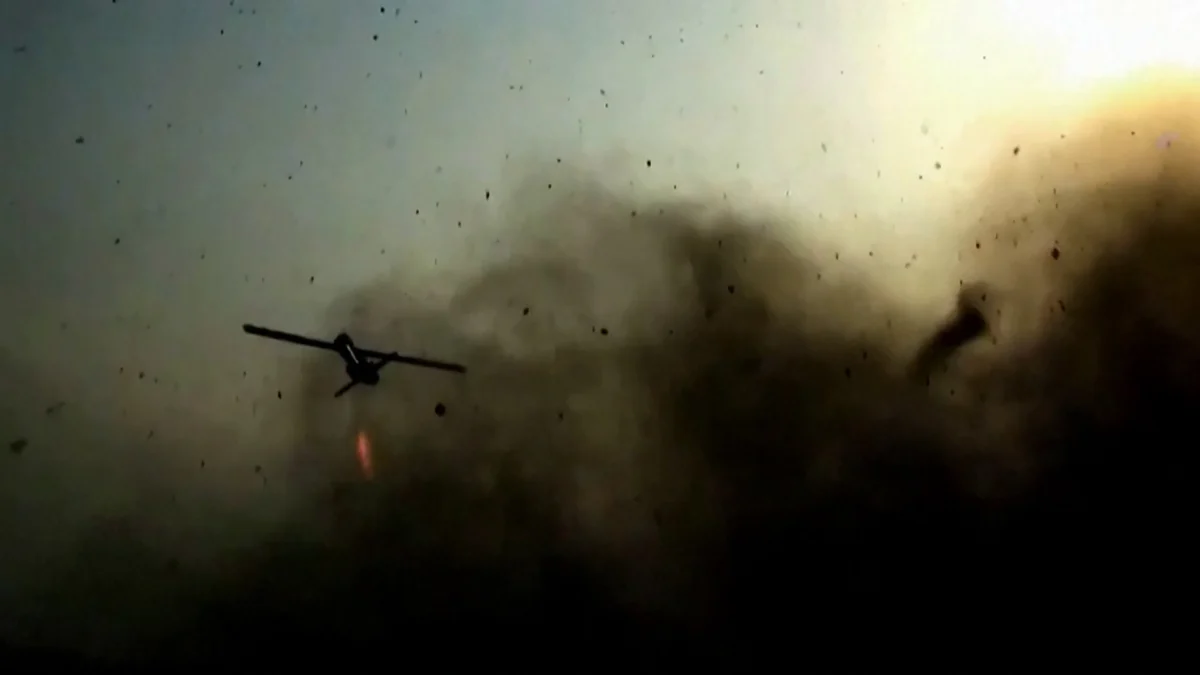
A pivotal incident that directly preceded this latest surge in US military response occurred on July 14, 2026. On this date, multiple reports confirmed drone attacks targeting US military facilities and personnel stationed in allied nations, specifically Kuwait and Bahrain. While details regarding casualties and specific damage remain under tight security wraps, the attacks were widely attributed to Iranian-backed militias, utilizing sophisticated unmanned aerial vehicles (UAVs) believed to be supplied and guided by Tehran. These attacks, coming after repeated warnings from Washington, appear to have served as the immediate catalyst for the sustained US retaliatory strikes. The image circulated in connection with these events, depicting potential Iranian targets in Kuwait and Bahrain, further highlights the critical nature of these drone assaults.
For weeks prior to July 14, maritime security in the Strait of Hormuz, a critical chokepoint for global oil supplies, had been severely tested by a series of incidents involving commercial shipping and naval encounters between Iranian Revolutionary Guard Corps (IRGC) vessels and international maritime forces. These incidents, coupled with heightened rhetoric from both Tehran and Washington, created an environment ripe for miscalculation and rapid escalation.
Chronology of Recent Military Actions
The US military campaign, now in its sixth consecutive night, began in earnest following the July 14 drone attacks. A detailed, though partially inferred, timeline of the recent strikes is as follows:

- July 14, 2026 (Tuesday): Iranian-backed forces launch drone attacks targeting US military installations in Kuwait and Bahrain. Specific details regarding casualties and damage are withheld, but the attacks are confirmed to have occurred. US intelligence and military command begin immediate assessment and planning for a retaliatory response.
- July 15, 2026 (Wednesday) – Night 1: US forces launch the first wave of retaliatory strikes against specific targets within Iran. These initial strikes are reported to have focused on drone launch sites and command-and-control centers identified as being directly involved in the July 14 attacks.
- July 16, 2026 (Thursday) – Night 2: US forces conduct a second series of strikes, expanding the target list to include components of Iran’s ballistic missile infrastructure and additional drone manufacturing or storage facilities. CENTCOM issues a preliminary statement acknowledging ongoing operations to "degrade Iranian military capabilities."
- July 17, 2026 (Friday) – Night 3: Strikes continue, reportedly targeting naval assets and coastal defense systems belonging to the IRGC, particularly those believed to pose a threat to maritime navigation in the Persian Gulf.
- July 18, 2026 (Saturday) – Night 4: US military operations broaden, focusing on logistical hubs and communication nodes used by the IRGC and associated militias. This phase aims to disrupt their ability to coordinate and resupply.
- July 19, 2026 (Sunday) – Night 5: Air and naval assets are again deployed, striking targets that include identified training camps for proxy forces and subterranean facilities suspected of housing advanced weaponry.
- July 20, 2026 (Monday) – Night 6 (as per CENTCOM tweet dated July 16, 2026, referring to "today"): US Central Command announces the latest wave of strikes, confirming the sixth consecutive night of operations. The focus remains on further degrading Iranian military capabilities, indicating a sustained and systematic campaign rather than a one-off punitive action. The reference to "today" in the CENTCOM tweet implies that the tweet itself was posted on the 6th day of strikes.
This methodical and continuous targeting suggests a strategy to inflict significant damage on Iran’s military apparatus, aiming to reduce its operational capacity and deter future aggressive acts.
Supporting Data and Military Analysis
The US military’s current strategy appears to involve a multi-domain approach, leveraging its formidable air and naval superiority in the region. Assets deployed likely include a combination of:
- Air Power: Stealth fighter jets such as F-22 Raptors and F-35 Lightnings, along with F-15E Strike Eagles and F-16 Fighting Falcons, operating from regional airbases (e.g., Al Udeid in Qatar, Prince Sultan Air Base in Saudi Arabia, and undisclosed locations in Kuwait and UAE). Long-range bombers like B-52 Stratofortresses, potentially operating from outside the immediate theatre, could also be employed for stand-off attacks. These aircraft are equipped with precision-guided munitions, including Joint Direct Attack Munitions (JDAMs) and various cruise missiles, designed to minimize collateral damage while maximizing target destruction.
- Naval Assets: Carrier Strike Groups, if present in the Persian Gulf or Arabian Sea, would provide a potent platform for F/A-18 Super Hornet operations. Destroyer and cruiser-class vessels are capable of launching Tomahawk land attack missiles, offering another layer of precision strike capability against fixed targets. Submarines could also play a covert role in reconnaissance and potentially special operations.
- Intelligence, Surveillance, and Reconnaissance (ISR): A robust ISR network, including drones like the MQ-9 Reaper and U-2 Dragon Lady spy planes, as well as satellite intelligence, would be crucial for target identification, damage assessment, and real-time battle management.
The objective of "degrading Iranian military capabilities" encompasses several strategic goals:
- Deterrence: To signal to Iran that its aggressive actions will be met with severe consequences, thereby dissuading future attacks.
- Damage Assessment: To physically dismantle key components of Iran’s military infrastructure, particularly its asymmetric warfare capabilities such as drone and missile programs, which pose a direct threat to regional US allies and international shipping.
- Protection of US Personnel and Interests: To create a safer operational environment for US forces and allied personnel by eliminating threats at their source.
- Imposing Costs: To demonstrate that continued belligerence will incur significant economic and military costs for the Iranian regime, potentially influencing its strategic calculations.
Military analysts suggest that these strikes are meticulously planned to avoid escalation into a full-scale conventional war while still achieving strategic objectives. However, the risk of miscalculation remains inherently high in such a volatile environment.
Official Responses and International Reactions
The escalating conflict has elicited strong reactions from various stakeholders:
- United States: Beyond CENTCOM’s terse updates, US officials from the Pentagon and State Department have consistently framed the strikes as defensive and proportionate responses to Iranian aggression. Secretary of Defense, General Mark Milley, stated in a press briefing that the US "will take all necessary measures to protect our forces and interests in the region and ensure the free flow of commerce." White House Press Secretary has reiterated calls for Iran to cease its destabilizing activities, emphasizing that the US seeks de-escalation but will not hesitate to act decisively.
- Iran: Iranian state media and high-ranking officials have vehemently condemned the US strikes as acts of "state terrorism" and a violation of Iranian sovereignty. Foreign Minister Hossein Amirabdollahian warned of a "decisive and crushing response" to any further aggression, while the IRGC commander, Major General Hossein Salami, vowed to make the US "regret its actions." Tehran has also reportedly lodged formal complaints with the United Nations Security Council, accusing the US of instigating regional instability.
- Regional Allies (Kuwait, Bahrain, Saudi Arabia, UAE): Nations hosting US forces have expressed deep concern over the escalating tensions. While generally supportive of US efforts to counter Iranian threats, they have also called for restraint and de-escalation. Statements from the Kuwaiti and Bahraini foreign ministries emphasized the importance of regional stability and urged all parties to prioritize diplomatic solutions. Saudi Arabia and the UAE, while condemning Iranian proxies, have privately urged caution to avoid a wider conflagration that could destabilize their own economies and security.
- International Bodies: The United Nations Secretary-General, António Guterres, has repeatedly called for an immediate cessation of hostilities and a return to dialogue, warning of the catastrophic humanitarian and economic consequences of a full-blown regional conflict. The European Union has expressed "grave concern" and dispatched high-level diplomatic envoys to Tehran and Washington in an attempt to de-escalate the situation, advocating for a diplomatic resolution to prevent further bloodshed and stabilize global energy markets. China and Russia have also urged restraint, with Russia’s Foreign Ministry criticizing the US actions as "counterproductive" and "destabilizing."
Broader Impact and Implications
The ongoing US strikes against Iran carry significant implications across geopolitical, economic, and humanitarian dimensions:
- Geopolitical Impact: The "War on Iran" represents a critical juncture for regional stability. A prolonged military confrontation could draw in other regional and international actors, potentially leading to a wider proxy war or even direct state-on-state conflict. It risks unraveling existing diplomatic efforts and exacerbating existing fault lines in the Middle East, with repercussions for global security alliances and power dynamics. The conflict could also solidify or fragment regional alliances as nations are forced to choose sides or navigate a complex geopolitical landscape.
- Economic Implications: The immediate economic consequence is likely to be a surge in global oil prices, given the strategic importance of the Persian Gulf and the Strait of Hormuz for oil transit. Shipping insurance premiums for vessels operating in the region have already skyrocketed, disrupting supply chains and increasing costs for consumers worldwide. Foreign investment in the Middle East is likely to plummet, and regional economies, already grappling with various challenges, could face severe downturns. The global economy, still recovering from other crises, is ill-equipped to handle such a significant shock to its energy supply and trade routes.
- Humanitarian Concerns: Any sustained military conflict inevitably leads to humanitarian crises. The potential for civilian casualties, displacement of populations, and destruction of infrastructure in Iran and potentially neighboring countries is a grave concern. Access to humanitarian aid could be severely hampered, and the long-term impact on public health, education, and social stability could be devastating, echoing the consequences of previous conflicts in the region.
- Diplomatic Fallout: The current military actions severely undermine any existing channels for dialogue between the US and Iran, pushing diplomatic solutions further out of reach. It could lead to increased isolation of Iran on the international stage, potentially driving it closer to other geopolitical rivals of the West. Conversely, it could also harden Iran’s resolve, making it less amenable to future negotiations.
- Military Readiness and Resource Strain: For the US, a prolonged campaign in the Middle East would place significant strain on military resources, personnel, and budgets, potentially impacting its ability to respond to other global threats. For Iran, the continued degradation of its military capabilities could weaken its defensive posture and ability to project power, but also potentially drive it towards more unconventional or desperate measures.
The sixth consecutive night of US strikes against Iran marks a critical escalation in a long-simmering conflict. While CENTCOM maintains its objective is to degrade Iranian military capabilities and ensure regional stability, the sustained nature of the campaign underscores the profound risks of miscalculation and the potential for a wider, more devastating conflict in a region already accustomed to turmoil. The international community watches with bated breath, urging de-escalation and a return to diplomatic solutions before the situation spirals beyond control.

Related Posts
Over 150 Israeli Settlers Storm Al-Aqsa Compound and Perform Prayers, Violating Status Quo Under Police Protection.
UN Report Highlights Over 900 Obstacles Hampering West Bank Aid Amid Escalating Humanitarian Crisis