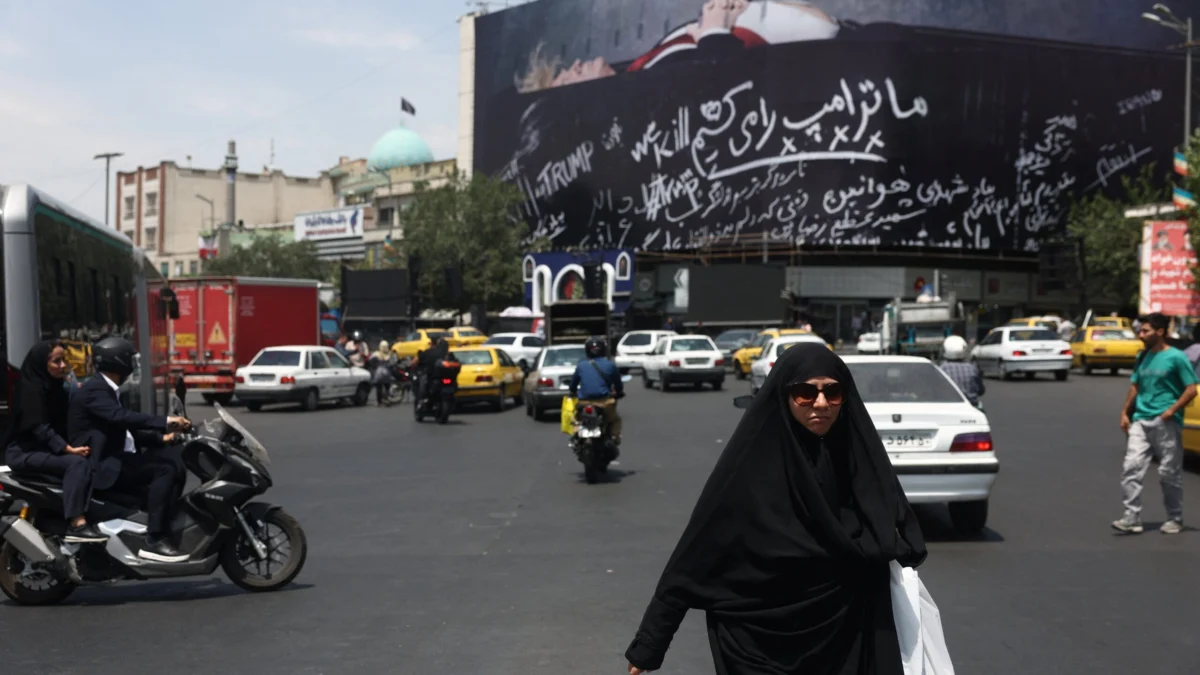
Emergency Water Delivery Begins for 10,000 Iranians After US Strike on Desalination Plant
Emergency delivery of drinking water commenced across approximately 20 Iranian villages, impacting a population of around 10,000 individuals, following a reported United States strike on a vital desalination plant in the port city of Jask, located in Iran’s southeastern Hormozgan province. The incident, which occurred on Friday night, resulted in a severe disruption to the region’s primary water supply, prompting an immediate and extensive humanitarian response from Iranian authorities.
Immediate Response and Scope of the Crisis
The state-run Islamic Republic News Agency (IRNA) reported that Iranian officials, including Mohmmad Jamaleddini, the governor of Jask, confirmed the initiation of emergency water supplies. This critical effort involves the deployment of mobile water tankers and the utilization of alternative, albeit temporary, water sources to mitigate the burgeoning humanitarian crisis. Governor Jamaleddini expressed confidence that a stable water supply would be fully restored within a week, underscoring the urgency and concerted nature of the recovery operations. The affected villages, primarily located in the arid and strategically significant Jask region, are now entirely reliant on these emergency measures for their daily water needs, ranging from drinking and cooking to sanitation.
The strike on the Jask desalination plant represents a significant escalation in regional tensions, drawing international attention to the vulnerability of critical civilian infrastructure in conflict zones. Desalination plants are essential for survival in arid coastal regions, and their incapacitation can lead to immediate and widespread humanitarian distress, impacting public health, economic activity, and social stability.
Chronology of Events Leading to the Crisis
The precise details surrounding the alleged US strike remain a point of international contention and investigation. However, based on Iranian reports, the sequence of events unfolded as follows:
- Friday Night (Date not specified in original, but reported as July 18, 2026, in IRNA tweet): A US strike reportedly targeted the desalination plant situated near Jask. The nature of the strike—whether it involved air-to-surface missiles, drone attacks, or cyber warfare impacting control systems—has not been fully detailed by Iranian sources. The immediate consequence was the cessation of operations at the plant, cutting off the primary source of potable water for numerous communities.
- Saturday Morning: Iranian authorities, including local and provincial emergency services, confirmed the damage to the desalination plant and the subsequent disruption of water supply to the affected villages. Initial assessments of the damage began, alongside the activation of emergency response protocols.
- Saturday Afternoon/Evening: The first wave of emergency water deliveries commenced. Mobile tankers, sourced from various municipalities and potentially military logistics units, began transporting water from alternative, less affected sources to the most critically impacted villages. Local aid organizations and the Iranian Red Crescent Society were mobilized to assist in distribution and assess immediate humanitarian needs.
- Ongoing Efforts: As of the latest reports, emergency operations are continuing round-the-clock, focusing on ensuring equitable distribution, establishing temporary water points, and initiating preliminary repair assessments for the damaged desalination facility. Governor Jamaleddini’s projection of a one-week timeline for restoration indicates the severity of the damage but also the concerted effort being put forth.
The Strategic Importance of Jask and Hormozgan Province
Hormozgan province, situated on the southern coast of Iran, holds immense strategic importance due to its proximity to the Strait of Hormuz, a critical choke point for global oil shipments. Jask, a port city within this province, is a burgeoning economic hub and has been designated by Iran as a strategic oil export terminal, intended to reduce reliance on the Bandar Abbas port and provide an alternative route for oil exports, bypassing the narrowest part of the Strait. This strategic significance makes any attack on its infrastructure particularly provocative.
The region’s climate is predominantly arid to semi-arid, making reliable access to fresh water a constant challenge. Desalination plants, which convert seawater into potable water, are thus not merely conveniences but existential necessities for the coastal populations and their economic activities, including fishing, limited agriculture, and industrial development. The Jask desalination plant, prior to the strike, was a cornerstone of the regional water infrastructure, supporting both residential consumption and local industries. Its estimated capacity, though not specified in initial reports, would have been significant enough to sustain a population of 10,000 across multiple villages, underscoring its critical role.
Humanitarian Impact and Supporting Data
The disruption of water supply to 10,000 people in 20 villages poses a severe humanitarian challenge. Access to clean water is fundamental for public health and sanitation. Without it, communities face an elevated risk of waterborne diseases, including cholera, typhoid, and dysentery, especially in areas with limited medical infrastructure. Children, the elderly, and those with pre-existing health conditions are particularly vulnerable.
- Public Health Risks: The World Health Organization (WHO) emphasizes that lack of safe drinking water and sanitation contributes significantly to preventable diseases. In emergency situations, the incidence of diarrheal diseases can surge dramatically.
- Daily Life Disruption: Beyond health, the absence of piped water severely disrupts daily life. Women and children often bear the burden of fetching water from distant sources, impacting school attendance and economic productivity.
- Economic Repercussions: Local economies, heavily reliant on fishing and small-scale agriculture, will suffer. Water scarcity impacts livestock, crop irrigation, and the processing activities associated with the fishing industry, leading to potential food insecurity and loss of livelihoods.
- Psychological Stress: The uncertainty and struggle for basic necessities can lead to significant psychological stress within affected communities.
Iran, as a nation, has long grappled with water scarcity, with per capita renewable water resources significantly below the global average. The country has heavily invested in desalination technology to address this deficit, particularly in its southern provinces. The Jask plant was part of this broader national strategy to ensure water security, making its destruction a setback for long-term development goals.
Official Statements and International Reactions (Inferred)
Governor Mohmmad Jamaleddini’s statements to IRNA serve as the primary official Iranian response, focusing on immediate action and reassurance. His commitment to restoring stable water supply within a week reflects the government’s recognition of the severity of the crisis and its determination to alleviate suffering.
While the original report does not detail US statements or international reactions, such an event would inevitably trigger a cascade of diplomatic activity:
- Iranian Condemnation: Tehran would undoubtedly issue strong condemnations of the strike, characterizing it as an act of aggression against civilian infrastructure and a violation of international law. They would likely call for an investigation and reparations.
- US Justification/Denial: The United States would either deny involvement, offer a justification (e.g., targeting dual-use infrastructure, pre-emptive strike against perceived threats, retaliation for a prior event), or remain silent. Any justification would be highly scrutinized.
- International Bodies: The United Nations, particularly the Security Council and humanitarian agencies like UNICEF and OCHA, would likely express grave concern over the targeting of civilian infrastructure and the humanitarian impact. Calls for de-escalation and adherence to international humanitarian law would be anticipated.
- Allies and Adversaries: US allies might express concern privately or publicly, urging restraint. Regional adversaries might seize the opportunity to condemn the US or express solidarity with Iran.
- NGOs: Humanitarian organizations worldwide would likely issue appeals for aid and condemn attacks on critical civilian infrastructure, irrespective of the perpetrator.
The timing of the strike, given ongoing geopolitical tensions between the US and Iran, particularly concerning regional proxies, nuclear ambitions, and maritime security in the Persian Gulf, would place it within a broader context of an already strained relationship.
Infrastructure Vulnerability and Broader Implications
The targeting of a desalination plant highlights the increasing vulnerability of critical civilian infrastructure in modern conflicts. Such facilities are often central to national security, public health, and economic stability. Their destruction can have far-reaching consequences beyond the immediate area of attack.
- Precedent for Future Conflicts: This incident could set a dangerous precedent, potentially normalizing the targeting of essential civilian infrastructure, leading to broader humanitarian catastrophes in future conflicts.
- International Law: Under international humanitarian law, particularly the Geneva Conventions and their Additional Protocols, attacks on objects indispensable to the survival of the civilian population are generally prohibited. This includes facilities like water treatment plants. The legal ramifications of such a strike would be significant and could lead to calls for war crimes investigations.
- Economic Cost of Recovery: Beyond the immediate humanitarian aid, the cost of repairing or rebuilding a sophisticated desalination plant is substantial. This financial burden would strain Iran’s already challenged economy, diverting resources from other development projects.
- Long-Term Trust and Stability: Such actions erode trust, exacerbate hostilities, and make diplomatic solutions more difficult to achieve, pushing the region further towards instability. It also reinforces perceptions of external threats, potentially leading to further militarization.
Road to Recovery and Long-Term Outlook
Governor Jamaleddini’s one-week timeline for restoring a stable water supply, while ambitious, indicates a robust, concentrated effort. This would likely involve:
- Rapid Damage Assessment: Technical teams are likely working to determine the extent of damage to the plant’s core components (e.g., reverse osmosis membranes, pumps, power units).
- Temporary Fixes: Where possible, engineers might attempt temporary bypasses or repairs to restore partial functionality.
- Sourcing Parts and Expertise: Depending on the damage, acquiring specialized parts and expertise for repairs, especially under international sanctions, could prove challenging.
- Enhanced Alternative Sourcing: The "alternative sources" mentioned could include deeper wells, tapping into regional water pipelines, or even shipping water from other coastal cities.
However, even if water supply is restored within a week, the long-term impact on the affected communities and the broader region remains significant. The psychological trauma, economic disruption, and the lingering threat of future attacks on critical infrastructure will persist. The incident serves as a stark reminder of the devastating human cost when geopolitical tensions spill over into attacks on civilian necessities. The international community will be closely watching the recovery efforts and the diplomatic fallout from this significant escalation.

Related Posts
Over 150 Israeli Settlers Storm Al-Aqsa Compound and Perform Prayers, Violating Status Quo Under Police Protection.
UN Report Highlights Over 900 Obstacles Hampering West Bank Aid Amid Escalating Humanitarian Crisis