Philippines Faces Unprecedented Climate Dualities as Record Strength El Niño Threatens Food Security and Disaster Recovery Efforts
The Philippines is currently navigating a precarious "extreme weather trap" as meteorological forecasts confirm the arrival of one of the most intense El Niño cycles in modern history. While the phenomenon is traditionally associated with prolonged dry spells and catastrophic drought, the unique geographical positioning of the archipelago means the coming months will likely be characterized by a volatile mix of extreme aridity and localized torrential flooding. This climatic instability arrives at a moment of profound vulnerability for the nation, which is still reeling from a sequence of high-magnitude seismic events and devastating tropical cyclones.
Suresanathan Murugesu, the country director of Action Against Hunger in the Philippines, has warned that the convergence of these environmental stressors represents a systemic threat to the country’s most vulnerable populations. The timing is particularly critical; the Philippines is currently attempting to facilitate recovery efforts for communities shattered by last year’s Typhoon Tino, as well as two significant tectonic disasters: a major earthquake in Cebu in September 2025 and a massive 7.8-magnitude earthquake that struck Mindanao just last month.
A Chronology of Compounding Disasters
The current crisis is not an isolated event but the culmination of a multi-year cycle of environmental shocks. To understand the gravity of the present situation, it is necessary to examine the timeline of events that have depleted the nation’s resilience reserves.
In late 2024 and throughout 2025, the Philippines experienced an unusually active typhoon season, headlined by Typhoon Tino. This storm caused extensive damage to infrastructure and agriculture across the Visayas and Southern Luzon, displacing hundreds of thousands of residents. While reconstruction efforts were underway, the tectonic stability of the region faltered. In September 2025, a powerful earthquake struck the province of Cebu, causing significant urban damage and disrupting the economic hub of the central Philippines.
The situation escalated dramatically last month when a 7.8-magnitude earthquake struck Mindanao. This event, one of the strongest to hit the region in decades, resulted in widespread loss of life, the collapse of critical infrastructure, and the total disruption of local food supply chains. With many survivors still living in temporary shelters and relying on emergency aid, the onset of a record-breaking El Niño threatens to turn a difficult recovery process into a protracted humanitarian emergency.
The Science of the El Niño Weather Trap
El Niño, characterized by the unusual warming of surface waters in the central and eastern Pacific Ocean, fundamentally alters global atmospheric circulation. For the Philippines, this typically results in a significant reduction in rainfall across much of the country. However, the "weather trap" mentioned by experts refers to the phenomenon where the atmospheric shifts also create conditions for intense, short-duration rainfall events and erratic storm tracks.
The United Nations and the World Meteorological Organization (WMO) have issued a series of alerts indicating that this El Niño cycle, projected to persist well into 2027, could be the strongest in several decades. The peak of the cycle is expected toward the end of the current year, but the preliminary effects are already being felt. The shifting pressure gradients mean that while the western parts of the country may face severe water shortages, the eastern seaboard could be subjected to unexpected surges of tropical moisture, leading to flash floods and landslides in areas where the soil has been loosened by recent seismic activity.
Agricultural Devastation and Economic Impact
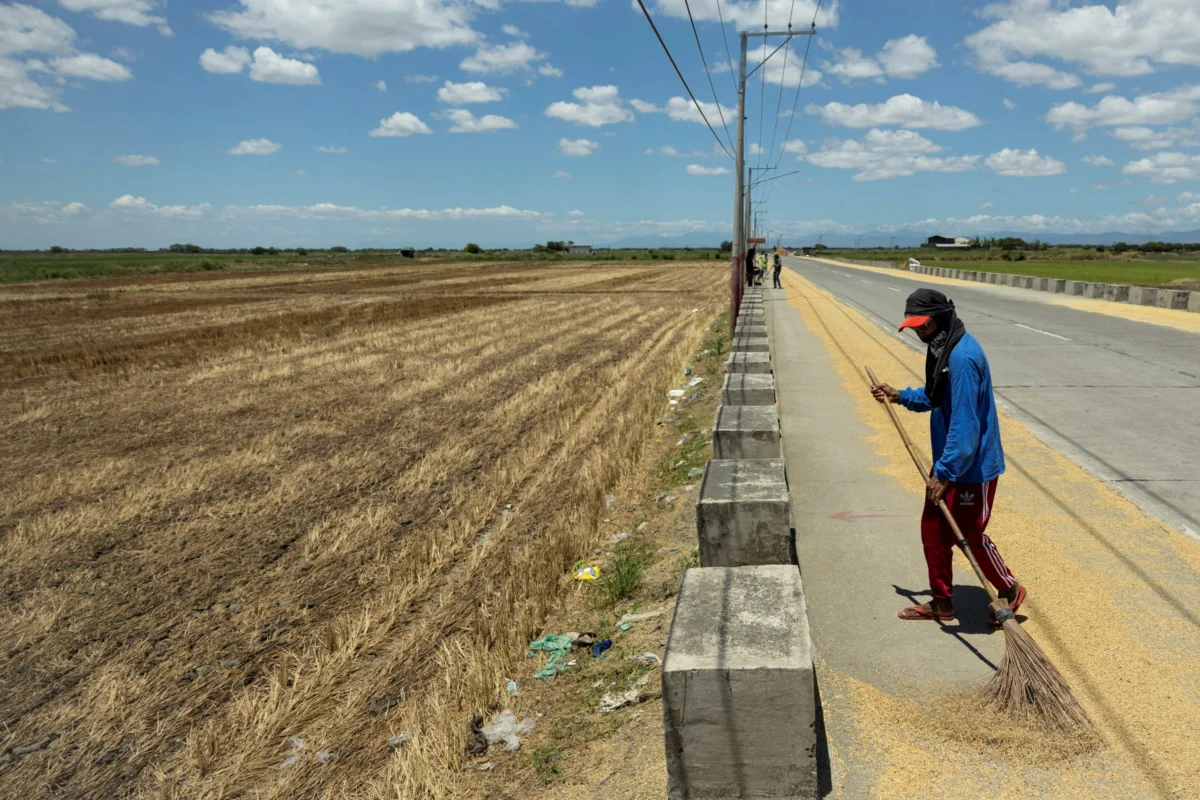
The economic toll of the current weather patterns is already substantial. Preliminary estimates suggest that agricultural losses have reached nearly €30 million (£25.9 million), a figure that is expected to climb as the drought intensifies. The Philippines’ agricultural sector, which remains a cornerstone of the national economy and the primary source of livelihood for millions, is particularly susceptible to these changes.
Current data indicates that approximately 4 million farmers are at immediate risk of losing their livelihoods. The disruption of the planting season for staple crops such as rice and corn has raised concerns regarding national food security. In provinces like Nueva Ecija and Isabela—often referred to as the "rice granaries" of the Philippines—water levels in irrigation dams have begun to drop to critical lows.
The impact extends beyond crop failure. The livestock sector is facing increased heat stress and water scarcity, while the fisheries sector is grappling with rising sea temperatures that affect coral reef health and fish migration patterns. For a country where food inflation is a sensitive political and social issue, the reduction in domestic yields is likely to necessitate increased reliance on expensive imports, further straining the national budget.
Humanitarian Concerns and Official Responses
Action Against Hunger and other international non-governmental organizations (INGOs) are sounding the alarm regarding the nutritional status of children in affected areas. When agricultural productivity drops, food prices inevitably rise, forcing low-income households to reduce the quality and quantity of their meals. In the wake of the Mindanao earthquake, where thousands are already in a state of food insecurity, the El Niño-induced drought could trigger a sharp rise in acute malnutrition.
"We are looking at a situation where the poorest families are being hit by a triple blow: the loss of their homes to earthquakes, the loss of their crops to drought, and the loss of their safety nets due to rising costs," stated a representative from a coalition of humanitarian agencies.
The Philippine government has responded by activating "Task Force El Niño," a multi-agency body designed to coordinate mitigation efforts. The Department of Agriculture (DA) has begun distributing drought-resistant seeds and implementing "cash-for-work" programs to provide temporary income for displaced farmers. Additionally, the National Disaster Risk Reduction and Management Council (NDRRMC) is working to ensure that water rationing protocols are in place for urban centers, including Metro Manila, where reservoir levels are being monitored daily.
However, critics argue that the response must go beyond immediate relief. There are growing calls for long-term investments in climate-resilient infrastructure, such as expanded rainwater harvesting systems, solar-powered irrigation, and the development of more robust early-warning systems that can account for the "dual-threat" nature of modern El Niño events.
Regional and Global Implications
The crisis in the Philippines is a microcosm of a broader trend affecting Southeast Asia. Neighboring countries, including Vietnam, Thailand, and Indonesia, are also reporting significant disruptions to their agricultural sectors due to the current El Niño cycle. As the world’s largest rice-exporting region, any prolonged production deficit in Southeast Asia has the potential to destabilize global food markets and increase prices across the globe.
The United Nations’ warning that this could be the strongest El Niño in decades aligns with broader climate change projections. Scientific consensus suggests that while El Niño is a natural cycle, its effects are being amplified by rising global temperatures. Warmer oceans provide more energy for the atmospheric shifts that drive these extreme weather patterns, making droughts longer and storms more erratic.
Analysis: The Path to Resilience
The current situation highlights a critical gap in international climate finance and disaster preparedness. The Philippines is frequently cited as one of the most disaster-prone countries in the world, yet the funding for "loss and damage" often arrives only after a catastrophe has occurred. Experts argue that a proactive approach, focused on "anticipatory action," is required.
Anticipatory action involves using weather forecasts to trigger humanitarian funding and protective measures before the peak of a disaster. For example, providing farmers with drought-tolerant seeds or cash transfers weeks before a predicted dry spell can prevent the total collapse of a household’s economy.
Furthermore, the dual threat of earthquakes and climate-driven weather events necessitates a more integrated approach to urban and rural planning. Building codes in earthquake-prone areas like Cebu and Mindanao must now also account for the increased risk of landslides during the sudden, heavy rainfall events associated with this El Niño "trap."
As the Philippines enters the most intense phase of this climatic event, the resilience of its people is once again being tested. The coming months will require a sustained and coordinated effort from the national government, international donors, and local communities to navigate the complex challenges of a warming world. The €30 million in agricultural losses recorded thus far may only be the beginning of a much larger economic and humanitarian challenge that will define the region’s stability through 2027.

Related Posts
Constitutional Court of South Africa Bars Shell Oil Exploration in Landmark Victory for Environmental and Community Rights

The Battle for Saldanha Bay: South Africa’s Ambitious Ocean Economy Strategy Faces Legal and Environmental Reckoning