Guatemala Declares Orange Alert for Danger as Volcán de Fuego Erupts Violently
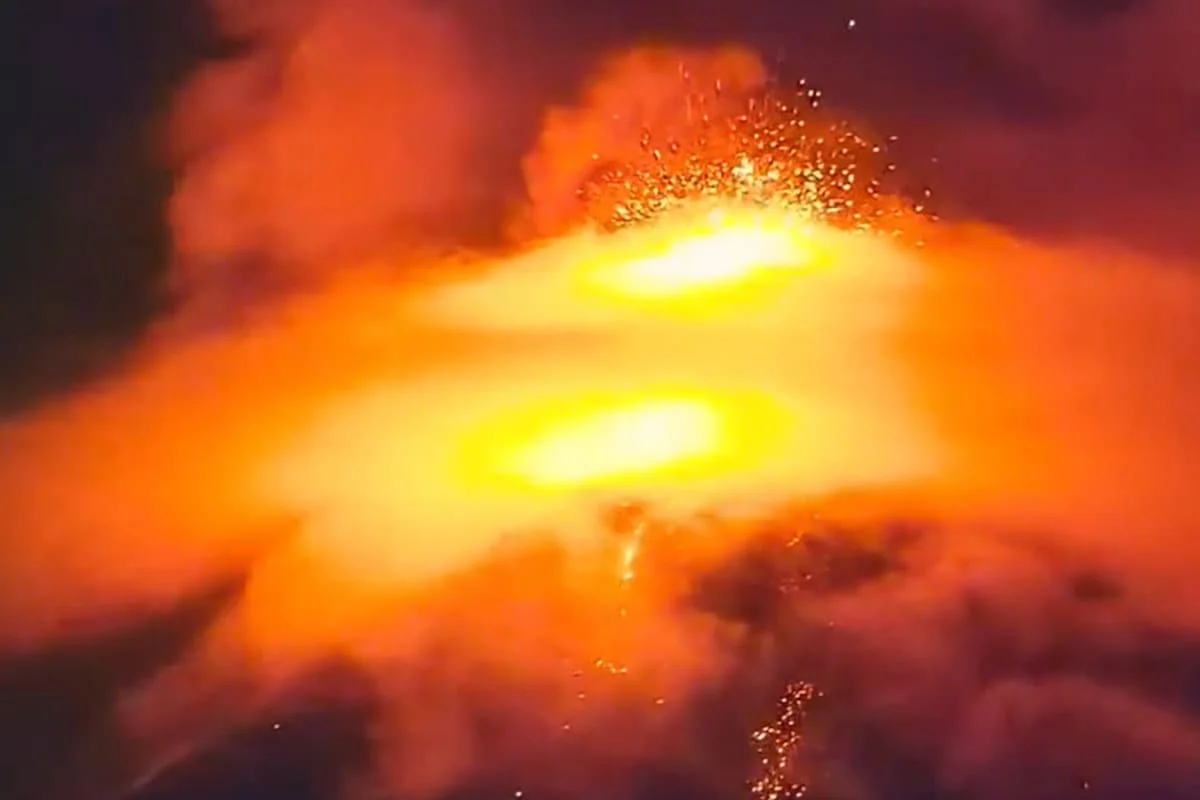
CIUDAD DE GUATEMALA – Authorities in Guatemala have elevated the national alert status to "orange" for danger, a level preceding a full state of emergency, following a powerful eruption of the Volcán de Fuego, located perilously close to the nation’s capital. The volcanic activity, which began with significant expulsions of lava flows and massive columns of gas and ash, intensified overnight and into the early morning hours. The Volcán de Fuego, a stratovolcano situated approximately 35 kilometers southwest of Guatemala City, is renowned as Central America’s most active volcano, and its current unrest has triggered immediate response measures.
Escalating Volcanic Activity and Official Response
The Guatemalan state agency responsible for disaster reduction, the National Coordinator for Disaster Reduction (Conred), officially announced the orange alert through its social media channels, signaling a heightened state of preparedness and risk. This declaration signifies a critical phase where potential impacts on surrounding populations and infrastructure necessitate proactive measures. In response to the escalating situation, Conred initiated the evacuation of two communities situated in close proximity to the volcanic massif on Monday evening.
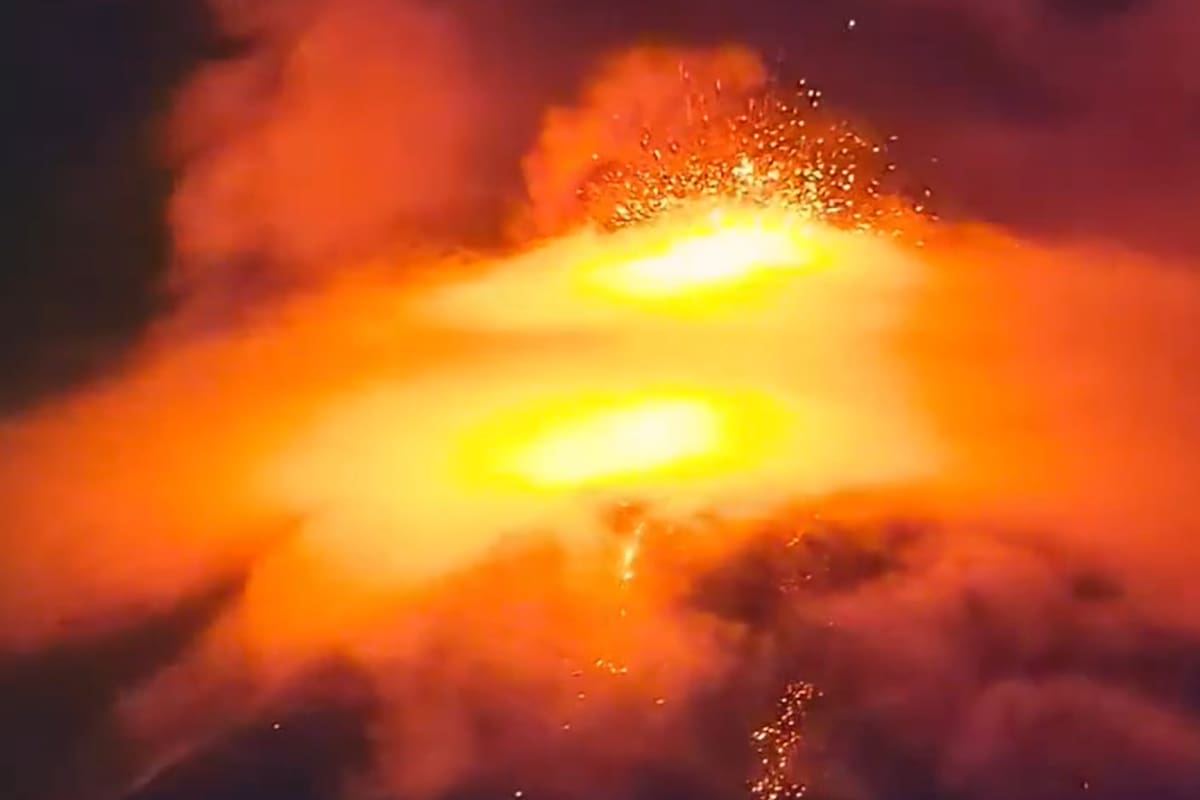
The eruption has been characterized by persistent, powerful explosions that have propelled an immense column of ash reaching an estimated altitude of up to 6,000 meters (approximately 19,700 feet). Simultaneously, incandescent lava flows have been observed cascading down the flanks of the 3,763-meter-high (12,346 feet) volcano. These pyroclastic flows, a dangerous mixture of superheated gas, ash, and rock fragments, pose a significant threat to areas downslope from the summit.
Scientific Monitoring and Expert Analysis
Technical information disseminated by the National Institute of Seismology, Volcanology, Meteorology, and Hydrology (Insivumeh) confirms that the Volcán de Fuego continues to exhibit intense activity. The institute’s monitoring indicates a sustained emission of volcanic gases, ashfall, and the generation of pyroclastic flows that are descending through the Seca and Ceniza ravines. The dispersal of volcanic ash is impacting nearby communities, prompting authorities to maintain constant vigilance over the evolving eruption.
Insivumeh’s reports typically detail seismic activity, including volcanic tremors, as well as the volume and direction of ash plumes. The current eruption’s characteristics suggest a significant magmatic event, potentially involving the expulsion of substantial volumes of molten rock and volcanic debris. The height of the ash column indicates that ashfall could affect a wide geographical area, including agricultural lands and populated centers, depending on prevailing wind patterns.
Preparedness and Evacuation Measures
In light of the increased volcanic threat, Conred has issued a series of crucial recommendations to residents in and around the affected zones. These directives emphasize the importance of immediate safety measures, including:
- Avoiding Hazard Zones: Residents are strongly advised not to approach ravines or remain in areas identified as high-risk due to potential pyroclastic flows or lahars (volcanic mudflows).
- Self-Evacuation Protocol: The principle of self-evacuation is being promoted, encouraging individuals and families to act swiftly based on their assessment of immediate danger and official guidance.
- Family Response Plans: Residents are urged to review and activate their pre-established Family Response Plans, which outline procedures for communication, shelter, and movement during emergencies.
- Emergency Preparedness Kits: The readiness of a "72-hour backpack" or emergency kit is paramount. These kits typically contain essential supplies such as water, non-perishable food, first-aid supplies, a flashlight, batteries, and important documents, designed to sustain individuals for a minimum of three days.
The ongoing monitoring of volcanic activity includes tracking changes in seismic patterns, gas emissions, and the physical behavior of the volcano. This data is critical for refining hazard assessments and guiding evacuation decisions.
Broader Impact and Historical Context
The Volcán de Fuego’s frequent and often violent eruptions have had a profound impact on the region throughout history. Its proximity to densely populated areas, including the capital city and the historic city of Antigua Guatemala, presents a perennial challenge for disaster management. The volcano’s conical shape and its caldera have been shaped by numerous eruptions over millennia, contributing to its reputation as a highly dynamic geological feature.
Historically, significant eruptions of Volcán de Fuego have resulted in widespread ashfall, disruption of transportation, and damage to agricultural infrastructure. In 2018, a particularly devastating eruption of Volcán de Fuego led to a catastrophic pyroclastic flow that tragically killed hundreds of people and displaced thousands more, highlighting the extreme dangers associated with this volcano. The scale and intensity of that event remain a stark reminder of the Volcán de Fuego’s destructive potential.
The current eruption, while not yet reaching the catastrophic proportions of 2018, is a serious concern. The orange alert signifies that the situation is dynamic and could escalate, necessitating a high level of readiness from both authorities and the public.
Infrastructure and Transportation Disruptions
In addition to the immediate threat to life and property, volcanic eruptions can have significant logistical and economic consequences. The dispersal of ash can disrupt air travel, forcing flight cancellations and delays. Local roads and highways can become impassable due to ashfall or mudflows, hindering emergency response efforts and the movement of essential supplies.
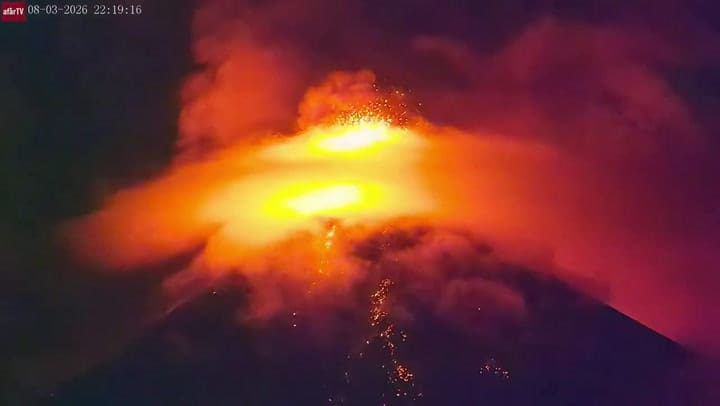
As a precautionary measure, municipal firefighters from La Antigua Guatemala have been actively assisting in the evacuation of families from the village of El Porvenir. These residents are being relocated to a designated shelter established by Conred. Furthermore, as a preventative measure to ensure public safety, the National Route 14 has been closed off starting at 9 PM, due to the observed descent of pyroclastic material originating from the volcano. This closure is critical to prevent any potential casualties from falling debris or the dangerous pyroclastic flows.
Community Resilience and International Cooperation
The resilience of communities living in the shadow of active volcanoes like Volcán de Fuego is a testament to their deep understanding of the risks and their capacity for adaptation. However, sustained volcanic activity places immense pressure on these communities and requires robust support from national and international agencies.
Conred’s role in coordinating disaster response is crucial, involving not only immediate emergency services but also long-term recovery and mitigation strategies. This includes hazard mapping, public education campaigns, and the development of early warning systems. International cooperation can also play a vital role, providing technical expertise, financial assistance, and resources for disaster preparedness and response.
Looking Ahead: Continuous Monitoring and Preparedness
The current eruption of Volcán de Fuego serves as a potent reminder of the Earth’s powerful geological forces. The declaration of the orange alert underscores the seriousness of the situation and the need for continued vigilance. Authorities are engaged in constant monitoring of the volcano’s activity, utilizing a range of scientific instruments and observational techniques to assess its behavior.
The focus remains on ensuring the safety of the population through timely evacuations, effective communication, and the provision of essential support services. The lessons learned from past eruptions are informing current strategies, with an emphasis on proactive risk reduction and community preparedness. As the situation evolves, the commitment to transparency and accurate information dissemination by agencies like Conred and Insivumeh will be paramount in guiding the public and mitigating potential harm. The coming hours and days will be critical in assessing the full extent of this volcanic event and its potential ramifications for Guatemala. The nation holds its breath, hoping for a de-escalation of activity while remaining steadfast in its preparedness for the unpredictable nature of the Volcán de Fuego.

Related Posts

The Electric Vehicle Battery Health Debate Emerges as Argentina’s EV Market Accelerates

President Donald Trump Confirms Secret Departure from Turkey Amidst Assassination Threat