Mother and Son Jailed After Violent Altercation at Changi Airport Involving Police Officer and Bystander
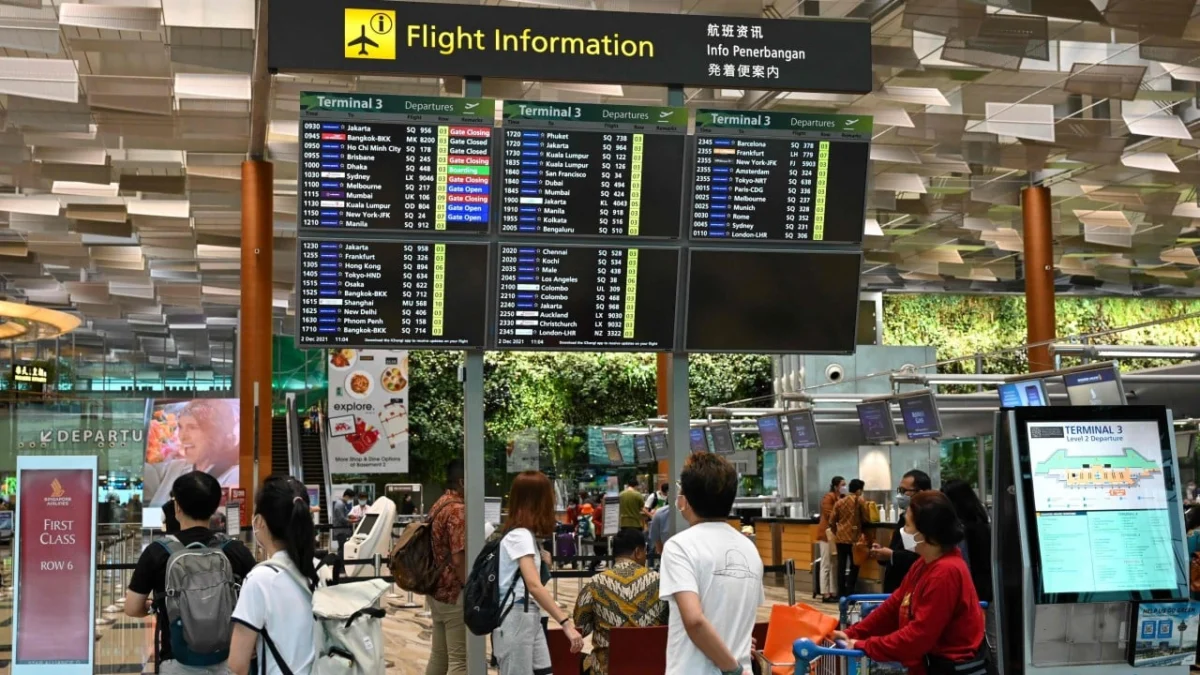
A Singaporean court has imposed jail sentences on a Hong Kong mother and her adult son for their roles in a disturbing incident at Changi Airport that saw a police officer and a bystander subjected to physical assault. The court handed down a six-month prison sentence to Chan Sui-kwan, 65, for voluntarily causing hurt to deter a public servant from discharging their duty, while her son, Chan Wing-kwan, 42, received a 10-day jail term for voluntarily causing hurt. The convictions stem from a chaotic series of events that unfolded in Terminal 3 of the renowned international hub on the afternoon of June 30, 2024, highlighting the challenges faced by law enforcement and airport staff in maintaining order in high-pressure environments.
A Descent into Disorder: The Chronology of the Airport Incident
The sequence of events, as detailed in court documents and corroborated by witness accounts, paints a picture of escalating aggression and a breakdown of civility. The incident reportedly began when Chan Wing-kwan, the 42-year-old son, developed a sudden and unwarranted sense of grievance. He became agitated, mistakenly believing that other passengers nearby were mocking him. This misplaced perception triggered an immediate and startling display of aggression as he physically assaulted his own mother, 65-year-old Chan Sui-kwan, by kicking her.
The initial physical altercation drew the attention of those present. A 69-year-old bystander, witnessing the unusual assault on an elderly woman, intervened with the intention of checking on her welfare. However, his attempt to offer assistance was met with hostility. The mother, Chan Sui-kwan, allegedly instructed the bystander to disengage and leave her and her son alone. Simultaneously, her son, Chan Wing-kwan, escalated the confrontation by aggressively challenging the bystander, reportedly daring him to engage in a physical fight.
The volatile situation did not de-escalate. Instead, it shifted to another section of Terminal 3, where the father-son duo continued their disruptive behaviour. In a further display of aggression, Chan Wing-kwan once again assaulted his mother, kicking her for a second time. The bystander, concerned by the ongoing violence and the potential for further harm, attempted to contact the authorities by calling the police. This action proved to be a catalyst, provoking a direct physical response from Chan Wing-kwan. The son, apparently enraged by the bystander’s attempt to involve law enforcement, rushed towards him, initiating a physical confrontation.
It was at this critical juncture that Singapore Police Force officers, alerted to the disturbance, arrived on the scene to restore order. Their intervention, however, was met with further resistance and aggression. During the ensuing struggle to apprehend the individuals and control the situation, the son, Chan Wing-kwan, bit a police officer on the arm. This act of biting a public servant while they are performing their duties is a serious offense, underscoring the direct challenge posed to the authority and safety of law enforcement personnel. The mother, Chan Sui-kwan, was also implicated in the assault on the police officer, contributing to the charges that led to her conviction.
Legal Ramifications and Sentencing
The court proceedings revealed the gravity of the offenses committed by the mother and son. Chan Sui-kwan was convicted of voluntarily causing hurt to deter a public servant from discharging their duty. This charge specifically addresses the deliberate infliction of harm with the intent to obstruct a police officer’s lawful actions. The severity of this offense is reflected in the six-month jail sentence imposed. Her conviction highlights the legal framework in Singapore that provides robust protection for law enforcement officers in the execution of their duties, with significant penalties for those who resist or assault them.
Her son, Chan Wing-kwan, faced a charge of voluntarily causing hurt. This offense pertains to the physical assaults he committed against both the bystander and his mother, as well as potentially his actions towards the police officer, though the specific charges may have been consolidated. For his role in the physical altercations, he was sentenced to 10 days in prison. While this sentence is shorter than his mother’s, it still signifies the court’s acknowledgement of his culpability and the disruptive nature of his actions.
Broader Context: Airport Security and Public Order
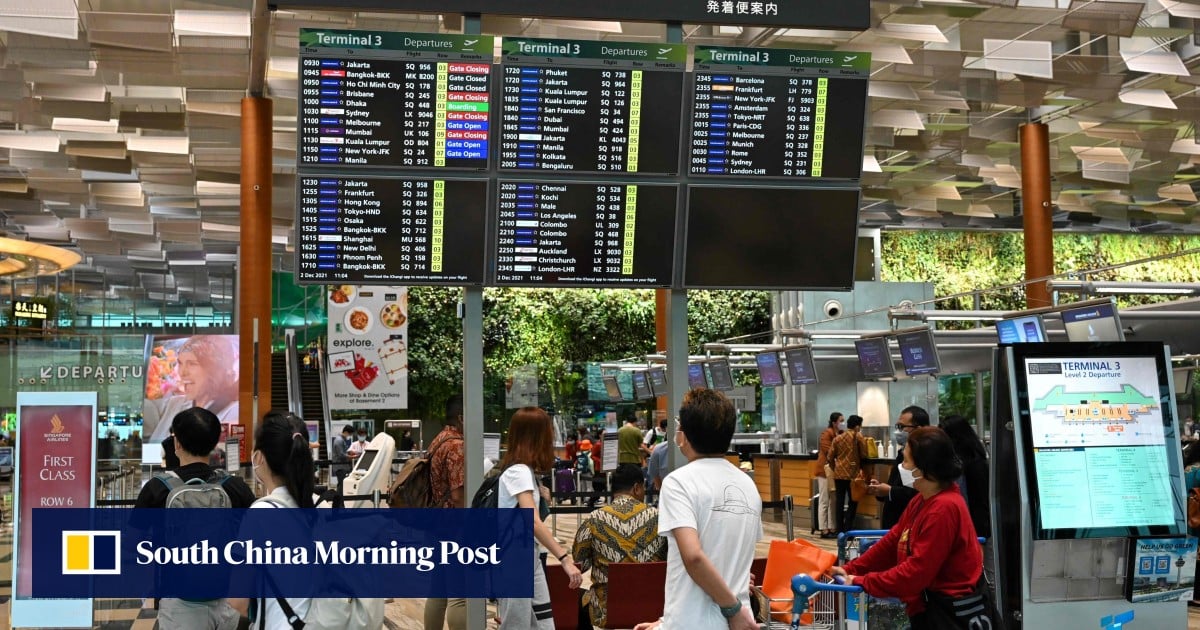
The incident at Changi Airport, a global benchmark for efficiency and passenger experience, serves as a stark reminder of the inherent complexities in managing large, dynamic public spaces. Airports are not only transit hubs but also micro-societies where diverse individuals converge, often under stressful conditions. The pressure of travel, potential delays, and the sheer volume of people can, in isolated instances, contribute to heightened emotions and conflict.
Changi Airport has consistently been ranked among the world’s best airports, celebrated for its operational excellence, passenger amenities, and stringent security measures. However, even in such meticulously managed environments, human behaviour can lead to unforeseen incidents. This case underscores the importance of the constant vigilance and training of airport security personnel and law enforcement officers, who are tasked with de-escalating conflicts, managing disruptive passengers, and ensuring the safety of millions of travellers annually.
The legal repercussions for Chan Sui-kwan and Chan Wing-kwan also bring to light the legal framework in Singapore that prioritizes public order and the protection of its citizens and public servants. The nation has a reputation for strict enforcement of laws, particularly concerning offenses against police officers and public safety. The swift judicial process and the imposition of custodial sentences serve as a clear message regarding the consequences of such behaviour within the nation’s borders.
Analysis and Implications
The sentencing of the mother and son carries several implications. Firstly, it reinforces the zero-tolerance approach towards violence and obstruction of law enforcement in Singapore. The conviction of Chan Sui-kwan for causing hurt to deter a public servant emphasizes the seriousness with which such offenses are viewed, particularly within a critical infrastructure like an international airport.
Secondly, the incident highlights the vulnerability of bystanders and the crucial role they sometimes play, albeit with inherent risks. The 69-year-old bystander’s initial attempt to intervene, while met with aggression, ultimately contributed to the situation being addressed by authorities. This case might prompt discussions on bystander intervention protocols and the support systems available for individuals who step in to assist in public disturbances.
Thirdly, the behaviour of the son, Chan Wing-kwan, characterized by unfounded paranoia and aggression, could point to underlying issues that may require further examination. While the court focused on the immediate offenses, such outbursts in public spaces can sometimes be indicative of broader psychological or behavioural challenges, though this is purely speculative without further information.
Finally, the incident serves as a case study for airport authorities worldwide. It underscores the need for robust de-escalation training for staff, clear protocols for handling unruly passengers, and effective communication channels with law enforcement. The ability to manage and resolve conflicts swiftly and professionally is paramount to maintaining the reputation and operational integrity of any major international airport. The physical assault on an officer also brings into sharp focus the occupational hazards faced by law enforcement personnel globally. The Singaporean judicial response, in this instance, demonstrates a commitment to upholding the safety and authority of its police force.