Live Blog Update| War on Iran: Houthi Forces Claim Strike on Saudi Oil Vessel in Gulf of Aden Amidst Heightened Regional Tensions
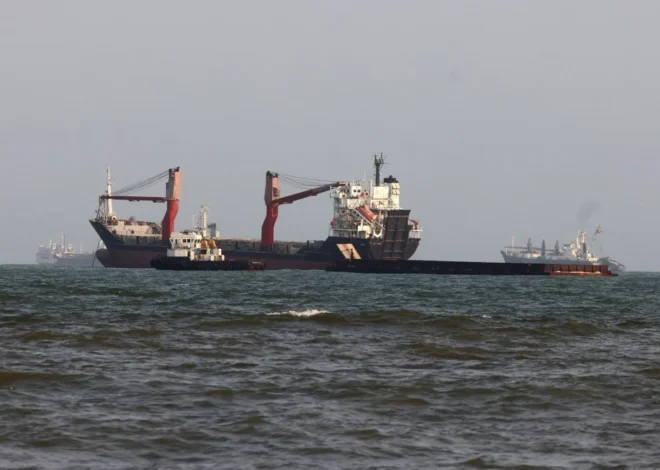
Yemen’s Houthi rebels have claimed responsibility for targeting a Saudi oil vessel in the Gulf of Aden, a critical maritime choke point, according to a statement released by the group’s military spokesperson on Wednesday, August 5, 2026, at approximately 19:28 BST. This assertion comes amidst a broader landscape of regional instability, frequently characterized as a "War on Iran" due to the complex web of proxy conflicts and geopolitical rivalries involving Saudi Arabia, Iran, and their respective allies. While Saudi Arabia has yet to officially confirm or deny the alleged strike, the incident follows an alert from UK Maritime Trade Operations (UKMTO), which reported that a vessel in the vicinity had experienced a "loud explosion" in close proximity, lending credence to the Houthi claim and immediately raising concerns about the security of international shipping lanes.
Broader Regional Context: The "War on Iran" and Yemen’s Conflict
The alleged attack is not an isolated incident but rather a significant development within the protracted Yemeni Civil War, which itself is widely viewed as a proxy battleground in the overarching regional rivalry between Saudi Arabia and Iran. The Houthi movement, officially known as Ansar Allah, has been locked in conflict with the internationally recognized Yemeni government since 2014, with a Saudi-led coalition intervening in March 2015 to restore the government and counter what it perceives as Iranian expansionism. The "War on Iran" narrative underscores the deep-seated sectarian and geopolitical struggle for dominance in the Middle East, with Tehran supporting various non-state actors, including the Houthis, to project influence and challenge the regional order dominated by Saudi Arabia and its allies.
Roots of the Yemeni Civil War
The Yemeni conflict originated from internal political grievances following the Arab Spring uprisings, but it quickly morphed into a regional proxy war. The Houthis, a Zaydi Shia group from northern Yemen, seized the capital Sana’a in late 2014, prompting President Abdrabbuh Mansur Hadi to flee. The Saudi-led coalition, comprising several Arab states and backed by Western powers, launched Operation Decisive Storm with the stated aim of restoring Hadi’s government and curbing Iranian influence, which it alleges is funneled through the Houthis. Despite years of military intervention, the conflict remains stalemated, causing one of the world’s worst humanitarian crises, with millions displaced and facing famine. The Houthis, in turn, have frequently retaliated against Saudi Arabia and its allies, often targeting critical infrastructure and shipping.
The Strategic Importance of Maritime Routes
The Gulf of Aden, where the alleged attack occurred, is a crucial maritime gateway, forming the primary route for ships transiting the Suez Canal to and from Asia. It leads into the Bab al-Mandeb strait, a narrow passage connecting the Red Sea to the Indian Ocean, through which an estimated 10% of the world’s seaborne trade and a substantial portion of global oil and gas supplies pass daily. Any disruption in this area has immediate and far-reaching implications for global energy markets, insurance premiums, and international supply chains. Attacks on shipping in these waters are not just a threat to regional stability but pose a direct challenge to global economic security. The targeting of an oil vessel specifically underscores the Houthis’ capability and intent to disrupt vital energy flows, intensifying the economic dimension of the ongoing conflict.
Chronology of the Incident and Past Maritime Aggressions
The Houthi claim on August 5, 2026, is the latest in a series of incidents highlighting the volatile security situation in the region. Understanding this event requires placing it within a timeline of similar aggressions.
The August 5th Incident
The sequence of events on August 5, 2026, began with the UKMTO issuing an alert based on a report from a vessel in the Gulf of Aden. The report detailed that "people on a vessel heard a ‘loud explosion’ in close proximity to it" in the stated area, suggesting an external impact or a near miss. While UKMTO’s alerts are typically neutral and do not attribute blame, they serve as critical warnings to mariners operating in high-risk zones. Shortly thereafter, the Houthi military spokesperson released a statement asserting that their forces had successfully targeted a Saudi oil vessel. The lack of immediate confirmation from Saudi authorities is typical in such situations, as Riyadh often conducts thorough investigations before issuing official statements, especially concerning sensitive infrastructure or military operations.
A History of Houthi Maritime Attacks
Since the intensification of the Yemeni conflict, Houthi forces have repeatedly demonstrated their capacity to target maritime assets, utilizing a combination of anti-ship missiles, explosive-laden drones, and remote-controlled boats.
- 2018: Houthis launched attacks on Saudi oil tankers in the Bab al-Mandeb strait, leading Saudi Arabia to temporarily suspend oil shipments through the strait, causing a brief spike in global oil prices. These incidents underscored the vulnerability of maritime trade to Houthi capabilities.
- 2019: Several suspected drone and missile attacks, attributed by Saudi Arabia to Houthi rebels and their Iranian backers, targeted oil facilities and shipping. While many were intercepted, the frequency demonstrated a persistent threat.
- 2020-2025: Throughout this period, there were intermittent reports of Houthi attempts to target vessels, including commercial ships and Saudi naval assets. Many of these attempts were thwarted by coalition forces, but the persistent threat kept shipping insurance premiums high and necessitated increased naval patrols. The Houthis also periodically launched ballistic missiles and drones deep into Saudi territory, targeting critical infrastructure like oil refineries and airports, further demonstrating their reach and intent to inflict economic pain.
- Early 2026: Before the current incident, there were reports of increased Houthi activity near the Red Sea, with intelligence agencies warning of potential renewed focus on maritime targets following perceived escalations in the wider "War on Iran" proxy confrontations.
These historical precedents illustrate a clear pattern of Houthi attempts to disrupt Saudi oil exports and exert pressure on the Saudi-led coalition by targeting vital economic interests and strategic pathways.
Official Responses and International Reactions
The immediate aftermath of such an incident typically involves a flurry of unconfirmed reports, official statements, and expressions of concern from various stakeholders.

Houthi Assertions and Saudi Silence
The Houthi military spokesperson, often Brigadier General Yahya Saree, typically issues statements on such operations, framing them as legitimate acts of defense or retaliation against the Saudi-led coalition’s "aggression" and blockade of Yemen. These statements are usually disseminated through official Houthi media channels and social media. The specific wording often emphasizes precision targeting and the group’s continued capability to strike deep into enemy territory, both land and sea.
In contrast, Saudi Arabia’s official response has historically been more measured. In the absence of immediate confirmation, Riyadh often maintains silence while assessing the situation, deploying naval assets for investigation, and prioritizing the safety of its vessels and personnel. Should the attack be confirmed, Saudi Arabia would likely condemn it as a terrorist act, reiterate its commitment to protecting its sovereign interests and international shipping, and potentially vow retaliation. The strategic silence allows for a controlled information flow, preventing panic and allowing for a comprehensive response plan.
UKMTO’s Role and Alerts
UKMTO, based in Dubai, serves as a crucial point of contact for mariners in the Gulf and Red Sea. Its alerts are designed to provide factual, unverified information quickly to help other vessels assess risks and take necessary precautions. The alert issued on August 5th, reporting a "loud explosion," is typical of their protocols. These warnings are vital for maintaining maritime safety and preventing incidents that could further destabilize global trade routes. Naval forces in the region, including the Saudi-led coalition, often use UKMTO alerts to coordinate their responses and enhance maritime security operations.
Global Concerns for Shipping Security
Beyond the immediate parties, the international community, particularly shipping associations and energy market analysts, will be closely monitoring developments. Organizations like the International Chamber of Shipping (ICS) and various maritime insurance underwriters are likely to express deep concern over any confirmed attack. Previous incidents have led to calls for increased naval presence and cooperation to safeguard international waters. Countries reliant on Middle Eastern oil, such as China, India, Japan, and European nations, will be watching closely for any impact on oil prices or the reliability of supply. The incident could prompt renewed discussions at the United Nations Security Council regarding maritime security in the region and the need for a peaceful resolution to the Yemeni conflict.
Analysis of Potential Implications
A confirmed Houthi attack on a Saudi oil vessel in the Gulf of Aden carries significant potential implications across economic, geopolitical, and humanitarian spheres.
Economic Repercussions for Global Energy Markets
The most immediate economic impact of a confirmed attack would likely be a spike in global oil prices. Even a temporary disruption or heightened perception of risk in the Gulf of Aden can trigger volatility in Brent and WTI crude futures. Traders often react swiftly to supply concerns, especially from a region as vital as the Middle East. Furthermore, maritime insurance premiums for vessels transiting the Gulf of Aden and Bab al-Mandeb would almost certainly increase, adding operational costs for shipping companies and ultimately affecting consumer prices for goods transported through the route. This financial burden would ripple through global supply chains, affecting various industries from manufacturing to retail. The long-term effect could be a push by major economies to diversify energy sources and shipping routes, though viable alternatives for the sheer volume of trade through this region are limited.
Escalation Risks in the Arabian Peninsula
The incident significantly raises the risk of escalation in the Yemeni conflict and the broader "War on Iran" dynamic. If Saudi Arabia confirms the attack, it may feel compelled to retaliate with increased military pressure on Houthi targets within Yemen, potentially leading to a renewed cycle of violence. This could involve intensified airstrikes or even ground operations, further entrenching the conflict. Moreover, if the attack is perceived to have been facilitated by Iran, it could exacerbate tensions between Riyadh and Tehran, potentially leading to more direct confrontations or increased proxy warfare in other regional hotspots. The incident serves as a stark reminder of the fragile security environment in the Arabian Peninsula and the constant threat of miscalculation leading to wider conflict.
Humanitarian Ramifications
For Yemen, any escalation resulting from this incident would have devastating humanitarian consequences. Increased military activity often means more civilian casualties, greater displacement, and further disruption of humanitarian aid deliveries. The blockade imposed by the Saudi-led coalition, coupled with Houthi restrictions, has already pushed millions to the brink of famine. If maritime security concerns lead to further restrictions on shipping or a reluctance by aid organizations to operate in the area, the humanitarian crisis could deepen catastrophically. Essential goods, including food, medicine, and fuel, enter Yemen primarily through ports, and any threat to these supply lines directly imperils the lives of millions.
In conclusion, the Houthi claim of targeting a Saudi oil vessel in the Gulf of Aden on August 5, 2026, represents a critical juncture in the ongoing Yemeni conflict and the wider regional power struggle. While awaiting official Saudi confirmation, the UKMTO alert underscores the credible threat to vital global shipping lanes. This incident highlights the Houthis’ persistent capability to project power beyond Yemen’s borders and serves as a stark reminder of the profound economic and geopolitical risks inherent in the "War on Iran" proxy confrontations. As international stakeholders grapple with the implications, the immediate future holds potential for increased regional instability, further economic uncertainty, and continued humanitarian suffering in Yemen, underscoring the urgent need for a diplomatic resolution to the protracted conflict.

Related Posts
Over 150 Israeli Settlers Storm Al-Aqsa Compound and Perform Prayers, Violating Status Quo Under Police Protection.

UN Report Highlights Over 900 Obstacles Hampering West Bank Aid Amid Escalating Humanitarian Crisis