Hong Kong’s International and Private Schools See Surge in Enrollment Amidst Declining Student Population and Government Talent Initiatives
Hong Kong’s landscape of international and private education is experiencing a notable expansion, with enrollment figures climbing for a third consecutive year. This trend stands in stark contrast to an overall decline in the city’s student population, a phenomenon directly linked to the introduction of government talent schemes in 2022. Official statistics from the Education Bureau reveal a significant influx of students into these fee-paying institutions, while kindergartens and local public primary schools bear the brunt of the city-wide demographic shift.
The Divergent Trends in Hong Kong Education
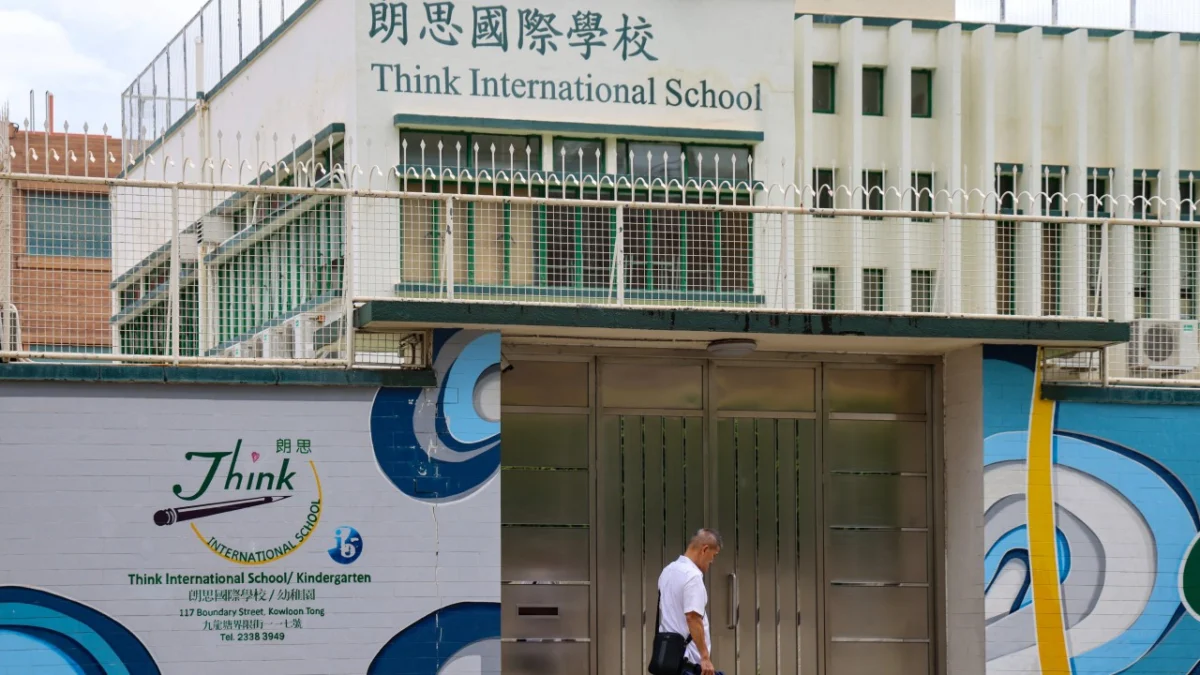
Latest data from the Education Bureau paints a clear picture of two distinct educational currents in Hong Kong. While international and private schools are witnessing robust growth, the early childhood education sector and the traditional public primary school system are grappling with significant contractions. A record 30 kindergartens, representing 3 per cent of all such institutions, have either closed or are slated for closure in the current academic year. This development underscores a broader demographic challenge facing Hong Kong, where birth rates have been on a downward trajectory for years, leading to a shrinking pool of younger children.
However, the narrative for international and private schools is markedly different. The introduction of the government’s talent attraction schemes, beginning in 2022, appears to be a pivotal catalyst for this surge. These initiatives, designed to draw skilled professionals and their families to Hong Kong, have demonstrably influenced the enrollment patterns in the city’s more exclusive educational establishments.
A Decade of Shifting Demographics and Enrollment Patterns
The Education Bureau’s annual headcount statistics, meticulously collected in September at the commencement of each academic year and published the following July, provide a compelling historical perspective. As of the most recent data, 87,220 students are currently enrolled in international and private schools. This figure represents a substantial 12 per cent increase since September 2022, a period immediately preceding the launch of the flagship Top Talent Pass Scheme.
Looking back over a decade, the growth in these institutions is even more pronounced. Enrollment in international and private schools has surged by an impressive 21 per cent compared to ten years ago. This sustained upward trajectory is particularly striking when juxtaposed with the overall decline in the student population across all levels of schooling. Between 2022 and 2025, the total number of kindergarten, primary, and secondary students in Hong Kong decreased from 797,157 to 776,888, marking a 2.5 per cent reduction over this three-year span. This disparity highlights a significant shift in educational choices and demographic influences within the city.
The Impact of Talent Schemes: A Closer Look
Veteran admissions consultants familiar with the Hong Kong and wider Asian markets attribute the substantial inflow of students into private and international schools directly to the government’s talent schemes. These schemes, which include provisions for dependents, have facilitated the relocation of numerous mainland Chinese families to Hong Kong. Many of these families, seeking educational pathways aligned with international standards or offering bilingual immersion, have opted for private and international school placements for their children.
Ruth Benny, a highly respected consultant specializing in international school admissions across Hong Kong and Asia, elaborated on this trend. "The steady growth in international and other private school students reflects mainland professionals and their dependants settling in Hong Kong," Benny stated. "It also reflects a persistent demand from affluent local families opting out of the local curriculum." This dual driver – the influx of new residents and the continued preference of some local families for alternative educational models – has created a potent combination for the growth of the private and international school sector.
The Top Talent Pass Scheme, launched in December 2022, has been a cornerstone of Hong Kong’s efforts to attract high-net-worth individuals and skilled professionals. It allows applicants who have earned at least HK$2 million in the past year or a first-class bachelor’s degree from a top global university to live and work in Hong Kong for two years. Similar schemes, such as the Immigration Arrangements for Non-local Graduates, further encourage overseas students and graduates to remain in Hong Kong. The success of these initiatives in bringing new families to the city, many of whom are prioritizing international education, is now clearly reflected in the school enrollment data.
The Strain on the Public and Kindergarten Sectors
While international and private schools flourish, the impact on the public education system and kindergartens is undeniable. The decline in the number of young children is forcing smaller kindergartens to consolidate or close. This presents challenges for parents who rely on these institutions, particularly in areas with fewer alternatives. The closure of schools, even if a small percentage of the total, can lead to disruptions for families and educators.
The data suggests that local public primary schools are also experiencing a contraction, albeit without the explicit school closure figures comparable to kindergartens. This implies a reduction in class sizes or potential consolidation of resources within the public system to accommodate fewer students. The long-term implications of this demographic shift on the capacity and structure of the public education system are a subject of ongoing discussion among education policymakers.
Broader Implications and Future Outlook
The divergent enrollment trends carry significant implications for Hong Kong’s educational ecosystem and its broader societal fabric.
Economic and Social Integration:
The influx of families through talent schemes can contribute to economic vibrancy and cultural diversity. However, it also necessitates robust support systems for integration, including ensuring adequate educational provisions for these new residents. The demand for international school places may also put pressure on resources and create waiting lists, as capacity in some of these schools is finite.
Educational Equity and Access:
The growing divide between fee-paying international schools and the public system raises questions about educational equity and access. While the talent schemes aim to bolster the economy, it is crucial to ensure that the quality and accessibility of education for all residents, regardless of socioeconomic background, remain a priority. The increasing reliance on private and international education by some segments of the local population also indicates a potential dissatisfaction with or specific aspirations beyond the current local curriculum.
Demographic Resilience:
The declining birth rate remains a fundamental challenge for Hong Kong. The current enrollment surge in international and private schools, while positive for those sectors, does not address the underlying demographic trend. Future educational planning will need to consider strategies to support the public education system and address the long-term implications of a shrinking youth population.
Market Dynamics for Educational Providers:
For international and private schools, the sustained growth presents opportunities but also potential challenges related to maintaining quality, managing resources, and adapting to evolving student needs. The demand from mainland Chinese families, in particular, may shape curriculum development and the linguistic offerings of these schools.
Official Responses and Future Strategies
The Hong Kong government has acknowledged the demographic shifts and has implemented various policies to address them. The talent schemes are a direct response to the need to attract and retain skilled individuals and their families. The Education Bureau continues to monitor enrollment figures and school closures closely. While specific policy responses to the kindergarten closures are not detailed in the initial statistics, it is understood that the bureau engages with affected institutions to explore options such as mergers or support for restructuring.
Moving forward, the Education Bureau is likely to focus on several key areas:
- Sustaining the appeal of Hong Kong for talent: Continuously refining and promoting talent attraction schemes to ensure a steady flow of skilled professionals and their families.
- Supporting the public education system: Addressing the declining student numbers in public schools through resource allocation, curriculum innovation, and potentially exploring new models of schooling.
- Ensuring quality and diversity in education: Maintaining high standards across all educational sectors and fostering an environment where diverse educational needs can be met.
- Long-term demographic planning: Developing strategies to address the challenges posed by low birth rates and an aging population, which will inevitably impact the education sector in the long run.
The current enrollment figures for Hong Kong’s international and private schools highlight a dynamic period of change, driven by government policy and evolving demographic realities. While this trend offers a positive outlook for specific educational institutions, it simultaneously underscores the complex challenges facing the broader education system in the city. The ongoing interplay between talent immigration, local aspirations, and demographic pressures will continue to shape Hong Kong’s educational future.