Hong Kong’s Financial Secretary Proposes City as "Super Converter" for Mainland Products to Enhance Global Market Access
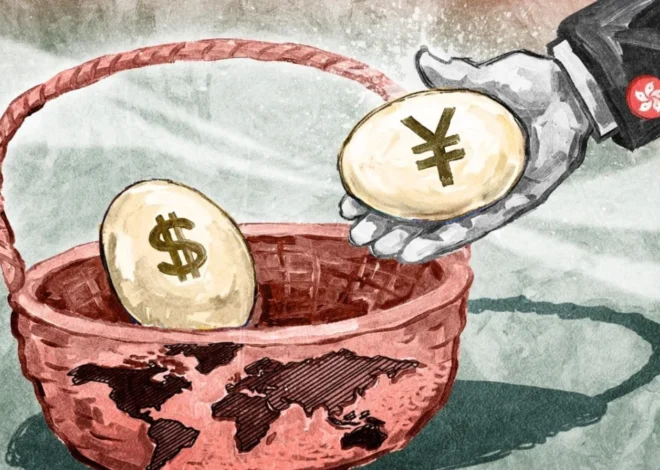
Hong Kong is poised to leverage its established international reputation as a trusted "brand name" to act as a critical intermediary for mainland Chinese products, facilitating their acceptance and penetration into global markets. Financial Secretary Paul Chan Mo-po articulated this vision, emphasizing Hong Kong’s unique capacity to serve as a "super converter" for technical standards, legal frameworks, and innovative advancements bridging mainland China and the rest of the world. This strategic positioning aims to amplify the reach and credibility of Chinese goods, capitalizing on Hong Kong’s long-standing association with quality and reliability.
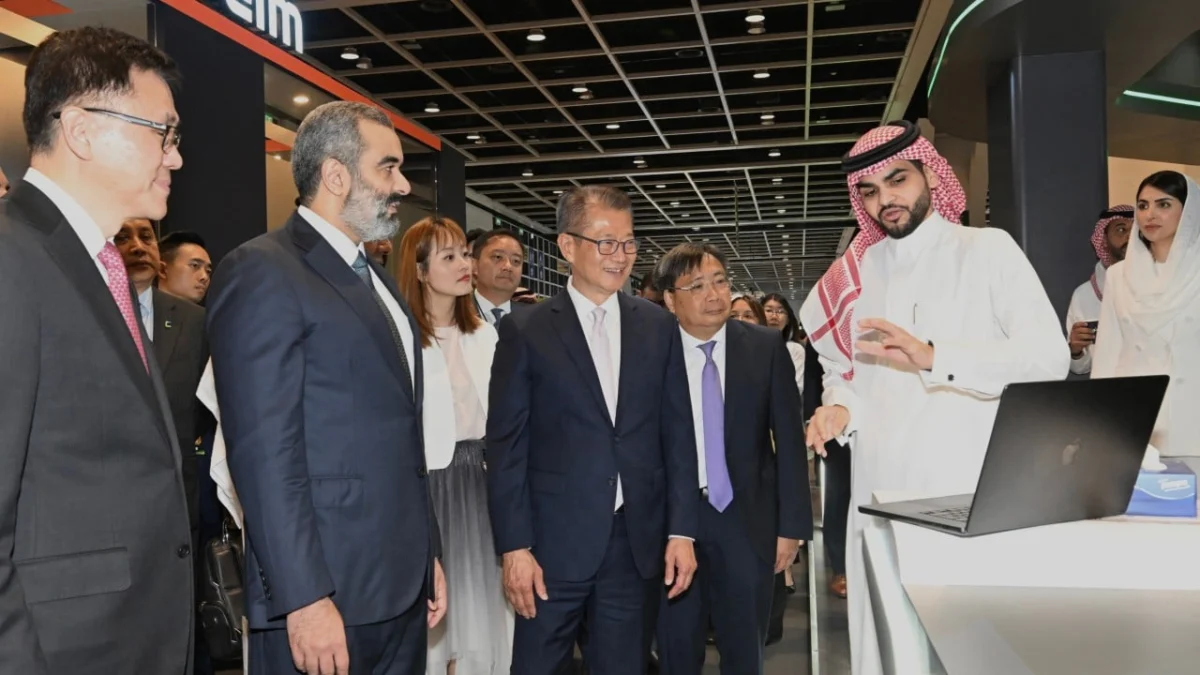
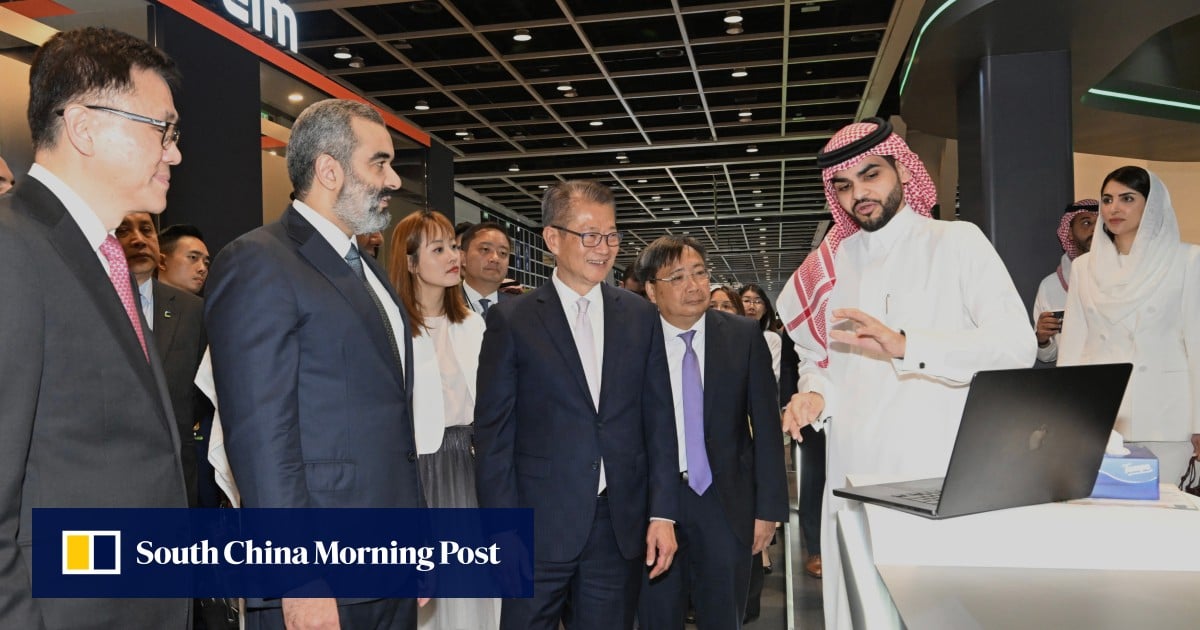
Chan’s remarks, delivered during an appearance on RTHK’s television program On Broadcast Drive, highlighted the significant trust the international community places in Hong Kong’s accreditations. He pointed to the Middle East as a specific region where products certified by Hong Kong often receive expedited approval, underscoring the "brand name effect" at play. "In general, they will automatically give the go-ahead to those products that have been accredited by Hong Kong," Chan stated, illustrating the tangible benefit of this endorsement. He further elaborated that mainland products that successfully undergo testing and meet Hong Kong’s stringent standards are frequently recognized and accepted by other international markets due to this established trust.
Leveraging Hong Kong’s "Brand Name" for Global Trade
The financial secretary’s proposal extends beyond mere certification. He envisions Hong Kong as a multifaceted hub, building upon its existing roles as a "superconnector" and "super value-adder." The concept of a "super converter" implies a more active and sophisticated process of harmonizing and validating the diverse standards and practices that characterize the evolving landscape of global trade and innovation. This role would involve not only certifying product quality but also potentially mediating differences in technical specifications, regulatory compliance, and intellectual property frameworks, thereby smoothing the path for mainland businesses seeking to expand their international footprint.
Chan cited the example of ultra-high-strength steel products developed in mainland China, which he described as among the most advanced globally. The promotion of national standards for such sophisticated materials, he suggested, could be significantly bolstered through Hong Kong’s endorsement. This suggests a proactive approach where Hong Kong would not only validate existing standards but also potentially play a role in shaping and advocating for the adoption of Chinese technical norms on a broader international stage. The success of this initiative hinges on maintaining and further enhancing Hong Kong’s independent regulatory and judicial strengths, which form the bedrock of its global credibility.
A Strategic Shift in Hong Kong’s International Role
The articulation of Hong Kong as a "super converter" signifies a potential strategic evolution in the city’s economic engagement with mainland China and the global community. Historically, Hong Kong has thrived as a gateway, facilitating trade and investment between the mainland and the world. Its free port status, common law system, and robust financial infrastructure have made it an indispensable partner in China’s economic development. However, as the mainland economy matures and its technological capabilities advance, the nature of this partnership is shifting.
The "super converter" concept suggests a move from a passive gateway to a more active facilitator of integration and harmonization. This is particularly relevant in an era of increasing geopolitical complexity and trade fragmentation, where establishing trust and ensuring compliance with diverse international standards can be significant hurdles. By leveraging its well-earned reputation for integrity and adherence to international best practices, Hong Kong can act as a vital bridge, translating the innovations and products of the mainland into a format that is readily understood and accepted by global consumers and regulatory bodies.
Background and Context: The Evolution of Hong Kong’s Economic Mandate
This strategic direction is not entirely new but represents an intensification and refinement of Hong Kong’s established strengths within the framework of the Greater Bay Area (GBA) initiative. The GBA, a plan to integrate Hong Kong, Macau, and nine mainland cities in Guangdong province into a leading economic and innovation hub, aims to foster closer collaboration and synergy among these regions. Within this broader context, Hong Kong’s unique advantages in areas such as finance, law, and international trade are intended to complement the manufacturing prowess and technological advancements of the mainland.
The proposition of Hong Kong as a "super converter" aligns with the GBA’s goal of creating a unified and competitive economic zone. It suggests a conscious effort to harness Hong Kong’s international standing to elevate the competitiveness of mainland enterprises. The city’s independent judiciary, its adherence to international accounting and auditing standards, and its robust intellectual property protection regime are all critical components that contribute to its global trustworthiness. By extending this trust to mainland products and standards, Hong Kong can effectively de-risk international trade for Chinese companies and unlock new market opportunities.
Supporting Data and Global Trends
The global market for Chinese exports is vast and continues to grow. In 2023, China’s total exports reached approximately US$3.38 trillion, according to data from the World Trade Organization and national statistics. However, the acceptance of these products often depends on their ability to meet diverse and sometimes conflicting international standards. For instance, the European Union’s stringent product safety regulations, such as CE marking, or the United States’ Food and Drug Administration (FDA) approval processes, can pose significant barriers to entry.
Hong Kong’s role as an intermediary could help bridge these gaps. For example, in the realm of electronics, certifications from bodies like the Hong Kong Standards and Testing Centre (HKSTC) or the Hong Kong Quality Assurance Agency (HKQAA) are often recognized by international buyers. Similarly, for food and beverage products, adherence to Hong Kong’s food safety regulations can provide a strong foundation for export to other Asian markets. The financial secretary’s emphasis on the "brand name effect" is rooted in empirical evidence: countries and regions with strong, independent quality assurance mechanisms often find their endorsed products gain quicker market access.
Analysis of Implications: Opportunities and Challenges
The implications of Hong Kong successfully positioning itself as a "super converter" are significant. For mainland Chinese businesses, it offers a more streamlined and credible pathway to global markets, potentially reducing the time and cost associated with navigating complex international regulatory landscapes. This could lead to increased export volumes and a stronger global presence for Chinese brands.
For Hong Kong, this role could solidify its position as a vital international trade hub and a center for quality assurance and regulatory expertise. It offers a new avenue for economic growth, leveraging its unique institutional strengths in an increasingly interconnected yet fragmented global economy. This could attract more businesses seeking to tap into the mainland market or seeking to enhance their international competitiveness through association with Hong Kong’s trusted brand.
However, several challenges must be addressed. Maintaining Hong Kong’s independent regulatory framework and judicial impartiality is paramount. Any perceived erosion of these foundational elements could undermine the very trust that underpins the "brand name effect." Furthermore, the process of harmonizing diverse technical standards requires sophisticated expertise and robust collaboration between Hong Kong, mainland China, and international bodies. The city will need to invest in developing and maintaining the necessary technical and legal capacities to effectively fulfill this "super converter" role.
The success of this initiative also depends on the willingness of mainland manufacturers to adhere to rigorous quality control and compliance processes. While the financial secretary highlighted the success of some advanced products, a broader commitment across various sectors will be crucial. The ongoing development of international standards, particularly in emerging fields like artificial intelligence and green technology, will also present continuous challenges and opportunities for Hong Kong to adapt and lead.
Official Responses and Broader Economic Context
While the immediate response from related parties has not been detailed in the original article, industry associations and business chambers in Hong Kong are likely to view this proposal with keen interest. Such initiatives typically garner support from sectors that benefit from enhanced trade facilitation and international market access. Chambers of commerce, such as the Hong Kong General Chamber of Commerce or the Federation of Hong Kong Industries, often advocate for policies that strengthen the city’s role as a global trading hub.
The broader economic context in which this proposal is being made is one of global economic recalibration. Many economies are seeking to diversify supply chains and enhance domestic manufacturing capabilities. In this environment, a trusted intermediary like Hong Kong, capable of vouching for the quality and compliance of goods, can play an increasingly valuable role. The emphasis on technical standards and innovation also reflects a global shift towards higher-value manufacturing and services, an area where Hong Kong has historically excelled and can continue to contribute.
In conclusion, Financial Secretary Paul Chan’s proposal for Hong Kong to act as a "super converter" is a strategic vision aimed at reinforcing the city’s indispensable role in global trade. By leveraging its internationally recognized "brand name" for quality and reliability, Hong Kong can significantly enhance the market access and credibility of mainland Chinese products, fostering mutual economic growth and solidifying its position as a premier international business and trade center. The success of this ambitious plan will hinge on the continued strength of Hong Kong’s independent institutions and its ability to adapt to the dynamic global economic landscape.