Hong Kong’s Export Surge Fueled by Global AI Boom Poised to Exceed Forecasts
Hong Kong’s export sector is experiencing a significant and sustained upswing, with economists predicting this momentum will carry through the coming months, primarily propelled by the insatiable global demand for artificial intelligence (AI) technologies. This robust performance has led to expectations that the city’s Gross Domestic Product (GDP) growth could outpace official projections. The surge, evidenced by a remarkable 53.4% year-on-year increase in exports in June, marks a pivotal moment for the Special Administrative Region’s economy, signaling a potential revitalization driven by technological innovation.
The AI Engine Driving Trade
The current export boom is intrinsically linked to the global AI revolution, a phenomenon that continues to expand its reach and impact across industries. Billy Mak Sui-choi, an associate professor at Baptist University’s department of accountancy, economics, and finance, articulated this connection, stating that global demand for AI remains "far from saturated" and will serve as a consistent driver for Hong Kong’s export performance.
"No single country has yet been able to dominate the AI field across models, services and hardware," Mak explained, highlighting the competitive landscape that fuels continuous investment. "As long as countries see an opportunity to compete, they will continue investing in the necessary hardware." This ongoing investment translates directly into demand for the components and finished products that Hong Kong facilitates in its role as a major trading hub.
Beyond Graphics Cards: The Expanding AI Ecosystem
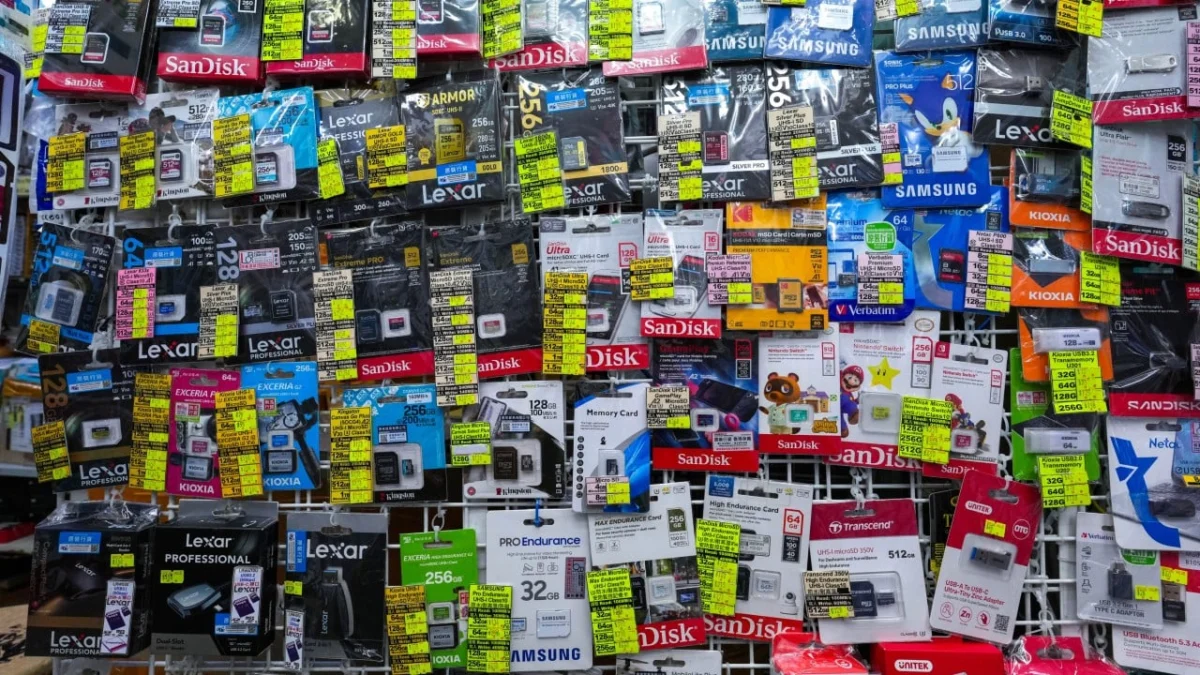
While initial attention in the AI hardware market was largely focused on the powerful graphics processing units (GPUs) manufactured by companies like Nvidia, businesses are increasingly recognizing the need for a more comprehensive ecosystem. Mak pointed out that the demand has broadened to include crucial components such as memory chips, photovoltaic modules, and motherboards. This diversification in demand is a key factor explaining Hong Kong’s impressive export figures, particularly its re-exports of goods originating from mainland China.
This evolving demand pattern underscores Hong Kong’s strategic position in global supply chains. As manufacturers in mainland China produce a wider array of AI-related hardware, Hong Kong’s efficient logistics infrastructure and established trade networks become indispensable for distributing these products to international markets. The city acts as a vital conduit, connecting the manufacturing prowess of the mainland with the burgeoning demand worldwide.
A Statistical Snapshot of Growth
The statistics released by Hong Kong’s Census and Statistics Department paint a clear picture of this economic resurgence. In June, the value of Hong Kong’s domestic exports and re-exports combined climbed to a record HK$641.1 billion (US$81.7 billion). This figure represents a significant leap from the previous month, with May also recording a robust 40.8% rise in export value.
The June export performance was particularly striking, pushing monthly shipments to their highest level since March 1984. In that earlier period, exports had surged by 61.6%, a historical benchmark that the current AI-driven growth is now challenging. This historical comparison underscores the magnitude of the current export expansion and its potential long-term implications.
The implications of this sustained export growth extend beyond mere trade figures. For Hong Kong, a city heavily reliant on its role as a global trade and financial center, a strong export performance translates into increased economic activity, job creation, and a boost to related service industries such as logistics, finance, and professional services.
Global Demand Drivers: A Closer Look
The global AI boom is not a monolithic phenomenon. It encompasses a wide range of applications, from advanced computing and data analytics to autonomous systems, generative AI, and sophisticated research and development. Each of these areas requires specialized hardware, and the continuous innovation in AI necessitates frequent upgrades and the development of new components.
- Data Centers: The proliferation of AI workloads is driving massive investment in data centers globally. These facilities require immense quantities of high-performance servers, networking equipment, and storage solutions, all of which are heavily reliant on advanced semiconductors.
- Consumer Electronics: AI is increasingly being integrated into consumer devices, from smartphones and smart home appliances to gaming consoles and virtual reality headsets. This growing market segment fuels demand for AI-enabled chips and related components.
- Automotive Industry: The development of autonomous driving systems and advanced driver-assistance systems (ADAS) in vehicles is a significant driver of AI hardware demand. This sector requires specialized processors capable of real-time data processing and complex decision-making.
- Industrial Automation: AI is transforming manufacturing processes through robotics, predictive maintenance, and quality control systems. This industrial application of AI necessitates robust and reliable hardware solutions.
- Scientific Research: Breakthroughs in fields like medicine, materials science, and climate modeling are accelerated by AI, requiring cutting-edge computational power and specialized hardware for simulations and data analysis.
Hong Kong’s role as a re-export hub is particularly crucial in this context. Many of the AI-related components are manufactured in mainland China, a global powerhouse in electronics manufacturing. Hong Kong’s proximity, efficient customs procedures, and well-developed financial services make it an ideal intermediary for exporting these goods to markets in North America, Europe, and other parts of Asia.
A Chronology of Growth
The current export surge can be traced back to the increasing adoption of AI technologies over the past few years. While the COVID-19 pandemic initially disrupted global supply chains, the subsequent acceleration in digital transformation and the growing realization of AI’s potential have created a powerful counter-trend.
- Late 2022 – Early 2023: The public release of advanced generative AI models, such as ChatGPT, captured global attention and spurred widespread interest and investment in AI capabilities across businesses and research institutions. This period marked a significant inflection point in AI adoption.
- Throughout 2023: This increased interest began to translate into tangible demand for the underlying hardware infrastructure required to power AI development and deployment. Companies started to ramp up their orders for GPUs and other specialized components.
- Late 2023 – Early 2024: The impact of this demand began to be reflected in trade statistics. Hong Kong, as a key logistics and trading hub for goods manufactured in mainland China, started to see a noticeable increase in its export figures.
- June 2024: The release of provisional figures showing a 53.4% year-on-year export surge highlighted the sustained and accelerating nature of this trend, pushing monthly shipments to historic highs.
This timeline illustrates a gradual but significant build-up of demand, culminating in the impressive growth figures observed in recent months. The sustained nature of the AI boom suggests that this growth trajectory is likely to continue.
Supporting Data and Market Indicators
Beyond the headline export figures, several other indicators support the narrative of an AI-driven economic expansion.
- Semiconductor Market Growth: The global semiconductor market, a direct beneficiary of AI hardware demand, has shown signs of recovery and growth. Reports from industry analysis firms indicate a significant uplift in sales for AI-specific chips.
- Investment in AI Startups: Venture capital funding for AI startups continues to be robust, signaling ongoing innovation and the creation of new markets that will require further hardware support.
- Manufacturing Output in Mainland China: Data on manufacturing output in key Chinese technology hubs often correlates with Hong Kong’s re-export figures. An increase in the production of AI-related components in these regions directly fuels Hong Kong’s export activity.
The reliance on components such as memory chips and motherboards, in addition to GPUs, suggests a maturing AI ecosystem. This broader demand base makes the current export surge more resilient compared to a situation solely dependent on a single product category.
Official Responses and Economic Outlook
While specific official responses from Hong Kong government bodies regarding the June export figures are typically released with a slight delay, the underlying trend has been acknowledged by economic analysts. The positive export performance is a key factor influencing revised GDP growth forecasts.
Economists are closely watching these developments. If the trend continues, it could lead to upward revisions of Hong Kong’s GDP growth targets for the year. A stronger-than-expected export sector can significantly contribute to overall economic output, offsetting potential headwinds in other areas.
Broader Impact and Implications for Hong Kong
The sustained export surge driven by the AI boom carries several important implications for Hong Kong:
- Economic Diversification: While Hong Kong has long been a financial and logistics hub, this trend reinforces its role in facilitating the trade of cutting-edge technological goods. It adds a technological dimension to its economic identity.
- Strengthened Trade Ties: The increased volume of trade with major export markets like Singapore, Taiwan, the United States, and Thailand, as indicated by the Kwai Chung container terminal image, underscores the importance of these relationships.
- Logistical Efficiency: The ability to handle this increased volume of high-value goods highlights the efficiency and capacity of Hong Kong’s port and logistics infrastructure. Maintaining and enhancing these capabilities will be crucial for sustained growth.
- Talent and Innovation: While Hong Kong’s strength lies in trade facilitation, a thriving tech export market could also indirectly encourage investment in related areas, such as research and development, and the cultivation of talent in sectors that support AI.
- Global Supply Chain Resilience: Hong Kong’s role as a reliable intermediary in the global AI supply chain contributes to the overall resilience of these critical networks.
However, the city also faces challenges. Global geopolitical tensions, evolving trade policies, and the ongoing need to adapt to rapid technological advancements require a proactive approach. Ensuring that Hong Kong’s regulatory framework and infrastructure remain competitive will be vital to capitalize on this AI-driven opportunity.
The current export surge represents a significant positive development for Hong Kong’s economy. By successfully navigating the complexities of global trade and leveraging its strategic position, the city is poised to benefit substantially from the ongoing AI revolution, potentially exceeding economic expectations in the coming months. The sustained demand for a diverse range of AI-related hardware suggests this is not a fleeting trend but a fundamental shift in global economic drivers.