Hong Kong Shipowners Assure Safety and Supplies for 1,600 Seafarers Stranded in Strait of Hormuz
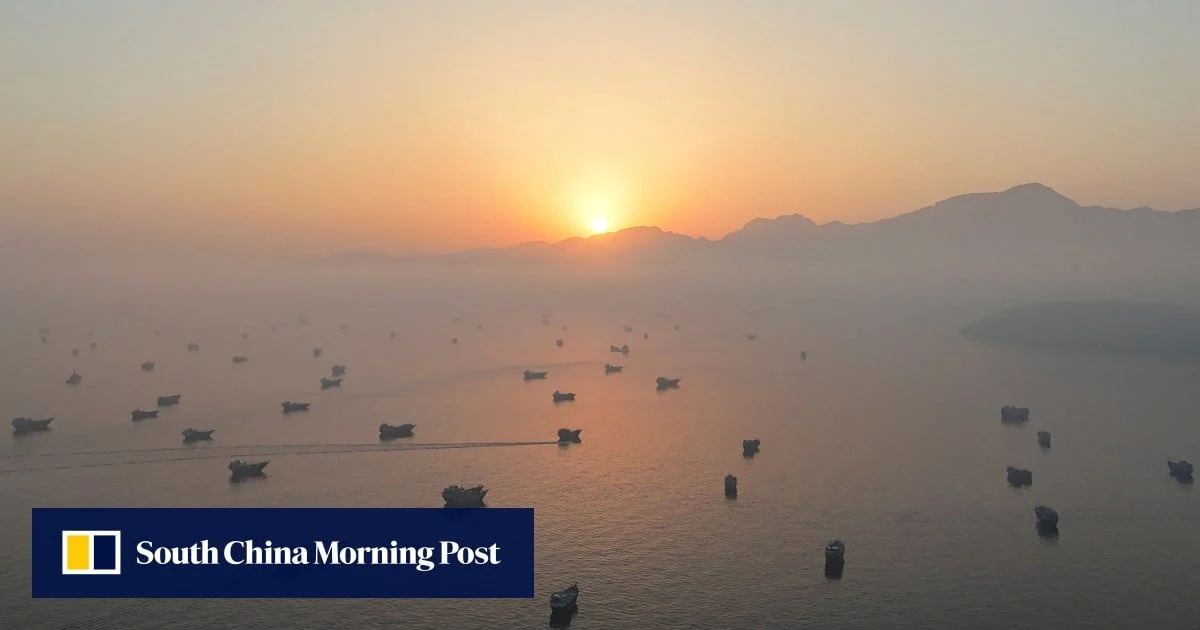
Approximately 1,600 seafarers aboard around 80 Hong Kong-owned vessels have been anchored in the Strait of Hormuz for approximately five months, facing an increasingly tense geopolitical climate. Despite the prolonged stand-off and the inherent risks associated with the strategic waterway, an industry representative has asserted that the crew members are adequately supplied and have access to mental health support, with immediate dangers to their personal safety being minimal.
Kenneth Lam Sze-kin, deputy chairman of the Hong Kong Shipowners Association and founder and CEO of SeaKapital Limited, provided an update on the situation during a radio programme on Wednesday. He emphasized that the safety and well-being of the seafarers remain a priority for Hong Kong shipowners, regardless of their nationality. The roughly 1,600 crew members, predominantly from mainland China, the Philippines, India, and Eastern Europe, are expected to remain safe on board as long as shipowners continue to bear the costs associated with maintaining supplies and onboard electricity.
"For personal safety, the threat is small," Lam stated, underscoring that the primary concern for the crew is the prolonged confinement and its psychological toll. "In situations like this, as long as you are willing to spend, supplies shouldn’t be a problem." He acknowledged the significant mental and physical impact of being unable to disembark and the underlying anxiety about their precarious situation.
The vessels, primarily anchored in the northern sector of the Strait of Hormuz, are making efforts to maintain a safe distance from Iran, which shares the northern coastline. Lam confirmed that, to his knowledge, no Hong Kong nationals are among the stranded crews. He reiterated the commitment of Hong Kong shipowners to their crew, stating, "From the point of view of Hong Kong shipowners, it does not matter whether they are Hongkongers or not. Whatever their nationality, they are crew members on our ships and we will treat them all equally."
Background: The Escalating Tensions in the Strait of Hormuz
The Strait of Hormuz, a vital chokepoint for global oil and gas shipments, has become a focal point of heightened geopolitical tensions in recent months. The waterway, which connects the Persian Gulf to the Gulf of Oman and the open sea, handles approximately 30% of the world’s seaborne crude oil trade. The current stand-off is largely attributed to a series of incidents and retaliatory actions between Iran and several Western nations, including the United States, exacerbating regional instability.
These tensions have led to increased maritime risks, including the potential for seizures of vessels, attacks on shipping, and disruptions to international trade. The presence of numerous vessels, particularly those owned by entities that might be perceived as aligned with opposing factions, makes them vulnerable to becoming entangled in these disputes. The extended period of immobility for these Hong Kong-owned ships suggests a complex interplay of logistical challenges, insurance considerations, and the overarching desire to avoid direct confrontation.
Chronology of the Stranding and Response
While the exact date of each vessel’s arrival in the Strait and subsequent anchoring is not publicly detailed, the "about five months" timeframe places the initial immobilization of these ships in late 2023 or early 2024. This period coincides with a significant escalation in regional maritime incidents.
- Late 2023/Early 2024: The vessels, owned by members of the Hong Kong Shipowners Association, began anchoring in the Strait of Hormuz, likely in response to escalating regional tensions and to navigate safer shipping routes.
- Ongoing (Past Five Months): The ships have remained in place, with crew members facing prolonged confinement. Shipowners have continued to provide essential supplies and maintain operational functions.
- Recent Weeks: Concerns regarding the welfare of these seafarers have been amplified by reports of ongoing geopolitical friction in the region.
- Present Day (Wednesday): Kenneth Lam Sze-kin of the Hong Kong Shipowners Association provides an update, assuring that supplies and welfare provisions are in place, and immediate safety threats are assessed as low.
The Association’s proactive communication aims to alleviate concerns among the seafarers’ families and the broader maritime community regarding the welfare of those affected.
Supporting Data and Industry Context
The maritime industry operates on a global scale, with seafarers forming the backbone of international trade. The average maritime voyage can last for months, and extended periods of inactivity due to geopolitical events are not uncommon, though the duration of this particular stranding is significant.
- Global Seafaring Workforce: Estimates suggest there are around 1.5 million seafarers worldwide at any given time. The nationalities mentioned by Lam – mainland Chinese, Filipino, Indian, and Eastern European – represent a substantial portion of this global workforce, reflecting the diverse origins of maritime professionals.
- Economic Significance of the Strait of Hormuz: Annually, an estimated 18 million barrels of oil pass through the Strait, underscoring its critical role in global energy security. Disruptions here can have immediate and far-reaching economic consequences.
- Cost of Maintaining Stranded Vessels: The operational costs of maintaining a large vessel, even when stationary, are substantial. These include provisions, fuel for generators, maintenance, port fees (if applicable, though likely not in this case of anchoring), and crew welfare initiatives. Shipowners’ willingness to continue these expenditures highlights their commitment to their crews.
- Psychological Impact on Seafarers: Studies by organizations like the International Maritime Organization (IMO) and seafarer welfare charities consistently highlight the significant psychological toll of long voyages, isolation, and uncertainty. Access to mental health support, such as video counselling, is crucial for mitigating these effects.
Official Responses and Industry Commitments
The Hong Kong Shipowners Association, through its representatives like Kenneth Lam, plays a crucial role in advocating for and supporting its member companies and their crews. Their statements serve as an official industry response to the unfolding situation.
"We are monitoring the situation closely and remain in constant communication with our members," a spokesperson for a major Hong Kong-based shipping company, who preferred to remain anonymous, stated when asked about the broader industry perspective. "The safety and well-being of our crews are paramount. We are leveraging all available resources to ensure they are looked after, both physically and mentally, during these challenging times."
The International Maritime Organization (IMO) has previously issued guidelines and recommendations concerning seafarer welfare, particularly in situations of prolonged detention or confinement due to geopolitical events. These often emphasize the need for regular communication with families, access to mental health professionals, and ensuring adequate provisions. While the IMO does not directly manage individual vessels, its pronouncements set international standards and provide a framework for responsible maritime operations.
Broader Impact and Implications
The prolonged stranding of these vessels in the Strait of Hormuz has several implications, extending beyond the immediate welfare of the seafarers:
- Global Supply Chain Disruptions: While these specific vessels may not be carrying immediate consumer goods, their prolonged immobility contributes to the overall strain on global shipping capacity. Any sustained disruption in this region can lead to increased freight costs and delays for a wide range of commodities.
- Insurance and Financial Strain: Shipowners face significant financial burdens due to the extended lay-up of their vessels. Insurance premiums for operating in high-risk areas are likely to be substantial, and the costs of maintaining the vessels and crew over an extended period can impact profitability.
- Geopolitical Signaling: The presence of numerous vessels, particularly those from major maritime hubs like Hong Kong, can inadvertently become entangled in geopolitical signaling. Their inability to proceed may be interpreted in various ways by regional actors, adding another layer of complexity to the situation.
- Seafarer Mental Health Crisis: The protracted nature of such incidents highlights a broader, ongoing challenge in the maritime industry: the mental health of seafarers. The pandemic further exacerbated these issues, and events like this serve as a stark reminder of the need for continuous improvement in welfare provisions and support systems.
The commitment from Hong Kong shipowners to sustain their crews through this period, despite the significant financial and operational challenges, underscores the ethical responsibilities inherent in the shipping industry. However, the long-term resolution of the situation hinges on the de-escalation of geopolitical tensions in the Strait of Hormuz, a factor entirely beyond the control of the shipowners and their crews. The continued adherence to safety protocols and the provision of welfare support remain the immediate priorities for all involved.