Live Update: Escalation in War on Iran Continues Amidst Regional Tensions and Civilian Mobilization
Live Update: Escalation in War on Iran Continues Amidst Regional Tensions and Civilian Mobilization
As of August 5, 2026, 07:53 BST, the conflict widely known as the War on Iran continues its relentless trajectory, marking a critical phase characterized by intensified military engagements, deepening humanitarian concerns, and a stark display of popular mobilization within Iran. Reports from across the region indicate renewed aerial bombardments targeting strategic infrastructure and military installations, while naval skirmishes persist in the crucial Strait of Hormuz, exacerbating global energy market anxieties. This latest phase of the conflict unfolds against a backdrop of complex geopolitical maneuvering and a rapidly deteriorating humanitarian situation, prompting urgent calls for de-escalation from international bodies.
Mounting Pressure: The Current Military Landscape
The early hours of August 5, 2026, saw a significant uptick in military activity. Unconfirmed reports from state media in Tehran claim that multiple waves of drone and missile attacks were launched against targets in central and western Iran overnight. These assertions follow a pattern of intensified strikes observed over the past 72 hours, which analysts suggest are aimed at degrading Iran’s command and control capabilities and disrupting its logistical networks. Conversely, official statements from the coalition involved in the conflict, which remains unnamed in its entirety but is widely understood to include several Western and regional powers, have focused on "precision strikes" against military assets and sites suspected of developing prohibited weapons programs.
Naval operations in the Persian Gulf and the Gulf of Oman remain highly volatile. Shipping advisories have been elevated to critical levels, with several major shipping lines rerouting vessels away from the Strait of Hormuz, a choke point through which approximately 20% of the world’s petroleum passes. Incidents involving commercial vessels have been reported, though details are scarce, contributing to a sense of heightened risk for global trade. Ground engagements, while less frequent than aerial or naval confrontations, are reported in border regions, particularly along Iran’s western frontiers, indicating potential limited incursions or skirmishes between Iranian Revolutionary Guard Corps (IRGC) units and allied forces, though specific details are heavily censored by all parties. The overall military situation points to a protracted conflict with no immediate resolution in sight, placing immense pressure on civilian populations caught in the crossfire.
The Genesis of Conflict: A Decade of Escalation
The current full-scale war did not erupt overnight but is the culmination of over a decade of escalating tensions, proxy conflicts, and diplomatic stalemates. The roots of the conflict can be traced back to the early 2010s, marked by persistent international concerns over Iran’s nuclear program, its ballistic missile development, and its extensive network of regional proxies. These concerns intensified following the collapse of the Joint Comprehensive Plan of Action (JCPOA) in 2018, leading to a reinstatement and expansion of crippling economic sanctions.
Throughout the early 2020s, a series of flashpoints steadily eroded any remaining diplomatic pathways. These included:
- 2021-2023: Increased maritime incidents in the Persian Gulf, including drone attacks on oil tankers and alleged retaliatory actions against commercial shipping, creating an environment of perpetual low-level conflict.
- 2024: A major cyberattack attributed to state-sponsored actors crippled critical infrastructure in a key Gulf state, leading to direct threats of military retaliation. Simultaneously, intelligence reports surfaced alleging advanced stages of uranium enrichment beyond previously acknowledged levels in Iran, reigniting fears of nuclear weapon proliferation.
- Late 2025: A series of cross-border missile and drone attacks between Iran-backed militias and regional adversaries escalated into direct military confrontations, resulting in significant casualties. This period also saw a notable build-up of military assets by various regional and international powers in the vicinity of Iran.
- March 2026: A coordinated series of airstrikes, initially described as "limited preventative measures," were launched by a coalition of forces against alleged Iranian nuclear facilities and missile depots. Iran responded by declaring the attacks an act of war, launching its own retaliatory missile strikes against military bases in neighboring countries and threatening to close the Strait of Hormuz, thus marking the official commencement of the War on Iran.
Since then, the conflict has broadened in scope, moving beyond targeted strikes to a more comprehensive military campaign, with objectives that appear to include dismantling Iran’s military capabilities, neutralizing its nuclear ambitions, and altering the regional balance of power.
Internal Resilience: The Arbaeen-Themed Rally in Tehran
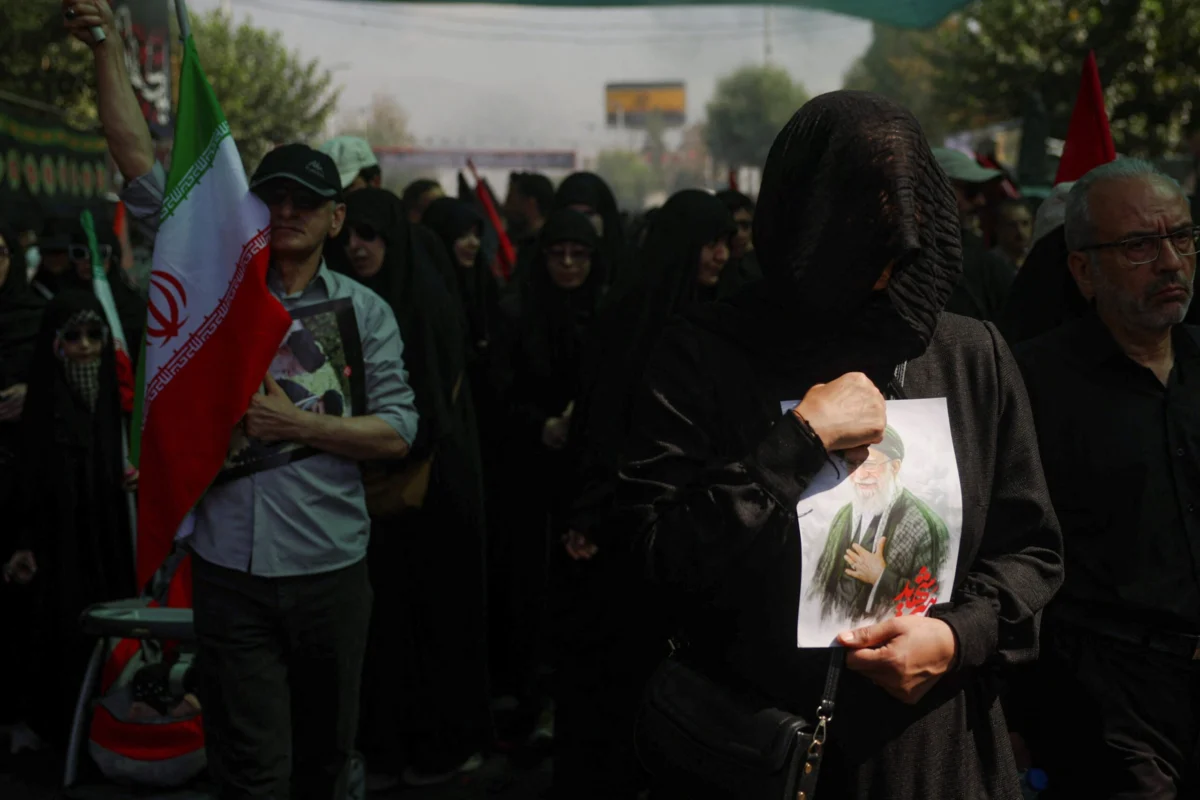
A striking image emerging from Iran on August 4, 2026, depicted a massive gathering in Tehran, officially described by state media as an "Arbaeen rally." While the actual Arbaeen observance, which commemorates the 40th day after the martyrdom of Imam Hussein, typically falls later in the year, this event served as a powerful testament to national unity and defiance in the face of external aggression. The images showed hundreds of thousands, if not millions, of Iranians converging in central Tehran, holding aloft banners and portraits of religious figures and national heroes, and chanting slogans condemning the war and reaffirming their resolve.

Analysts interpret this rally as a deliberate and strategic move by the Iranian government to galvanize popular support and project an image of internal cohesion to both domestic and international audiences. The invocation of Arbaeen, a deeply significant period of mourning and spiritual devotion for Shia Muslims, imbued the demonstration with profound religious and historical resonance, drawing parallels between the current struggle and historical battles against oppression. Speakers at the rally, including high-ranking military and clerical figures, delivered impassioned speeches, vowing unwavering resistance and urging citizens to stand united. This public display of solidarity comes amidst reports of increasing hardship within Iran, including commodity shortages, soaring inflation, and the psychological toll of continuous conflict, making the scale of the rally particularly notable. The government’s ability to mobilize such a vast segment of the population, even under duress, underscores the complexities of the conflict and the deep-seated nationalistic and religious sentiments at play.
Humanitarian Crisis and Economic Strain
The human cost of the War on Iran is rapidly escalating. United Nations agencies report a severe and worsening humanitarian crisis, with an estimated 3.5 million people internally displaced since the conflict began. Infrastructure, including hospitals, schools, and water treatment plants, has been damaged or destroyed in areas subjected to heavy bombardment. Access to essential medical supplies, food, and clean water is critically limited, especially in remote provinces. International aid organizations are struggling to deliver assistance due to security concerns and logistical challenges posed by ongoing military operations. The UN Secretary-General has issued repeated appeals for unimpeded humanitarian access and a cessation of hostilities to allow for aid delivery, warning of a potential famine if the situation does not improve.
Economically, Iran is reeling under the dual pressures of war and an intensified sanctions regime. Oil exports, the lifeblood of the Iranian economy, have plummeted, severely impacting government revenue. The national currency has depreciated dramatically, fueling hyperinflation that has eroded the purchasing power of ordinary citizens. Supply chains for critical goods, from pharmaceuticals to industrial components, have been severely disrupted, leading to widespread shortages. The global economy, too, is experiencing significant repercussions. Oil prices have surged to unprecedented levels, causing inflationary pressures worldwide and threatening to tip several major economies into recession. International financial markets remain highly volatile, reflecting the profound uncertainty generated by the conflict.
International Reactions and Diplomatic Stalemate
The international community remains deeply divided and largely ineffective in bringing an end to the War on Iran. The United Nations Security Council has held numerous emergency sessions, but resolutions calling for a ceasefire have repeatedly been vetoed or stalled due to geopolitical divisions. The UN Secretary-General has dispatched special envoys to the region, attempting to mediate between the warring parties, but these efforts have yielded no tangible progress.
- United States and Allied Nations: These nations largely support the military coalition, citing the necessity to prevent Iran from acquiring nuclear weapons and to curb its destabilizing regional activities. Statements from Washington emphasize the defensive nature of their actions and the commitment to regional security, while also expressing regret for civilian casualties and calling for a responsible end to hostilities.
- European Union: The EU has expressed grave concern over the humanitarian crisis and the broader regional destabilization. While acknowledging the underlying concerns regarding Iran’s nuclear program, the EU has consistently advocated for a diplomatic resolution and has offered to facilitate negotiations, though their influence appears limited given the entrenched positions of the belligerents.
- China and Russia: Both powers have condemned the military intervention, reiterating calls for a peaceful resolution and adherence to international law. They have expressed concerns about the unilateral actions taken by the coalition and warned against further escalation. While maintaining diplomatic relations with Iran, their roles have primarily been to advocate for de-escalation rather than direct intervention, though their strategic interests in the region and in global energy markets are significantly impacted.
- Regional Powers: Countries like Saudi Arabia and Israel have publicly or tacitly supported the coalition’s objectives, viewing Iran as a primary threat to their security and regional stability. Other regional states, such as Turkey and Qatar, have adopted more cautious stances, emphasizing the need for regional dialogue and de-escalation to prevent a wider conflagration.
Broader Implications and Uncertain Future
The War on Iran carries profound and far-reaching implications that extend well beyond the immediate battlefields. Geopolitically, the conflict is reshaping alliances and challenging the existing world order. It has exacerbated tensions between major global powers, demonstrating the limitations of international institutions in resolving high-stakes conflicts. The long-term stability of the Middle East, already a volatile region, is now under unprecedented threat. The potential for the conflict to spill over into neighboring countries, drawing in additional actors, remains a constant and terrifying prospect.
Humanitarian consequences will persist for decades, with a generation scarred by violence, displacement, and economic deprivation. Rebuilding Iran, whenever the conflict concludes, will require an immense international effort, and the social fabric of the nation faces deep and lasting wounds. Economically, the war is a major disruptor to global trade and energy markets, with cascading effects on inflation, growth rates, and poverty worldwide.
As August 5, 2026, progresses, the world watches with bated breath. The immediate future appears grim, dominated by the sounds of war and the cries of those caught in its path. Without a concerted and effective diplomatic intervention, the War on Iran threatens to become one of the defining humanitarian and geopolitical catastrophes of the mid-21st century, leaving an indelible mark on the course of global history. The call for peace grows louder, yet the path to achieving it remains perilously obscured by the fog of war.

Related Posts
Over 150 Israeli Settlers Storm Al-Aqsa Compound and Perform Prayers, Violating Status Quo Under Police Protection.
UN Report Highlights Over 900 Obstacles Hampering West Bank Aid Amid Escalating Humanitarian Crisis