Hong Kong Poised for Sweeping Reforms and Accountability After Deadliest Fire in Decades
Hong Kong authorities are preparing to implement a series of significant reforms in the wake of the city’s most devastating fire in recent memory, a tragedy that claimed 168 lives and displaced nearly 5,000 residents. The impending overhaul encompasses criminalizing bid-rigging practices, a practice identified as a key contributor to the inferno, and a comprehensive revision of the city’s fire safety and property management legislation. Political observers anticipate a wave of accountability, with senior officials, including ministers, expected to face scrutiny and potential repercussions once the official investigation committee submits its findings. The report, according to sources close to the inquiry, is slated for a one-month delay, now anticipated in late October, to allow for a more thorough review of extensive documentation.
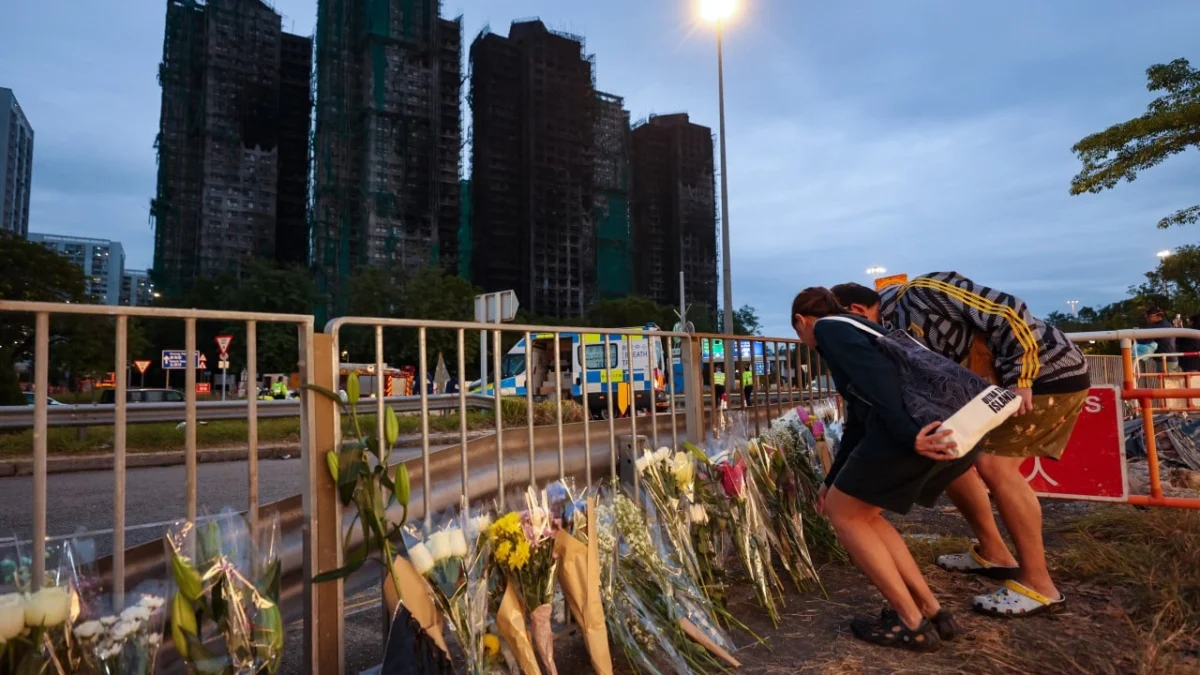
The catastrophic blaze, which erupted on November 26 of the previous year, tore through seven of the eight residential blocks within Wang Fuk Court in Tai Po, transforming a densely populated community into a scene of widespread destruction and loss. The sheer scale of the tragedy has galvanized the government into action, prompting a deep dive into the systemic failures that allowed such a disaster to unfold.
Unraveling the Tragedy: The Investigation’s Focus
Central to the ongoing investigation is the alleged bid-rigging surrounding a HK$336 million (approximately US$43 million) maintenance project that was underway at the time of the fire. This extensive renovation work, intended to improve the aging estate, appears to have inadvertently created a tinderbox. Preliminary findings indicate that the use of substandard materials during these renovations significantly contributed to the rapid and exponential spread of the flames. The inquiry has identified at least two bid-rigging syndicates as "potentially linked" to the tender process for this critical project.
The Competition Commission, a key player in the investigation, has signaled its intent to submit proposals aimed at criminalizing bid-rigging by September. This proactive measure is designed to lay the groundwork for legislative amendments by the end of the year. The ultimate goal is to establish a more robust legal deterrent against such corrupt practices, which undermine fair competition and, as tragically demonstrated, can have life-or-death consequences.
A Timeline of Crisis and Response
The events leading up to and following the Wang Fuk Court fire paint a stark picture of a community’s vulnerability and the subsequent governmental response.
November 26, [Previous Year]: A devastating fire breaks out in Wang Fuk Court, Tai Po, rapidly engulfing multiple residential blocks. The blaze tragically results in 168 fatalities and displaces approximately 5,000 residents. Initial reports highlight concerns about the speed at which the fire spread.
Days and Weeks Following the Fire: Rescue efforts transition to recovery and identification operations. The government launches an independent committee to investigate the causes of the fire and to assess the efficacy of existing fire safety regulations and emergency response protocols. Public outcry intensifies over potential negligence and systemic failures.
[Month after the fire]: The investigation committee begins its intensive work, reviewing fire safety records, maintenance contracts, building materials, and interviewing numerous witnesses and stakeholders. Allegations of substandard materials and potential corruption in the maintenance tender process emerge as significant lines of inquiry.
[Specific month], [Current Year]: The Competition Commission announces its intention to propose legislation criminalizing bid-rigging, indicating a proactive move to address one of the suspected root causes of the tragedy. This signals a shift towards legislative reform as a direct consequence of the fire.
Late October, [Current Year]: The independent investigation committee is expected to submit its comprehensive report. The delay, attributed to the extensive volume of evidence requiring thorough review, is anticipated to lead to a more detailed and impactful set of recommendations.
End of [Current Year]: The Hong Kong government aims to table legislative amendments to enhance fire safety and property management laws, incorporating recommendations from the investigation and potentially criminalizing bid-rigging.
Supporting Data and Context
The Wang Fuk Court fire was not an isolated incident of concern regarding building safety in Hong Kong. The city, known for its high-density urban environment, has faced recurring challenges with aging infrastructure and the maintenance of residential buildings.
- Building Stock: A significant portion of Hong Kong’s residential buildings are decades old, raising concerns about their structural integrity and fire resistance. Data from the Buildings Department consistently highlights the need for extensive building rehabilitation projects.
- Fire Incidents: While not always on this scale, Hong Kong experiences a notable number of fires annually, often linked to electrical faults, illegal modifications, or poor maintenance. The Wang Fuk Court fire, however, stands out due to its catastrophic death toll and the apparent systemic failures it exposed.
- Maintenance Costs: The HK$336 million maintenance contract for Wang Fuk Court represents a substantial investment. The fact that such a large sum was allocated to a project that may have been compromised by corruption and substandard materials underscores the critical need for stringent oversight and accountability in public and private tenders.
- Materials Science: The role of building materials in fire propagation is well-documented. The rapid spread of the Wang Fuk Court fire suggests that materials used in the renovations may have had a lower fire-resistance rating than required, or that fire-stopping measures were inadequate, allowing the blaze to move unimpeded through the structure.
Official Responses and Expectations
The government’s commitment to reform following the Wang Fuk Court tragedy is evident in the preparatory steps being taken. The impending legislative changes signal a recognition of the urgent need to update and strengthen existing regulations.
- Legislative Overhaul: The proposed amendments to fire safety and property management laws are expected to address deficiencies in building codes, enhance enforcement mechanisms, and clarify the responsibilities of property owners, management companies, and government agencies. This could include stricter requirements for fire-resistant materials, regular safety inspections, and more effective mechanisms for reporting and addressing building defects.
- Criminalizing Bid-Rigging: The proactive move by the Competition Commission to criminalize bid-rigging is a significant development. This aims to tackle corruption at its source, ensuring that public and private contracts are awarded based on merit and fair competition, rather than illicit arrangements. Penalties for such offenses are expected to be significantly enhanced to serve as a strong deterrent.
- Accountability for Officials: The expectation of senior officials taking accountability is a crucial aspect of the post-tragedy response. Political observers believe that the committee’s report will likely identify specific areas where ministerial oversight or departmental actions may have been insufficient. This could lead to a reshuffling of responsibilities, disciplinary actions, or even resignations, depending on the severity of the findings. This move is critical for restoring public trust and demonstrating that no one is above scrutiny when systemic failures lead to such devastating outcomes.
Broader Impact and Implications
The repercussions of the Wang Fuk Court fire and the subsequent reforms will extend far beyond the immediate legislative changes.
- Public Trust: The tragedy has deeply shaken public confidence in the city’s building safety standards and governance. The effective implementation of reforms and the demonstrable accountability of officials will be paramount in rebuilding this trust. Residents, particularly those living in older buildings, will be looking for concrete assurances that their safety is a top priority.
- Real Estate Market: Enhanced building safety regulations and stricter enforcement could lead to increased costs for property maintenance and development. While this may be a short-term challenge, it is ultimately crucial for long-term sustainability and resident safety. The market will likely adapt to these new standards, with a greater emphasis on compliance and quality.
- Anti-Corruption Efforts: The focus on bid-rigging sends a strong message about Hong Kong’s commitment to combating corruption. Successful prosecution and deterrence of such practices will contribute to a more transparent and equitable business environment. This can have positive ripple effects across various sectors.
- Community Resilience: The displacement of nearly 5,000 residents highlights the human cost of such disasters. Future reforms must also consider provisions for robust disaster preparedness, emergency response, and support for affected communities, ensuring that Hong Kong can better withstand and recover from future crises. The long-term psychological and social impact on the survivors and their families will also require continued attention and support.
The path forward for Hong Kong, following the grim lessons of the Wang Fuk Court fire, is one of significant change. The proposed reforms, coupled with the anticipated accountability of senior officials, represent a critical juncture for the city, aiming to forge a safer, more resilient, and more equitable future for its residents. The effectiveness of these measures will ultimately be judged by their ability to prevent similar tragedies and uphold the highest standards of public safety and governance.