Typhoon Dolphin Unleashes Fury on Okinawa, Stranding Hong Kong Tourists and Crippling Island Infrastructure
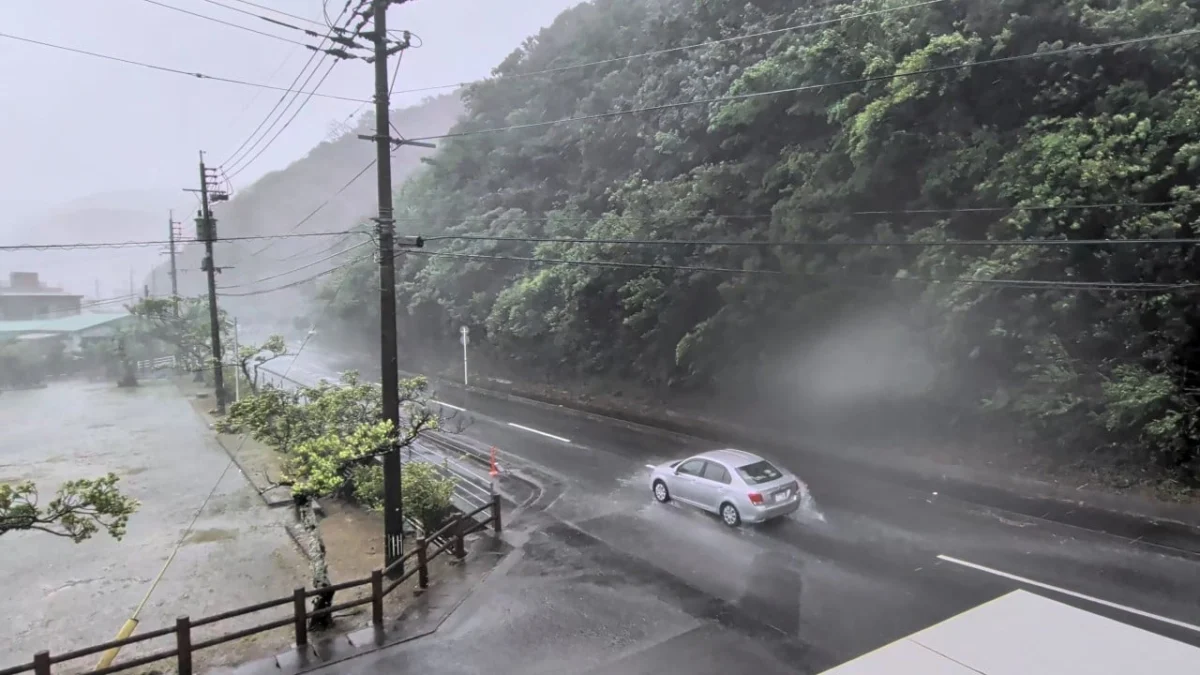
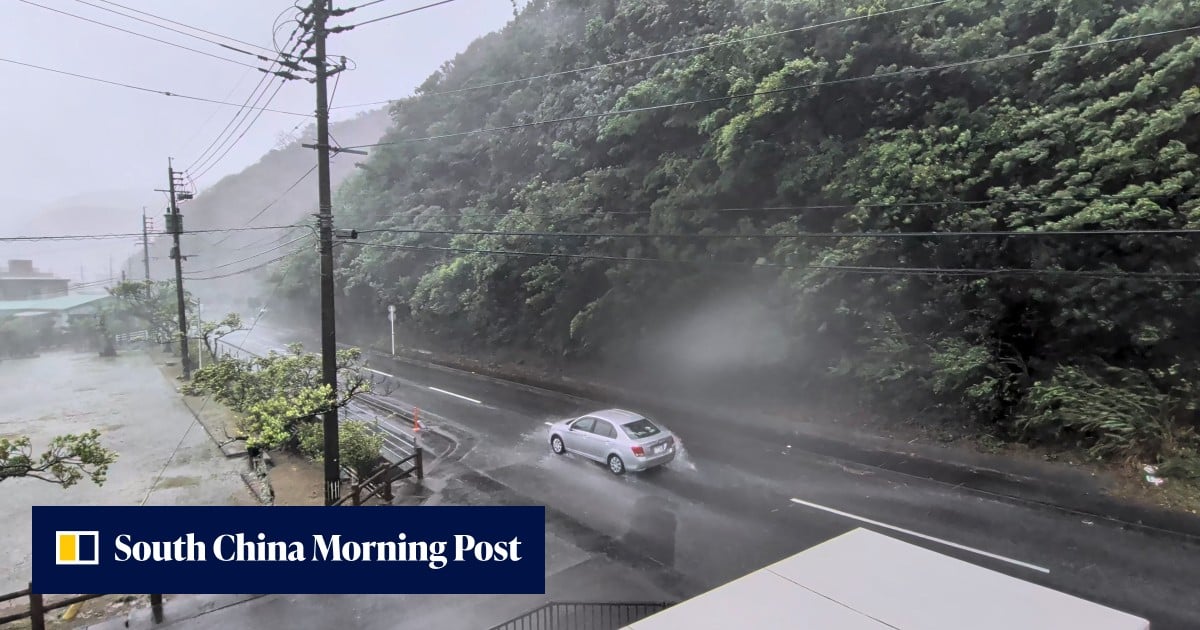
Hong Kong holidaymakers found themselves weathering the disruptive force of Typhoon Dolphin on Friday, facing a grim reality of depleted supermarket shelves, the specter of power outages, and increasingly violent weather as the storm slammed into Japan’s southern island of Okinawa. The typhoon’s onslaught led to the closure of Naha Airport, the island’s primary gateway, effectively severing all direct flight connections for those hoping to return home to Hong Kong. This abrupt halt to travel plans left an unknown number of tourists in a state of uncertainty, grappling with the immediate challenges posed by the severe weather event.
Social media channels, often the first to disseminate ground-level observations, provided a stark visual narrative of the unfolding situation. Images shared by Hong Kong-centric travel accounts depicted scenes of barren bread aisles in supermarkets, a clear indicator of pre-emptive or panic-driven shopping as residents and visitors alike braced for the typhoon’s impact. Torrential rain was seen lashing across various parts of the popular tourist destination, painting a dramatic picture of the storm’s ferocity. However, travelers’ accounts also suggested a degree of variability in the storm’s intensity across Okinawa, with some areas experiencing the brunt of its fury more acutely than others.
According to Papa Traveller, a Hong Kong-based travel account actively documenting the situation, the northern regions of Okinawa, including the vicinity of the renowned Churaumi Aquarium, were subjected to "extremely heavy wind and rain." This description suggests a localized intensification of the typhoon’s core impact in these areas. In contrast, the southern capital of Naha experienced a temporary reprieve, described as being "temporarily caught in a gap between rainbands." This meteorological phenomenon, known as an eye-wall replacement cycle or simply a lull within the storm, would have offered a brief, deceptive calm before the storm’s full force potentially returned.
Further evidence of the widespread disruption emerged from a Cantonese-language Okinawa social media page. This platform shared a photograph that starkly illustrated the impact on local supply chains: empty supermarket shelves. The post served as a clear warning and a call to action for visitors, particularly those situated in the central and northern parts of the island. It advised them to proactively prepare essential supplies such as candles and drinking water, acknowledging the significant possibility of power and water service interruptions due to the typhoon’s destructive potential. This advisory underscored the seriousness of the situation and the practical challenges faced by those caught in the storm’s path.
However, the narrative of widespread scarcity was not universally applicable. One traveler, whose location was identified as Mihama, offered a contrasting perspective. This individual reported experiencing comparatively calmer conditions, noting that two major supermarkets in their vicinity still maintained adequate stock levels. Crucially, they observed a distinct lack of panic buying, suggesting a more measured response in their immediate surroundings. This divergence in experiences highlights the localized nature of typhoon impacts, where the precise path and intensity can lead to vastly different conditions even within relatively short distances.
The disruption extended beyond essential supplies to the realm of leisure and commerce. Several prominent tourist attractions and popular shopping centers were forced to close their doors on Friday in response to the escalating storm. Among the establishments that ceased operations were the DMM Kariyushi Aquarium and the Aeon Mall Okinawa Rycom, indicating a widespread shutdown of public life and commercial activity as the island prioritized safety. These closures meant that visitors who had planned days of exploration and retail therapy found their itineraries abruptly curtailed, adding another layer of disappointment to their typhoon-bound holidays.
The impact of Typhoon Dolphin was not confined to Okinawa alone. Across southwestern Japan, the storm triggered a cascade of flight cancellations, with more than 500 services grounded. This widespread disruption underscored the typhoon’s broad reach and its significant impact on regional transportation networks. Furthermore, the scale of the threat necessitated large-scale evacuations. In Okinawa and neighboring Kagoshima prefectures, nearly 260,000 residents were issued evacuation orders. These directives were issued in response to urgent warnings of potentially devastating winds, torrential rainfall, and dangerous high waves, painting a grim picture of the anticipated aftermath of the storm.
The Approaching Storm: A Timeline of Anticipation and Impact
The arrival of Typhoon Dolphin was not an unexpected event. Meteorologists had been closely tracking its trajectory for days, issuing increasingly urgent warnings as it intensified and charted a course towards the Ryukyu Islands, of which Okinawa is the largest.
Pre-Typhoon Preparations: In the days leading up to Friday, authorities in Okinawa had begun issuing advisories for residents and tourists to prepare for the storm. This included advice on securing property, stocking up on essential supplies, and staying informed about weather updates. The activation of disaster response mechanisms by local governments signified the seriousness with which the impending typhoon was being treated.
Friday’s Onslaught: As Friday dawned, Typhoon Dolphin made its approach. Reports from various parts of the island began to filter in, detailing the escalating wind speeds and rainfall. By mid-morning, the full force of the storm was being felt in many areas, leading to the initial closures of transportation hubs and businesses. The cancellation of flights at Naha Airport marked a critical turning point for stranded tourists, signaling the onset of significant travel disruptions.
Mid-Day Intensification: Throughout Friday afternoon, the typhoon continued to batter Okinawa. Social media updates became more frequent, reflecting the growing severity of the weather. The stark images of empty shelves and flooded streets began to circulate widely, creating a sense of urgency and concern among those monitoring the situation. Evacuation orders were issued for vulnerable populations, underscoring the life-threatening risks associated with the storm.

Evening and Beyond: As night fell, the typhoon’s impact was expected to persist. Emergency services were on high alert, dealing with the immediate consequences of the storm, such as fallen trees, power outages, and potential structural damage. The focus for stranded tourists shifted from enjoying their holiday to ensuring their immediate safety and well-being, with many likely hunkering down in their accommodations.
Supporting Data: Quantifying the Typhoon’s Reach
While specific, real-time data on the exact number of Hong Kong tourists stranded is not publicly available, the broader impact of Typhoon Dolphin can be contextualized through available statistics.
- Flight Cancellations: The figure of "more than 500 flights cancelled across southwestern Japan" is a significant indicator of the disruption. Naha Airport (OKA) is a major hub, and these cancellations directly affected thousands of travelers, including those from Hong Kong. The economic impact of such widespread cancellations is also substantial, affecting airlines, tour operators, and the hospitality sector.
- Evacuation Orders: The order for "nearly 260,000 residents in Okinawa and Kagoshima prefectures to evacuate" highlights the scale of the threat to human life and property. This number represents a substantial portion of the population in these prefectures, indicating that authorities deemed the risk too high to remain in their homes.
- Typhoon Strength: While not detailed in the original report, typhoons are categorized based on their wind speeds. For context, a Category 1 typhoon typically has sustained winds of 74-95 mph (119-153 km/h), while a Category 5 has winds exceeding 157 mph (252 km/h). The "violent winds" mentioned in the report suggest a significant category, capable of causing widespread damage. The Japan Meteorological Agency (JMA) would have provided specific intensity data, which would inform the severity of the warnings and evacuations.
- Economic Impact: The tourism sector in Okinawa is a vital component of its economy. Prolonged disruptions due to typhoons can lead to significant financial losses, impacting hotels, restaurants, souvenir shops, and transportation services. The longer the typhoon impacts the region, the more severe these economic consequences become.
Official Responses and Safety Measures
In the face of Typhoon Dolphin, a multi-faceted response was initiated by Japanese authorities and various organizations.
- Japan Meteorological Agency (JMA): The JMA played a crucial role in tracking the typhoon, providing detailed forecasts, and issuing warnings. Their timely and accurate information is critical for enabling proactive measures and informing the public about the impending dangers. The agency would have provided updates on wind speed, precipitation, storm surge, and the typhoon’s projected path.
- Local Government and Disaster Management: Prefectural and municipal governments in Okinawa and Kagoshima activated their disaster management plans. This involved coordinating evacuation efforts, mobilizing emergency services, and preparing temporary shelters for displaced residents. Their primary objective is the safety and well-being of their citizens and visitors.
- Airlines and Transportation Providers: Airlines, including those operating direct flights from Hong Kong to Okinawa, made the decision to cancel services to ensure the safety of passengers and crew. Ferry services and local public transportation may also have been suspended depending on the severity of the weather.
- Consular Assistance (Implied): While not explicitly stated, Hong Kong’s Immigration Department and its representatives in Japan would have been monitoring the situation closely to provide assistance to any Hong Kong residents facing difficulties. This could include providing advice, facilitating communication with families, or assisting with emergency travel arrangements if feasible.
Broader Impact and Implications
The situation in Okinawa serves as a stark reminder of the vulnerability of island communities and popular tourist destinations to the escalating threats posed by climate change and increasingly severe weather events.
- Tourism Sector Resilience: The incident highlights the need for enhanced resilience planning within the tourism sector. This includes developing robust contingency plans for natural disasters, ensuring clear communication channels with travelers, and exploring options for travel insurance that adequately covers storm-related disruptions. For Hong Kong travelers, this event underscores the importance of purchasing comprehensive travel insurance that includes provisions for natural disasters and flight cancellations.
- Infrastructure Preparedness: The potential for power and water cuts points to the ongoing challenge of maintaining critical infrastructure in the face of extreme weather. Investments in strengthening power grids, water supply systems, and communication networks are crucial to minimize disruption and ensure public safety during such events.
- Climate Change Context: While attributing any single weather event solely to climate change is complex, the increasing frequency and intensity of typhoons in the region are consistent with scientific projections. This situation serves as a tangible example of the real-world consequences of a warming planet, emphasizing the need for global action on climate mitigation and adaptation.
- Traveler Preparedness: The experiences of Hong Kong holidaymakers in Okinawa underscore the importance of traveler preparedness. This includes staying informed about weather forecasts before and during travel, heeding official advisories, and having a flexible mindset when encountering unforeseen circumstances. The availability of social media updates, while valuable, should be supplemented by official information from meteorological agencies and local authorities.
The disruption caused by Typhoon Dolphin in Okinawa is a complex event with far-reaching implications, affecting not only those directly caught in its path but also the broader tourism industry and the ongoing global conversation about climate change and disaster preparedness. The immediate concern for stranded Hong Kong tourists remains their safety and well-being, with the hope that normal travel conditions will resume as soon as the typhoon has passed and the island begins its recovery.