Legislative Council Delegation Engages with Hong Kong and Macau Affairs Office Director in Beijing to Shape City’s Future
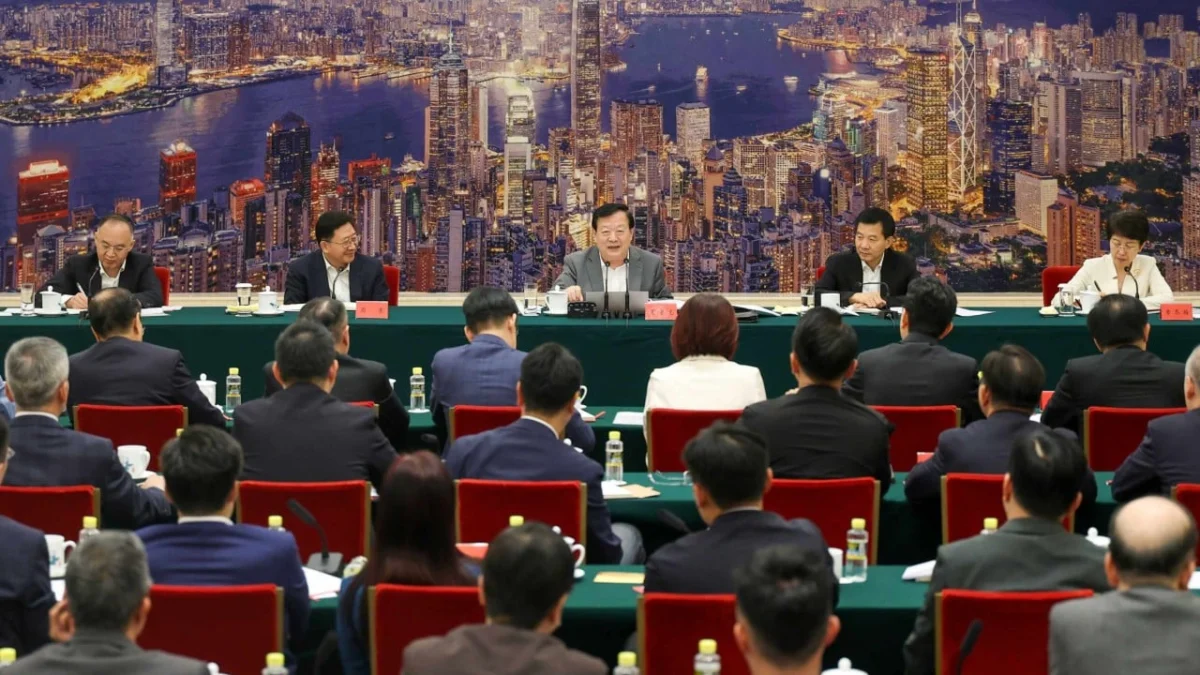
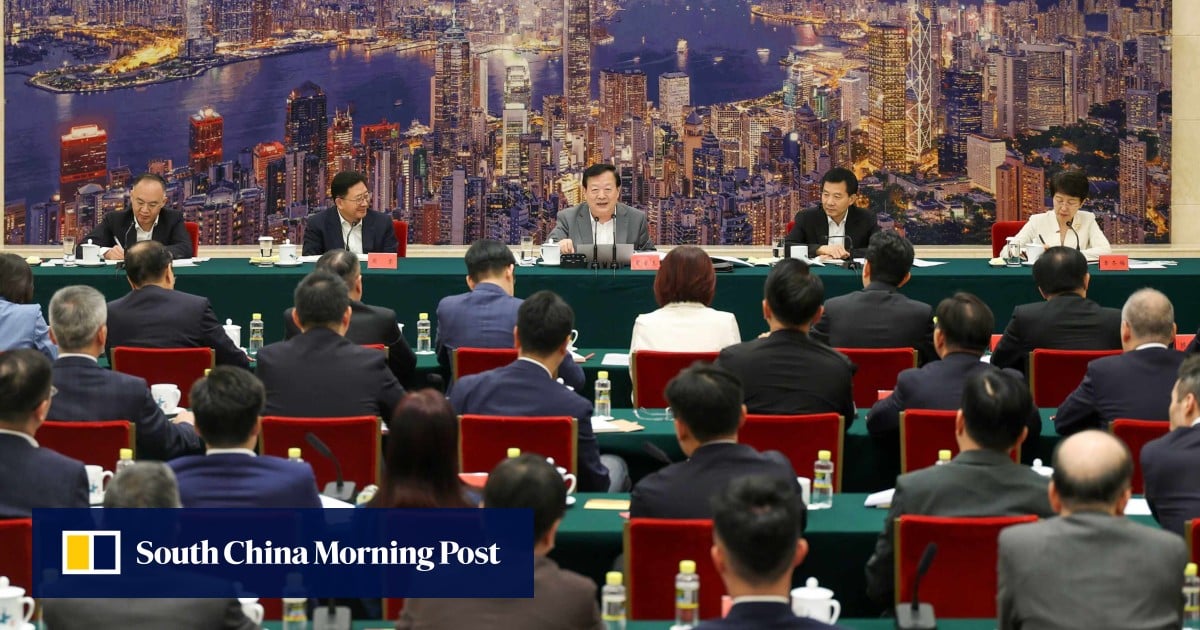
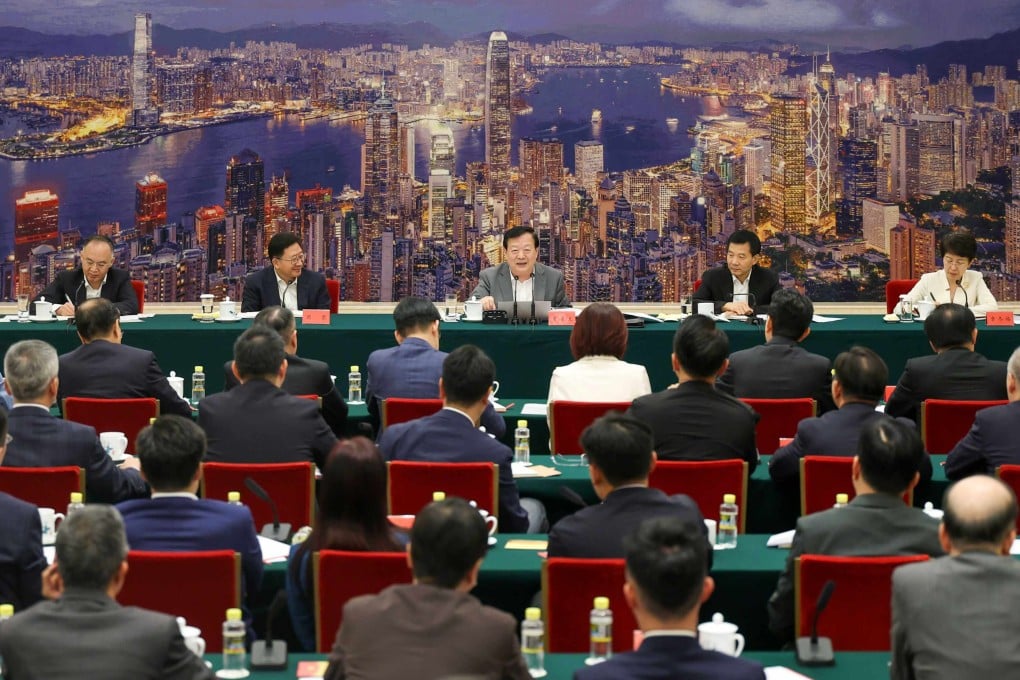
Hong Kong lawmakers have concluded a pivotal week-long study trip to Beijing, engaging in high-level discussions that Legislative Council president Starry Lee Wai-king described as instrumental in shaping the city’s inaugural five-year plan. The delegation’s visit, culminating on Saturday, involved direct consultations with Xia Baolong, director of the State Council’s Hong Kong and Macau Affairs Office, at the prestigious Great Hall of the People. This unprecedented engagement underscores a concerted effort to align the city’s legislative agenda with national development strategies and address pressing local concerns.
Strategic Dialogue in the Capital
The meeting with Director Xia Baolong served as a central pillar of the delegation’s agenda. According to President Lee, the discussions provided lawmakers with invaluable insights into Beijing’s expectations and support for Hong Kong’s future development. Director Xia reportedly urged the Legislative Council members to embrace their enhanced role within the "new era," emphasizing their responsibility to champion good governance, invigorate Hong Kong’s economic momentum, and actively assist the HKSAR government in tackling deeply entrenched challenges and addressing the immediate needs of its citizens.
"Director Xia encouraged us to fully play our role in the Legislative Council under this new era to promote good governance, strengthen Hong Kong’s development momentum, assist the Hong Kong government in resolving deep-seated, long-standing problems and address the pressing issues that residents urgently hope to see solved," President Lee stated upon the delegation’s return. She further conveyed the collective commitment of the lawmakers to deepen their understanding and elevate their professional capabilities in response to the guidance received.
The delegation also used the opportunity to brief mainland officials on the contemporary economic and social landscape of Hong Kong. This exchange was reportedly complemented by expert presentations offering recommendations specifically tailored for the city’s forthcoming five-year plan. The overarching objective, as articulated by President Lee, was to leverage the insights gained from the Beijing visit to enhance the Legislative Council’s research capacity and to formulate policy proposals that comprehensively reflect the diverse interests of various political factions, business sectors, and the broader community.
Context and Chronology of the Beijing Visit
The study trip, which spanned several days leading up to Saturday, represents a significant development in inter-governmental and inter-legislative relations between Hong Kong and the mainland. While Legislative Council members frequently engage with mainland counterparts on specific policy matters, a formal delegation of this nature, with direct consultations at such a high level and with the explicit objective of informing long-term strategic planning, is relatively uncommon.
The timing of the visit is particularly noteworthy, occurring as Hong Kong intensifies its efforts to formulate its first comprehensive five-year plan. This plan is intended to serve as a roadmap for the city’s development across various sectors, from economic diversification and innovation to social welfare and environmental sustainability, for the period between 2025 and 2030. The inclusion of mainland authorities in this consultative process signals a desire for greater synergy and alignment between local aspirations and national strategic priorities.
The delegation’s itinerary likely included engagements with various ministries and departments relevant to Hong Kong’s economic and social affairs, beyond the Hong Kong and Macau Affairs Office. These engagements would have provided a broader understanding of national policies and initiatives that could impact or integrate with Hong Kong’s development trajectory. The focus on "deep-seated, long-standing problems" and "pressing issues" suggests that the discussions delved into complex challenges such as housing affordability, economic diversification away from traditional strengths, and addressing the aspirations of different demographic groups within the city.
Supporting Data and Policy Imperatives
The formulation of a five-year plan for Hong Kong is a critical undertaking aimed at charting a sustainable and prosperous future for the city. While specific data points from the Beijing discussions were not fully disclosed, the emphasis on "good governance" and "development momentum" points towards key policy imperatives.
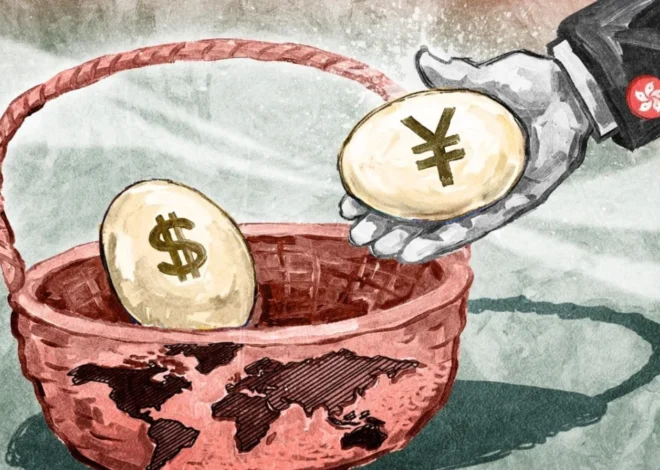
Economic Diversification: Hong Kong’s economy has historically relied heavily on finance and trade. The push for greater "development momentum" likely entails discussions on fostering new growth engines, particularly in areas like innovation and technology, biotechnology, and green finance. Data from the Hong Kong Monetary Authority (HKMA) indicates a continued strong performance in the financial services sector, which contributed approximately 23% of the city’s GDP in recent years. However, there is a recognized need to broaden this base. Mainland China’s own strategic focus on technological advancement and its vast domestic market present significant opportunities for Hong Kong to integrate further into national supply chains and innovation ecosystems.
Addressing Social Challenges: The mention of "deep-seated, long-standing problems" and "pressing issues" directly relates to persistent social challenges. Housing affordability remains a critical concern, with average home prices significantly exceeding average incomes. The government has implemented various measures, but a comprehensive long-term strategy is essential. Furthermore, an aging population and the need for enhanced social welfare services are areas that require sustained attention and investment. The delegation’s discussions likely touched upon potential collaboration with mainland initiatives in areas such as elder care, healthcare, and talent development.
Strengthening Research and Professional Capabilities: President Lee’s commitment to enhancing the Legislative Council’s research role and professional capabilities is crucial. A robust research capacity allows lawmakers to analyze complex issues, scrutinize government proposals, and develop evidence-based policy recommendations. This aligns with the broader national emphasis on strengthening institutional capacity and fostering a more informed and effective policy-making process. The trip to Beijing would have provided exposure to mainland China’s research institutions and policy-making frameworks, offering potential avenues for knowledge transfer and collaboration.
Broader Impact and Implications
The engagement between Hong Kong lawmakers and senior mainland officials in Beijing carries significant implications for the city’s governance and future trajectory.
Enhanced Policy Coherence: By directly engaging with the Hong Kong and Macau Affairs Office, the Legislative Council signals a commitment to ensuring that its legislative agenda is aligned with national development strategies and the central government’s vision for the Greater Bay Area and beyond. This can lead to greater policy coherence and more effective implementation of initiatives that span both Hong Kong and the mainland.
Strengthened Role of the Legislative Council: Director Xia’s encouragement for lawmakers to "fully play their role" suggests an expectation that the Legislative Council will be a proactive partner in governance, contributing not just through oversight but also through constructive policy formulation. This could lead to a more dynamic and impactful legislative process, with lawmakers playing a more significant role in identifying and addressing societal challenges.
Public Perception and Trust: The transparency and inclusiveness of the five-year plan development process are crucial for maintaining public confidence. By involving a broad spectrum of lawmakers in these high-level discussions, the government signals a commitment to a representative and collaborative approach. The communication of the insights gained from the Beijing trip will be important in demonstrating how diverse voices are being considered in the planning process.
Economic Integration and Opportunities: The discussions undoubtedly touched upon Hong Kong’s role within the broader economic landscape of mainland China. This could lead to initiatives that facilitate greater cross-border investment, talent flow, and collaboration in key industries, potentially unlocking new economic opportunities for Hong Kong. The city’s unique advantages as an international financial center and a gateway to the mainland are likely to be further leveraged in this integrated development model.
The successful integration of Hong Kong into national development frameworks, while preserving its distinctiveness and autonomy, remains a complex balancing act. The insights gained from this high-level delegation trip to Beijing represent a crucial step in fostering mutual understanding and collaboration, paving the way for a more coordinated and effective approach to addressing the challenges and opportunities that lie ahead for Hong Kong. The coming months will reveal how the deliberations in the Great Hall of the People translate into concrete policy proposals and actions that shape the city’s future over the next five years and beyond.