Legionella Bacteria Found in Water Dispensers at Hong Kong Sanatorium and Hospital Poses Serious Health Risk
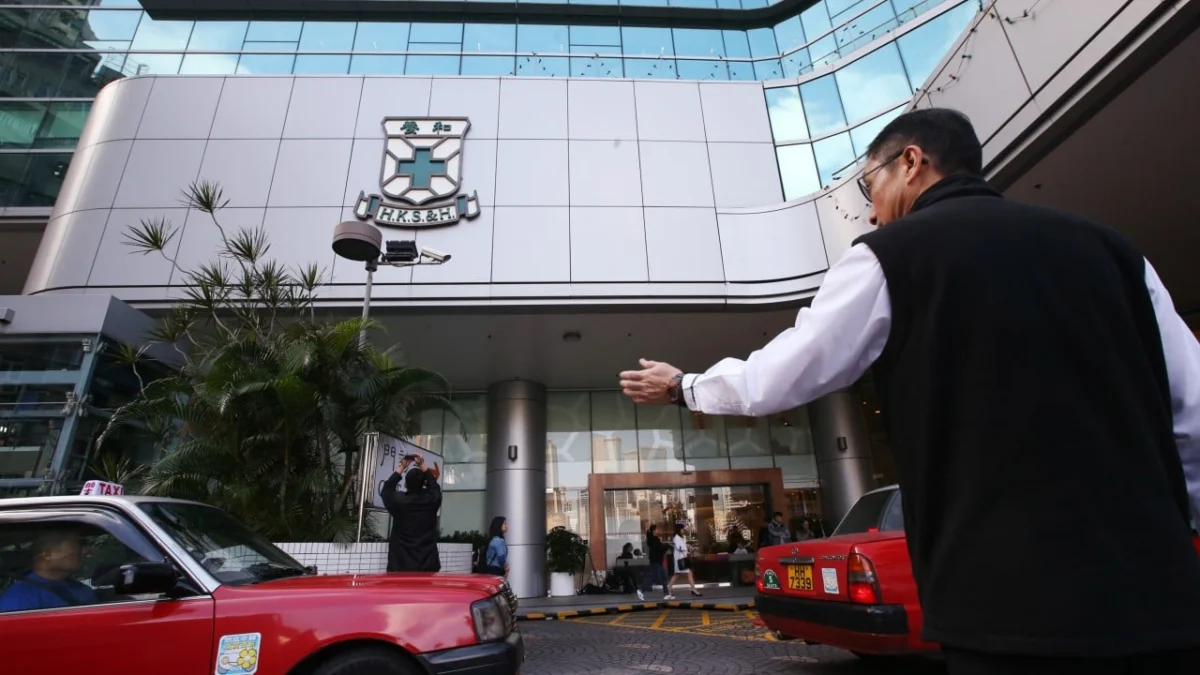
An 89-year-old patient at the prestigious Hong Kong Sanatorium and Hospital is believed to have contracted Legionnaires’ disease from contaminated water dispensed within the facility, prompting an urgent investigation and heightened public health scrutiny. The Centre for Health Protection (CHP) confirmed on Tuesday that samples taken from cooled boiled water dispensers on the patient’s ward tested positive for Legionella pneumophila at levels significantly exceeding safety guidelines for healthcare settings. The discovery has raised serious concerns about water safety protocols in hospitals and the potential risks posed to vulnerable patient populations.
The incident came to light after the elderly patient, admitted in April for pre-existing medical conditions, developed a severe respiratory illness. His symptoms, initially mild shortness of breath, escalated significantly on July 6. A subsequent respiratory specimen collected by hospital staff revealed the presence of Legionella pneumophila, the bacterium responsible for Legionnaires’ disease. Fortunately, the patient’s condition has since improved following prompt antibiotic treatment, a critical factor in managing this potentially fatal illness.
Timeline of Events and Investigation
The unfolding situation at the Hong Kong Sanatorium and Hospital can be pieced together through official statements and hospital records, revealing a critical timeline:
- April 1, 2026: The 89-year-old patient is admitted to the Hong Kong Sanatorium and Hospital for pre-existing medical conditions.
- Early July 2026: The patient begins to experience a worsening of shortness of breath, a symptom that prompts further medical attention.
- July 6, 2026: Hospital staff collect a respiratory specimen from the patient due to the exacerbated symptoms.
- July 2026 (Specific Date Not Provided): The respiratory specimen tests positive for Legionella pneumophila. The patient is placed on antibiotic treatment.
- Early August 2026 (Prior to August 4): Following the positive test result and subsequent investigation, the CHP is alerted to the potential environmental contamination.
- August 4, 2026 (Approximate Date of Sample Collection): The CHP conducts testing of water dispensers at the hospital.
- August 5, 2026 (Published Date of Article): The Centre for Health Protection confirms that water dispenser samples tested positive for Legionella pneumophila at levels far above safety thresholds. Genetic analysis confirms the bacteria in the water matches the strain found in the patient’s respiratory specimen, establishing a strong link between the contamination and the patient’s illness. The hospital announces immediate cessation of use for affected dispensers and places 137 patients on medical surveillance.
Understanding Legionnaires’ Disease and the Bacteria
Legionnaires’ disease is a severe form of pneumonia that can be contracted by inhaling airborne water droplets contaminated with Legionella bacteria. The bacteria are naturally found in freshwater environments, such as lakes and streams, but can thrive and multiply in man-made water systems, particularly those that are warm and stagnant. These include cooling towers, hot and cold water systems, humidifiers, whirlpool spas, and decorative fountains.
The bacterium identified, Legionella pneumophila, is the most common cause of Legionnaires’ disease. In healthcare settings, the risk is amplified due to the presence of individuals with weakened immune systems, elderly patients, and those with chronic respiratory conditions, all of whom are more susceptible to infection and severe complications. The incubation period for Legionnaires’ disease typically ranges from 2 to 10 days, with symptoms including fever, cough, shortness of breath, muscle aches, headaches, and sometimes gastrointestinal issues. Without prompt diagnosis and treatment, the disease can lead to severe lung damage, respiratory failure, and even death.
Supporting Data and Safety Thresholds
The concentration of Legionella pneumophila found in the water dispensers at the Hong Kong Sanatorium and Hospital was reported to be "far above the safety threshold for high-risk areas of hospitals." While specific quantitative data on the bacterial counts was not immediately released, the implication is that the levels detected were significantly higher than what is considered safe for a hospital environment, particularly for patient consumption or inhalation.
Health authorities typically set stringent limits for Legionella in hospital water systems. For instance, the World Health Organization (WHO) and various national health bodies recommend that Legionella counts in hospital water systems should ideally be below 100 colony-forming units per litre (cfu/L). Levels exceeding 1,000 cfu/L are often considered indicative of a significant risk and require immediate remedial action. The statement from the CHP suggests that the contamination at the Hong Kong Sanatorium and Hospital likely surpassed these critical thresholds, underscoring the severity of the breach.
Hospital’s Response and Patient Surveillance
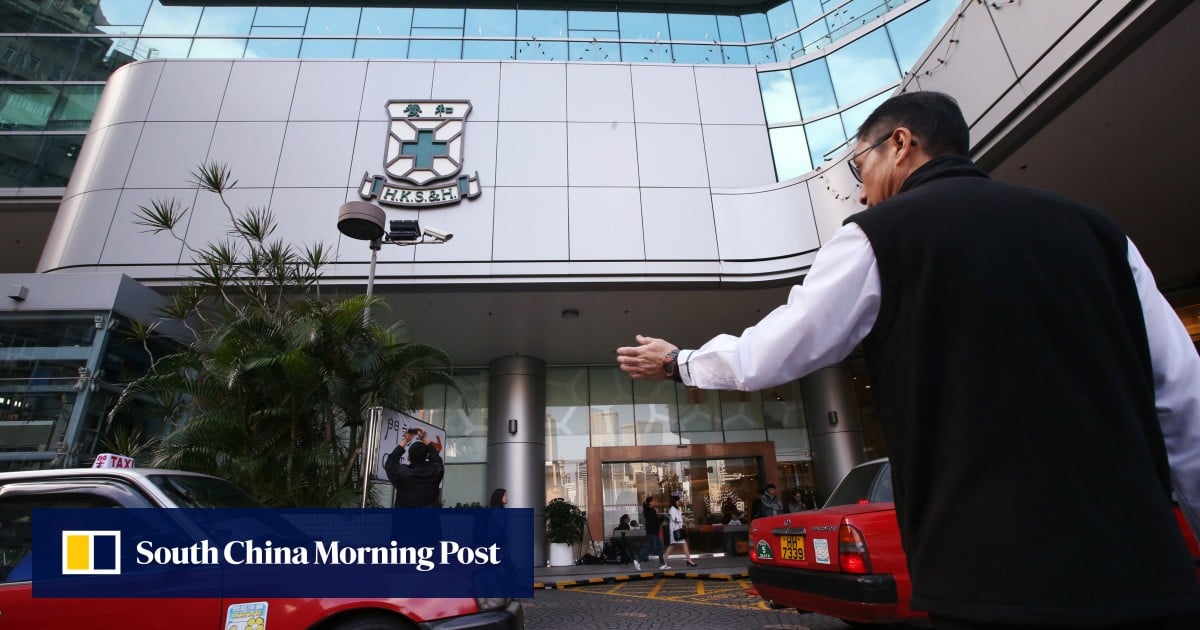
Upon confirmation of the contamination and its link to the patient’s illness, the Hong Kong Sanatorium and Hospital took immediate action. The affected cooled boiled water dispensers were promptly taken out of service to prevent further exposure. This decisive step is crucial in halting the spread of the bacteria.
Furthermore, the hospital, in collaboration with health authorities, has initiated a comprehensive surveillance program for patients who stayed on the same floor as the infected individual. A total of 137 patients are currently under close medical observation. This proactive measure is essential to detect any early signs of illness among potentially exposed individuals and to intervene swiftly if necessary. To date, no other patients on that ward have developed symptoms of Legionnaires’ disease, a positive indicator that the containment measures may be effective.
Broader Implications for Healthcare Water Safety
This incident at a prominent private hospital in Hong Kong raises critical questions about the robustness of water safety management systems in healthcare facilities across the region. Hospitals are environments where stringent hygiene and safety standards are paramount, especially concerning water, which is essential for patient care, hygiene, and consumption.
The potential for Legionella to proliferate in water systems highlights the need for:
- Regular and Rigorous Testing: Consistent monitoring of water quality for Legionella bacteria is indispensable, particularly in areas catering to vulnerable patient groups.
- Effective Water Management Programs: Hospitals must implement comprehensive water management plans that address temperature control, water stagnation, disinfection protocols, and regular flushing of systems.
- Proactive Maintenance: Regular maintenance of water systems, including pipework, tanks, and dispensing units, is vital to prevent biofilm formation where Legionella can thrive.
- Staff Training and Awareness: Healthcare staff must be adequately trained on the risks associated with Legionella and the importance of adhering to water safety protocols.
- Rapid Response Mechanisms: Clear protocols for investigating and responding to potential contamination incidents are crucial to minimize risk to patients.
The discovery of Legionella in a hospital setting, even in dispensers for cooled boiled water, underscores that no part of the water system is entirely immune from contamination. The bacteria can potentially enter these systems through various means, and their ability to multiply rapidly under favourable conditions makes them a persistent threat.
Official Statements and Public Health Outlook
The Centre for Health Protection has stated its commitment to thoroughly investigating the source and extent of the contamination. Their role extends to ensuring that the hospital implements all necessary corrective and preventive measures to safeguard patient health.
"We are working closely with the hospital to ensure all appropriate actions are taken to prevent further cases," a CHP spokesperson stated. "This includes a thorough review of their water management systems and the implementation of enhanced disinfection and monitoring protocols."
The incident serves as a stark reminder that Legionnaires’ disease, though preventable, remains a significant public health concern. While the current case appears to be isolated to a single patient and the hospital has acted swiftly, the potential for such outbreaks necessitates continuous vigilance from both healthcare providers and public health agencies. The focus now shifts to ensuring that the Hong Kong Sanatorium and Hospital rectifies any deficiencies in its water safety management and that lessons learned are disseminated to other healthcare institutions to prevent similar occurrences. The well-being of patients remains the paramount concern, and a robust approach to water safety is a non-negotiable component of providing quality healthcare.