Iran Bolsters Short-Range Defenses with Major Chinese Missile Acquisition Amid Escalating Regional Conflict
Tehran is poised to receive a significant shipment of up to 400 Chinese-manufactured shoulder-fired air defense missile systems within the coming weeks, a move that marks one of Iran’s most substantial efforts to fortify its short-range defenses following months of direct military confrontation with the United States and Israel. According to three sources familiar with the procurement, the deal is valued between $60 million and $70 million and represents a strategic pivot by the Islamic Republic to address critical vulnerabilities in its domestic security infrastructure. The contract specifically involves the acquisition of man-portable air defense systems (MANPADS), including the QW-12 and FN-16 missile variants, which are designed to intercept low-flying aerial threats such as drones, helicopters, and cruise missiles.
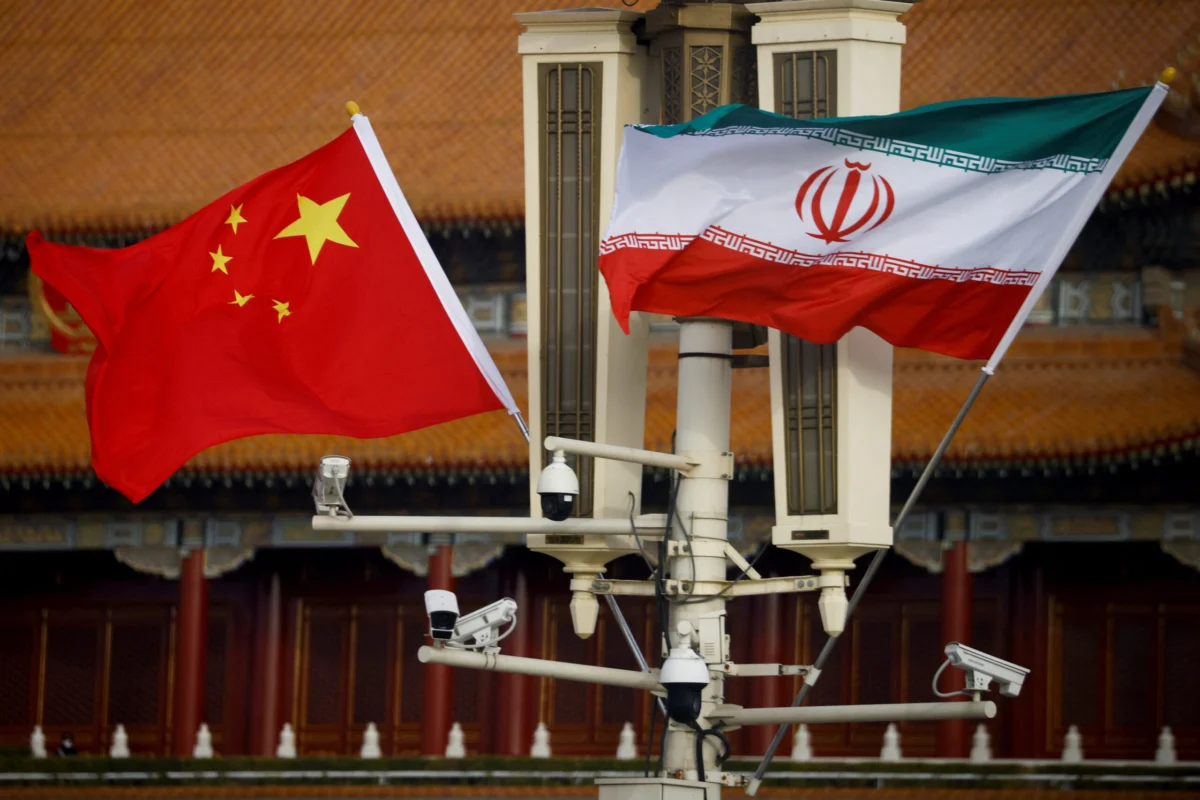
The transaction was reportedly facilitated through Zhongqing Baoshang International Investment, a Hong Kong-based intermediary. This arrangement highlights the complex and often opaque channels utilized by Tehran to secure advanced military hardware despite long-standing international scrutiny and sanctions. As the region remains in a precarious state of "cold war" following a fragile April 2026 ceasefire, the arrival of these systems could significantly alter the tactical landscape, providing Iranian forces with a highly mobile and difficult-to-detect layer of protection for its most sensitive military and energy sites.
A Strategic Shift in Iranian Air Defense Doctrine
The decision to invest heavily in MANPADS follows a series of high-intensity engagements throughout early 2026, during which the United States and Israel conducted precision strikes against Iranian missile production facilities, drone assembly plants, and fixed air defense batteries. These strikes exposed a fundamental weakness in Iran’s reliance on large, static surface-to-air missile (SAM) sites, such as the Russian-made S-300 and the domestically produced Bavar-373. While these systems are formidable against high-altitude threats, they are vulnerable to suppression of enemy air defenses (SEAD) tactics and are often bypassed by low-flying precision munitions and swarms of small unmanned aerial vehicles (UAVs).
Military analysts suggest that the procurement of 400 QW-12 and FN-16 launchers indicates a shift toward a "distributed defense" model. Unlike fixed batteries, MANPADS can be operated by two-person teams, are easily concealed in urban or mountainous terrain, and can be rapidly relocated to counter changing threat vectors. By saturating the airspace around strategic infrastructure with hundreds of these portable units, Iran aims to create a "no-go zone" for low-altitude penetration, complicating the mission planning for any potential future aerial campaigns by Western or regional adversaries.
Technical Specifications: The QW-12 and FN-16
The QW-12 (Vanguard-12) is an advanced iteration of China’s QW series of infrared-homing missiles. It is specifically designed to deal with the complexities of modern electronic warfare and infrared countermeasures. One of its standout features is its dual-band infrared seeker, which allows the missile to distinguish between the heat signature of an aircraft engine and artificial decoys like flares. Furthermore, the QW-12 is equipped with a laser-proximity fuse, which ensures the warhead detonates at the optimal distance from the target, even if a direct hit is not achieved—a critical feature when engaging small, agile drones.
The FN-16 (Fei Nu-16), on the other hand, represents the next generation of Chinese MANPADS technology. It utilizes a two-color infrared/ultraviolet seeker, which provides superior resistance to background clutter and sophisticated jamming. The FN-16 has an effective range of approximately 6 kilometers and can reach altitudes of up to 4,000 meters. Its ability to perform "all-aspect" engagements—meaning it can lock onto a target from the front, side, or rear—makes it a versatile tool for defending against fast-moving strike aircraft and loitering munitions.
Chronology of the Conflict and the Path to Rearmament
The current security crisis traces its roots back to late 2025, when a series of escalations in the Persian Gulf and Levant led to a direct military exchange between Iranian forces and U.S. Central Command (CENTCOM) assets.
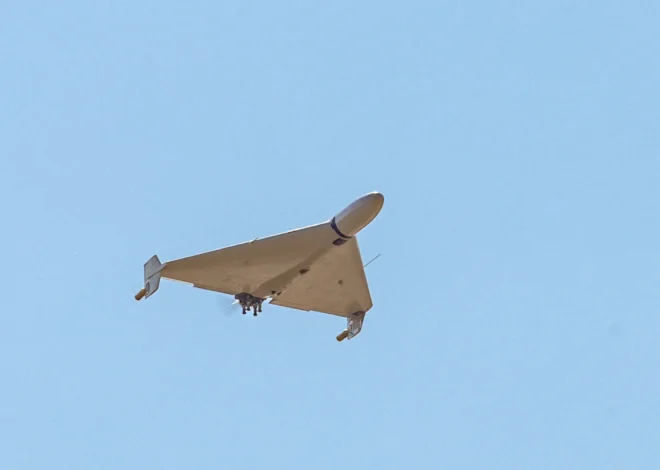
- January – March 2026: A period of intense kinetic activity. The U.S. and Israel launched "Operation Resolute Shield," targeting Iranian drone hubs in Isfahan and missile silos in the Zagros Mountains. Iran responded with the "True Promise III" operation, involving hundreds of ballistic missiles and "Shahed" series drones.
- April 2026: Under international pressure and following significant damage to regional energy infrastructure, a tentative ceasefire was brokered. However, the agreement remained fragile, with both sides accusing the other of minor violations.
- May – June 2026: Intelligence reports began circulating that Tehran was seeking to replenish its depleted stockpiles. Iranian officials reportedly toured defense expos in East Asia and Eurasia, looking for rapid-delivery solutions for short-range air defense.
- July 2026: The deal with Zhongqing Baoshang International Investment was finalized. Sources indicate that the urgency of the delivery is driven by fears that the U.S. might resume large-scale strikes if diplomatic negotiations regarding Iran’s nuclear program and regional influence continue to stall.
Logistics and the Urumqi-Pakistan Route
The logistics of the delivery have become a point of significant diplomatic friction. Sources familiar with the plan indicate that the initial shipments will originate from Urumqi, the capital of China’s Xinjiang Uyghur Autonomous Region. From there, the equipment is slated to transit through Pakistan before entering Iran. It remains unclear whether the transport will be conducted via heavy cargo aircraft or through overland convoys utilizing the burgeoning infrastructure of the China-Pakistan Economic Corridor (CPEC).
The involvement of Pakistan, even as a transit point, is a sensitive matter. The Pakistani military’s public relations wing, ISPR, has issued a categorical denial, calling reports of their involvement "absolutely concocted and false." Islamabad has historically walked a tightrope between its "all-weather" friendship with China, its complicated relationship with neighboring Iran, and its strategic partnership with the United States. Any confirmation that Pakistan is facilitating the transfer of advanced weaponry to Tehran could jeopardize its standing with Washington and its access to international financial aid.
Official Responses and Diplomatic Fallout
The international reaction to the reported deal has been swift and divided. China’s Foreign Ministry has dismissed the reports as "completely groundless," maintaining its official stance that Beijing is a proponent of peace and stability in the Middle East. At a press conference in Beijing, Defense Ministry spokesperson Jiang Bin claimed to be "not familiar" with the situation, a standard response for sensitive defense exports often handled through state-owned intermediaries or private-public partnerships.
In Washington, the news has drawn a sharp response from President Donald Trump. Speaking to reporters, Trump expressed surprise and disappointment, citing personal assurances he claimed to have received from Chinese President Xi Jinping. "I mean, things like that happen, but that would be surprising. [Xi] told me very strongly he wouldn’t partake, but he knows I’d be quite disappointed," Trump stated. The administration has signaled that if the delivery proceeds, it could lead to a further tightening of sanctions on both Iranian and Chinese entities involved in the transaction.
European security agencies have also expressed concern. A European intelligence official noted that they are tracking several similar contracts involving the QW-18 and QW-19 systems, suggesting that the current deal for 400 units might only be the first phase of a much larger rearmament program.
Broader Impact and Regional Implications
The acquisition of 400 MANPADS by Iran carries several long-term implications for regional security and the future of air warfare:
- Increased Attrition Risk for Western Assets: The presence of hundreds of advanced MANPADS makes the "low-altitude" environment extremely dangerous. This forces Western air forces to operate at higher altitudes, which can reduce the accuracy of certain munitions and make it harder to identify mobile targets, such as missile launchers or insurgent groups.
- Proliferation Concerns: There is a historical precedent for Iranian-acquired weaponry finding its way into the hands of regional proxies, including Hezbollah in Lebanon, the Houthis in Yemen, and various militias in Iraq and Syria. If these advanced Chinese MANPADS are shared with these groups, the threat to civilian aviation and regional air forces would expand exponentially.
- Strengthening the China-Iran Axis: This deal underscores the deepening military-technical cooperation between Beijing and Tehran. While China often avoids direct military intervention, its role as a "primary provider" of high-tech defensive and offensive systems allows it to exert influence in the Middle East while challenging U.S. hegemony in the region.
- The "Gray Zone" of Intermediaries: The use of a Hong Kong-based intermediary like Zhongqing Baoshang International Investment demonstrates the evolution of global arms procurement. By using private companies to facilitate state-level deals, nations can maintain a degree of "plausible deniability," making it harder for international regulators to enforce sanctions or track the flow of sensitive technology.
As the delivery date approaches, the eyes of the international community remain fixed on the transit routes from western China. Whether these missiles will serve as a deterrent that stabilizes the current ceasefire or as the catalyst for a new round of escalation remains to be seen. For Tehran, the 400 missiles represent more than just hardware; they are a critical component of a broader strategy to ensure the survival of the regime’s strategic assets in an era of precision-guided warfare.

Related Posts
Pentagon Forges Landmark Seven-Year Agreements with Boeing and RTX to Accelerate Standard Missile-3 Production and Stabilize Defense Supply Chains
Boeing Unveils Ultra Low-Cost Seeker to Enhance Missile Inventory and Combat Cost Challenges in Modern Warfare