Inside the Surveillance Machine: How Madison Square Garden Tracks Its Celebrity Elite
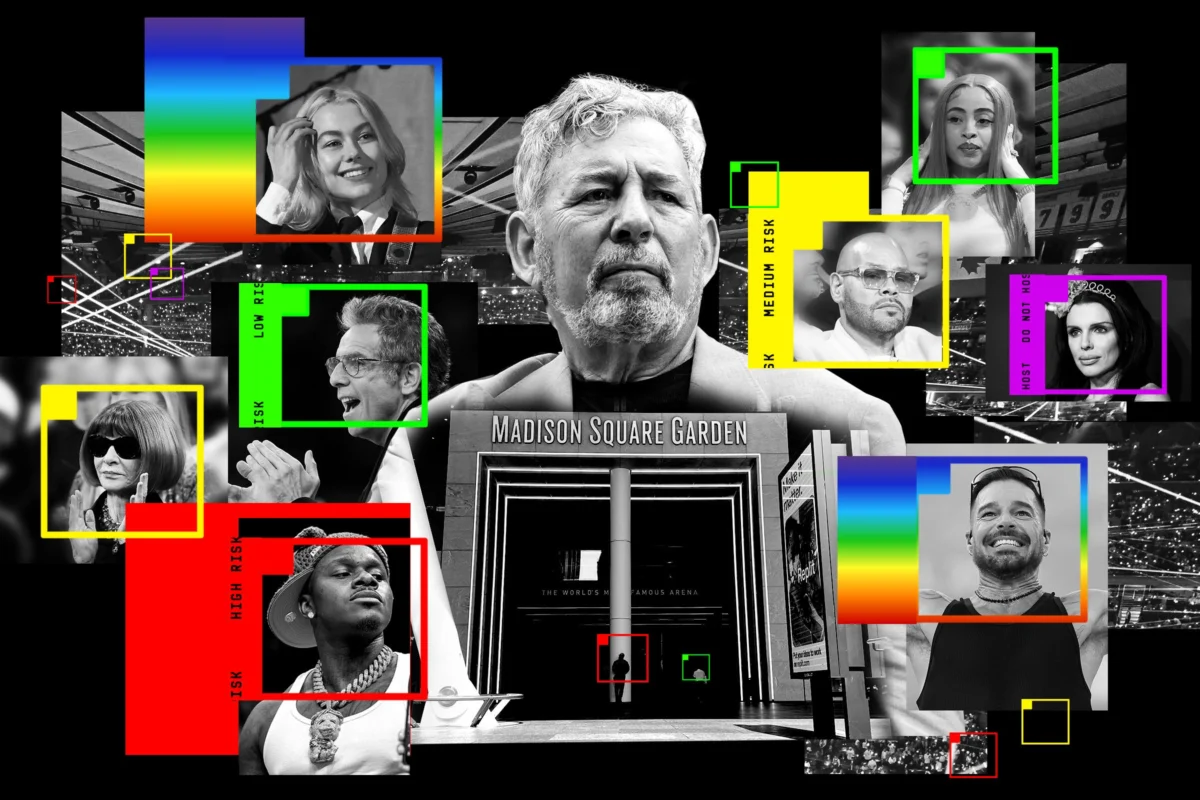
The recent massive data breach orchestrated by the hacking collective ShinyHunters has pulled back the curtain on the internal operations of Madison Square Garden (MSG), revealing a sophisticated and often opaque "talent" management system. While the public has long been aware of owner James Dolan’s controversial management style, the leaked documents provide unprecedented insight into how the organization categorizes, monitors, and potentially penalizes high-profile figures, ranging from A-list celebrities to political power players. At the center of this revelation is a database of nearly 40,000 entries that tracks the perceived "risk" level of the venue’s most prominent visitors, a system that appears to be inextricably linked to the personal grievances and political sensitivities of the organization’s leadership.
The discovery of this "talent database," which includes approximately 400 celebrities marked with specific risk scores, has sparked a firestorm of debate regarding the boundaries of corporate surveillance. Notable figures such as Fat Joe—who has publicly defended Dolan as the "greatest team owner in the game"—are surprisingly categorized as "medium risk." This designation, while seemingly contradictory to his public loyalty, underscores a systemic, almost paranoid approach to celebrity relations within the Garden. The database reveals that even those who are fixtures of the Knicks’ courtside experience are not exempt from internal scrutiny if their social media activity or personal connections fall out of favor with MSG management.
A Chronology of Surveillance and Intrusion
The origins of this surveillance state trace back several years, with the leaked documents containing entries dating as far back as December 2020. The system, which remained active and was updated as recently as June 2026, functioned as a centralized hub for managing both the operational and political aspects of venue access. The timeline of the breach itself, which culminated in a massive data dump on June 16, 2026, highlights the vulnerability of the Garden’s digital infrastructure.
According to technical analysis and reports from cybersecurity experts, the breach was facilitated through "vishing"—voice phishing attacks targeting Microsoft Entra systems. By manipulating internal processes to reset passwords, hackers successfully burrowed into the Garden’s Salesforce environment. This was not an isolated incident; for months leading up to the June leak, Google Threat Intelligence and other security entities had warned of a "ShinyHunters-branded" wave of attacks targeting enterprise-level corporate sign-on services. Despite these widespread warnings, the Garden’s internal defenses proved insufficient to protect the vast repository of personal information it had collected.
The Anatomy of the Risk Database
The talent database categorizes individuals based on a scale that dictates their access to perks, most notably complimentary tickets. The hierarchy is granular: "Flag" serves as the lowest tier, requiring supervisor consultation; "Low Risk" includes regular attendees like Edie Falco and Ben Stiller; "Medium Risk" captures figures like Morgan Wallen and Anna Wintour; and "High Risk" includes outspoken critics or those associated with past controversies.
The criteria for these rankings are often nebulous. For instance, the database frequently references "SM concerns," or social media concerns, as a primary driver for a risk designation. The implications of this are clear: MSG security personnel have been tasked with monitoring the online discourse of celebrities and fans alike. This practice extends to investigating even minor criticisms, such as complaints regarding gate entry or seating experiences, which are logged and used to influence an individual’s future treatment.
The case of Fat Joe is particularly illustrative. While he has been a vocal supporter of the team, his "medium risk" label reportedly stems from his professional and social proximity to other hip-hop artists, such as Jadakiss, who have been openly critical of Dolan. This "guilt by association" methodology suggests that the Garden’s internal intelligence gathering is far-reaching, designed to insulate leadership from dissent by tracking the social networks of those who enter the building.

Political Entanglements and Institutional Bias
Beyond the celebrity ecosystem, the database reveals a strategic use of access as a political tool. MSG has tracked 32 political candidates supported by the MSG PAC, alongside hundreds of elected officials. More telling is the list of individuals recognized for their support during the 2023 permit renewal process. Individuals who signed letters or testified in favor of the Garden—ranging from union leaders to local business owners—are conspicuously absent from any "risk" categories, suggesting that the system is used to reward institutional allies as much as it is used to monitor perceived detractors.
Furthermore, the documentation of sensitive personal information regarding high-ranking officials, such as NYPD Commissioner Jessica Tisch, raises significant legal and ethical questions. The existence of "threat management" files containing private phone numbers and home addresses for public officials indicates that the Garden’s security apparatus operates in a space that often blurs the line between private corporate security and public law enforcement monitoring.
The Human Cost and the Surveillance State
The broader impact of these revelations is a growing concern among digital rights advocates. Organizations like Fight for the Future have pointed to the pattern of surveillance, particularly regarding the Garden’s heightened interest in LGBTQIA individuals and activists who oppose the use of biometric facial recognition. The leaked data, while not containing the facial templates themselves, confirms the existence of a culture that prioritized the collection of personal details over data security.
Legal consequences have already begun to manifest. A class-action lawsuit filed in June 2026 argues that the scale of the data breach is a direct consequence of the Garden’s obsession with building a comprehensive surveillance dossier on its patrons. For the millions of individuals whose personal information—including phone numbers, emails, and birth dates—was compromised, the breach is a stark reminder of the risks associated with the unchecked collection of customer data.
Corporate Response and Future Implications
Madison Square Garden has largely remained silent, with representatives declining to comment on the specifics of the database or the security failures that led to the breach. This silence stands in contrast to the public nature of the information released, which includes everything from internal memos to tax documents of junior employees.
As the dust settles, the implications for the Knicks organization and its ownership are profound. The team’s recent championship run brought a rare moment of unity and positive publicity, yet the backdrop of the surveillance scandal remains a lingering shadow. The fact that celebrities like A Boogie Wit da Hoodie continued to interact with the team during the victory celebrations, despite their "high risk" status, highlights a disconnect between the Garden’s internal security policies and the realities of its public-facing events.
For the security industry, the MSG breach serves as a cautionary tale about the dangers of "over-accessing" data. As Chris Radkowski and other experts have noted, the breach confirms that organizations are still granting far more access to internal systems than individual roles require. The "ShinyHunters" incident proves that when a company maintains a "mountain of data it never needed," it creates an attractive target for bad actors and invites intense public and regulatory scrutiny.
Moving forward, the Garden faces a difficult path to restoring trust with its fans, its celebrity partners, and the public at large. The revelation that the venue is not just a place for entertainment, but a node in a vast,, interconnected web of surveillance and political influence, has permanently altered the relationship between the brand and the city it calls home. Whether these revelations will lead to meaningful changes in corporate policy or increased regulatory oversight remains to be seen, but the era of unchecked data collection at Madison Square Garden has undeniably been brought to a close.

Related Posts
The Las Vegas Cybersecurity Summit and the Escalating Threat of Autonomous Digital Exploitation
New York City Council members and privacy advocates launch legislative campaign to ban biometric facial recognition at public entertainment venues