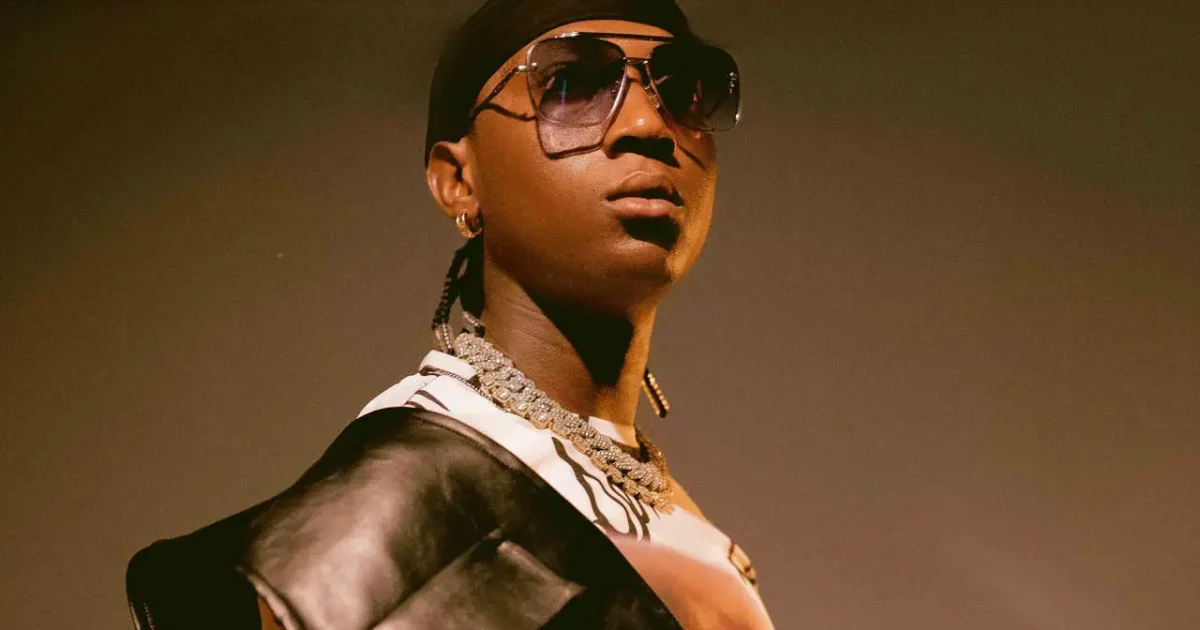
Bella Shmurda Dismisses Viral Reports Alleging a Four Million Dollar Property Scam in Lagos
Popular Nigerian Afrobeats recording artist Akinbiyi Abiola Ahmed, widely known as Bella Shmurda, has officially addressed and debunked widespread media reports alleging that he was the victim of a fraudulent real estate transaction amounting to $4 million. The singer, who has maintained a significant presence in the Nigerian music industry since his breakout in 2020, took to his social media platforms on Friday to clarify his financial and personal standing, labeling the reports as entirely fabricated.
The controversy originated from a series of viral social media posts that suggested the singer had experienced a mental and emotional breakdown during an Instagram Live session. According to these unverified reports, Bella Shmurda allegedly claimed to have lost $4 million of his personal capital on a property in Lagos that turned out to be stolen or subject to illicit title claims. The reports quickly gained traction across various digital news platforms, sparking widespread concern among his fan base and followers regarding his immediate welfare and financial stability.
Chronology of the Viral Misinformation
The sequence of events leading to the singer’s public clarification began earlier this week when an old, out-of-context video clip from 2023 surfaced on social media. In the circulating footage, the singer appeared visibly distressed, leading opportunistic content creators and bloggers to overlay a false narrative regarding the alleged $4 million property loss.
By Thursday, the story had proliferated across microblogging sites, with many outlets reporting the incident as a breaking development. The narrative suggested that the singer had taken to his official Instagram handle to plead for public assistance, stating, "Nigeria, I need your help. I’m not doing okay right now. I spent $4 million of my own hard-earned money, only to find out I bought stolen property."
The gravity of the reported sum—approximately 6 billion Naira at current exchange rates—lent the story a level of shock value that accelerated its spread across the digital landscape. It was not until Friday that the singer intervened, using his Instagram Story to directly contradict the claims. In a brief statement, he advised his followers to exercise skepticism, noting, "Fake news! I wasn’t scammed. Trust bloggers at your own risk. Doing fine and happy. Peace & Love." He further mocked the sensationalist nature of the reports by sharing an additional post with the caption, "4m$ keh? This country no go sleep!"
Contextualizing the Real Estate Climate in Lagos
The rapid spread of the misinformation can be attributed, in part, to the well-documented volatility of the Lagos real estate market, which has long been a subject of public anxiety. Lagos, the commercial nerve center of Nigeria, is characterized by high property demand, complex land tenure systems, and a frequent history of litigation surrounding property ownership.
The "Omo Onile" phenomenon—referring to indigenous land grabbers who often sell the same plot of land to multiple unsuspecting buyers—remains a persistent threat to investors in the state. Because of these systemic challenges, the public was predisposed to believe a narrative involving a property scam, as it aligns with the common frustrations faced by many high-net-worth individuals and middle-class residents in the city.
Industry experts suggest that the ease with which such a high-profile lie was accepted illustrates the susceptibility of the digital news ecosystem to sensationalist framing. In the absence of primary source verification, the narrative regarding Bella Shmurda’s alleged financial ruin served as a case study in how misinformation can leverage existing societal anxieties to generate engagement.
The Role of Digital Media and Verification Standards
The incident involving Bella Shmurda highlights the ongoing tension between rapid digital reporting and the fundamental journalistic requirement for verification. In the era of algorithmic social media, content that elicits strong emotional reactions is often prioritized, frequently at the expense of accuracy.
When the reports first emerged, several media outlets failed to corroborate the claims with the singer’s management team or legal representatives. The subsequent realization that the viral video was an archive clip from 2023—taken out of context to fit a modern narrative—reveals a significant failure in the vetting processes of several online news aggregators.
Representatives from the singer’s camp eventually issued a secondary clarification, confirming that the video in question was indeed an old recording. They maintained that at no point had the singer engaged in any real estate transaction of that magnitude, nor had he ever publicly disclosed private financial information regarding property investments.
Broader Economic and Personal Implications
For a figure like Bella Shmurda, who has spent years building a brand based on authenticity and the "street-hop" aesthetic, such reports can have tangible, if not immediate, impacts. Beyond the personal stress caused by public concern, allegations of massive financial loss can affect professional partnerships and investor perceptions.
While the singer has successfully refuted the claims, the event raises questions about the protections afforded to public figures against defamation and the dissemination of false information. In many jurisdictions, the deliberate publication of false financial news can carry legal consequences. While there is no immediate indication that the singer intends to pursue litigation against the outlets that amplified the story, the incident serves as a reminder of the fragility of reputation in the digital age.
Furthermore, the "4 million dollar" figure—an amount that would represent a significant investment even for A-list global celebrities—underscores the hyperbole often employed in Nigerian entertainment reporting. By inflating figures to grab attention, publishers often undermine the credibility of legitimate investigative journalism.
Analytical Overview: The Impact of Misinformation
The fallout from this incident has prompted a broader discussion regarding the responsibility of social media users and news publishers in Nigeria. With the proliferation of anonymous blogs and "news" accounts, the threshold for what constitutes a legitimate news source has blurred.
- Reputational Risk: For an artist, the perception of being "scammed" can lead to questions regarding business acumen or vulnerability. Bella Shmurda’s swift response was essential in mitigating potential long-term damage to his professional image.
- Audience Trust: When major news outlets replicate false information without verification, the public’s trust in the media institution as a whole is eroded. The subsequent correction of the record by the singer himself was the primary factor in de-escalating the situation.
- Regulatory Challenges: The Nigerian digital space remains largely self-regulated, making it difficult for public figures to enforce accountability against anonymous or decentralized media entities that operate solely on social media platforms.
Conclusion and Future Outlook
As of the current writing, the discourse surrounding the alleged scam has largely shifted to discussions about the dangers of misinformation and the importance of media literacy. Bella Shmurda’s camp has signaled a return to normalcy, focusing on the artist’s upcoming projects and performances.
The singer remains one of Nigeria’s most prominent musical voices, known for his unique blend of conscious lyrics and melodic Afrobeats. His ability to address the situation with humor—referencing the absurdity of the $4 million figure—helped to deflate the narrative effectively.
Moving forward, this incident serves as a cautionary tale for both the public and the media. It highlights the necessity of verifying sensational claims against the timeline of available public records and official statements. For the entertainment industry, the case underscores the vital need for robust public relations and crisis management, particularly in an environment where a single viral video can be distorted to damage a career.
Ultimately, the facts remain clear: the reports were baseless, the video was archival, and the singer is continuing his professional engagements without the financial catastrophe that was falsely attributed to him. The resilience of his brand in the face of such a high-profile misinformation campaign demonstrates the strength of the direct relationship he maintains with his audience, allowing him to bypass traditional channels to set the record straight. As the digital media landscape continues to evolve, the ability of artists to maintain control over their personal narratives will remain a critical component of their success and longevity in the industry.