Hong Kong Students Immerse in PLA Military Life During Annual Summer Camp
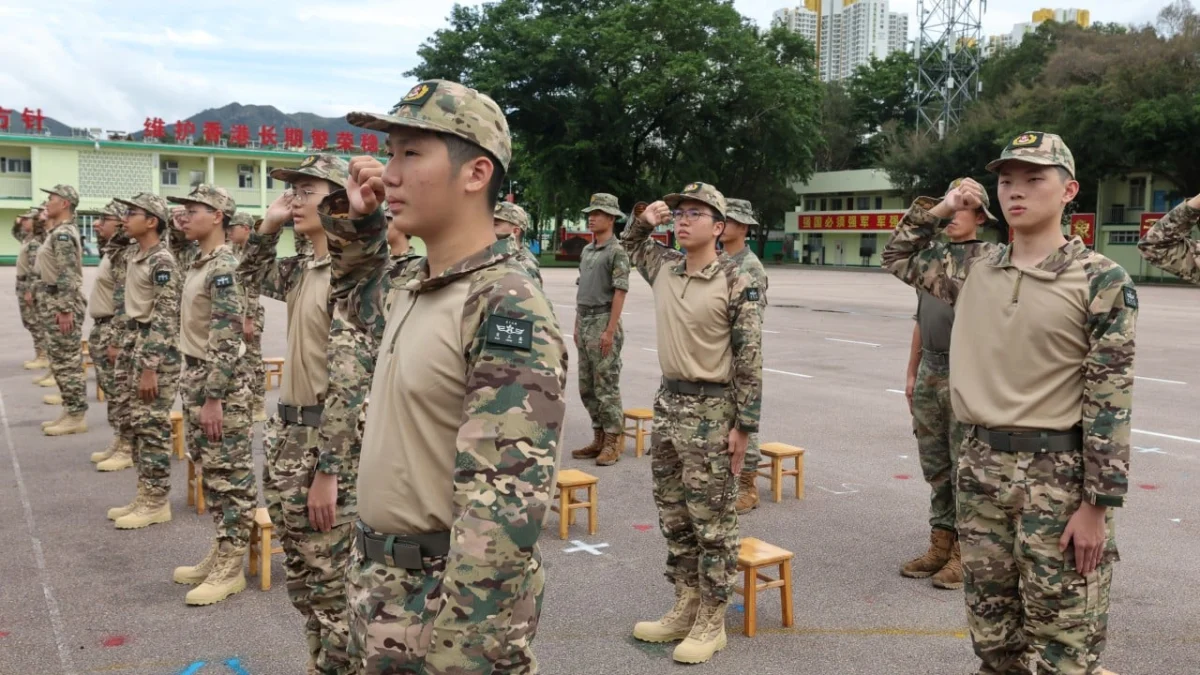
Approximately 500 Hong Kong students are currently experiencing a rigorous immersion into the life of the People’s Liberation Army (PLA) as the PLA garrison in Hong Kong commences its annual summer camp. This initiative, a cornerstone of the garrison’s community outreach and youth engagement programs, aims to foster patriotism, instill discipline, and impart foundational military skills among the city’s youth. The two-week program provides a unique opportunity for participants to step outside their daily routines and engage in activities that highlight the values and operational tempo of the PLA.
Among the eager participants is Lo Wan-lung, a Form One student from Salesian English School. This marks his inaugural experience at the PLA summer camp, a venture he approached with considerable anticipation. Lo, a self-proclaimed military enthusiast, was particularly drawn to the prospect of hands-on weapons training. His curiosity extended to experiencing mock shooting drills, a scenario he had only encountered through media and imagination until now.
"I knew that we would have to fold our bedding into ‘tofu blocks’ at the camp, so I wanted to practise in advance," Lo explained, referring to the meticulous and precise method of folding uniforms and bedding into perfectly squared shapes, a hallmark of PLA discipline. This preparatory effort underscores the students’ commitment and the high expectations associated with the camp. Lo expressed his hope that the camp would serve as a platform for personal growth, allowing him to challenge himself and broaden his perspectives. "I want to improve my physical fitness and fix my irregular schedule," he added, indicating a desire for structure and self-improvement that aligns with the camp’s objectives.
A Tradition of Youth Engagement
The PLA garrison’s summer camp has become an established annual fixture in Hong Kong, building upon a history of interactions designed to bridge the military and civilian communities. While the exact inception year of this specific summer camp program is not detailed in the provided information, such youth engagement initiatives by PLA garrisons in former British colonies have been a consistent feature since the handover of sovereignty. These camps often draw parallels with similar programs conducted by military forces globally, which aim to cultivate civic responsibility, physical prowess, and an understanding of national defense.
The curriculum typically encompasses a range of activities, from physical training and obstacle courses to lectures on national history, defense policies, and the role of the PLA. Participants are often exposed to basic military drills, marching, and even rudimentary tactics. The emphasis on discipline, teamwork, and adherence to rules is paramount, reflecting the core tenets of military life. The "tofu block" bedding fold, highlighted by Lo, is a widely recognized symbol of the meticulous attention to detail and uniformity expected within the PLA.
Curriculum and Objectives
The primary objectives of the summer camp are multifaceted. Firstly, it seeks to instill a sense of patriotism and national identity among Hong Kong youth. By exposing them to the PLA, the program aims to foster an appreciation for national defense and the contributions of the armed forces. Secondly, the camp is designed to cultivate discipline and a strong work ethic. The structured environment, demanding physical activities, and emphasis on order are intended to impart valuable life skills that extend beyond the military context.
Thirdly, the camp provides practical military skills training. While these are introductory in nature, they offer students a glimpse into the operational aspects of the military. This can include familiarization with equipment, basic survival techniques, and the importance of teamwork in operational settings. For students like Lo, the opportunity to engage with weaponry in a controlled and educational environment is a significant draw, fulfilling a keen interest in military technology and application.
The camp’s duration of two weeks is strategically chosen to provide an intensive yet manageable experience. This period allows for a comprehensive introduction to military life without being overly disruptive to the students’ academic schedules. Upon completion, participants are often recognized with certificates, signifying their successful engagement with the program.
Broader Context and Implications
The PLA garrison’s summer camp operates within a broader context of Hong Kong’s political and social landscape. Since the 1997 handover, the PLA has maintained a visible presence in the city, and initiatives like the summer camp are part of its efforts to integrate and build positive relationships with the local community. In recent years, discussions surrounding Hong Kong’s relationship with mainland China and the role of the PLA have become more prominent. Youth engagement programs can be viewed as a means of fostering understanding and potentially shaping perceptions among the younger generation.
The emphasis on patriotism and discipline aligns with the national agenda of promoting a unified national identity. For the students attending, the camp offers a different perspective from their everyday lives in Hong Kong, potentially broadening their understanding of China and its military. The skills and values imparted – teamwork, resilience, and adherence to rules – are universally beneficial, regardless of whether participants pursue careers in the military or other fields.
From a sociological perspective, such camps can serve as a bridge between different cultural and ideological spheres. They provide a controlled environment for interaction and learning, allowing students to experience a different facet of Chinese society and its institutions. The success of such programs often hinges on their ability to engage participants genuinely and to offer valuable, transferable experiences.
Student Perspectives and Preparations
The dedication of students like Lo Wan-lung highlights the personal motivations driving participation. His proactive approach to mastering the "tofu block" bedding fold demonstrates a genuine desire to meet and exceed expectations. This level of preparation suggests that the students are not merely attending for a casual experience but are embracing the rigor and standards associated with PLA training.
The appeal of military training, especially for young males, is often rooted in themes of strength, courage, and adventure. The opportunity to handle weapons, even in a simulated environment, taps into these interests. Beyond the excitement of military activities, the camp’s structured nature offers a counterpoint to the often perceived laissez-faire lifestyle of contemporary youth. The promise of improved physical fitness and a more regular schedule addresses common concerns about sedentary habits and inconsistent routines among students.
For many, the camp represents a chance to step outside their comfort zones. The demanding physical regimen, the strict adherence to orders, and the communal living arrangements all contribute to an environment that fosters personal growth and self-discovery. The friendships forged during such intensive shared experiences can also be a significant outcome, creating bonds among students from diverse backgrounds.
Official Stance and Future Outlook
While specific official statements from PLA representatives regarding this year’s summer camp are not provided in the initial report, the continuity of the program year after year indicates a sustained commitment from the garrison. Such initiatives are typically framed as part of the PLA’s efforts to strengthen ties with Hong Kong society, promote national defense education, and cultivate a sense of belonging among young people.
The inclusion of military skills and patriotic education is a common feature in youth programs across many countries, particularly those with mandatory or strong national service traditions. The PLA’s approach in Hong Kong reflects this global trend, adapted to the unique administrative and political context of the Special Administrative Region.
The long-term implications of these camps are subject to ongoing observation. They contribute to the narrative of military-civilian integration and may influence the perceptions of Hong Kong youth towards the PLA and national identity. As Hong Kong continues to evolve within its framework of "one country, two systems," the role and perception of the PLA remain a significant aspect of the city’s identity and its relationship with mainland China. Programs like the summer camp play a subtle but consistent role in shaping this dynamic, offering a direct, experiential encounter with the nation’s armed forces for the next generation of Hong Kong citizens. The success of such endeavors is often measured not only by the immediate engagement of the participants but also by their lasting impact on attitudes and understanding.