Hong Kong Faces Rising Tide of Dementia as Early Detection and New Therapies Offer Hope Amidst Growing Support Needs
The growing challenge of dementia in Hong Kong is highlighted by official figures revealing that approximately 9.7 per cent of residents aged 60 and above have the condition. This statistic underscores a projected surge, with cases expected to reach 330,000 by 2039, placing significant strain on healthcare systems and societal support structures. This article, the third in a five-part Health Matters wellness series on ageing in Hong Kong, delves into the evolving landscape of dementia care, focusing on the impact of advancements in early screening and novel drug therapies that are providing renewed optimism for patients with Alzheimer’s disease. Concurrently, experts are emphasizing the urgent need for expanded support services to address the escalating demand.
The Personal Toll of a Looming Threat
For Hong Kong retiree Mary Chan*, the fear of dementia had been a quiet companion for years, a hereditary specter she associated with her family’s history. At 65, instances of misplacing belongings in public were initially dismissed as the natural course of ageing. However, a pivotal moment at an ATM, where she found herself unable to recall her bank account password for a machine she used daily, marked a turning point. This disquieting experience prompted her to seek medical attention, culminating in a diagnosis of early-stage Alzheimer’s disease.
Prior to her diagnosis, Chan had lived under a pervasive sense of impending loss for nearly a decade. The constant apprehension that her memory, her ability to recognize loved ones, and her capacity to navigate the complexities of daily life could erode without warning cast a long shadow. Receiving a definitive answer, however, brought a profound sense of relief. "A weight had been lifted," Chan shared, indicating her readiness to confront the challenges ahead with knowledge and a management plan. Her personal journey exemplifies the emotional and psychological burden carried by individuals and families grappling with the uncertainty of dementia.
The Evolving Landscape of Diagnosis and Treatment
The narrative of Mary Chan’s experience is increasingly becoming a common thread in Hong Kong, a city rapidly ageing. The burgeoning prevalence of dementia is not merely a statistical anomaly but a pressing public health concern demanding immediate and sustained attention. Fortunately, the field of dementia care is not static. Significant strides in diagnostic capabilities and therapeutic interventions are offering tangible reasons for hope.
Advances in Early Screening
The ability to detect dementia in its nascent stages is a critical development. Historically, a diagnosis was often made when symptoms were already significantly impacting cognitive function and daily living. However, contemporary approaches leverage a combination of sophisticated methods:
- Cognitive Assessments: Standardized tests, administered by healthcare professionals, can identify subtle changes in memory, thinking, and problem-solving skills that might precede more overt symptoms. These assessments are becoming more refined, capable of differentiating between normal age-related forgetfulness and early signs of cognitive impairment.
- Biomarker Detection: Research is yielding promising results in identifying biological markers in the brain and bodily fluids that can indicate the presence of neurodegenerative processes associated with dementia. While still evolving, techniques like PET scans and analysis of cerebrospinal fluid are becoming more accessible for early detection in clinical settings.
- Genetic Screening: For individuals with a strong family history of dementia, genetic testing can offer insights into predisposition. While not a definitive predictor, it can inform proactive lifestyle choices and facilitate earlier monitoring.
- Digital Tools and AI: Emerging technologies are also playing a role. Wearable devices and smartphone applications are being explored for their potential to monitor cognitive function and behavioural patterns remotely, flagging potential issues for further investigation. Artificial intelligence is also being employed to analyze medical imaging and patient data for patterns indicative of early dementia.
These advancements are crucial because early intervention can significantly alter the trajectory of the disease. By identifying dementia in its preclinical or mild cognitive impairment stages, individuals and their families can access treatments and support that may slow disease progression, manage symptoms more effectively, and allow for better planning of future care.
Breakthroughs in Drug Therapies
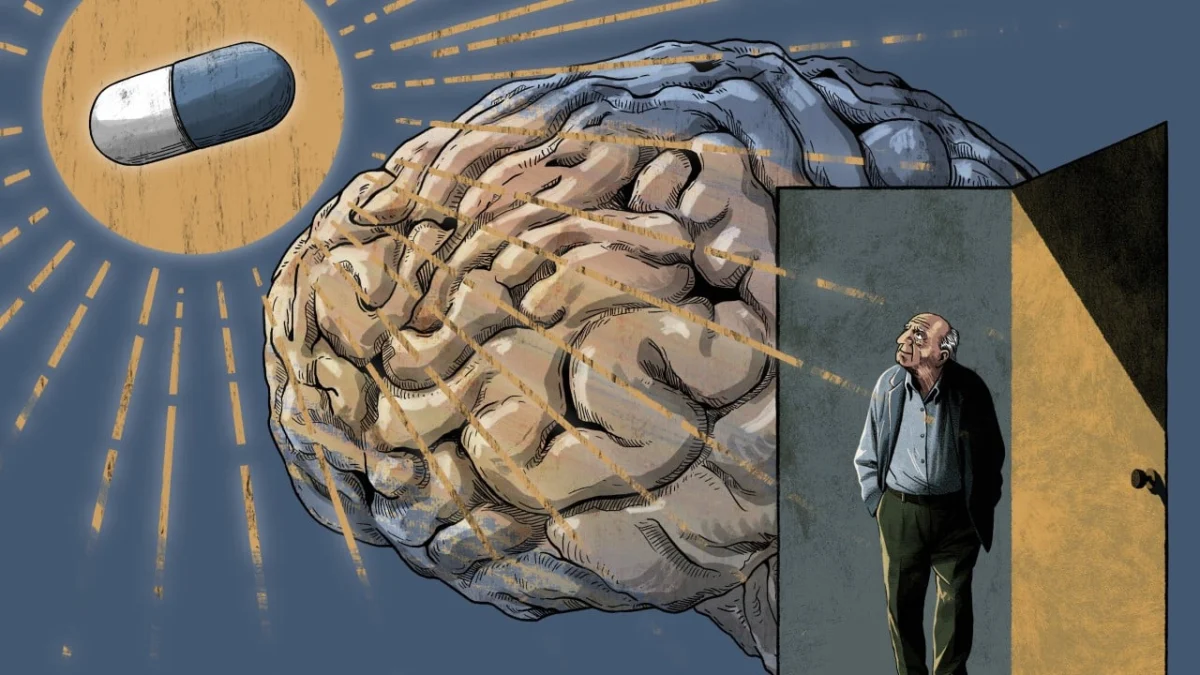
The pharmaceutical landscape for Alzheimer’s disease, a leading cause of dementia, has seen significant shifts in recent years. For a long time, treatment options were limited to managing symptoms without addressing the underlying pathology. However, new drug classes are emerging that aim to tackle the disease at its root.
- Amyloid-Targeting Therapies: A significant area of focus has been the development of drugs designed to clear amyloid plaques from the brain. These protein deposits are a hallmark of Alzheimer’s disease and are believed to contribute to neuronal damage. While the efficacy and accessibility of these therapies are still subjects of ongoing debate and research, they represent a paradigm shift in treatment philosophy, moving from symptom management to disease modification.
- Tau-Targeting Therapies: Another key pathological feature of Alzheimer’s is the accumulation of tau tangles within brain cells. Research is actively pursuing therapies that can prevent the formation or spread of these tangles, offering another avenue for slowing disease progression.
- Combination Therapies and Future Directions: The complexity of dementia suggests that future treatment strategies may involve a combination of approaches, targeting multiple pathological pathways. Ongoing research also explores treatments for other forms of dementia, such as vascular dementia and Lewy body dementia, broadening the scope of therapeutic innovation.
The introduction of these disease-modifying therapies, while still in their early stages of adoption and refinement, offers a powerful message of hope. They suggest that a future where dementia can be effectively managed, and its impact mitigated, is increasingly within reach.
The Growing Demand for Support Services
Despite the encouraging advancements in detection and treatment, the sheer scale of the projected increase in dementia cases in Hong Kong presents a formidable challenge. The current infrastructure and available support services are under immense pressure, and experts are calling for a robust expansion to meet the impending demand.
Current Support Landscape
Hong Kong offers a range of support services for individuals with dementia and their caregivers, including:
- Healthcare Services: Public and private hospitals provide diagnostic services, specialist consultations, and inpatient care. Community health centres also play a role in primary care and early intervention.
- Social Welfare Services: Government-subsidised day care centres, residential care homes, and home care services aim to provide a continuum of care, from respite and rehabilitation to long-term support.
- Non-Governmental Organizations (NGOs): A network of NGOs offers crucial services such as educational programmes, support groups for caregivers, counselling, and advocacy. These organizations often bridge gaps in public services and provide vital emotional and practical assistance.
- Family Caregivers: The primary burden of care often falls on family members. While a source of immense love and dedication, this role can be emotionally and physically draining, highlighting the need for accessible respite and support.
The Urgent Need for Expansion
The projected rise in dementia cases necessitates a proactive and comprehensive strategy for expanding these services:
- Increased Healthcare Capacity: More trained geriatricians, neurologists, psychiatrists, and allied health professionals (such as occupational therapists and physiotherapists) are needed. The capacity of memory clinics and day care centres must be significantly increased to accommodate the growing patient population.
- Enhanced Home and Community Care: As many individuals prefer to age in place, strengthening home care services is paramount. This includes ensuring sufficient trained caregivers, readily available medical supplies, and accessible community support networks.
- Caregiver Support Systems: Comprehensive support for caregivers is essential. This includes accessible respite care, mental health services, financial assistance, and educational programmes to equip them with the skills and knowledge to manage the challenges of caregiving.
- Public Awareness and Education: Continued public awareness campaigns are vital to destigmatize dementia, encourage early help-seeking, and foster a more dementia-friendly society. Education on brain health and preventative measures is also crucial.
- Technological Integration: Leveraging technology for remote monitoring, telehealth consultations, and caregiver support platforms can help extend the reach of services, particularly in areas with limited access.
- Policy and Funding Commitments: Sustained government commitment to policy development and increased funding for dementia care services is fundamental to ensuring that the healthcare and social support systems can cope with the escalating demand.
Broader Societal and Economic Implications
The increasing prevalence of dementia in Hong Kong carries significant broader implications that extend beyond individual health and family well-being.
Economic Burden
Dementia is a significant economic burden on individuals, families, and the wider economy. The costs associated with healthcare, long-term care, lost productivity of caregivers, and the decline in the economic contribution of individuals with dementia are substantial. As the number of cases grows, these economic pressures will intensify, requiring careful financial planning and resource allocation.
Social Impact
The social fabric of Hong Kong will be increasingly shaped by the growing number of individuals living with dementia. Ensuring that these individuals can maintain dignity, engage with their communities, and receive appropriate care requires a societal shift in understanding and support. Creating dementia-friendly environments in public spaces, workplaces, and residential areas is crucial for fostering inclusion and reducing isolation.
The Role of Research and Innovation
Continued investment in research is paramount. This includes not only the development of new therapies and diagnostic tools but also research into effective models of care, strategies for prevention and risk reduction, and understanding the lived experiences of individuals with dementia and their families. Hong Kong has the potential to be a leader in dementia research and innovation, contributing to global efforts to combat this complex condition.
Looking Ahead: A Call to Action
The statistics on dementia prevalence in Hong Kong serve as a stark warning of the challenges ahead. However, the concurrent advancements in early detection and drug therapies offer a beacon of hope. The journey from fear and uncertainty, as experienced by Mary Chan, to a place of understanding and proactive management is becoming more attainable.
The future of dementia care in Hong Kong hinges on a collective and sustained effort. It requires the continued dedication of healthcare professionals, the unwavering support of NGOs, the commitment of policymakers, and the understanding and engagement of the entire community. By embracing innovation, expanding essential support services, and fostering a society that is informed, compassionate, and prepared, Hong Kong can navigate the rising tide of dementia and ensure a better future for its ageing population. The time for comprehensive action is now, to safeguard the well-being of current and future generations facing this significant health challenge.
*Name has been changed to protect privacy.