Hong Kong Enforces Strict Smoking Ban on Construction Sites, Inspects Over 200 Locations in First Week
Hong Kong authorities have intensified their efforts to enforce a new citywide ban on smoking at construction sites, inspecting over 200 locations since the regulation took effect last Friday. The Labour Department has issued a total of nine fixed-penalty tickets to errant workers and 110 warnings, alongside four improvement notices, to contractors who have failed to adequately implement the no-smoking policy. Commissioner for Labour Sam Hui Chark-shum underscored the seriousness of the crackdown, emphasizing that while industry guidelines are valuable, ultimate responsibility rests with contractors to ensure effective enforcement. This stringent measure follows a devastating fire that underscored the critical need for enhanced safety protocols within the construction sector.
Background to the Smoking Ban: A Tragic Catalyst
The impetus for this comprehensive smoking ban was the catastrophic fire at the Marco Polo Princess residential building on November 13, 2025, in Tai Po. The blaze, which tragically claimed 168 lives, was widely suspected to have originated from smoking activities during ongoing renovation works within the building. This event sent shockwaves through Hong Kong, prompting a swift and decisive governmental response aimed at preventing similar future tragedies. The scale of the loss of life highlighted systemic vulnerabilities in construction site safety and management, particularly concerning high-risk activities like smoking in potentially hazardous environments. The incident served as a stark reminder of the fragility of life and the imperative for robust regulatory frameworks to protect workers and the public.
Timeline of Implementation and Enforcement
The newly enacted legislation, which prohibits smoking at all active construction sites across Hong Kong, officially came into force on Friday, July 19, 2026. The Labour Department wasted no time in commencing its inspection regime.
- Friday, July 19, 2026: The smoking ban officially begins. Labour Department inspectors commence site visits to monitor compliance.
- Weekend of July 19-21, 2026: Initial inspections reveal a mixed picture of compliance, leading to the issuance of initial warnings and fixed-penalty tickets.
- Monday, July 21, 2026: Commissioner for Labour Sam Hui Chark-shum provides an update on the enforcement efforts, detailing the number of inspections, tickets, and warnings issued in the first three days of the ban. He reiterates the department’s commitment to thorough enforcement and outlines the tiered approach to penalties, ranging from verbal warnings to improvement notices and fixed penalties.
- Ongoing: The Labour Department has indicated that inspections will continue systematically across the territory, with a focus on ensuring sustained compliance and identifying areas requiring further intervention.
Key Provisions of the New Legislation
The amended law imposes significant penalties for violations of the construction site smoking ban. Individuals caught smoking within the designated areas of a construction site face an immediate fixed penalty of HK$3,000 (approximately US$380). This penalty is designed to serve as a direct deterrent to individual workers.
Furthermore, the legislation places a substantial onus on contractors to actively prevent smoking on their sites. Should a contractor fail to ensure their construction site is smoke-free, they are liable to face fines of up to HK$400,000. This hefty fine aims to incentivize contractors to implement comprehensive smoking prevention policies, including clear signage, designated smoking areas away from work zones, and robust supervision mechanisms. The dual approach of penalizing individuals and holding contractors accountable reflects a strategy to address the issue at multiple levels.
Enforcement Statistics and Departmental Approach
As of Monday, July 21, 2026, the Labour Department’s proactive inspections have covered more than 200 construction sites. The enforcement actions taken thus far include:
- Nine Fixed-Penalty Tickets: Issued to individual workers caught smoking on site.
- 110 Warnings: Issued to contractors for minor breaches or initial non-compliance, indicating an opportunity for corrective action.
- Four Improvement Notices: Issued to contractors where systemic changes are required to achieve compliance. These notices typically outline specific actions that must be taken within a given timeframe.
Commissioner Hui elaborated on the department’s graduated enforcement strategy. He stated that officers would issue improvement notices for arrangements requiring more systematic changes, while written or verbal warnings would be employed where a contractor’s anti-smoking measures are deemed poorly implemented. This flexible approach allows for tailored responses based on the severity and nature of the non-compliance, aiming for both immediate correction and long-term behavioral change.
Industry Response and Contractor Responsibilities
The construction industry, while acknowledging the necessity of the ban, is actively working to integrate the new regulations into their daily operations. Industry bodies have been providing practical guidelines to their members to facilitate compliance. However, as Commissioner Hui emphasized, these guidelines are supplementary to legal obligations. Contractors are expected to move beyond mere awareness of the rules to demonstrate concrete implementation. This includes:
- Clear Communication: Ensuring all workers are aware of the smoking ban and the associated penalties.
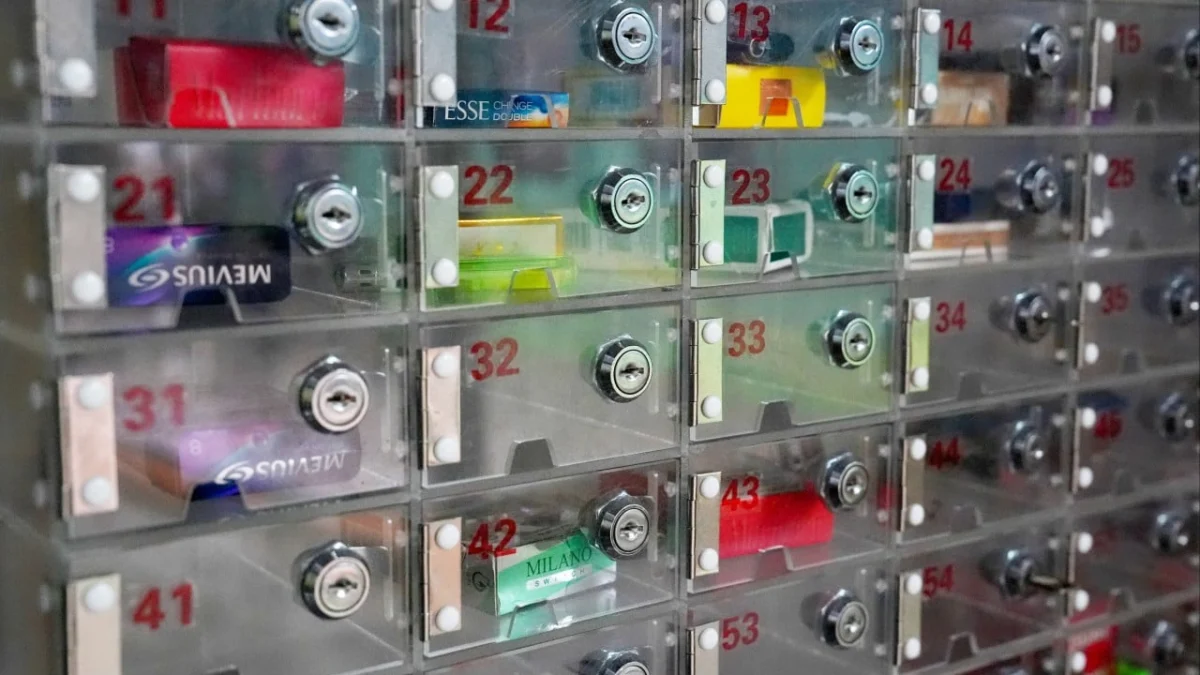
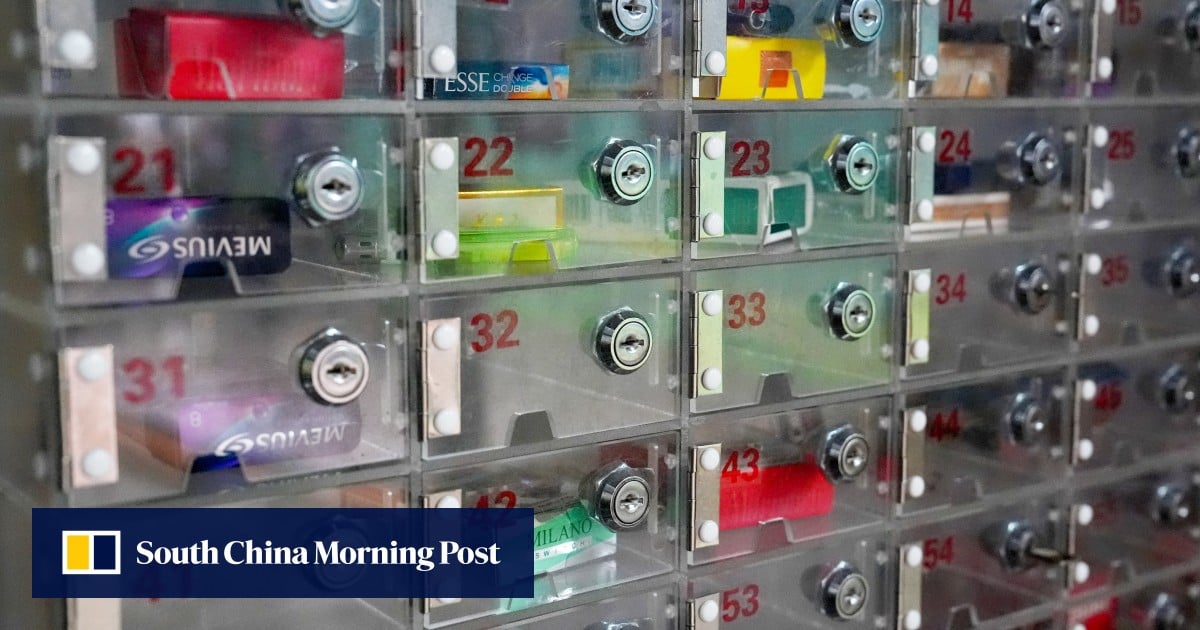
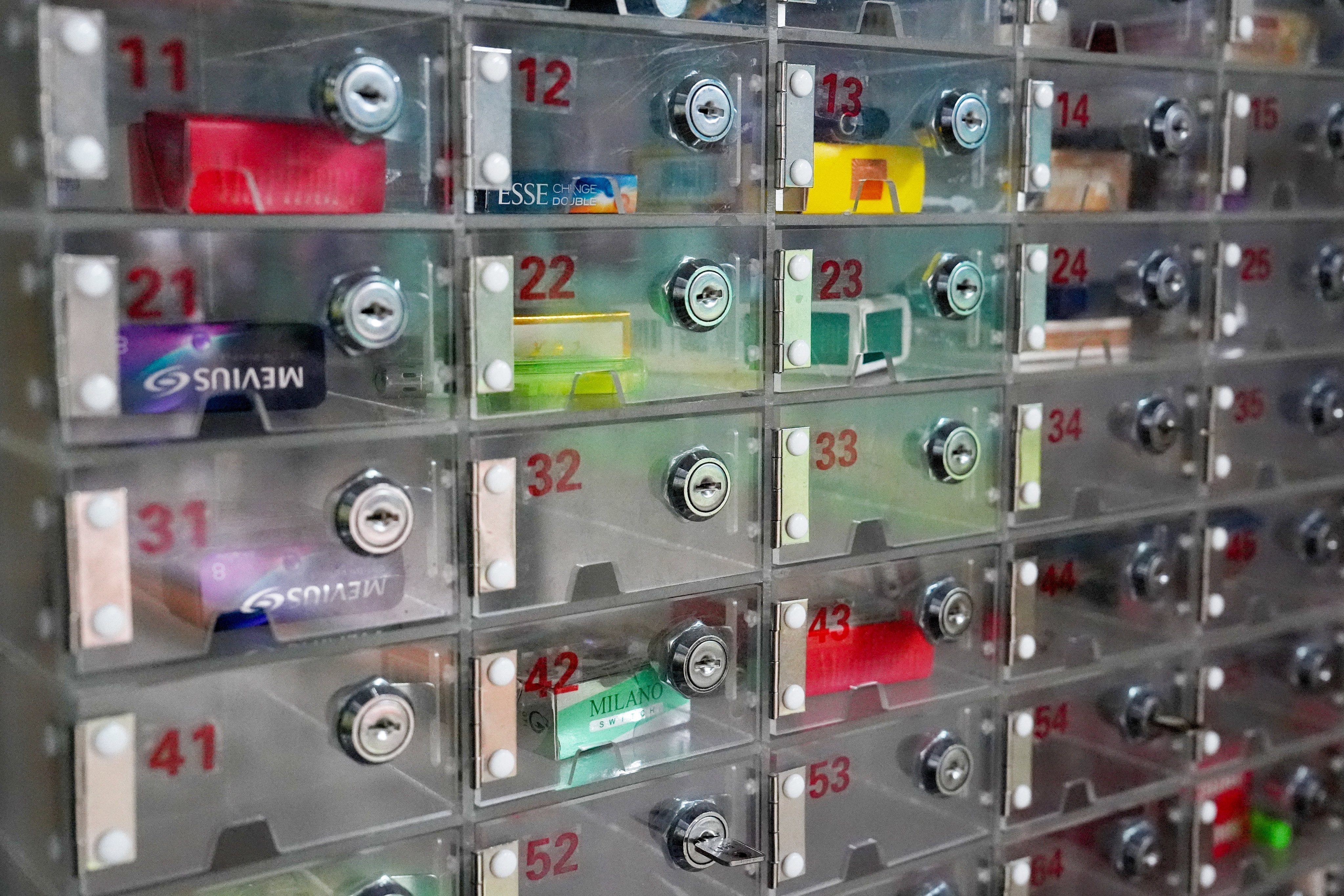
- Physical Measures: Implementing visible "No Smoking" signs, and potentially providing secure lockers for employees to store cigarettes and lighters before entering the site. The accompanying image depicting workers placing their smoking paraphernalia in lockers at a site in To Kwa Kwan exemplifies a proactive measure being adopted.
- Supervision and Enforcement: Actively monitoring sites to detect and address any instances of smoking.
- Worker Education: Conducting regular safety briefings that reinforce the importance of the smoking ban.
The fines for contractors are substantial, reflecting the severity with which non-compliance will be treated. This financial leverage is intended to ensure that safety becomes a paramount consideration in project management and resource allocation.
Broader Implications and Future Outlook
The stringent enforcement of the construction site smoking ban is part of a wider commitment by the Hong Kong government to enhance workplace safety across all sectors. The success of this initiative will depend on sustained vigilance from the Labour Department, ongoing cooperation from the construction industry, and a clear understanding among workers of the critical importance of adhering to these new regulations.
The ban is expected to have several positive implications:
- Reduced Fire Risk: Significantly lowering the probability of fires originating from smoking-related incidents on construction sites, thereby protecting lives and property.
- Improved Worker Health: Contributing to a healthier working environment by reducing exposure to secondhand smoke for non-smoking workers.
- Enhanced Safety Culture: Fostering a stronger safety culture within the construction industry, where adherence to regulations becomes an ingrained practice.
While the initial enforcement has been robust, the long-term effectiveness of the ban will be gauged by a sustained reduction in smoking-related incidents and a demonstrable improvement in overall site safety. The Labour Department has indicated its commitment to continuous monitoring and evaluation, with potential adjustments to the enforcement strategy as needed. The rigorous approach taken in the first week suggests a firm resolve to make Hong Kong’s construction sites safer environments for all. The department’s ongoing inspections and clear communication of penalties serve as a strong message that compliance is not optional, but a mandatory component of responsible construction practices in the city.