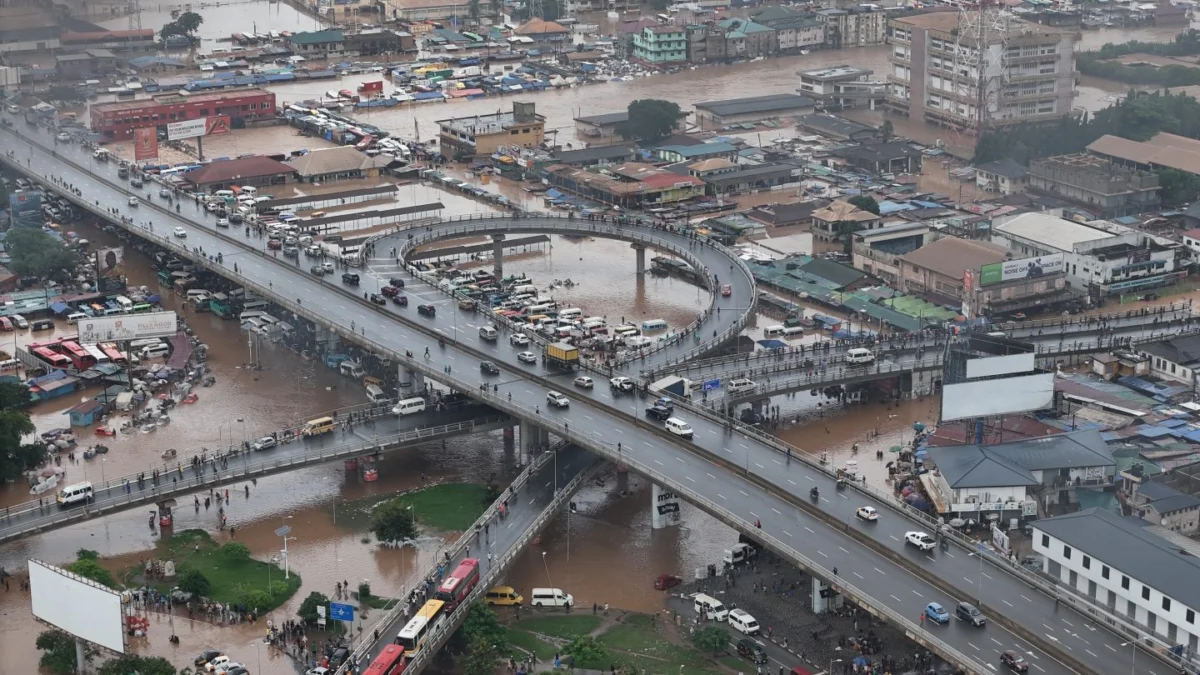
Global Climate Negotiations Reach Impasse as Belém Mission to 1.5C Reveals Fractures Over Fossil Fuel Phase-Out and Financial Accountability
The United Nations-led initiative known as the Belém Mission to 1.5 is currently serving as a catalyst for a profound geopolitical divide, exposing deep-seated disagreements regarding the future of the global energy landscape. As countries submit their formal positions on the mission—a process established at COP30 to address the widening gap between current climate pledges and the 1.5°C warming limit—the discourse has split into two distinct camps. On one side, climate-vulnerable nations and Western powers are advocating for a direct and accelerated transition away from fossil fuels. On the other, major emerging economies and oil-producing states are resisting efforts to target specific energy sources, arguing instead for a focus on historical responsibility and financial support from developed nations.
The Genesis and Scope of the Belém Mission to 1.5
The Belém Mission to 1.5 was formally launched during the UN climate summit in the Brazilian Amazonian city of Belém. It was conceived as a high-level work programme designed to "keep 1.5°C within reach" at a time when scientific consensus suggests the window for achieving this goal is rapidly closing. The mission’s primary objective is to facilitate the development of more ambitious Nationally Determined Contributions (NDCs)—the climate action plans that each country is required to update every five years under the Paris Agreement.
The timing of the mission is critical. Under the Paris Agreement’s cycle, governments are expected to submit their updated NDCs by early 2025. These new plans will outline emissions reduction targets for 2035 and are widely seen as the last opportunity to align global policy with the 1.5°C threshold. The Belém Mission is intended to provide the technical and political framework to ensure these updates are sufficiently robust. However, as recent submissions to the United Nations Framework Convention on Climate Change (UNFCCC) demonstrate, the mission has become a lightning rod for the broader conflict over how the world should distribute the burden of decarbonization.
A Chronology of the 1.5°C Ambition
To understand the current friction, it is necessary to trace the trajectory of the 1.5°C goal within the international climate framework.
- The 2015 Paris Agreement: Countries committed to holding the increase in the global average temperature to well below 2°C above pre-industrial levels and pursuing efforts to limit the temperature increase to 1.5°C.
- The 2018 IPCC Special Report: The Intergovernmental Panel on Climate Change (IPCC) warned that the impacts of 2°C warming would be significantly more catastrophic than 1.5°C, particularly for coral reefs, sea-level rise, and extreme weather events.
- The 2021 Glasgow Climate Pact (COP26): For the first time in a UN decision, coal was explicitly mentioned, with a call to "phase down" unabated coal power.
- The 2023 UAE Consensus (COP28): In a historic but controversial move, nearly 200 countries agreed to "transition away from fossil fuels in energy systems, in a just, orderly and equitable manner."
- The 2024 Belém Mission Launch (COP30): Brazil, as the COP30 host, spearheaded the mission to operationalize the "transition away" and ensure the next round of NDCs are 1.5°C-aligned.
This timeline highlights a gradual shift from general temperature goals to specific energy sector targets. The Belém Mission represents the latest attempt to move from rhetoric to measurable implementation, which is precisely why it has triggered such intense pushback.
The High-Ambition Coalition: Prioritizing Fossil Fuel Phase-Out
Small Island Developing States (SIDS), represented by the Alliance of Small Island States (AOSIS), and the Least Developed Countries (LDCs) have emerged as the most vocal proponents of a rigorous Belém Mission. For these nations, the 1.5°C limit is not a political aspiration but a matter of existential survival. Rising sea levels and intensifying tropical storms already pose an immediate threat to their territory and economies.
In their submissions, these groups argue that the Belém Mission must focus on the primary driver of global warming: the production and consumption of fossil fuels. They are calling for the mission to provide clear guidelines on how to phase out coal, oil, and gas, and to establish benchmarks for the expansion of renewable energy.
This position is reinforced by the European Union and the United Kingdom. These developed economies view the Belém Mission as a tool for ensuring that all major emitters—not just the historically wealthy ones—commit to deep, sector-specific cuts. The EU has emphasized that the 1.5°C goal cannot be met without a global commitment to ending the expansion of new fossil fuel infrastructure, a stance that aligns with the International Energy Agency’s (IEA) net-zero roadmap.
The Resistance: Sovereignty, Equity, and the "Like-Minded" Bloc
The opposition to this approach is led by the Like-Minded Developing Countries (LMDC) bloc—which includes heavyweights such as China and India—and the Arab Group, spearheaded by Saudi Arabia. These nations argue that the Belém Mission is overstepping its mandate by attempting to dictate national energy policies.
The LMDC’s core argument rests on the principle of "Common But Differentiated Responsibilities and Respective Capabilities" (CBDR-RC). They contend that developed nations, having benefited from two centuries of fossil-fuel-led industrialization, must take the lead in cutting emissions and provide the necessary finance and technology to the developing world. By targeting specific energy sources, they argue, the mission ignores the right of developing nations to utilize their natural resources for poverty alleviation and economic growth.
Saudi Arabia and other major oil producers have expressed particular concern regarding the "singling out" of fossil fuels. Their submissions suggest that the focus should remain on "emissions" rather than "energy sources," advocating for technologies like Carbon Capture and Storage (CCS) to mitigate the impact of fossil fuels rather than eliminating them entirely. They also warn against using the Belém Mission as a monitoring mechanism to "score" or "assess" the performance of individual countries, which they view as an infringement on national sovereignty.
Data Analysis: The Widening Emissions Gap
The urgency of the Belém Mission is underscored by the sobering data provided by the UN Environment Programme (UNEP) in its latest Emissions Gap Report. The data reveals a stark disconnect between current policies and scientific necessity:
- Current Warming Projections: If current national climate plans are fully implemented, the world is on track for a temperature rise of 2.3°C to 2.5°C by the end of the century.
- The 1.5°C Requirement: To limit warming to 1.5°C, global greenhouse gas emissions must fall by 42% by 2030 and 57% by 2035 compared to 2019 levels.
- The Investment Gap: The IEA estimates that clean energy investment in emerging and developing economies needs to triple by the early 2030s to stay on a 1.5°C pathway.
The UNEP report highlights that while renewable energy capacity is growing at a record pace, it is not yet displacing fossil fuels fast enough to keep the 1.5°C target alive. This data provides the "ammunition" for the high-ambition coalition but also fuels the demands of the LMDC for more climate finance, as the cost of this rapid transition is estimated in the trillions of dollars.
The Finance Nexus: The New Collective Quantified Goal (NCQG)
A recurring theme in the submissions from developing nations is the link between the Belém Mission and climate finance. The LMDC and the Arab Group have explicitly stated that ambition in emissions cuts is contingent upon the provision of financial resources. This ties the Belém Mission directly to the negotiations over the New Collective Quantified Goal (NCQG), which is intended to replace the previous $100 billion per year commitment from developed countries.
Developing nations are calling for a much higher figure—ranging from $1 trillion to $2 trillion annually—to cover mitigation, adaptation, and loss and damage. They argue that the Belém Mission should primarily serve to identify the financial "shortfall" that prevents developing nations from adopting more ambitious NDCs. Without a clear commitment on finance, many of these countries are reluctant to agree to a work programme that emphasizes stricter emissions targets.
Official Responses and Diplomatic Tension
The submissions have set the stage for what is expected to be a contentious series of meetings leading up to COP31. A spokesperson for the AOSIS group stated that the mission "must not be a talk shop but a roadmap for survival," adding that "the science does not negotiate, and neither can our future."
Conversely, representatives from the LMDC have cautioned that "attempts to rewrite the Paris Agreement by imposing top-down sector targets will only undermine trust and cooperation." They maintain that the Belém Mission should focus on "enhancing international cooperation" rather than "prescriptive domestic policies."
Diplomats from the EU have attempted to find middle ground, suggesting that while the mission must respect national sovereignty, it must also reflect the "global consensus" reached at COP28 to transition away from fossil fuels. However, finding a consensus on how to define that transition remains the primary hurdle.
Broader Impact and Global Implications
The standoff over the Belém Mission has implications that extend far beyond the UN meeting rooms. It reflects a broader shift in global power dynamics and the complexities of the "Green Industrial Revolution."
- Trade and Protectionism: As countries like the US and the EU implement policies such as the Carbon Border Adjustment Mechanism (CBAM), the debate over fossil fuels is increasingly tied to trade. Developing nations view the push for a rapid phase-out as a form of "green protectionism" that could disadvantage their exports.
- Energy Security: The global energy crisis, exacerbated by geopolitical conflicts, has forced many countries to prioritize energy security. For some, this has meant a temporary return to coal or a scramble for new gas supplies, complicating the goals of the Belém Mission.
- The Credibility of the UN Process: If the Belém Mission fails to produce a meaningful consensus, it could signal a decline in the effectiveness of the UNFCCC process. With the 1.5°C target at stake, the inability to bridge the divide between major economies could lead to a fragmented global response, where climate action is driven by regional blocs rather than a unified international framework.
Conclusion: The Road to COP31
As the international community prepares for COP31, the Belém Mission to 1.5 remains a contested blueprint for the future. The divide between those seeking a fossil-fuel-free future and those prioritizing economic sovereignty and historical equity is as wide as ever. The success of the mission—and perhaps the viability of the 1.5°C goal itself—will depend on whether negotiators can reconcile the urgent need for emissions cuts with the equally urgent demand for financial justice. The findings of the work programme, due to be presented in the coming year, will likely dictate the level of ambition in the next generation of national climate plans, determining the climate trajectory for decades to come.

Related Posts
Constitutional Court of South Africa Bars Shell Oil Exploration in Landmark Victory for Environmental and Community Rights

The Battle for Saldanha Bay: South Africa’s Ambitious Ocean Economy Strategy Faces Legal and Environmental Reckoning