
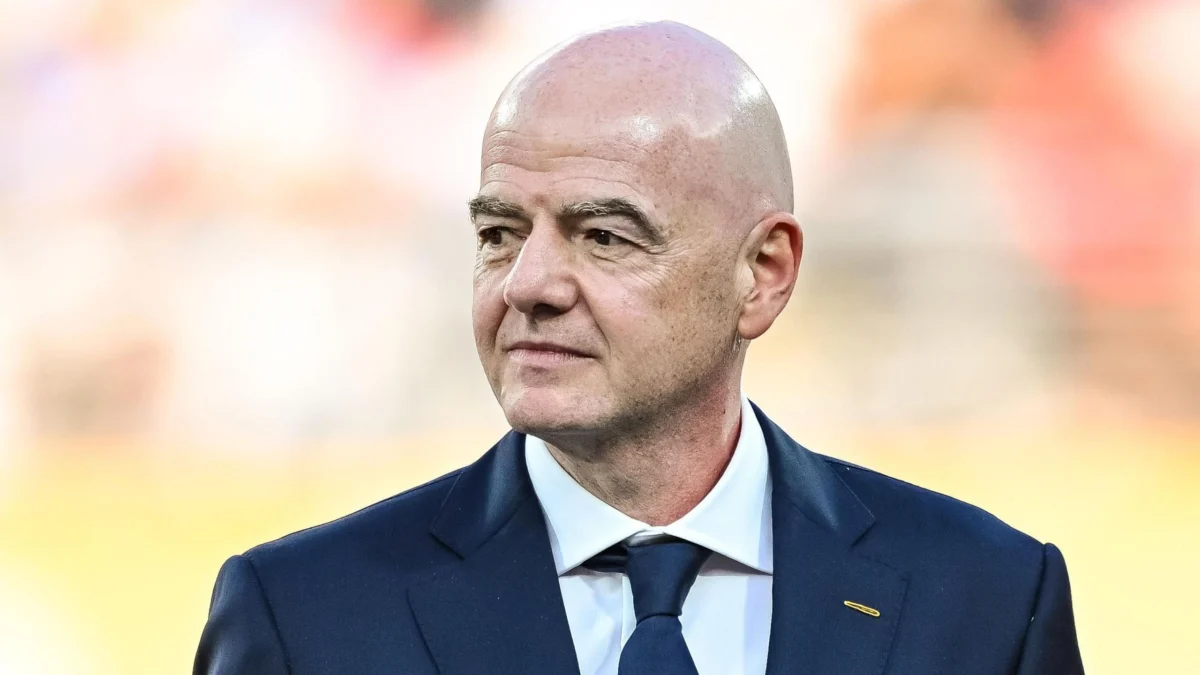
Fifa Scraps Controversial World Cup Investment Plan Following Widespread Opposition
FIFA President Gianni Infantino has announced the immediate cancellation of a contentious plan to sell stakes in the governing body’s flagship competitions, including the men’s and women’s World Cups, to private investors. The decision, revealed on Friday, marks a significant climbdown for Infantino, who cited the "divisions" the project had created as counterproductive to its original objectives. This reversal follows a storm of condemnation from major football confederations, key internal figures, and even political entities, all of whom expressed serious concerns over the proposal’s transparency, governance implications, and potential long-term impact on the sport.
The controversial initiative, which sought to establish a new commercial subsidiary called Fifa Forward Enterprise (FFE) to manage FIFA’s primary events, was intended to attract external investors to purchase minority, non-controlling stakes. Infantino had reportedly offered FIFA’s 211 member associations a substantial $40 million (£30 million) each in exchange for their backing, presenting it as a pathway to unlock significant new revenue streams and enhance the value of FIFA’s tournaments. A 25-page document, reportedly prepared by investment bank JP Morgan, outlined ambitious projections, including an estimated payout increase of 24 million euros (£20.5 million) per member association by the 2035-2039 cycle. The document portrayed the World Cup as the "most widely viewed" sporting event yet deemed FIFA itself "under-monetised," suggesting vast untapped commercial potential. Notably, the proposal lacked specific mention of the women’s game, a point of concern for advocates of gender equality in football.
The Proposed Vision: A New Commercial Horizon
At the heart of the scrapped plan was the creation of the Fifa Forward Enterprise (FFE). This new entity was envisioned as a commercial arm dedicated to maximizing the financial potential of FIFA’s crown jewels, primarily the World Cup. The stated goal was to invite "third parties to make minority, non-controlling investments," leveraging private capital and expertise to expand and enhance the global appeal of these tournaments. Initial reports suggested that the investment could have reached an staggering $10 billion (£7.5 billion).
The document supporting the proposal highlighted "new business initiatives" and the attraction of "top talent with incentive-driven compensation" as key drivers for growth. It positioned FIFA as ripe for external investment, suggesting that its existing commercial models were not fully capitalizing on the immense global popularity of football. Thrive Eternal, an American venture capital firm founded by Joshua Kushner – brother of Jared Kushner, former President Donald Trump’s son-in-law – was expected to lead the proposed investor group for FFE. This connection raised eyebrows, particularly given the close relationship between Infantino and Trump during the latter’s presidency. However, Trump himself denied having discussed the plans with Infantino.
The allure of an initial $20 million (£15 million) payment to each of FIFA’s 211 member federations, contingent on their acceptance of the plans by a September 19 deadline, underscored the financial incentive being offered. For many smaller federations, such an injection of capital could be transformative, providing resources for grassroots development, infrastructure improvements, and administrative support. However, this financial carrot was ultimately overshadowed by profound concerns over autonomy and long-term control.
A Torrent of Opposition: Confederations Unite
The proposal quickly ignited a firestorm of protest, demonstrating a rare unity among some of football’s most powerful governing bodies. The first major blow came from UEFA, European football’s governing body, which not only voiced its strong opposition but also threatened a boycott of future World Cups should the plans proceed. This was a critical moment, as Europe commands significant influence within global football, both financially and politically, holding 55 of FIFA’s 211 votes.
Following UEFA’s lead, Concacaf, the confederation for North, Central America, and the Caribbean – which notably hosted this summer’s World Cup – unequivocally rejected the proposal. Sources within the region indicated that a significant majority of its 35 member associations were losing, or had already lost, faith in Infantino’s leadership. This collective rejection from a confederation that would be a key partner in future World Cups further weakened Infantino’s position.
The Asian Football Confederation (AFC), representing 46 member nations, then issued a statement expressing its "solidarity" with UEFA and Concacaf, and critically emphasized that "the future of global football must always be shaped through proper consultation, collective dialogue and respect for the established governance structures of our game." This tripartite opposition effectively created an insurmountable hurdle for Infantino, as their combined 136 votes far exceeded the 106 votes needed for the plan to pass.
Other confederations, such as the Confederation of African Football (CAF) and the Oceania Football Confederation (OFC), had initially stated they would discuss FIFA’s plan in August, adopting a more cautious approach. Conmebol, South American football’s governing body, had requested "additional information and clarifications" regarding the proposal’s "scope, structure, governance and possible effects," indicating a lack of full endorsement. The fragmented support, combined with concerted opposition, made the plan’s passage highly improbable.
Internal Dissent and High-Profile Resignations
The dissent was not limited to external confederations; it also festered within FIFA’s own ranks, culminating in high-profile resignations and scathing public condemnations. Carlos Cordeiro, Infantino’s senior adviser on global strategy and governance, dramatically stepped down over the matter. In his resignation statement, Cordeiro unequivocally opposed the plans, labeling them "a bad deal for football" that would "mortgage football’s future." He stressed his non-involvement in the proposal’s development and his belief that FIFA did not require outside investors to "unlock greater value." His departure, from such a senior advisory role, sent shockwaves through the organization.
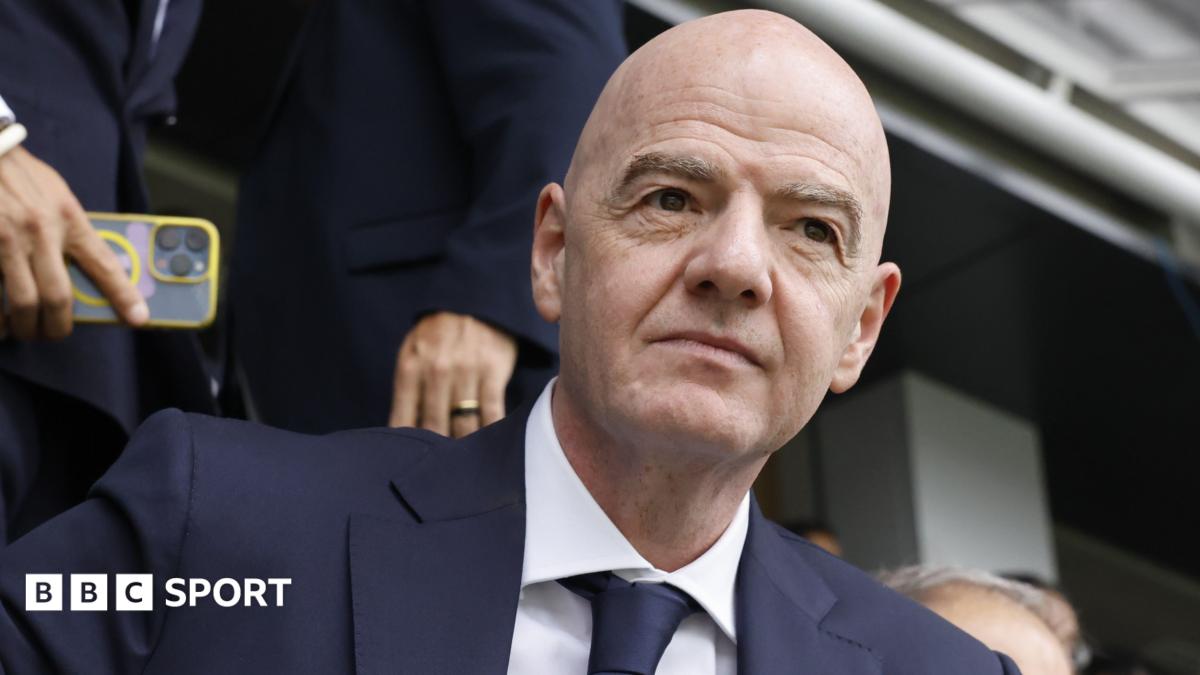
Further compounding Infantino’s woes, FIFA’s chief operating officer, Kevin Lamour, publicly stated that the governing body’s own administration had been "deceived" about the project. Lamour characterized it as "the project of one person" and sharply criticized Infantino, asserting that "a president must bring people together, unite them, and inspire them," whereas this plan was "the opposite." His courageous stance, openly challenging his superior and declaring, "If that means I lose my job, then so be it… At least I’ll sleep well tonight," underscored the depth of internal unhappiness and the perception of a lack of transparent, collective decision-making. The criticism extended to suggestions that Infantino had even kept some of FIFA’s eight vice-presidents in the dark about the audacious scheme.
Even outside the direct footballing hierarchy, the controversy drew political attention. While details remain sparse, reports mentioned UK Prime Minister Andy Burnham as having suggested Infantino was "the wrong man" to lead FIFA, adding another layer of external pressure on the embattled president.
The President’s Retreat: Infantino’s Statement
Facing an undeniable groundswell of opposition and internal revolt, Gianni Infantino issued a statement confirming the withdrawal of the controversial proposal. His words reflected a concession to the widespread criticism: "It had become clear the project had created divisions that are no longer in the interest of its original objective. As a result, this proposal will not proceed."
Infantino attempted to frame the retreat as a decision made in the best interests of unity and progress for the sport. "Our purpose has always been – and will always be – to unite and improve," the 56-year-old stated. He pledged to "bring all interested parties back together in the coming days and weeks in the spirit of shared interest in our game," signaling a desire to mend fractured relationships and restore a sense of collaborative governance. AFC president Sheikh Salman bin Ebrahim Al Khalifa welcomed the withdrawal, reiterating the call for "proper consultation, collective dialogue and respect for the established governance structures of our game," a clear indictment of the process that led to the ill-fated proposal.
A Chronology of Controversy: The Rapid Unraveling
The saga of the controversial investment plan unfolded rapidly over just a few days, demonstrating the swift and decisive power of collective opposition in global football governance:
- Monday, 27 July: Initial reports begin to surface in the media, detailing FIFA’s audacious plan to sell stakes in its major competitions to private investors. The financial incentives for member associations are highlighted.
- Tuesday, 28 July: UEFA, European football’s powerful governing body, issues a strong condemnation of the proposal. Crucially, it threatens a boycott of future World Cups if the plans are pushed through, sending a clear signal of serious intent.
- Wednesday, 29 July: Concacaf, representing North, Central American, and Caribbean football, formally rejects the proposal. Reports emerge of widespread dissatisfaction and a growing lack of confidence in President Infantino among its member associations. Internal dissent within FIFA also begins to solidify.
- Thursday, 30 July: The Asian Football Confederation (AFC) publicly declares its "solidarity" with UEFA and Concacaf, effectively forming a formidable bloc of opposition votes. This day also sees the high-profile resignation of Carlos Cordeiro, Infantino’s senior adviser, who denounces the plan as "a bad deal for football."
- Friday, 31 July: Despite mounting pressure, FIFA initially attempts to defend its position, insisting that "nobody is selling football." However, the tide turns decisively. FIFA’s chief operating officer, Kevin Lamour, publicly criticizes the project, claiming the administration was "deceived" and labeling it "the project of one person." Later that day, facing an undeniable defeat and overwhelming opposition, Gianni Infantino announces the immediate scrapping of the controversial plan, citing the divisions it created. Reports also mention UK Prime Minister Andy Burnham’s criticism of Infantino and US President Donald Trump’s denial of involvement.
- Saturday, 1 August: Reactions to Infantino’s climbdown begin to pour in, with many stakeholders welcoming the decision while simultaneously calling for greater transparency and improved governance within FIFA. The focus shifts to the implications for Infantino’s leadership and the future direction of the organization.
Analysis: A Humiliating Climbdown and its Aftermath
Infantino’s rapid retreat represents a significant political setback and a deeply humiliating moment for the FIFA president. His strategy to push through a major commercial restructuring without broad consensus, and with a perceived lack of transparency, backfired spectacularly. The original article’s analysis likened the speed of this unraveling to that of the European Super League, which collapsed within days due to fan and institutional pressure. While lacking street protests, the animosity within football’s power structures was equally potent.
The failure to secure the necessary 106 votes from FIFA’s 211 member associations was a clear political miscalculation. The combined opposition of UEFA (55 votes), Concacaf (35 votes), and AFC (46 votes) totaled 136, creating an insurmountable barrier. This demonstrated that while financial incentives can be powerful, they cannot always override fundamental concerns about governance, autonomy, and the long-term integrity of the sport.
The episode has thrown a harsh spotlight on FIFA’s consultation and decision-making processes. The AFC’s statement, pointing to "fundamental weaknesses," echoes the internal criticism from figures like Kevin Lamour, who decried the plan as "the project of one person." This suggests that despite Infantino’s pledges of reform and transparency when he took office in 2016 following the corruption scandals of the Blatter era, concerns about centralized power and insufficient consultation persist.
The immediate implication for Infantino is a significant dent in his authority and reputation. He had been widely expected to be re-elected unopposed for a fourth term as president at the FIFA Congress in Morocco next March, with many associations having already pledged their support. The events of this week, however, have undoubtedly introduced an element of uncertainty. He now faces the arduous task of "bridge building" and restoring trust among the very confederations and internal stakeholders he alienated. The question of whether this rapid loss of confidence will translate into a challenge to his re-election remains to be seen.
Beyond Infantino’s personal standing, the episode has broader implications for the future of football governance. It underscores the continued power of the major confederations, particularly UEFA, in shaping FIFA’s agenda. It also highlights a growing demand for transparency and collective decision-making in an era where the commercialization of sport is constantly pushing boundaries. While the immediate crisis has passed, the long-term challenge for FIFA and its leadership will be to address the systemic issues of governance and consultation that this controversy so starkly exposed, ensuring that any future proposals are developed through inclusive dialogue rather than unilateral imposition.

Related Posts
Zambia on Edge: Opposition Leader Arrested Amid Allegations of Insurrection Plot and Election Tensions

Rescuers search for survivors of powerful Indonesia earthquake

