Escalating Allegations of Human Rights and Environmental Abuses Shadow China’s Global Dominance in Transition Mineral Supply Chains
The Business and Human Rights Resource Centre (BHRC) has released a comprehensive study revealing a significant and steady increase in allegations of human rights and environmental harms linked to Chinese-funded mining and refining projects essential for the global green energy transition. According to the monitoring group’s latest findings, the number of recorded allegations involving Chinese firms has surged annually since 2021, reaching a peak of 148 documented cases in 2025 alone. Over a five-year tracking period, the BHRC identified a total of 434 distinct allegations of abuse across a wide array of international projects, highlighting a widening gap between China’s corporate commitments to sustainability and the operational realities on the ground.
As the world’s leading manufacturer of clean technology, China has positioned itself as the primary financier and operator of critical mineral projects globally. Research from the Australian think-tank Climate Energy Finance indicates that the Chinese government and private enterprises have committed more than $120 billion in foreign direct investment (FDI) into mineral mining and processing since 2023. This massive capital injection is aimed at securing the supply chains for lithium, cobalt, nickel, and copper—minerals that are indispensable for the production of electric vehicle (EV) batteries, solar panels, and wind turbines. However, the BHRC data suggests that this rapid expansion has come at a high cost to local communities and ecosystems in the Global South.
A Growing Portfolio of Allegations
The data provided by the BHRC paints a troubling picture of the "rush for minerals." The 434 allegations recorded over the past five years are not confined to a single region but are distributed across resource-rich nations in Southeast Asia, Africa, and Latin America. The types of abuses cited range from severe labor rights violations and occupational health hazards to large-scale environmental degradation and the displacement of indigenous populations without adequate compensation or consent.
In 2021, the number of recorded incidents was relatively low as global supply chains were still recovering from pandemic-related disruptions. However, as the demand for EVs spiked and China intensified its "Going Global" strategy, the frequency of reported harms accelerated. By 2023, allegations began to surface more frequently in the nickel-rich regions of Indonesia and the "Lithium Triangle" of South America. The rise to 148 cases in 2025 represents a nearly 40% increase from previous years, signaling that current oversight mechanisms are failing to keep pace with the scale of investment.
The BHRC’s Executive Director, Michael Clements, noted that China’s central role in the global transition mineral supply chain grants it a "unique opportunity" to set international standards for responsible mining. "While there have been encouraging developments, from stronger regulations to more company engagement, there remains a gap between human rights commitment and action," Clements stated. The report suggests that while some Chinese firms have adopted voluntary ESG (Environmental, Social, and Governance) frameworks, these policies often lack the transparency and enforcement necessary to protect vulnerable populations.
Chronology of Chinese Overseas Mineral Expansion
To understand the current surge in allegations, it is necessary to examine the timeline of China’s strategic pivot toward transition minerals.
- 2013–2018: The BRI Foundation: China launched the Belt and Road Initiative (BRI), initially focusing on heavy infrastructure like ports, railways, and coal-fired power plants. During this period, mining investments were largely focused on traditional commodities like iron ore and gold.
- 2019–2021: The Green Shift: Recognizing the global shift toward decarbonization, Beijing began emphasizing the "Green Silk Road." Investment started shifting toward the "New Three" industries: electric vehicles, lithium-ion batteries, and solar products.
- 2022: Post-Pandemic Acceleration: As global economies reopened, the race for critical minerals intensified. China secured major stakes in the Democratic Republic of Congo’s (DRC) cobalt mines and Indonesia’s nickel processing facilities.
- 2023–2024: The $120 Billion Surge: Following the research from Climate Energy Finance, China embarked on an unprecedented spending spree, committing over $120 billion in FDI. This period saw the acquisition of several major lithium mines in Zimbabwe and Namibia, as well as expanded refining capacity in South America.
- 2025: Peak Allegations: The BHRC data identifies 2025 as the year with the highest volume of reported abuses, correlating with the operational phase of many projects initiated during the 2023 investment surge.
Supporting Data and Geographic Hotspots
The BHRC report categorizes the 434 allegations into several key themes. Environmental impacts, particularly water pollution and the destruction of local biodiversity, account for approximately 35% of the total cases. Labor rights violations, including unpaid wages, unsafe working conditions, and the suppression of union activities, make up another 30%. The remaining cases involve the violation of land rights and the lack of "Free, Prior, and Informed Consent" (FPIC) from indigenous communities.
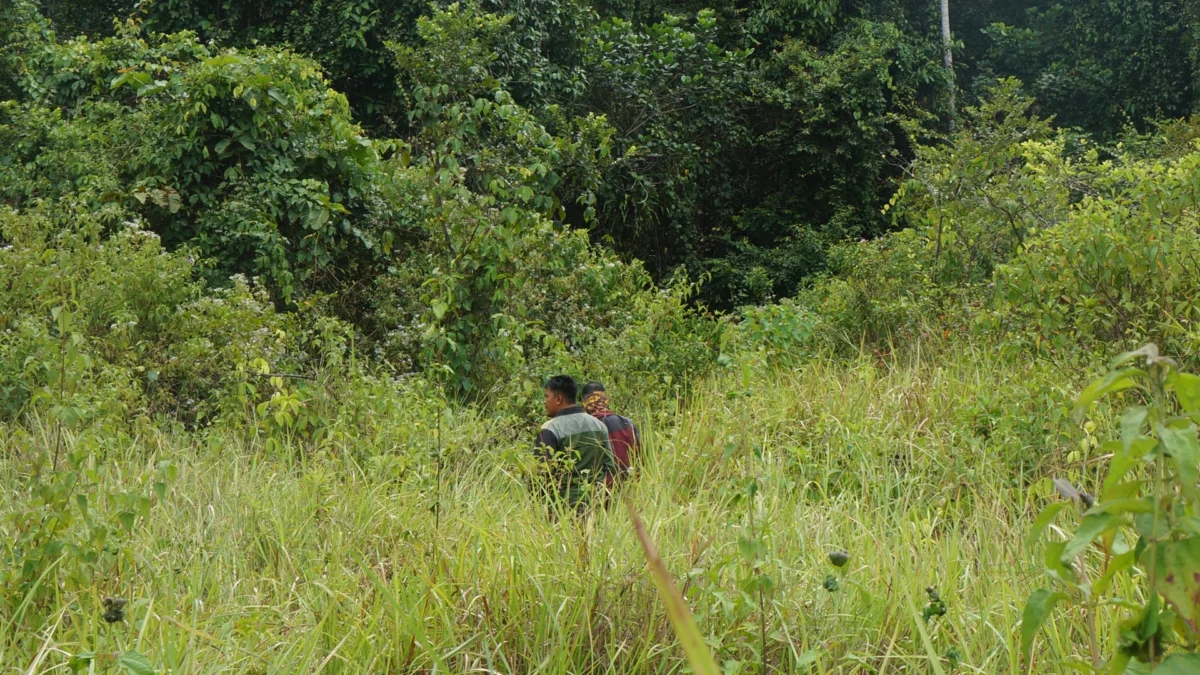
Geographically, Southeast Asia—specifically Indonesia—has become a primary hotspot for these allegations. Indonesia is home to the world’s largest nickel reserves, and Chinese companies like Tsingshan Holding Group and Huayou Cobalt have invested billions in industrial parks on the islands of Sulawesi and Halmahera. Reports from these sites frequently cite the "redding" of coastal waters due to nickel tailings and the respiratory illnesses among local villagers caused by coal-fired power plants used to run the refineries.
In Africa, the DRC continues to be a focal point for cobalt-related abuses. Despite Chinese companies controlling the majority of industrial cobalt production in the country, the BHRC notes persistent issues regarding the encroachment of industrial mines onto artisanal mining sites, leading to violent clashes and human rights concerns. In Zimbabwe, the rapid development of lithium mines has led to reports of forced evictions and the bypassing of local environmental impact assessments.
Official Responses and Regulatory Gaps
The Chinese government has historically maintained a policy of "non-interference" in the domestic affairs of host countries, often arguing that corporate behavior is the responsibility of the companies themselves and the local regulators. However, under increasing international pressure, Beijing has made efforts to formalize guidelines for its overseas enterprises.
The Chinese Chamber of Commerce of Metals, Minerals & Chemicals Importers & Exporters (CCCMC) has issued "Due Diligence Guidelines for Responsible Mineral Supply Chains." These guidelines are designed to align Chinese operations with international standards set by the OECD. Despite these efforts, critics argue that the guidelines remain voluntary and lack a robust grievance mechanism for affected communities to seek redress.
In response to the BHRC findings, some Chinese industry representatives have pointed toward the "win-win" nature of their investments, highlighting the infrastructure development, job creation, and tax revenue provided to host nations. They often argue that allegations are sometimes amplified by geopolitical tensions or "anti-China" sentiment. However, Michael Clements and other human rights advocates emphasize that the data is based on documented reports from local NGOs, journalists, and community leaders who are directly impacted by the projects.
Broader Impact and Implications for the Global Energy Transition
The rising tide of allegations against Chinese firms has significant implications for the global energy transition. As Western nations, particularly the European Union and the United States, implement stricter supply chain transparency laws—such as the EU’s Corporate Sustainability Due Diligence Directive (CSDDD)—the presence of human rights abuses in the supply chain could lead to trade barriers.
If minerals refined or mined under abusive conditions are barred from Western markets, it could create a bifurcated global supply chain: one that meets high ESG standards and another that does not. This would not only complicate global trade but could also slow down the overall pace of the energy transition by creating bottlenecks in the availability of "ethically sourced" materials.
Furthermore, the BHRC report underscores the concept of a "Just Transition." Environmentalists argue that a transition to clean energy cannot be considered successful if it is built on the same exploitative practices that characterized the fossil fuel era. The reputational risk for global EV brands that source components from Chinese-backed refineries is also growing, as consumers increasingly demand accountability for the entire lifecycle of their vehicles.
Analysis: The Path Forward
The findings from the BHRC and Climate Energy Finance suggest that China is at a crossroads. Its dominance in the critical mineral sector is undisputed, but the sustainability of its leadership is being challenged by the social and environmental costs of its operations. To mitigate these risks, analysts suggest that Chinese firms must move beyond "compliance-based" ESG to "impact-based" engagement. This would involve proactive consultation with local communities, transparent environmental monitoring, and the establishment of independent grievance mechanisms.
For host countries, the challenge lies in strengthening local regulatory frameworks to ensure that foreign investment does not come at the expense of their citizens’ rights. For the international community, the focus must remain on harmonizing standards so that the rush for transition minerals does not leave a trail of "green sacrifice zones" across the globe.
As the data from 2025 demonstrates, the volume of investment is currently outpacing the development of safeguards. Without a concerted effort to bridge the "commitment-action gap" identified by the BHRC, the very minerals intended to save the planet may continue to be associated with the harm of its most vulnerable people and ecosystems. The next five years will be critical in determining whether the global transition to renewable energy can truly be both green and just.

Related Posts
Constitutional Court of South Africa Bars Shell Oil Exploration in Landmark Victory for Environmental and Community Rights
The Battle for Saldanha Bay: South Africa’s Ambitious Ocean Economy Strategy Faces Legal and Environmental Reckoning