Escalating Allegations of Human Rights and Environmental Abuses Shadow Chinas Global Dominance in Critical Mineral Supply Chains
The global transition toward renewable energy, while essential for mitigating the impacts of climate change, is increasingly coming under scrutiny due to the social and environmental costs associated with the extraction of critical minerals. A comprehensive new report by the Business and Human Rights Resource Centre (BHRC) has revealed a significant and steady rise in allegations of human rights and environmental abuses linked to Chinese-backed mining and refining projects. These operations, which are vital for the production of electric vehicle batteries, solar panels, and wind turbines, are frequently situated in developing nations where regulatory oversight may be limited and local communities are particularly vulnerable.
According to the BHRC data released on Wednesday, the number of recorded allegations of harm at projects tied to Chinese firms has increased every year since 2021. In 2025 alone, the organization documented 148 distinct allegations, contributing to a cumulative total of 434 grievances identified over a five-year period. These findings highlight a widening gap between the high-level sustainability commitments made by Chinese state-owned and private enterprises and the ground-level realities of their overseas operations. As China continues to solidify its position as the worlds leading financier and manufacturer of clean technology (cleantech), the ethical implications of its supply chain dominance have become a focal point for international observers and human rights advocates.
The Strategic Importance of Critical Minerals and Chinas Investment Surge
The demand for transition minerals—including lithium, cobalt, nickel, copper, and manganese—is projected to grow exponentially over the next two decades. These materials are the backbone of the green economy, essential for the high-capacity batteries and infrastructure required to pivot away from fossil fuels. China has strategically positioned itself at the center of this global shift, not only by dominating domestic processing but also by securing raw materials through aggressive foreign direct investment (FDI).
According to recent research from the Australian think-tank Climate Energy Finance, China has committed more than $120 billion in FDI into foreign mineral mining and processing since 2023. This capital influx has allowed Chinese firms to acquire significant stakes in mines across Africa, Southeast Asia, and Latin America. However, this rapid expansion has often outpaced the implementation of robust social and environmental safeguards. The BHRC report suggests that the speed and scale of these investments have frequently led to the bypass of local community consultations and the degradation of local ecosystems.
A Chronology of Rising Allegations: 2021 to 2025
The trajectory of allegations against Chinese-backed projects reflects the intensifying global race for mineral security. The BHRC’s monitoring provides a timeline that illustrates how the volume of grievances has scaled alongside investment levels:
- 2021–2022: As global economies began to recover from the COVID-19 pandemic, the demand for electric vehicles surged. During this period, allegations were primarily centered on labor rights violations and unsafe working conditions in cobalt mines in the Democratic Republic of Congo (DRC) and nickel operations in Indonesia.
- 2023: This year marked a pivot toward more complex environmental grievances. Reports emerged of significant water contamination and deforestation linked to lithium extraction in South America’s "Lithium Triangle" (Chile, Argentina, and Bolivia) and copper mining in Central Africa.
- 2024: The introduction of more stringent international due diligence laws, such as the European Union’s Corporate Sustainability Due Diligence Directive (CSDDD), brought increased visibility to supply chain issues. Despite this, the BHRC recorded a sharp uptick in reports of "land grabbing" and the displacement of indigenous populations without adequate compensation.
- 2025: The current peak of 148 allegations represents a culmination of these trends. The reports now encompass a broader geographic range, including new projects in Zimbabwe, Namibia, and Papua New Guinea, highlighting that the issues are systemic rather than isolated to specific regions.
Regional Hotspots and the Nature of Reported Abuses
The 434 allegations recorded over the five-year period are not evenly distributed, reflecting the geographical concentration of specific mineral deposits.
Southeast Asia: The Nickel Boom in Indonesia
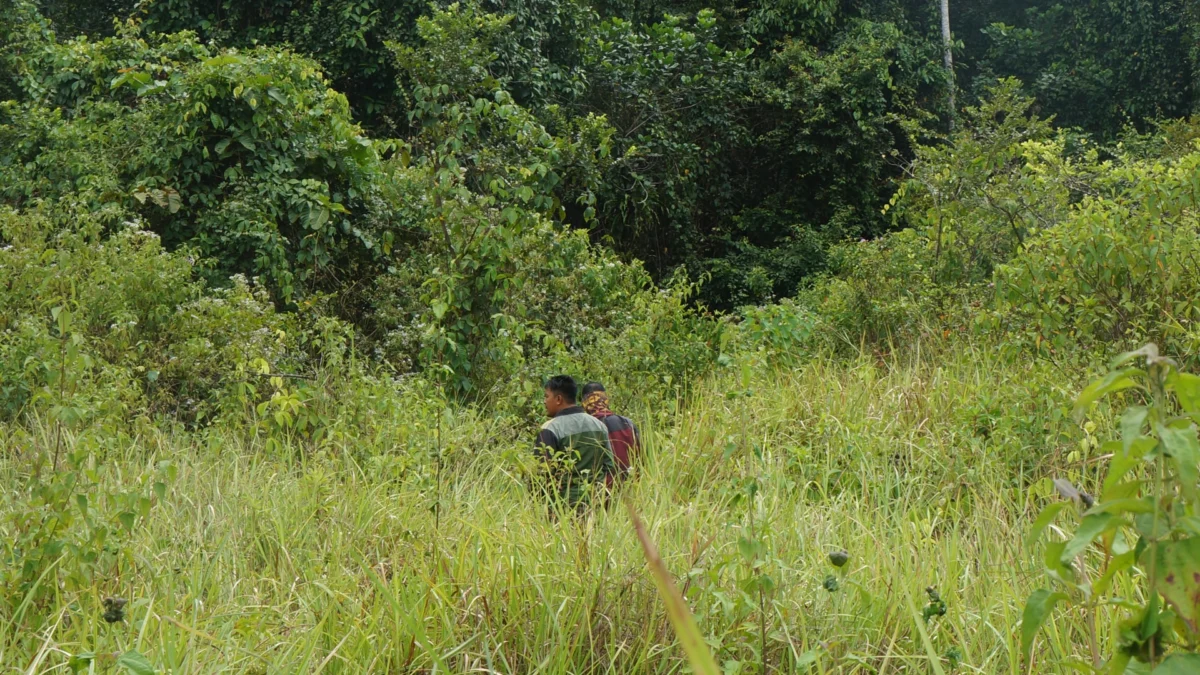
Indonesia has become a primary destination for Chinese investment, particularly in the nickel sector. To support its domestic EV battery industry, Indonesia has partnered with Chinese firms to build massive industrial parks. However, these projects have been linked to significant environmental damage, including the discharge of mine tailings into the ocean and the destruction of tropical rainforests. Socially, communities have reported respiratory issues due to coal-fired power plants used to energize the refineries, as well as the loss of traditional fishing grounds.
Africa: Cobalt and Copper in the DRC and Zambia
The Democratic Republic of Congo produces roughly 70% of the world’s cobalt. Chinese companies own or have stakes in the majority of the country’s large-scale industrial cobalt mines. Allegations in this region frequently involve child labor (often via artisanal miners operating on or near industrial sites), forced evictions of villages to expand mining concessions, and severe labor exploitation, including excessive working hours and physical abuse by security personnel.
Latin America: Water Scarcity and Indigenous Rights
In the Andean regions of Chile and Argentina, the extraction of lithium through brine evaporation requires massive quantities of water in some of the driest places on Earth. Local indigenous communities have raised alarms over the depletion of groundwater, which threatens their traditional lifestyles and local biodiversity. Allegations here often focus on the failure of Chinese firms to adhere to the principle of Free, Prior, and Informed Consent (FPIC) as mandated by international law.
Analysis of the Data: Corporate Accountability Gaps
The BHRC report emphasizes that while China has introduced various voluntary guidelines for overseas investment—such as those issued by the Chinese Chamber of Commerce of Metals, Minerals & Chemicals Importers & Exporters (CCCMC)—there remains a profound lack of mandatory, enforceable regulations.
Michael Clements, the executive director of the BHRC, noted that China occupies a "unique position" in the global transition. "China plays a central role in global transition mineral supply chains, and as such has a unique opportunity to raise the bar on human rights and community engagement at every stage of mining," Clements stated. He acknowledged that while there have been "encouraging developments" in terms of policy language, a significant "gap between human rights commitment and action" persists.
The data shows that Chinese companies are significantly less likely to respond to allegations of abuse compared to their Western counterparts. This lack of engagement hampers transparency and prevents the effective resolution of disputes between corporations and local communities. Of the 434 allegations recorded, a majority went unaddressed by the companies involved, leaving victims with little recourse for justice or remediation.
Official Responses and International Pressure
The Chinese government has historically maintained a policy of non-interference in the domestic affairs of host countries, often arguing that corporate behavior should be regulated by the laws of the nation where the investment occurs. However, as international pressure mounts, Beijing has begun to encourage its firms to adopt better Environmental, Social, and Governance (ESG) practices to protect the reputation of the "Green Silk Road."
In response to the rising number of allegations, some Chinese industry bodies have pointed to the complexity of operating in "high-risk" jurisdictions. They argue that Chinese firms often take on projects in regions that Western companies avoid due to political instability, thereby inheriting pre-existing social and environmental challenges.
Conversely, international human rights organizations and trade blocs like the European Union are increasingly demanding "clean" supply chains. The EU’s new regulations require companies selling products in the European market to prove that their supply chains are free from forced labor and environmental degradation. This creates a commercial incentive for Chinese firms to improve their standards if they wish to maintain access to lucrative Western markets.
Implications for the Global Energy Transition
The findings of the BHRC report carry significant implications for the speed and legitimacy of the global energy transition. If the minerals required for "green" technology are perceived to be "blood minerals" or "conflict minerals," public support for the transition may wane, and regulatory hurdles could slow down project approvals.
Furthermore, the concentration of supply chain abuses in Chinese-led projects creates a geopolitical risk. Western nations, seeking to de-risk their supply chains, are increasingly looking to develop alternative mineral sources through initiatives like the Minerals Security Partnership (MSP). If China does not address the human rights and environmental concerns within its operations, it may face increased exclusion from collaborative international frameworks, leading to a fragmented and less efficient global market for critical minerals.
The "Just Transition" framework—which argues that the move to a low-carbon economy must be fair and inclusive for all—is directly challenged by the data presented in the BHRC report. For the transition to be truly sustainable, the decarbonization of the Global North cannot come at the expense of the human rights and environmental integrity of the Global South.
Conclusion and Future Outlook
The rise in allegations to 148 in 2025 serves as a critical warning for the global community. As the world accelerates its efforts to meet Paris Agreement targets, the demand for transition minerals will only intensify. The Business and Human Rights Resource Centre’s findings suggest that without a fundamental shift in how Chinese-backed projects are managed and monitored, the "green" energy revolution risks replicating the exploitative patterns of the fossil fuel era.
Addressing these issues will require a multi-faceted approach:
- Mandatory Due Diligence: Moving beyond voluntary guidelines to legally binding requirements for Chinese companies operating abroad.
- Enhanced Transparency: Improving the reporting mechanisms and responsiveness of firms when allegations of abuse are raised.
- Local Empowerment: Ensuring that host country governments have the capacity to enforce their own laws and that local communities are given a seat at the table.
The unique opportunity mentioned by Michael Clements remains on the table. As the primary financier of the minerals of the future, China has the power to redefine industrial standards for the 21st century. Whether it chooses to bridge the gap between rhetoric and reality will determine the ethical legacy of the clean energy transition. For now, the data suggests that the path to a carbon-neutral future is fraught with human and environmental costs that can no longer be ignored by the global community.

Related Posts
Constitutional Court of South Africa Bars Shell Oil Exploration in Landmark Victory for Environmental and Community Rights
The Battle for Saldanha Bay: South Africa’s Ambitious Ocean Economy Strategy Faces Legal and Environmental Reckoning