El Niño Set to Supercharge Typhoons and Intensify Extreme Weather in Hong Kong, Experts Warn
Hong Kong is bracing for a potentially tumultuous period of intensified extreme weather, as the current El Niño phenomenon is predicted to develop into a "super El Niño" event, significantly amplifying the power of tropical cyclones and exacerbating the risks of heatwaves and heavy rainfall. Environmental advocates and meteorological experts are urging heightened preparedness, citing a confluence of factors that point towards a challenging season for the city.
El Niño’s Escalating Influence on Tropical Storms
Friends of the Earth (HK), a prominent environmental advocacy group, has issued a stark warning that the prevailing El Niño conditions are poised to inject unprecedented levels of moisture and energy into the storm systems that threaten the region. This atmospheric boost, coupled with rising sea surface temperatures, is expected to transform the tropical cyclones anticipated to approach Hong Kong into significantly more formidable forces. The group’s assessment, derived from a synthesis of international climate models and local observational data, underscores a growing concern within the scientific community about the escalating intensity of tropical weather events.
The implications of a super El Niño are far-reaching. Historically, El Niño events have been correlated with increased frequency and intensity of tropical cyclones in the western Pacific. This year’s predicted intensification suggests that typhoons that might have previously posed a moderate threat could now develop into super typhoons, characterized by sustained wind speeds exceeding 240 kilometers per hour (150 miles per hour) and potentially catastrophic storm surges.
A Record-Breaking Climate Backdrop
This heightened alert comes against a backdrop of concerning global climate trends. Leading meteorologists are pointing to projections of record-breaking global temperatures, further underscoring the urgent need to address climate change. The Earth’s average temperature has been on a persistent upward trajectory, with significant regional variations. Hong Kong, like many urban centers, has experienced a discernible warming trend. Official data indicates that the city’s annual mean temperature has been rising by approximately 0.14 degrees Celsius (0.25 degrees Fahrenheit) per decade since 1885. This long-term warming trend creates a more conducive environment for the development of intense weather phenomena, acting as a force multiplier when combined with El Niño.
The interplay between El Niño and the underlying global warming trend is a critical area of climate science research. While El Niño is a naturally occurring climate pattern that influences weather across the globe by altering ocean currents and atmospheric circulation, its effects are increasingly being superimposed on a warming planet. This synergy means that extreme weather events, whether heatwaves, droughts, or intense storms, are likely to become more frequent and more severe than in previous eras.
Projected Impacts on Hong Kong
The forecast for an intensified storm season carries a multitude of direct and indirect risks for Hong Kong. Friends of the Earth (HK) has specifically highlighted several key concerns:
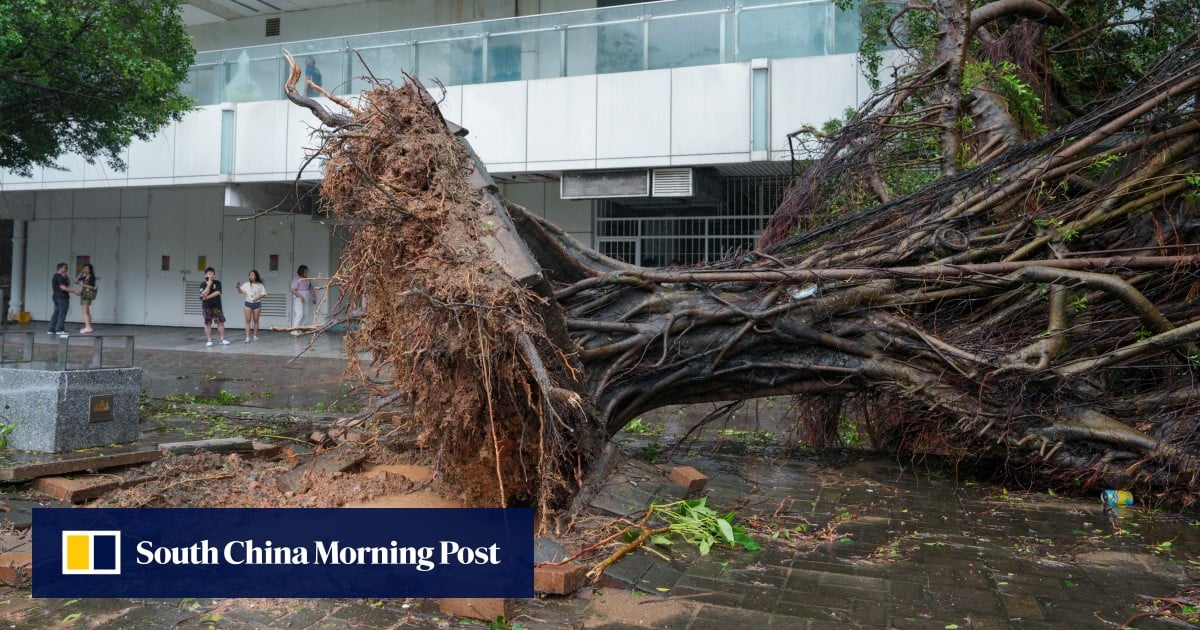
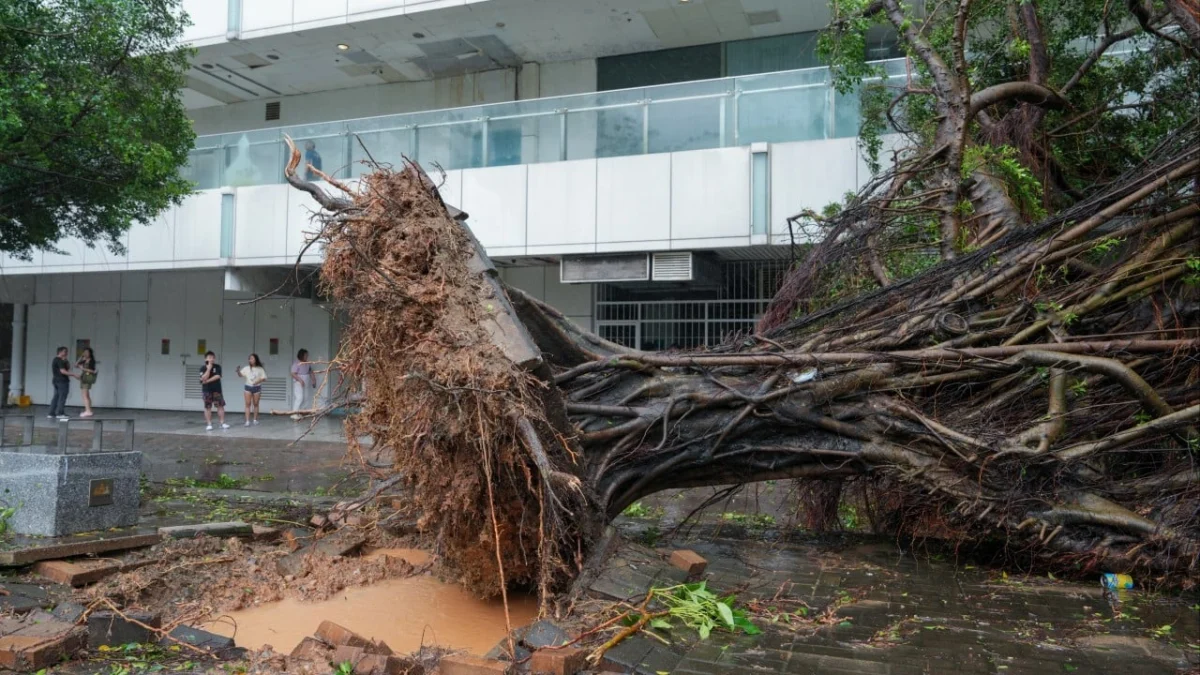
- Increased Risk of Super Typhoons: The prediction that four to seven tropical cyclones may approach within 500 kilometers (311 miles) of the city this year, with the potential to become super typhoons, is a significant cause for alarm. Super typhoons can inflict widespread destruction through violent winds, torrential rain, and devastating storm surges.
- Exacerbated Heat Stress: The prospect of scorching days and uncomfortably hot nights in the coming months poses a serious threat to public health. The risk of heatstroke, dehydration, and other heat-related illnesses is expected to rise considerably, particularly among vulnerable populations such as the elderly, children, and outdoor workers.
- Overwhelmed Drainage Systems: Intense downpours, a hallmark of powerful typhoons, can quickly overwhelm Hong Kong’s sophisticated drainage infrastructure. This can lead to flash flooding in urban areas, disrupting transportation, causing property damage, and posing safety hazards.
- Coastal Flooding and Seawater Backflow: Elevated sea levels, a consequence of both climate change and potential storm surges, will amplify the threat of seawater backflow into low-lying coastal areas and the city’s extensive network of harbors and bays. This can inundate infrastructure and residential areas.
- Increased Landslide Risk: Persistent and heavy rainfall can saturate slopes, weakening their stability and increasing the likelihood of landslides. Given Hong Kong’s mountainous terrain and densely populated hillsides, this poses a significant safety risk.
Historical Context and Scientific Basis
El Niño is characterized by the warming of sea surface temperatures in the central and eastern tropical Pacific Ocean. This warming disrupts atmospheric circulation patterns globally, influencing weather systems thousands of kilometers away. The strength of an El Niño event is typically categorized as weak, moderate, strong, or very strong (often referred to as a "super El Niño"). The current event has been developing and is now showing signs of strengthening significantly.
The relationship between El Niño and typhoon activity in the western Pacific is complex but generally understood. During El Niño years, the typical atmospheric circulation shifts, leading to changes in wind patterns and storm development. Some studies suggest that El Niño can lead to an increase in the number of typhoons that form in the western Pacific and can influence their tracks, often steering them towards East Asia. The additional heat and moisture provided by warmer ocean waters act as fuel for these storms, enabling them to intensify more rapidly and reach higher wind speeds.
The Hong Kong Observatory has historically tracked and issued warnings for tropical cyclones. Their pronouncements, often based on sophisticated modeling and analysis of atmospheric conditions, serve as a crucial early warning system for the public and government agencies. The Observatory’s own projections, which have been incorporated into the current warnings, highlight the potential for an unusually active and intense typhoon season.
Broader Implications and Preparedness
The confluence of a super El Niño and ongoing global warming presents a formidable challenge for urban environments like Hong Kong. Beyond the immediate threats posed by extreme weather, there are broader implications for public health, infrastructure resilience, and the economy.
- Public Health Preparedness: Health authorities will need to intensify public awareness campaigns regarding heatstroke prevention and preparedness for extreme rainfall events. This includes ensuring access to cooling centers, promoting hydration, and providing guidance on flood safety.
- Infrastructure Resilience: Engineers and urban planners will need to review and reinforce critical infrastructure, including drainage systems, sea defenses, and slope stabilization measures, to withstand the projected impacts of more intense storms.
- Economic Disruption: Severe weather events can disrupt supply chains, damage businesses, and impact tourism, leading to significant economic losses. Proactive measures to mitigate these risks are essential.
- Environmental Impact: The increased intensity of storms can also have significant environmental consequences, including coastal erosion, damage to marine ecosystems, and increased pollution from debris and runoff.
The statements from Friends of the Earth (HK) and the consensus among meteorologists underscore the critical need for robust preparedness measures. While the exact trajectory of any given storm remains subject to forecasting uncertainties, the underlying trend of intensifying weather events due to climate change and phenomena like El Niño is becoming increasingly clear. Hong Kong, as a densely populated coastal metropolis, is particularly vulnerable to these shifts, making proactive adaptation and mitigation strategies paramount.
The coming months will likely test the resilience of the city’s infrastructure and the preparedness of its population. By understanding the scientific basis for these warnings and taking decisive action, Hong Kong can better navigate the challenges posed by an increasingly volatile climate. The emphasis on community awareness, governmental response, and long-term climate adaptation planning will be crucial in safeguarding the city and its inhabitants from the escalating impacts of extreme weather.