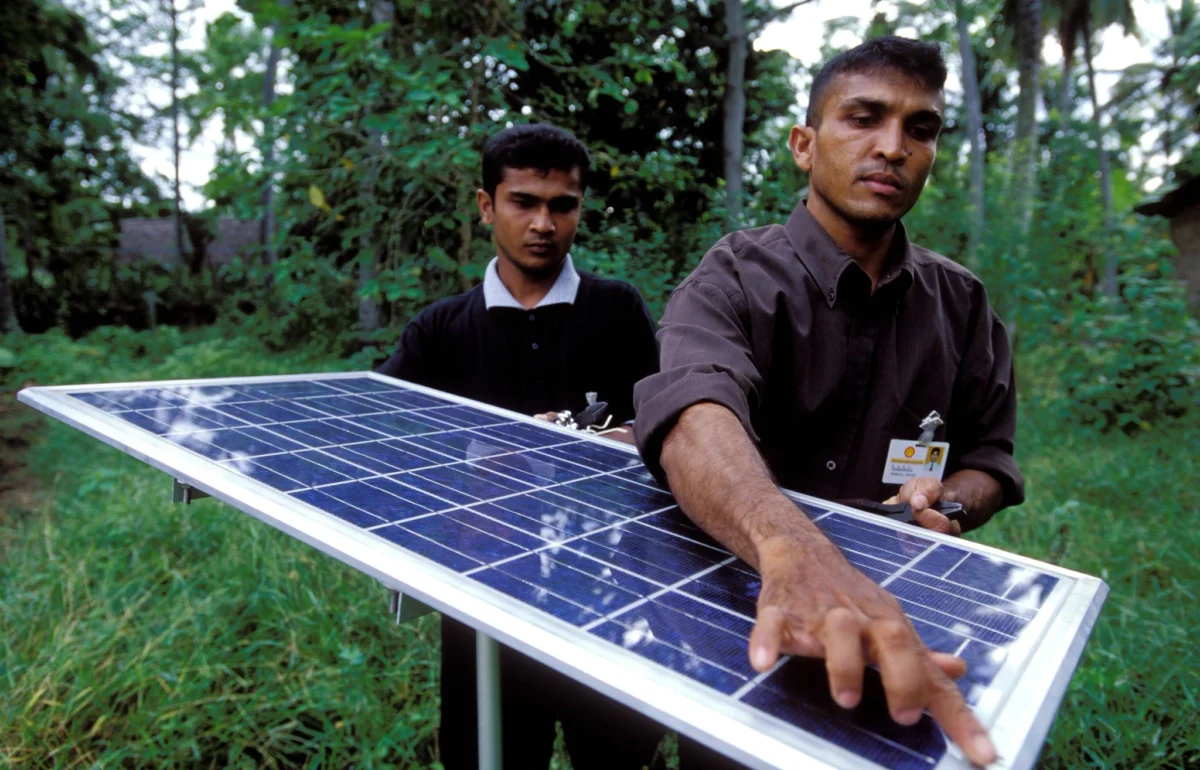
Egypt Accelerates Renewable Energy Transition to Counter Geopolitical Volatility and Achieve Regional Export Ambitions
The Egyptian government has significantly accelerated its transition toward renewable energy, prompted by the escalating geopolitical tensions in the Middle East and the resulting volatility in global energy markets. Following a period of heightened friction between the United States and Iran, which triggered a surge in oil and gas prices and placed immense pressure on Cairo’s fiscal reserves, the administration of President Abdel Fattah el-Sisi has repositioned the nation’s energy strategy. The new directive prioritizes the rapid expansion of solar and wind capacity not only to safeguard domestic energy security but also to transform Egypt into a primary clean energy export hub for the Mediterranean and the broader African continent.
The shift represents a fundamental recalibration of Egypt’s economic development goals. By leveraging its vast geographic advantages—including high solar irradiance and optimal wind speeds along the Red Sea coast—the government aims to mitigate the financial risks associated with fossil fuel imports. The ballooning cost of energy imports has historically been a significant drain on Egypt’s foreign exchange reserves. By doubling down on renewables, the state seeks to decouple its economic stability from the unpredictable fluctuations of the global oil market, while simultaneously addressing the urgent global mandate to reduce carbon emissions.
Geopolitical Catalysts and the Economic Mandate
The decision to fast-track renewable energy projects is rooted in the harsh economic realities of the past decade. Egypt, Africa’s second-largest economy, has faced a series of external shocks, from the COVID-19 pandemic to the inflationary pressures of the Russia-Ukraine war, and most recently, the instability in the Levant and the Persian Gulf. Each of these events has underscored the vulnerability of a nation dependent on global energy supply chains. When US-Iran tensions spiked, the resulting uncertainty in the Strait of Hormuz led to a spike in energy costs that directly impacted Egypt’s electricity generation budget.
In response, the Egyptian cabinet recently announced a dramatic revision of its energy targets. The government now aims for renewable sources to constitute 45% of the national electricity mix within the next two years. This is a significant acceleration from the previous target of 42% by 2030. According to data from the energy think-tank Ember, renewables currently account for approximately 13% of Egypt’s power generation as of early 2024. Closing the gap to 45% by 2026 represents one of the most ambitious energy transitions in the emerging markets, requiring a massive influx of capital and a rapid scaling of infrastructure.
A Chronology of Egypt’s Energy Transformation
The current acceleration is the latest chapter in a decade-long overhaul of Egypt’s power sector. To understand the scale of the current ambition, one must look at the timeline of Egypt’s energy evolution:
- 2014–2015: Egypt faced a severe energy crisis characterized by frequent rolling blackouts. The government signed a multi-billion-euro deal with Siemens to build three massive gas-fired power plants, which stabilized the grid but increased reliance on natural gas.
- 2016: The Integrated Sustainable Energy Strategy (ISES) was launched, setting an initial goal of 42% renewable energy by 2035. This was later moved forward to 2030.
- 2019: The completion of the Benban Solar Park in Aswan, one of the largest solar installations in the world, signaled Egypt’s capacity for mega-scale renewable projects.
- 2022: Egypt hosted the COP27 climate summit in Sharm El-Sheikh. During the summit, the government signed numerous Memoranda of Understanding (MoUs) for green hydrogen projects and launched the "Nexus of Water, Food and Energy" (NWFE) program to attract international climate finance.
- 2023–2024: Heightened regional conflict and the discovery that domestic gas production at the Zohr field was declining faster than expected led to a renewed urgency. The government officially moved the 45% target to a 2026 deadline.
Strategic Infrastructure and the 105-Project Initiative
In June, President el-Sisi convened a high-level meeting with the Prime Minister and the Minister of Electricity and Renewable Energy to finalize the roadmap for this accelerated delivery. Central to this plan is the implementation of 105 specific renewable energy projects designed to diversify the power mix and, crucially, bolster grid stability.
One of the primary challenges of renewable energy is intermittency—solar and wind do not produce power 24/7. To address this, the government is prioritizing energy storage solutions. The June directive included plans for large-scale Battery Energy Storage Systems (BESS) and pumped-storage hydropower. These technologies will allow the grid to store excess energy generated during peak sunny or windy periods and release it during high-demand evening hours.
Furthermore, the government is investing heavily in the modernization of the national electricity grid. The current infrastructure was largely built for centralized fossil fuel plants; transitioning to a decentralized system with over 100 new renewable sites requires "smart grid" upgrades. These upgrades include advanced sensors, automated load balancing, and high-voltage direct current (HVDC) lines to transport power from the sunny south and windy east to the industrial hubs in the north.
Leveraging Natural Resources: Solar, Wind, and Green Hydrogen
Egypt’s geographic profile makes it a "gold mine" for renewable developers. The country sits within the "Sun Belt," receiving between 2,000 and 3,200 kilowatt-hours of solar radiation per square meter annually. The Benban Solar Park, which utilizes this resource, already contributes nearly 1.5 GW to the grid, but the new plan envisions several more clusters of similar scale across the Western Desert.
In terms of wind energy, the Gulf of Suez is recognized as one of the best locations globally for onshore wind farms due to its high, steady wind speeds. Existing projects in Ras Ghareb and Zafarana have proven the commercial viability of wind power in the region. The accelerated plan involves expanding these corridors and exploring offshore wind potential in the Mediterranean.
Beyond domestic consumption, Egypt is positioning itself as a global leader in green hydrogen. By using renewable electricity to split water into hydrogen and oxygen, Egypt can produce a carbon-neutral fuel for export to Europe. The Suez Canal Economic Zone (SCZONE) has become a focal point for these investments, with the government offering significant tax incentives to international firms specializing in electrolysis and green ammonia production.
Official Responses and Economic Analysis
The Ministry of Electricity and Renewable Energy has emphasized that this transition is not merely an environmental choice but a fiscal necessity. By reducing the volume of natural gas burned for domestic electricity, Egypt can divert its remaining gas reserves toward high-value exports or industrial use, providing a much-needed boost to the state treasury.
International observers and financial institutions have reacted with cautious optimism. The International Monetary Fund (IMF) and the World Bank have long encouraged Egypt to reduce energy subsidies and transition to a more sustainable energy model. Analysts from Ember and other energy think-tanks note that while the 45% target is technically feasible given Egypt’s land mass and resource wealth, it will require unprecedented coordination between the public and private sectors.
"The acceleration of Egypt’s renewable targets is a pragmatic response to a volatile neighborhood," noted one regional energy analyst. "By securing its energy independence, Egypt is essentially building a firewall around its economy. The challenge will be the sheer speed of the rollout and the integration of these intermittent sources into a grid that has historically relied on steady gas baseloads."
Regional Connectivity and Export Ambitions
A critical component of Egypt’s strategy is its role as a regional energy "bridge." The country is currently working on several high-profile interconnection projects:
- The EuroAfrica Interconnector: A planned subsea cable that will link Egypt’s power grid to Greece and Cyprus, allowing Egypt to export surplus renewable energy directly to the European Union.
- The Saudi-Egypt Interconnection: A 3,000 MW project that will allow the two largest economies in the Arab world to swap power during peak demand periods, optimizing the use of renewable resources in both nations.
- African Interconnections: Egypt is also looking southward, aiming to link its grid with Sudan and eventually other members of the Nile Basin, supporting the African Union’s goals for continental energy integration.
These projects transform renewable energy from a domestic utility into a strategic export commodity. As Europe seeks to diversify its energy sources away from Russian gas, Egypt’s ability to provide "green" electrons via subsea cables offers a lucrative and long-term economic opportunity.
Conclusion and Future Outlook
Egypt’s pivot toward an accelerated renewable energy timeline marks a decisive moment in its national development. The convergence of geopolitical instability, economic pressure, and climate necessity has forced a rapid evolution of the state’s energy policy. While the goal of reaching 45% renewable capacity by 2026 is an immense undertaking, the groundwork laid through projects like Benban and the strategic focus on the Suez Canal Economic Zone suggests a clear path forward.
The success of this plan will depend on the government’s ability to maintain investor confidence, secure low-cost financing, and successfully upgrade its technical infrastructure. If achieved, Egypt will not only have secured its own energy future but will have set a precedent for how emerging economies can turn geopolitical challenges into a catalyst for a sustainable, green industrial revolution. The transformation from a fossil-fuel-dependent nation to a clean energy export hub remains one of the most watched economic narratives in the Middle East today.

Related Posts
Constitutional Court of South Africa Bars Shell Oil Exploration in Landmark Victory for Environmental and Community Rights
The Battle for Saldanha Bay: South Africa’s Ambitious Ocean Economy Strategy Faces Legal and Environmental Reckoning