Argentina’s Financial Landscape: A Deep Dive into Dollar Exchange Rates, the Euro, and Key Economic Indicators
Argentina’s financial markets continue to be a focal point for economic observers, with the interplay of official and parallel currency exchange rates, international currencies, and crucial economic indicators shaping the nation’s economic trajectory. As of Monday, August 10th, the retail dollar is trading at ARS 1520 for sales, while the parallel or "blue" dollar is priced at ARS 1530 for the same transaction. This disparity highlights the ongoing complexities within Argentina’s currency system, influenced by a combination of official policies, market sentiment, and informal trading channels.
Beyond the domestic currency dynamics, the performance of other significant global currencies, such as the Brazilian Real and the Euro, also provides valuable context for understanding Argentina’s economic position. Furthermore, the country’s "country risk," a key measure of its creditworthiness, offers insights into investor confidence and the perceived stability of the Argentine economy.
The Official Dollar: A Stable Baseline Amidst Market Fluctuations
The official dollar, regulated by the Central Bank of the Argentine Republic (BCRA), serves as the benchmark for most formal financial transactions. On Monday, August 10th, the official dollar maintained a steady position at ARS 1470 for buying and ARS 1520 for selling at the Banco Nación. This stability in the official rate is a critical factor for businesses engaged in import-export activities, as well as for individuals involved in regulated foreign currency transactions.
The closing price of the official dollar on Friday, August 7th, mirrored Monday’s rates, indicating a period of relative calm in the officially sanctioned currency market. At the Banco Nación, the official dollar concluded the previous trading week at ARS 1470 for purchases and ARS 1520 for sales. The official exchange rate typically operates within standard banking hours, closing on business days at 3:00 PM. This regulated environment aims to provide a predictable framework for economic actors, though its effectiveness is often challenged by the existence of parallel markets.
The Blue Dollar: A Parallel Market Reflecting Economic Sentiment
In contrast to the official rate, the "blue dollar" operates in the informal or parallel market, often reflecting underlying economic pressures and investor sentiment more directly. This segment of the currency market is characterized by its less regulated nature and its ability to react swiftly to shifts in economic confidence and demand for foreign currency. On Monday, the blue dollar held its ground, trading at ARS 1479.25 for buying and ARS 1525 for selling.
The close proximity of the blue dollar’s selling price to the official rate’s selling price (ARS 1525 versus ARS 1520) suggests a narrowing gap, which can be an indicator of various economic factors, including the effectiveness of current monetary policies or shifts in market expectations. A significant divergence between the official and blue dollar rates can signal increased demand for dollars in the unofficial market, often driven by concerns about inflation, currency devaluation, or capital flight.
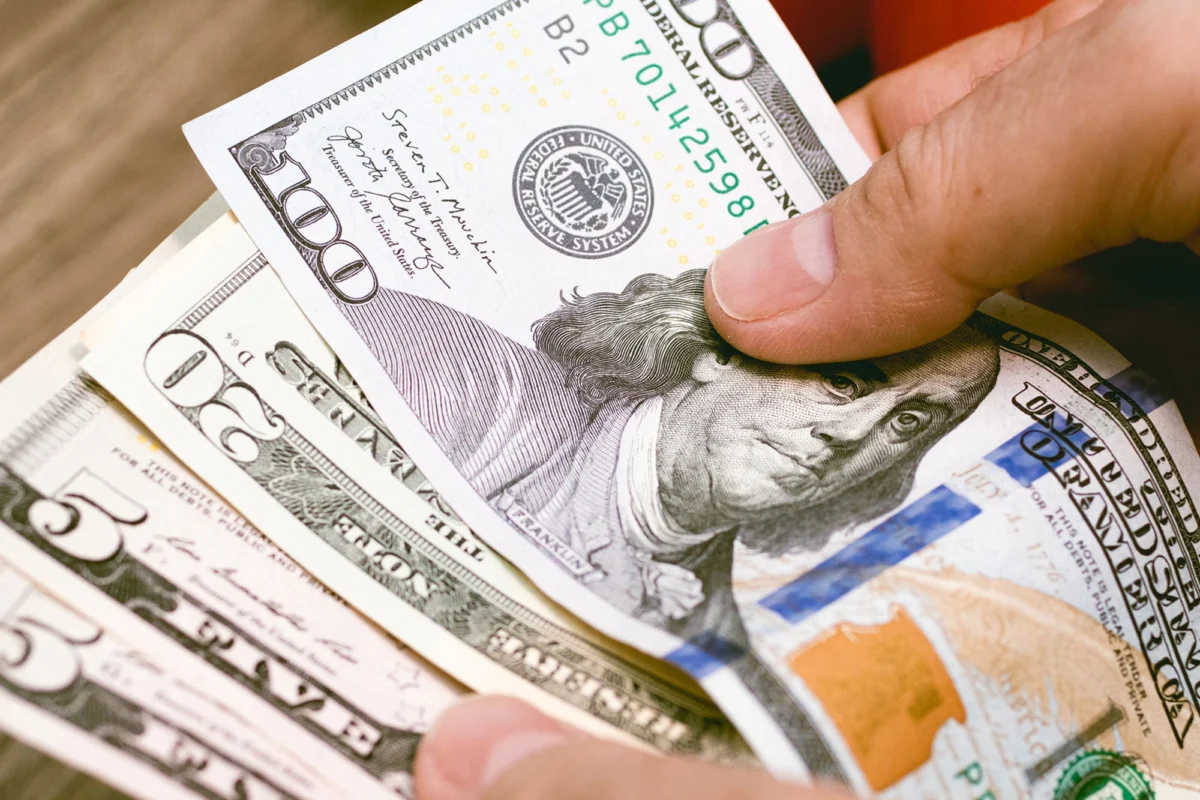
To illustrate the purchasing power of the blue dollar, acquiring 100 US dollars on the parallel market on this Monday required ARS 153,000. This figure underscores the premium associated with obtaining dollars outside the official channels, a reality for many Argentinians seeking to hedge against inflation or secure their savings.
The Euro’s Position in the Argentine Market
The Euro, another significant global currency, also plays a role in Argentina’s financial landscape. In the parallel market, the Euro was trading at ARS 1762.11 for sales. This rate, when compared to the dollar’s parallel rate, indicates a stronger demand or a higher perceived value for the Euro within Argentina’s informal currency exchange system. The Euro’s performance often serves as another barometer of investor sentiment and the broader demand for hard currencies as a store of value.
Emerging Financial Instruments: Dollar Card and Crypto Dollars
Argentina’s financial system has adapted to evolving global trends, with instruments like the "dollar card" and "crypto dollar" offering alternative ways to engage with foreign currency.
The dollar card, designed for payments made in foreign currency abroad or for foreign services, has seen its calculation adjusted following the removal of the PAIS tax. Currently, its value is determined by adding a 30% perception of gains tax to the retail dollar exchange rate. This adjustment brings the cost of the dollar card to ARS 1982.50. This mechanism aims to capture a portion of the foreign currency spending for fiscal purposes, influencing the effective cost of international transactions for Argentine consumers.
The "crypto dollar," often referred to as a stablecoin, operates on a 24/7 basis, providing a reference point for dollar exchange rates when official quotations are unavailable. These digital assets are designed to maintain a stable value pegged to the US dollar. Their constant availability makes them a significant tool for traders and investors seeking continuous access to dollar-denominated assets, irrespective of traditional market hours or holidays. Access to crypto dollars is typically through cryptocurrency exchange platforms, where stablecoins can be acquired.
Cryptocurrencies: Bitcoin and Ethereum in Focus
The burgeoning world of cryptocurrencies is also a significant aspect of Argentina’s financial discourse. Bitcoin (BTC), the leading cryptocurrency, was trading at US$65,161.62. Its increasing acceptance for purchasing goods and services globally highlights its growing prominence as a digital asset and a potential alternative to traditional currencies.
Ethereum (ETH), the cryptocurrency powering the Ethereum platform, was valued at US$1901.88. As the second-largest cryptocurrency by market capitalization, Ethereum plays a crucial role in the decentralized finance (DeFi) and non-fungible token (NFT) ecosystems. The adoption of these blockchain technologies is steadily growing, indicating a broader trend towards digital asset utilization.
Accessing Dollars: ATM Withdrawals and Digital Banking
For individuals holding dollar-denominated bank accounts, the option to withdraw US dollars directly from ATMs equipped for such transactions is available. It is advisable for account holders to consult with their financial institutions to identify the specific ATMs that facilitate these withdrawals. This service offers a convenient method for accessing physical dollar cash for those who prefer it.
Furthermore, the increasing digitalization of banking services means that purchasing dollars can often be done through home banking platforms, streamlining the process for users who prefer online transactions.
Broader Economic Indicators: Country Risk
The "country risk" indicator, meticulously calculated by JP Morgan, provides a vital snapshot of Argentina’s creditworthiness and the perceived risk associated with investing in the country. On Monday, August 10th, this indicator stood at 448 points. A higher country risk generally signifies a greater perceived risk for investors, potentially leading to higher borrowing costs for the government and increased volatility in financial markets. This figure is closely watched by international investors and financial institutions as they assess the economic stability and investment climate in Argentina.
The Brazilian Real: A Regional Neighbor’s Currency
The Brazilian Real, Argentina’s neighbor and a key trading partner, also holds significance in the regional economic context. According to the Banco Nación, the Brazilian Real was being traded at ARS 289 for buying and ARS 304 for selling on Monday. Fluctuations in the Real’s value can have ripple effects on trade dynamics and cross-border investments between Argentina and Brazil.
Conclusion: Navigating a Complex Financial Ecosystem
Argentina’s financial landscape is a dynamic and multifaceted environment, characterized by a range of exchange rates, evolving financial instruments, and global economic influences. The persistent gap between official and parallel dollar rates, the performance of international currencies, and key indicators like country risk all contribute to a complex picture of the nation’s economic health. As the country navigates these challenges, understanding the interplay of these various elements is crucial for comprehending its present economic situation and its future trajectory. The continued evolution of digital currencies and banking services further adds layers of complexity and opportunity to this intricate financial ecosystem.

Related Posts

The Electric Vehicle Battery Health Debate Emerges as Argentina’s EV Market Accelerates

President Donald Trump Confirms Secret Departure from Turkey Amidst Assassination Threat