Belgian Designer Sues Prada for $5 Million Over Alleged Breach of Rolls-Royce Collaboration Agreement
A Hong Kong-based Belgian designer, Jonathan Riss, has initiated legal proceedings against the globally recognized fashion conglomerate Prada, seeking a minimum of US$5 million in damages. Riss alleges that Prada has repudiated a significant partnership agreement that was intended to culminate in the redesign of a series of Rolls-Royce cars for prestigious international exhibitions and events. The lawsuit, filed in the High Court, accuses the Italian luxury brand of reneging on a multifaceted marketing initiative that Riss claims was built upon a foundation of both written and verbal understandings.
The core of the dispute, as detailed in the writ obtained by the South China Morning Post, centers on a collaborative project that aimed to merge the distinct aesthetic identities of Prada and Riss’s luxury fashion brand, Jay Ahr, with the iconic British automotive marque, Rolls-Royce. Riss contends that Prada unilaterally terminated this venture, citing accountability concerns as the purported reason for its withdrawal. This abrupt abandonment, according to Riss, has resulted in substantial financial losses and reputational damage.
Named as defendants alongside Prada are key figures within the fashion empire: Chairman Patrizio Bertelli, his wife and renowned fashion designer Miuccia Prada, and their son Lorenzo Bertelli, who holds an executive director position within the firm. The inclusion of these high-profile individuals underscores the gravity of the legal action and suggests Riss’s belief that their direct involvement or oversight was crucial to the alleged agreement and its subsequent breach.
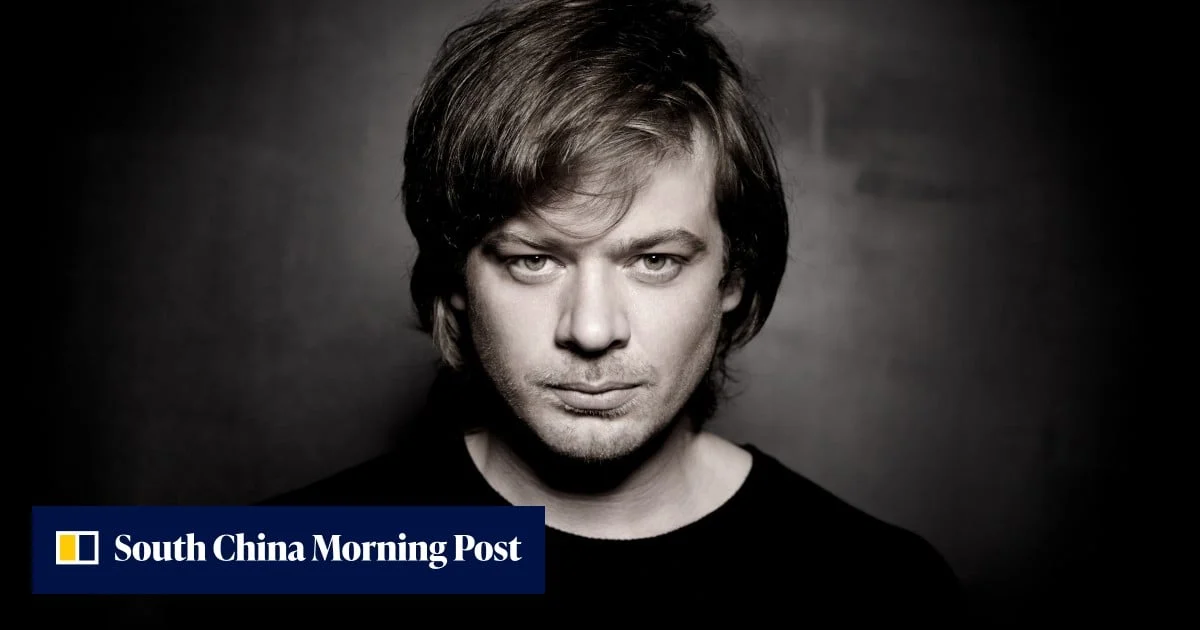
Jonathan Riss, whose legal name is Jonathan Thierry Colin, is a figure of considerable standing in the luxury design world. He is the founder of Jay Ahr, a brand that has carved a niche for itself through high-profile collaborations with esteemed international names, including Louis Vuitton, Hermès, and, significantly, Rolls-Royce. This history of successful partnerships with industry giants lends considerable weight to Riss’s claims and his capacity to undertake such an ambitious project. Riss’s operational base in Hong Kong, specifically a studio located in an industrial building in Wong Chuk Hang on Hong Kong Island’s southern district, highlights the city’s role as a hub for international design and business. The automotive division of his brand, Ahrsenal Limited, has been named as the second plaintiff in the lawsuit, signifying the formal inclusion of the entity tasked with the Rolls-Royce project.
The plaintiffs’ legal representatives have outlined a timeline of engagement that began with Riss being personally approached by Patrizio Bertelli in February 2024. The initial scope of their collaboration was to involve the transformation of Prada’s signature Galleria and Nylon bags. However, this engagement quickly evolved. The parties reportedly agreed to expand their partnership to encompass a more ambitious "neo-prototype concept." This concept was designed to intricately weave together the recognizable design elements of both Prada and Jay Ahr, creating a unique fusion that would then be applied to a series of Rolls-Royce vehicles. The envisioned outcome was not merely a cosmetic enhancement but a holistic redesign intended to serve as a powerful marketing tool for global exhibitions and exclusive events.
The Genesis of a High-Stakes Collaboration
The narrative of the alleged agreement begins with an initial commission that hinted at a deeper potential for collaboration. Patrizio Bertelli, a pivotal figure in Prada’s global strategy, is said to have engaged Riss in February 2024. The initial project focused on reimagining Prada’s iconic Galleria and Nylon handbags. This task, while significant in itself, appears to have served as a prelude to a more expansive and ambitious venture. Sources close to the designer suggest that the success and creative synergy observed during this initial phase prompted discussions for a broader partnership.
It was following this initial success that the parties reportedly began to conceptualize a "neo-prototype" initiative. This was envisioned as a groundbreaking project that would transcend the traditional boundaries of fashion and automotive design. The core idea was to integrate the distinctive design philosophies and recognizable signatures of both Prada and Jay Ahr into a series of Rolls-Royce vehicles. This fusion was intended to create a series of highly exclusive, artistically curated automobiles that would serve as the centerpiece for a global marketing campaign. The vehicles were slated to be showcased at major international exhibitions and high-profile events, thereby generating significant brand visibility and prestige for all parties involved.
The selection of Rolls-Royce as the automotive canvas for this project is particularly noteworthy. The British marque is synonymous with unparalleled luxury, craftsmanship, and heritage, making it an ideal platform for a project aiming to blend high fashion with automotive excellence. Rolls-Royce’s own history of limited-edition collaborations and bespoke commissions further suggests that such a project, if realized, would have been met with considerable interest from the global elite.
Riss’s legal team asserts that the agreement to proceed with the Rolls-Royce project was solidified through a combination of written correspondence and verbal commitments. This multifaceted approach to agreement formation is not uncommon in the high-stakes world of luxury brand collaborations, where personal assurances and handshake deals can often carry significant weight, alongside formal documentation. The plaintiffs allege that Prada, through its principal figures, gave assurances that the project would proceed, leading Riss and Ahrsenal Limited to invest considerable time, resources, and creative capital in its development.
The Alleged Unraveling of the Partnership
The lawsuit details a period of active development and preparation by Riss and his team. This included the creation of design concepts, prototypes, and marketing strategies tailored for the Rolls-Royce collaboration. It is during this phase, the plaintiffs claim, that Prada began to exhibit signs of withdrawal. The stated reason for Prada’s alleged abandonment of the project was "accountability reasons." However, Riss and his legal counsel interpret this rationale with skepticism, suggesting it may be a pretext for a more complex or less transparent motive.
The plaintiffs contend that Prada’s unilateral decision to cease collaboration, despite the mutual understanding and commitments made, constitutes a fundamental breach of contract. This breach, they argue, has not only halted a potentially lucrative and reputation-enhancing project but has also inflicted demonstrable financial harm. The US$5 million sought in damages is understood to encompass a range of losses, including but not limited to, unrecouped development costs, lost profits from the projected marketing initiative, and damages to Riss’s professional reputation.
The inclusion of Patrizio Bertelli, Miuccia Prada, and Lorenzo Bertelli as defendants is significant. It suggests that Riss believes these individuals were personally privy to the agreements and decisions, and that their collective influence or direct actions led to the alleged breach. In the world of high fashion, the personal involvement of founding families and top executives often signifies the strategic importance of a project. Their alleged involvement in both the initiation and the subsequent abandonment of the collaboration underscores the depth of Riss’s grievance.
The Stakes and Potential Implications
The lawsuit between Jonathan Riss and Prada is more than just a contractual dispute; it is a high-profile legal battle that could have significant implications for how luxury brands conduct collaborative ventures. The fashion industry, particularly the luxury segment, thrives on exclusivity, aspirational marketing, and meticulously crafted brand narratives. Collaborations between established luxury houses and emerging or niche designers, or with other high-end industries like automotive, are increasingly common as a means to cross-pollinate audiences and generate buzz.
This case raises questions about the enforceability of verbal agreements in complex, multi-million dollar international business dealings. While written contracts are generally the bedrock of such transactions, the plaintiffs’ assertion of verbal agreements being breached highlights the potential for disputes when informal understandings are not honored.
Furthermore, the involvement of a major automotive brand like Rolls-Royce adds another layer of complexity. While Rolls-Royce is not directly named as a defendant, its association with the project as the envisioned canvas for the redesigned vehicles means that any public fallout from the lawsuit could indirectly affect its brand image and relationships within the luxury market.
Supporting Data and Industry Context
The luxury goods market, encompassing both fashion and automobiles, is a multi-trillion dollar global industry. In 2023, the global luxury goods market was valued at approximately US$350 billion, with fashion accounting for a significant portion of this figure. Collaborations between fashion houses and automotive manufacturers have a history, often resulting in limited-edition models that command premium prices and generate substantial media attention. Examples include partnerships between brands like Mercedes-Benz and designers such as Virgil Abloh, or collaborations between Gucci and Fiat. These ventures are strategically designed to leverage the brand equity of both parties, appealing to affluent consumers who appreciate unique design and exclusivity.
Prada, as a publicly listed company on the Hong Kong Stock Exchange, operates within a stringent regulatory environment. Allegations of contractual breaches, especially those involving significant financial claims, can attract scrutiny from investors and market analysts. The company’s financial performance and reputation are crucial, and such legal challenges, even if ultimately unsuccessful, can create a degree of uncertainty.
Jonathan Riss, through his Jay Ahr brand and its automotive arm Ahrsenal Limited, positions himself at the intersection of high fashion and automotive customization. His previous collaborations with brands like Louis Vuitton and Hermès suggest a track record of successfully navigating complex creative and commercial partnerships. The scale of the Rolls-Royce project, as described by Riss, would have represented a significant undertaking, requiring substantial investment in design, prototyping, and logistical planning for international exhibitions. The alleged abandonment at a critical juncture would therefore represent a substantial financial and opportunity cost for the plaintiffs.
A Look Ahead
The legal battle between Jonathan Riss and Prada is likely to be a protracted affair. The High Court will need to meticulously examine the evidence presented by both sides, including any written agreements, correspondence, and testimony regarding verbal discussions. The credibility of the parties and the clarity of their intentions will be paramount in determining the outcome.
Should Riss’s claims be substantiated, it could serve as a cautionary tale for luxury brands engaging in collaborative projects, emphasizing the importance of clear contractual frameworks and consistent adherence to agreed-upon terms. Conversely, if Prada successfully defends itself, it may reinforce the brand’s position and potentially highlight the risks associated with informal agreements in high-value ventures. The broader fashion and luxury industries will be watching closely as this high-stakes dispute unfolds, with potential ramifications for future collaborations and the intricate web of relationships that define the world of luxury.
The initial engagement in February 2024, focusing on Prada’s iconic handbags, appears to have been a stepping stone towards a much larger ambition. The transition from bag redesign to a full-scale automotive concept demonstrates a deepening of the perceived partnership and a shared vision that Riss claims was solidified through further discussions and agreements. The plaintiffs’ legal team asserts that both written exchanges and verbal commitments formed the basis of their understanding with Prada, a common practice in the nuanced landscape of international luxury collaborations where personal assurances can hold significant sway alongside formal contracts. The alleged unilateral termination by Prada, citing "accountability reasons," has been met with strong disagreement from Riss, who views this justification as potentially disingenuous and indicative of a broader breach of trust and contractual obligation.
The financial claim of at least US$5 million is a significant sum, reflecting the substantial investment Riss and Ahrsenal Limited claim to have made in the project. This figure is likely to encompass a comprehensive assessment of direct costs incurred in design, prototyping, and marketing strategy development, as well as the projected loss of earnings and reputational damage resulting from the aborted venture. The inclusion of Prada’s chairman, Patrizio Bertelli, his wife Miuccia Prada, and their son Lorenzo Bertelli as defendants underscores the plaintiffs’ belief that these individuals were directly involved in the decision-making process, making their personal and corporate reputations central to the dispute. This legal action is poised to scrutinize the dynamics of high-level collaborations within the competitive and often opaque world of luxury brand partnerships, with potential ripple effects across the industry.