Barbados charts practical path for small islands to harness abundant renewables and strengthen energy security
As the escalation of conflict in the Middle East sends shockwaves through global energy markets in the spring of 2026, the Caribbean nation of Barbados has emerged as a global case study for energy independence. For Small Island Developing States (SIDS), which have historically been tethered to the volatile pricing of imported heavy fuel oil, the current geopolitical crisis—characterized by disrupted shipping lanes in the Persian Gulf and soaring Brent crude prices—has transformed the transition to renewable energy from a long-term environmental goal into an immediate matter of national security.

The administration of Prime Minister Mia Mottley, a leading global voice for climate justice and financial reform, has accelerated the implementation of the Barbados National Energy Policy (BNEP). This framework seeks to transition the island to 100% renewable energy and carbon neutrality by 2030. While many nations are struggling to balance immediate energy demands with decarbonization pledges, Barbados is demonstrating that for small islands, the most practical path forward is one that decouples the domestic economy from the vagaries of international fossil fuel markets.
The Economic Imperative of Energy Sovereignty
The rationale behind Barbados’ aggressive shift is rooted in economic survival. Small island nations typically pay some of the highest electricity rates in the world, often three to four times higher than the average in the United States or Europe. This is primarily due to the "diseconomies of scale" associated with small-scale thermal power plants and the high cost of transporting fuel to remote locations.

In early 2026, as the conflict involving Iran intensified, global oil prices breached the $120-per-barrel mark. For a nation like Barbados, which historically spent nearly 10% of its GDP on fossil fuel imports, such a spike represents a catastrophic drain on foreign exchange reserves. By pivoting to solar, wind, and battery storage, the government aims to keep that capital within the domestic economy, redirecting funds toward healthcare, education, and climate adaptation infrastructure.
According to data from the Barbados Ministry of Energy and Business, the island has seen a 40% increase in distributed solar installations over the past 24 months. This decentralized approach—whereby households and businesses become "prosumers"—not only lowers individual utility bills but also increases the resilience of the national grid against extreme weather events, such as the increasingly frequent and intense hurricanes fueled by rising Atlantic sea temperatures.

A Chronology of the Barbadian Energy Transition
The journey toward energy independence in Barbados has been marked by several key milestones that have allowed the nation to remain resilient during the 2026 energy crisis:
- 2019: The Launch of BNEP. The government unveiled a comprehensive policy to phase out fossil fuels by 2030, emphasizing a "people-centered" transition.
- 2021: The Bridgetown Initiative. Prime Minister Mottley introduced a global proposal to reform the international financial architecture, making it easier and cheaper for developing nations to borrow money for "green" projects.
- 2023: The Blue Bond Success. Barbados successfully utilized debt-for-nature swaps, redirecting debt service payments toward marine conservation and renewable energy projects.
- 2024-2025: Massive Grid Modernization. With support from the Inter-American Development Bank (IDB), Barbados began a $50 million project to upgrade its electrical grid to handle the intermittent nature of solar and wind power.
- March 2026: The Middle East Conflict. As global oil supplies tighten, Barbados activates a new series of community-scale solar-plus-storage facilities, shielding the local population from the most severe price hikes seen elsewhere in the region.
The Role of Innovative Storage and Technology
One of the primary hurdles for island nations in the transition to renewables has been the "intermittency" problem—the fact that solar and wind do not provide power 24/7. To address this, Barbados has begun exploring long-duration energy storage (LDES) technologies.

Recent developments in iron-air batteries, often referred to as "rust-powered" batteries, have gained traction in the Caribbean. Unlike lithium-ion batteries, which are expensive and rely on complex supply chains for minerals like cobalt and nickel, iron-air batteries utilize abundant materials and can provide discharge durations of up to 100 hours. This technology is particularly suited for islands that need to maintain power during several days of heavy cloud cover or storm activity.
Furthermore, the government has incentivized the adoption of electric vehicles (EVs). Barbados currently boasts one of the highest per-capita rates of EV ownership in the Caribbean. By integrating vehicle-to-grid (V2G) technology, the island’s fleet of electric buses and private cars can act as a mobile battery system, feeding power back into the national grid during peak demand or emergencies.

Stakeholder Responses and International Support
The Barbadian model has garnered praise from international financial institutions and environmental organizations. The International Monetary Fund (IMF), which has traditionally focused on fiscal austerity, has increasingly supported Barbados’ "Resilience and Sustainability Facility" (RSF).
"Barbados is proving that the transition to green energy is not just an environmental luxury; it is a core component of macroeconomic stability," said a spokesperson for the IMF’s Western Hemisphere Department. "By reducing their reliance on imported fuel, they are effectively lowering their risk profile for international investors."

Domestically, the transition has required a delicate balancing act with the Barbados Light & Power Company (BL&P), the island’s sole utility provider. The government has pushed for a "democratic" energy market, allowing independent power producers and residential solar owners to sell electricity back to the grid. While this has challenged the traditional utility business model, it has also spurred innovation in smart-grid management.
However, the path has not been without criticism. Some local agricultural advocates have expressed concern over the "land-use conflict," as large-scale solar farms compete with food production on the limited land available on the 166-square-mile island. In response, the government has promoted "agrivoltaics"—the practice of installing solar panels high enough to allow for sheep grazing or shade-tolerant crops to be grown underneath.

Broader Implications for Global Food and Energy Systems
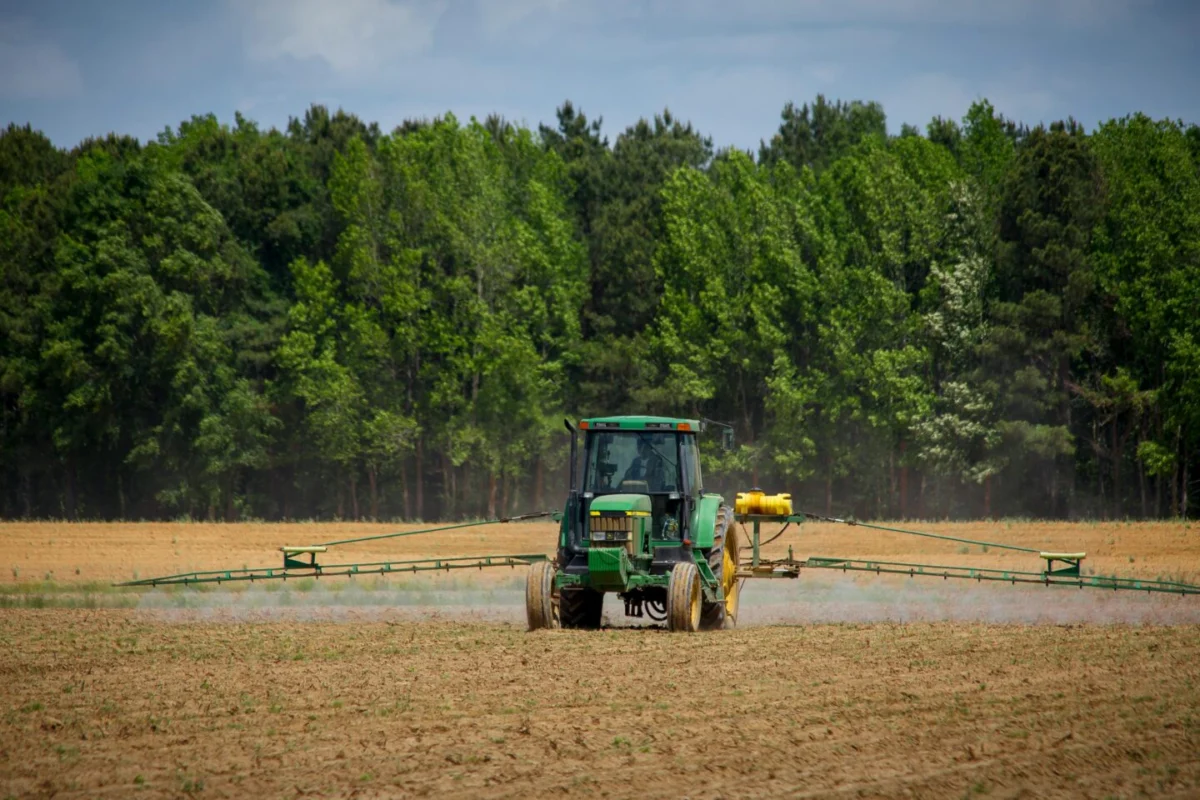
The current crisis in the Middle East has highlighted a dangerous nexus between energy and food security. As fossil fuel prices rise, the cost of nitrogen-based fertilizers and the fuel required for agricultural machinery and food transport also skyrocket. For Barbados, which imports a significant portion of its food, energy independence is a prerequisite for food security.
The Barbadian strategy of "Electrify Everything" extends to the agricultural sector, where solar-powered irrigation and refrigerated storage are becoming the norm. This reduces the "embedded energy" cost of locally grown produce, making it more competitive against expensive imports.

On the global stage, the "Barbados Path" serves as a blueprint for the 39 members of the Alliance of Small Island States (AOSIS). If a nation with limited land and no indigenous fossil fuel resources can achieve energy sovereignty, it challenges the narrative that developing nations must wait for "trickle-down" technology from the Global North.
Analysis: The Geopolitical Shift Toward Resilience
The events of March 2026 mark a turning point in how nations perceive energy. The era of "just-in-time" fossil fuel delivery is being replaced by a focus on "just-in-case" domestic resilience. Barbados’ proactive stance has allowed it to avoid the civil unrest and economic paralysis currently facing other oil-dependent nations in the Global South.

The implications are clear: energy security is no longer about securing a pipeline or a shipping lane; it is about securing the capital and the technology to harvest the sun, wind, and sea. For Barbados, the abundant Caribbean sunshine is no longer just a draw for tourists—it is the engine of the national economy.
As the international community prepares for the upcoming COP31 negotiations, Barbados is expected to lead a coalition of nations demanding more "concessional" financing for energy storage. The message from Bridgetown is unequivocal: the technology to save the planet and stabilize the economy exists, but the financial mechanisms to deploy it at scale must be unlocked.

In the face of a volatile world, Barbados has chosen a path of practical radicalism. By turning its vulnerability into a laboratory for innovation, the island is not just surviving the 2026 energy crisis; it is charting the course for a post-carbon future that other nations, large and small, would be wise to follow.

Related Posts
Constitutional Court of South Africa Bars Shell Oil Exploration in Landmark Victory for Environmental and Community Rights
The Battle for Saldanha Bay: South Africa’s Ambitious Ocean Economy Strategy Faces Legal and Environmental Reckoning