Assembly of States Parties Removes ICC Prosecutor Karim Khan for Serious Misconduct and Breach of Duty
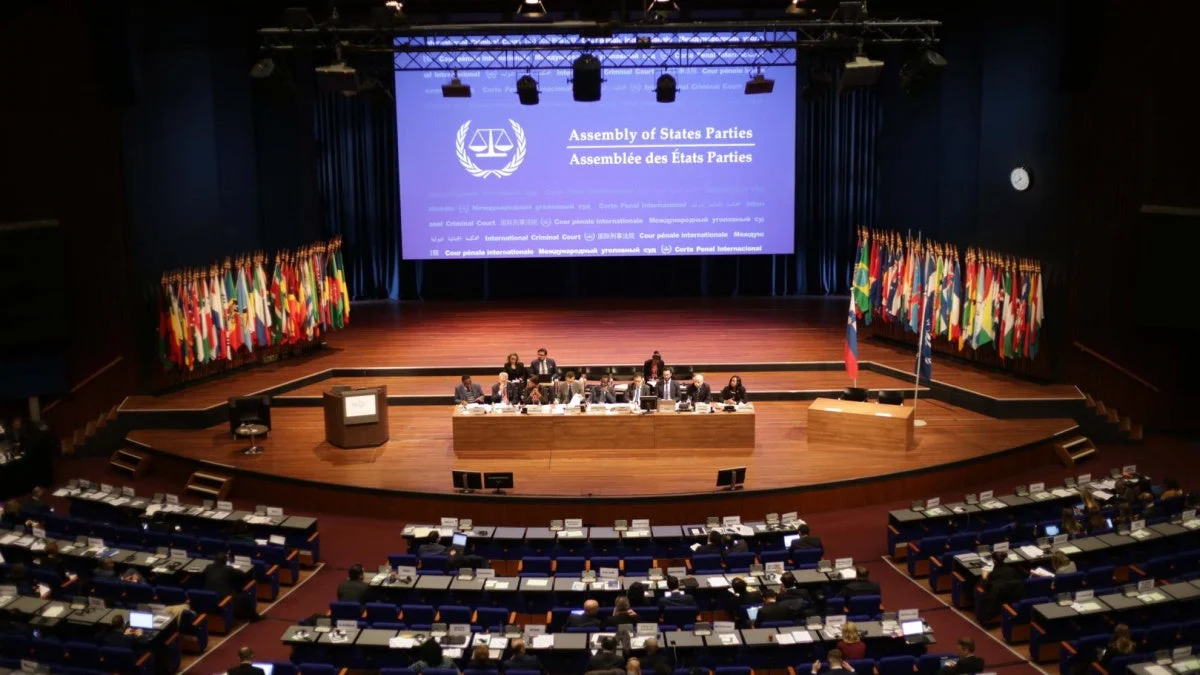
In a landmark decision that has sent shockwaves through the international legal community, the Assembly of States Parties (ASP) of the International Criminal Court (ICC) convened for a special session on July 24, 2026, and voted to remove the court’s chief prosecutor, Karim Khan, from his position. The decision followed an intensive period of internal review and disciplinary proceedings, concluding that Khan had engaged in "serious misconduct" and a "serious breach of duty." This move marks the first time in the history of the ICC that a sitting prosecutor has been removed through the formal mechanisms established under the Rome Statute, the treaty that governs the court’s operations.
The removal of the high-profile British jurist comes at a precarious time for the ICC, which is currently handling some of the most politically sensitive cases in its history, including investigations into alleged war crimes in Ukraine, Palestine, Sudan, and Venezuela. The ASP’s decision was communicated via an official statement following the conclusion of the special session at the court’s headquarters in The Hague, emphasizing that the integrity of the institution must remain paramount over any individual leadership.
The July 24 Special Session and the ASP Resolution
The special session of the Assembly of States Parties was called specifically to address the findings of an investigation into the prosecutor’s conduct. Under the rules of the ICC, the prosecutor can only be removed if a majority of the 124 member states find that the individual has committed serious misconduct or a serious breach of duties as defined by the Rome Statute and the court’s internal disciplinary framework.
While the specific details of the misconduct allegations were not fully disclosed in the public summary to protect the privacy of involved parties and the integrity of the investigative process, the ASP confirmed that the decision was based on "credible evidence" that met the high threshold for removal. The resolution passed during the session noted that the prosecutor’s actions had compromised the standing of the Office of the Prosecutor (OTP) and, by extension, the court itself.
Understanding the Legal Basis: Article 46 of the Rome Statute
The removal of an ICC Prosecutor is governed by Article 46 of the Rome Statute. This article stipulates that the Prosecutor, Deputy Prosecutors, and judges may be removed from office if they are found to have committed "serious misconduct" or a "serious breach of duty," or if they are unable to exercise the functions required of their office.
In the case of the Prosecutor, the removal process requires a secret ballot and a two-thirds majority of the States Parties. The high bar for removal is designed to protect the independence of the Prosecutor from political pressure; however, it also serves as a mechanism for accountability when that independence or the ethical standards of the office are compromised.
The "serious misconduct" cited in the ASP’s July 24 decision typically refers to actions that are incompatible with the nature of the office, such as harassment, corruption, or gross negligence in the management of judicial proceedings. "Serious breach of duty" refers to a failure to fulfill the professional obligations mandated by the statute, which could include the unauthorized disclosure of confidential information or the failure to remain impartial.
A Look Back: The Tenure of Karim Khan (2021–2026)
Karim Khan assumed office on June 16, 2021, succeeding Fatou Bensouda. His election was seen as a turning point for the ICC, as he brought a reputation for being a pragmatist and a formidable trial lawyer. Khan had previously served as the head of the United Nations Investigative Team to Promote Accountability for Crimes Committed by Da’esh/ISIL (UNITAD).
During his five years in office, Khan oversaw a period of unprecedented activity for the ICC. Some of the defining moments of his tenure included:
- The Ukraine Investigation: Shortly after the 2022 invasion of Ukraine, Khan opened an investigation that led to the issuance of arrest warrants for high-ranking Russian officials, including President Vladimir Putin, for the unlawful deportation of children.
- The Palestine Situation: Khan’s office faced immense pressure regarding investigations into alleged crimes committed by both Israeli forces and Hamas. In 2024 and 2025, his office moved toward seeking warrants that sparked intense global debate.
- Budgetary Reforms: Khan was vocal about the need for increased funding for the ICC, arguing that the court’s "zero-growth" budget model was unsustainable given the expanding caseload.
Despite these milestones, his tenure was also marked by internal friction. Reports had surfaced intermittently regarding his management style and the culture within the Office of the Prosecutor, leading to the eventual formal inquiry that resulted in his removal.
Internal Oversight and the Path to Disciplinary Action
The process leading to the July 24 removal was initiated by the Independent Oversight Mechanism (IOM). The IOM is a body established by the Assembly of States Parties to provide the ICC with a mechanism for investigating allegations of misconduct against high-level officials.
The investigation into Khan reportedly began after internal whistleblowers and staff members raised concerns regarding breaches of the court’s Code of Conduct. The IOM’s role was to gather evidence, interview witnesses, and present a comprehensive report to the Presidency of the ASP. Following the submission of this report, the ASP leadership determined that the findings were of such a grave nature that they necessitated a special session to vote on the prosecutor’s tenure.
Data and Institutional Context: The ICC in 2026
The removal of the Prosecutor occurs against a backdrop of a growing workload for the court. As of mid-2026, the ICC is managing:
- 17 Active Situations: Including cases in Afghanistan, the Democratic Republic of the Congo, Libya, and the Philippines.
- 31 Cases: Involving dozens of individual defendants at various stages of trial or pre-trial.
- Annual Budget: The 2026 budget for the ICC was approximately €195 million, a significant increase from previous years, reflecting the court’s expanded mandate.
- Staffing: The court employs over 900 staff members from approximately 100 different countries.
Maintaining the stability of an organization of this scale requires not only financial resources but also moral authority. The ASP’s decision highlights the belief that the court’s legitimacy is inextricably linked to its ability to police its own leadership.
Civil Society and Human Rights Organizations Respond
The reaction from the international human rights community has been one of cautious support for the process, alongside a call for institutional stability. Human Rights Watch (HRW), a prominent monitor of international justice, emphasized that while the removal is a significant disruption, it demonstrates that no one is above the law—even those tasked with enforcing it.
Liz Evenson, international justice director at Human Rights Watch, issued a statement highlighting the dual priorities for the court moving forward. "In this moment, there are two equally important issues to emphasize," Evenson said. "First, the ICC is more than any one person; it’s a critical court of last resort that anchors a global movement for justice. Governments should protect its independence and ensure that its essential work can move forward, across its docket. Second, the ICC should hold itself to the highest standards. This includes ensuring a safe workplace with effective and credible mechanisms available to staff or others who experience abuse, including sexual violence or harassment."
Other organizations, such as Amnesty International and the International Federation for Human Rights (FIDH), echoed these sentiments, urging the Assembly of States Parties to ensure a transparent process for selecting a successor and to provide support to the staff of the OTP during the transition.
Impact on High-Profile Investigations: Ukraine, Palestine, and Beyond
One of the most pressing concerns following Khan’s removal is the potential impact on ongoing investigations. The Office of the Prosecutor is designed to function as an independent entity, and the removal of its head does not legally halt active cases. However, the prosecutor provides the strategic direction for these investigations.
Legal experts suggest that the Deputy Prosecutors will likely take the lead in the interim. This ensures that the warrants for individuals like Vladimir Putin or officials involved in the Gaza conflict remain active and legally sound. Nevertheless, the transition period could lead to delays in the filing of new charges or the opening of new investigations.
The removal also risks being weaponized by states that are hostile to the ICC. Governments that have previously criticized Khan’s office may use the finding of "serious misconduct" to challenge the legitimacy of the warrants he signed. The ASP has countered this by asserting that the judicial independence of the court’s judges and the factual basis of the evidence collected by OTP investigators remain unaffected by the leadership change.
The Search for a Successor and the Future of International Justice
The Assembly of States Parties must now begin the process of electing a new Prosecutor. This process is typically lengthy, involving a search committee that vets candidates from around the world. The goal is to find a jurist who possesses not only the legal expertise required for the role but also the diplomatic skill to navigate the complex political landscape of international justice.
In the interim, the ASP is expected to appoint an Acting Prosecutor to ensure there is no vacuum in leadership. The coming months will be a test for the ICC’s resilience. The court has faced existential threats before—ranging from the withdrawal of member states to sanctions imposed by non-member world powers—but an internal crisis of this magnitude presents a different kind of challenge.
The removal of Karim Khan serves as a stark reminder that the institutions of international justice are subject to the same standards of accountability they seek to impose on others. For the ICC to maintain its role as a "court of last resort," it must prove to the world that its internal governance is as robust as its external mandates. The decision by the Assembly of States Parties on July 24, 2026, though painful for the institution, may ultimately be viewed as a necessary step in preserving the long-term credibility of the International Criminal Court.

Related Posts

Human Rights Watch Calls for Investigation into Death of Detainee Following Removal from Najaf Hospital by Iraqi Drug Police
Human Rights Watch Urges UN Security Council to Extend Lebanon Peacekeeping Mission Amid Escalating Conflict and Humanitarian Crisis