Australia Advances Integrated Air Defense with Successful SM-2 Missile Test from Mobile Expeditionary Launcher
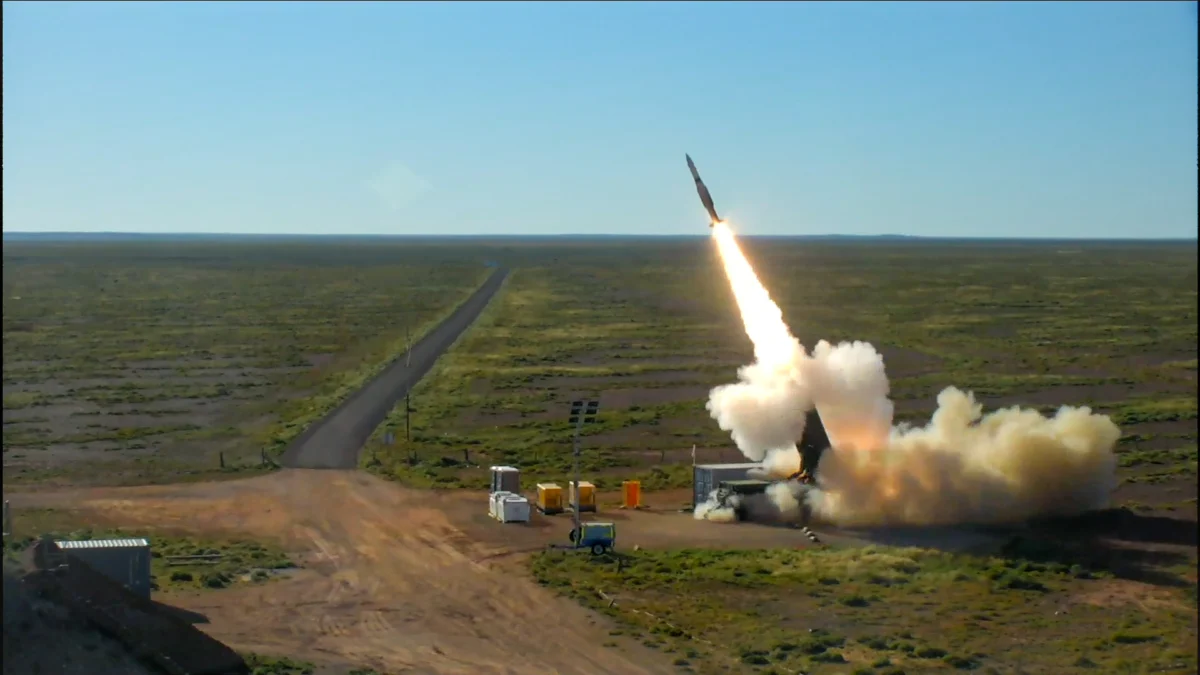
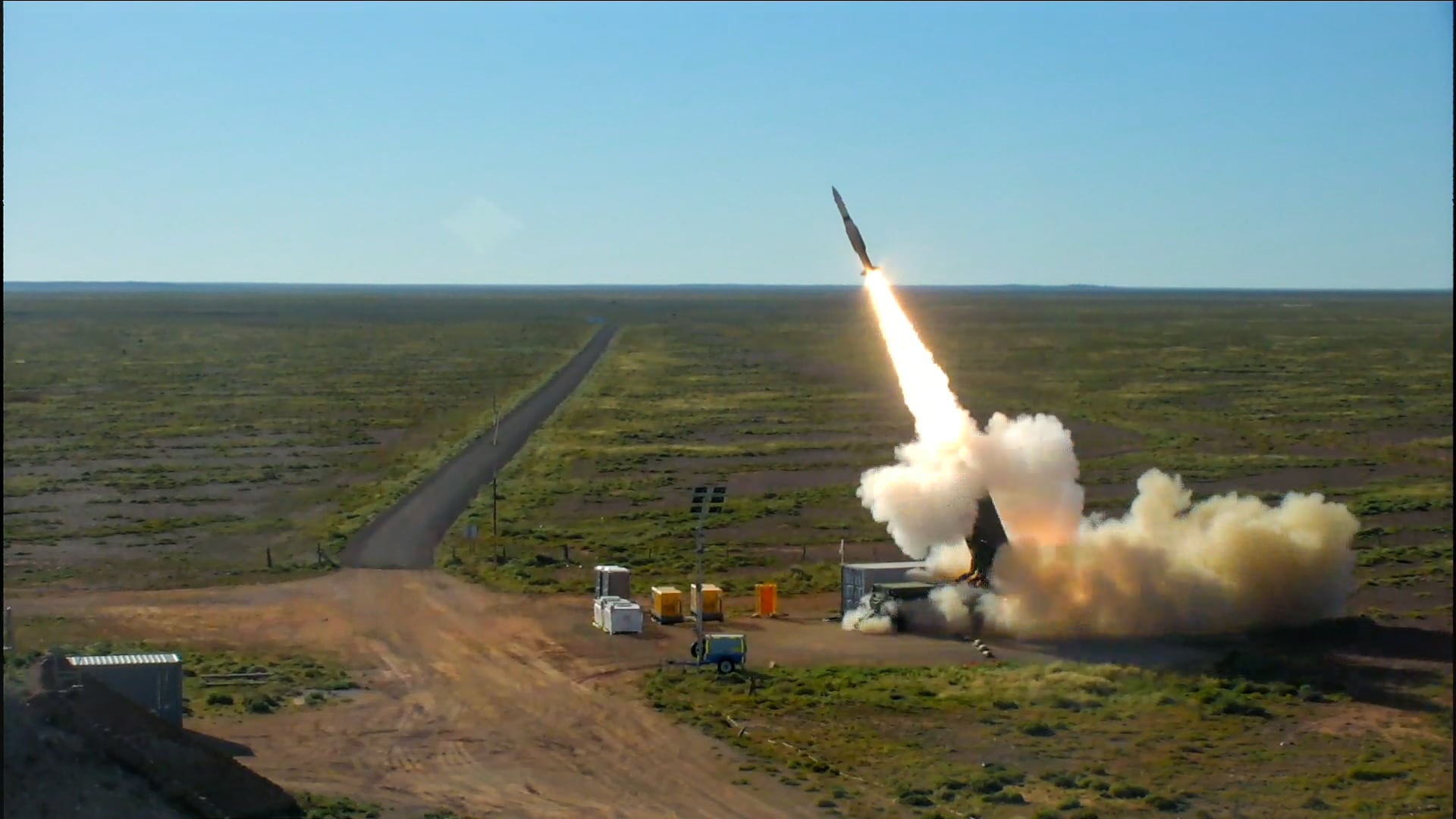
The Australian Department of Defence has confirmed the successful live-fire testing of a prototype medium-range ground-based air defense system, a milestone achieved through the innovative integration of existing naval combat software, sovereign radar technology, and mobile launch platforms. Conducted at the Woomera Test Range in South Australia during Exercise Taipan Strike 2026, the test involved the successful interception of a BQM-74E target drone using a Raytheon SM-2 missile. This "hybrid" approach, colloquially referred to by defense analysts as a "Frankenstein" system due to its assembly from disparate existing components, represents a significant shift in Australia’s procurement strategy, prioritizing rapid capability delivery over the lengthy acquisition cycles typical of off-the-shelf foreign platforms.
By successfully mating the Lockheed Martin Aegis Weapon System with an Australian-made CEA Technologies phased-array radar and a trailer-mounted "Derringer" expeditionary launcher, the Australian Defence Force (ADF) has demonstrated a viable path toward closing a critical gap in its national security architecture. The test validates the concept of utilizing maritime missile stocks for land-based defense, offering a cost-effective and flexible alternative to dedicated land systems such as the MIM-104 Patriot.
A Chronology of Strategic Urgency
The development of this hybrid system did not occur in a vacuum but is the result of several years of shifting strategic priorities within Canberra. For decades, Australia’s ground-based air defense (GBAD) was largely relegated to short-range capabilities, such as the RBS-70 man-portable system and the more recent acquisition of the NASAMS (National Advanced Surface-to-Air Missile System) for point defense. However, the deteriorating security environment in the Indo-Pacific necessitated a more robust, medium-to-long-range solution.
In 2023, the Australian Government released the Defence Strategic Review (DSR), which identified a "near-perfect solution at unaffordable cost" as a primary obstacle to national readiness. The review urged the Department of Defence to abandon traditional, slow-moving procurement programs in favor of "minimum viable capability" that could be fielded quickly.
By early 2026, the National Defence Strategy (NDS) further refined this requirement, calling for the "accelerated introduction of medium-range, ground-based, active missile defense." The strategy specifically highlighted the need to protect critical infrastructure—including airbases, ports, and command centers—from increasingly sophisticated cruise and ballistic missile threats. The June 2026 test at Woomera was the culmination of this policy shift, proving that the technical hurdles of cross-domain integration could be overcome through international and industry collaboration.
Technical Synergy: The "Frankenstein" Architecture
The success of the SM-2 test relied on the seamless communication between four primary components that had never before functioned together in a mobile, land-based configuration.
1. The Virtualized Aegis Combat System
At the heart of the system is the Lockheed Martin Aegis Combat System. Traditionally housed within the massive hulls of destroyers and frigates, the version used in the test was "virtualized"—meaning the complex software was decoupled from specialized naval hardware and run on compact, expeditionary server architectures. This allows the ADF to leverage the same command-and-control logic used by the Hobart-class destroyers and the upcoming Hunter-class frigates in a land-mobile format.
2. CEA Technologies Phased-Array Radar
The system utilized a phased-array radar developed by CEA Technologies, an Australian firm based in Canberra. CEA’s radar technology is already world-renowned for its performance on the Royal Australian Navy’s Anzac-class frigates. By incorporating this sovereign technology, Australia ensures that its air defense network is tailored to its specific geographic needs while maintaining high levels of electronic warfare resistance.
3. The Derringer Expeditionary Launcher
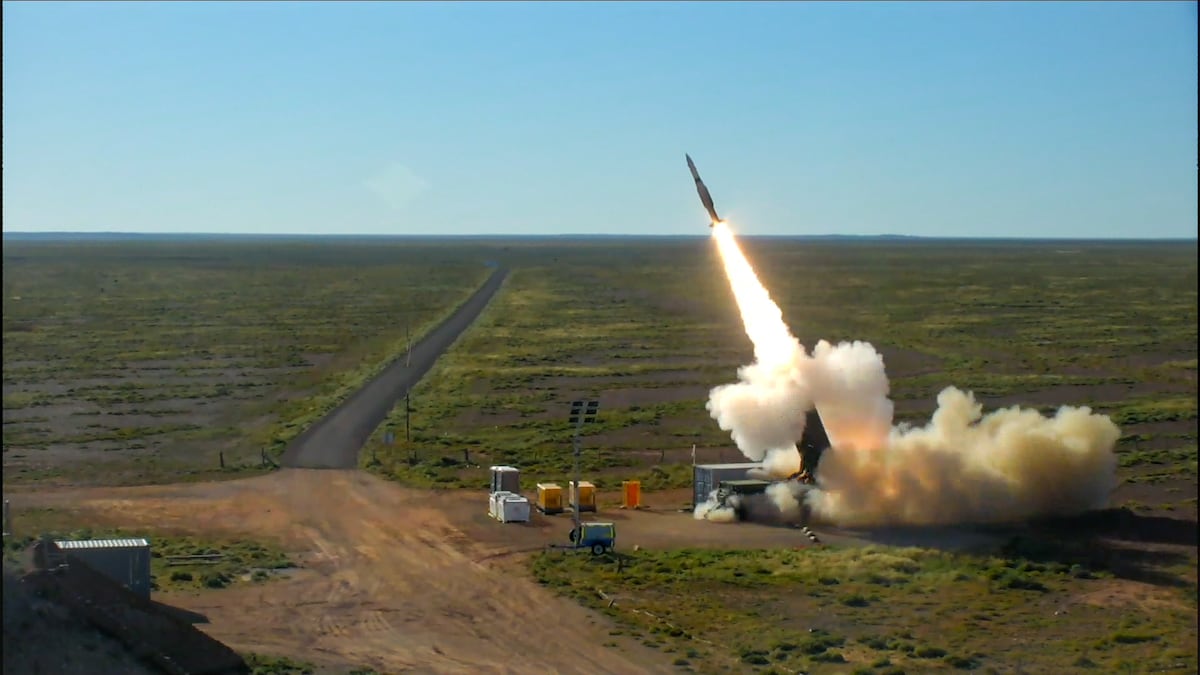
The "Derringer" launcher, also known as the Expeditionary Launch System, is a trailer-mounted variant of the Mk 41 Vertical Launching System (VLS). The Mk 41 is the global standard for naval missile launching, but its adaptation into a mobile, road-legal trailer provides the ADF with the ability to rapidly relocate air defense assets to avoid detection and targeting by enemy forces.
4. The SM-2 Interceptor
The Standard Missile-2 (SM-2) is a staple of Western naval air defense. With a range exceeding 90 nautical miles, it provides a "tier two" layer of defense above short-range systems like NASAMS. The use of the SM-2 in this test is significant because the Royal Australian Navy already maintains an extensive inventory of these missiles. By enabling the Army to fire Navy missiles, Australia achieves a level of "interchangeability" that simplifies logistics and maximizes the utility of its existing munitions stockpiles.
Supporting Data and Performance Metrics
The choice of the SM-2 and the Aegis framework provides Australia with a massive leap in data-processing capability. The virtualized Aegis system can track hundreds of airborne threats simultaneously, from low-flying cruise missiles to high-altitude aircraft.
Comparatively, the cost of developing this hybrid system is estimated to be significantly lower than the full-scale acquisition of a new, standalone foreign system. A single Patriot battery can cost upwards of $1 billion USD, with interceptors costing approximately $4 million each. By utilizing the SM-2—which Australia already owns and maintains—the primary costs are shifted toward the integration software and the domestic production of launchers and radar units. This not only saves capital but also reinvests defense spending into the Australian industrial base, specifically supporting high-tech manufacturing at CEA Technologies and Lockheed Martin Australia’s local facilities.
Furthermore, the modularity of the Derringer launcher suggests future compatibility with the SM-6 missile. The SM-6 is a multi-mission effector capable of anti-air, terminal ballistic missile defense, and even anti-ship strikes. Integrating the SM-6 into this land-based mobile framework would effectively provide Australia with a rudimentary theater ballistic missile defense (TBMD) capability, a requirement that has become increasingly urgent.
Strategic Context: The South Pacific Missile Threat
The timing of the public announcement regarding the SM-2 test—July 9, 2026—was widely viewed by analysts as a calculated response to regional developments. Just three days prior to the announcement, the People’s Republic of China conducted a rare test of an intercontinental ballistic missile (ICBM) into the South Pacific. While the Australian test involved a medium-range interceptor rather than an ICBM killer, the demonstration of a mobile, integrated missile defense system served as a clear signal of Australian resolve.
The Australian Opposition party was quick to seize on the geopolitical tension, arguing that despite the successful test, the country remains "dangerously exposed." Shadow defense ministers pointed out that while the prototype is a success, the ADF currently lacks a fielded, multi-layered missile defense "shield" capable of protecting the vast Australian continent. This political pressure is expected to accelerate the transition from "prototype" to "operational capability," with defense officials hinting that a small number of these systems could be deployed to northern Australia by the late 2020s.
Industry and Official Reactions
Jeremy King, Chief Executive of Lockheed Martin Australia and New Zealand, emphasized the interoperability of the new system. "This prototype system leverages existing weapons, launchers, and command and control," King stated. "It can fire any of the weapons currently fielded on the Hobart-class destroyers or future Hunter-class frigates, unlocking cross-service integration and delivering greater value to the taxpayer."
Air Vice-Marshal Nick Hogan, Head of Air Force Capability, echoed these sentiments, noting that the flexibility of the system is its greatest asset. "When you have a limited missile inventory, you want to be able to be as flexible as possible," Hogan said. "What we’re trying to do is make sure, where possible, we can get the biggest return on investment using sovereign capabilities."
The U.S. Navy’s involvement in the test also underscores the deepening ties under the AUKUS framework and other bilateral security agreements. By aligning its land-based systems with U.S. Navy standards (Aegis and Mk 41), Australia ensures that its air defense network can seamlessly share data with American and Japanese allies, creating a "plug-and-play" defensive grid across the Indo-Pacific.
Broader Impact and Global Implications
The successful "Frankenstein" integration has implications far beyond the Australian coastline. Many middle powers face the same dilemma as Canberra: the need for advanced air defense against a backdrop of rising costs and shrinking procurement timelines. The Australian model—using virtualized software to bridge the gap between naval missiles and land-based launchers—could become a blueprint for other nations.
For Lockheed Martin, the success of the virtualized Aegis in a mobile format opens new export markets. For Australia, the project reinforces its role as a regional "security provider" and a hub for defense innovation.
As the ADF moves toward the formal "Project AIR 6500" (the Joint Air Battle Management System), the lessons learned from the SM-2 test will be foundational. The goal is no longer just to buy a missile or a radar, but to create a unified "system of systems" where data flows from a ship at sea to a radar in the outback, ultimately guiding a missile launched from a mobile trailer to intercept a threat hundreds of kilometers away. With this successful test, Australia has taken a decisive step toward turning that vision of integrated, multi-domain defense into a functional reality.

Related Posts
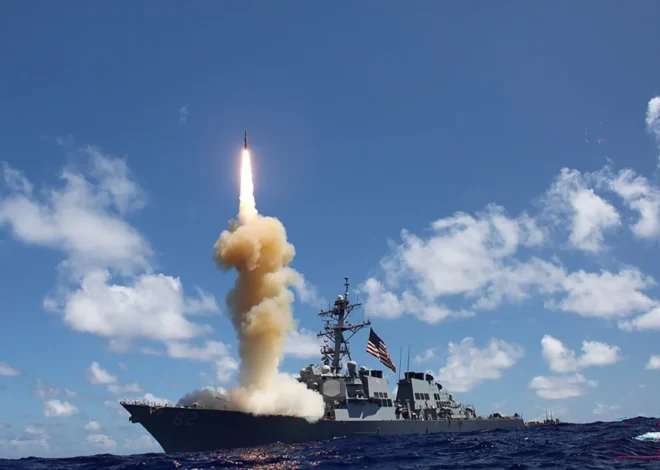
Pentagon Forges Landmark Seven-Year Agreements with Boeing and RTX to Accelerate Standard Missile-3 Production and Stabilize Defense Supply Chains
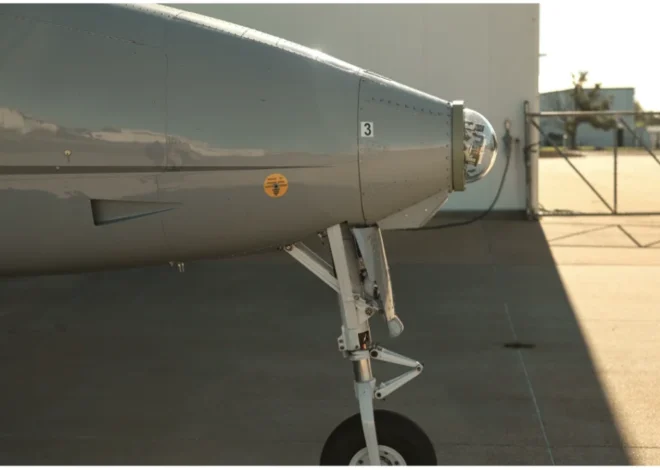
Boeing Unveils Ultra Low-Cost Seeker to Enhance Missile Inventory and Combat Cost Challenges in Modern Warfare