Lawmakers Demand Enhanced Tech Integration in Hong Kong Sporting Events Following Tragic Triathlon Fatality
The recent tragic death of a participant in Hong Kong’s Summer Triathlon Challenge has spurred urgent calls from lawmakers for a significant upgrade in the technological infrastructure employed by sporting event organizers. The incident, which saw a swimmer go missing at sea in Tai Po before being discovered deceased, has cast a stark spotlight on existing safety protocols, particularly in the context of unpredictable weather conditions that can often characterize the city’s maritime and outdoor events. Legislators are now advocating for the widespread adoption of advanced tracking and monitoring technologies to prevent similar tragedies and ensure the well-being of athletes participating in future competitions.
A Devastating Loss and a Wake-Up Call
The deceased, identified as 59-year-old Ma Chi-po, was participating in the challenging 1,500-meter swim segment of the Summer Triathlon Challenge on Sunday. The triathlon, a demanding multi-discipline event, also included a 30-kilometer cycling course along Bride’s Pool Road and an 8-kilometer run. The circumstances surrounding Ma’s disappearance and subsequent discovery have ignited widespread concern regarding the adequacy of safety measures in place for such events, prompting a swift response from legislative bodies.
Lawmaker Vincent Cheng Wing-shun, who had registered for the same triathlon but ultimately did not compete in the water leg, voiced his strong opinions on the matter during a radio interview. He questioned the efficacy of current safety protocols, particularly the delay in realizing the participant was missing. "Since technology has advanced, can the GPS be optimized?" Cheng inquired, drawing a parallel to the established use of GPS devices by participants in numerous past races for logging checkpoints and completion times. He further proposed the implementation of an automated alert system. "Could there be a system notification if a participant enters the water but does not reach the finish line after 15 minutes, or within a set time frame?" he posited, highlighting the potential of technology to provide real-time safety nets. Cheng also stressed the importance of a thorough review of the event organizer’s video recordings and participant logs to ascertain the precise timeline of events leading up to the discovery.
The Summer Triathlon Challenge: Background and Scope
The Summer Triathlon Challenge, a well-established fixture in Hong Kong’s sporting calendar, typically attracts a diverse range of athletes, from seasoned professionals to enthusiastic amateurs. The event, often held during the warmer months, tests participants’ endurance and skill across swimming, cycling, and running disciplines. The choice of Tai Po for the swim leg, with its coastal waters, presents inherent risks that are amplified by meteorological variables. The Hong Kong Observatory regularly issues weather warnings, including strong wind and thunderstorm advisories, which can significantly impact water conditions and visibility, posing additional challenges for both athletes and event organizers.
The specific edition of the Summer Triathlon Challenge where the tragedy occurred was designed to be a rigorous test of athleticism. The 1.5-kilometer swim, often conducted in open water, requires significant stamina and water competency. Following the swim, competitors face a demanding 30-kilometer cycle through the winding roads of Bride’s Pool, an area known for its scenic beauty but also its challenging terrain and potential for rapid weather shifts. The final 8-kilometer run typically concludes the event, pushing participants to their limits. The success of such an event hinges on meticulous planning, robust safety measures, and a clear understanding of the risks involved.
Chronology of a Tragic Incident
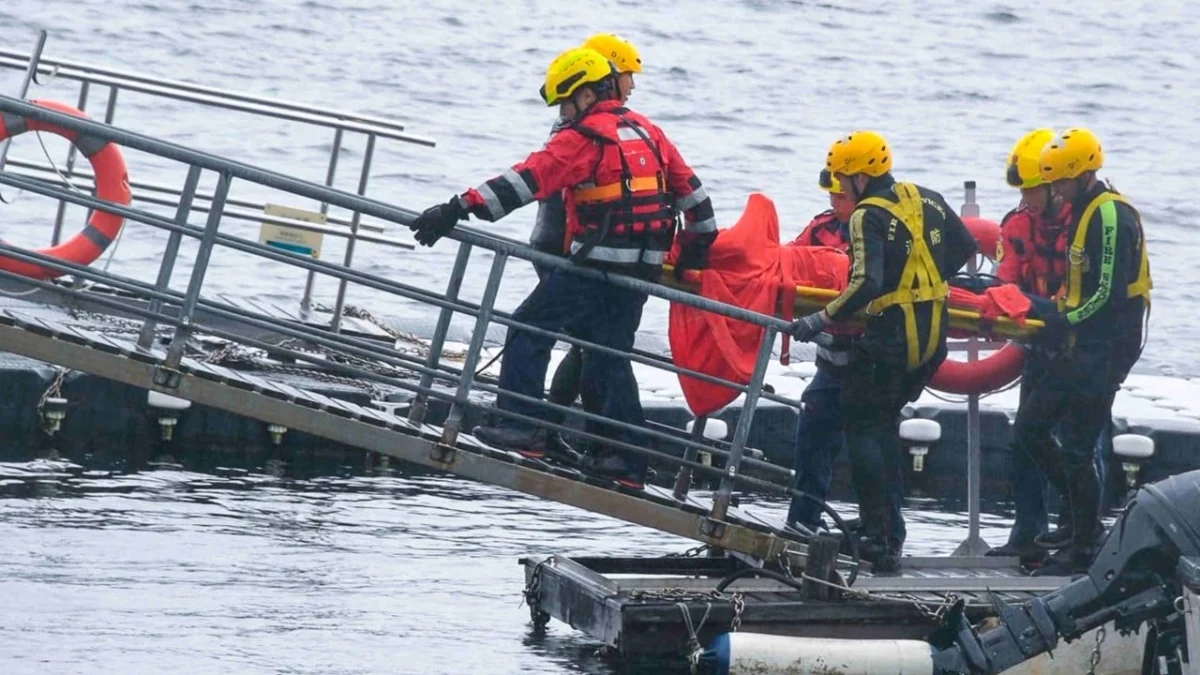
While a detailed official report is pending, the available information suggests a critical timeline leading to the discovery of the deceased participant. The triathlon commenced on Sunday, with swimmers entering the water for the initial leg. It appears that a significant period elapsed before the absence of Ma Chi-po was noted. The exact duration of his disappearance before being found is a crucial point of investigation, as it directly relates to the effectiveness of the organizer’s monitoring systems.
The search and rescue efforts, once initiated, would have involved the deployment of maritime and land-based teams, a standard procedure for missing persons incidents at sea. The eventual discovery of the participant, tragically, marked the end of the search. The immediate aftermath would have involved the notification of authorities, the commencement of investigations into the cause of death, and the review of the event’s safety protocols. Lawmakers’ subsequent calls for technological enhancements indicate that a perceived gap in the initial response and monitoring phases has been identified.
Technological Solutions: Enhancing Athlete Safety
The core of the lawmakers’ argument lies in the underutilization of readily available advanced technologies to bolster athlete safety. The suggestion of optimizing GPS tracking is a pertinent one. Modern GPS devices, often integrated into smartwatches or dedicated sports trackers, offer real-time location data. When linked to a central monitoring system, these devices can provide event organizers with an overview of all participants’ positions.
The proposed "system notification" is a crucial element. Such a system could be programmed to trigger an alert if a participant’s GPS signal remains static for an extended period, deviates significantly from the intended course, or if a participant fails to reach a designated checkpoint within a predetermined time window. This proactive approach could enable organizers to swiftly identify potential issues and dispatch assistance before a situation escalates into a crisis.
Beyond GPS, other technologies could be considered. Wearable biometric sensors, for instance, could monitor vital signs like heart rate and body temperature, providing early indications of distress. Drones equipped with thermal imaging cameras could be deployed to scan the water surface for individuals in difficulty, especially during low visibility conditions. Real-time communication systems between marshals, safety boats, and a central command center are also vital for coordinated responses.
Supporting Data and Industry Standards
Globally, major sporting events, particularly those involving open water swimming or challenging terrain, are increasingly incorporating advanced safety technologies. For example, the Ironman World Championship, a renowned triathlon event, utilizes sophisticated tracking systems for its athletes. In cycling events like the Tour de France, real-time rider tracking is standard. The adoption of such technologies is not merely a trend but a response to the inherent risks associated with endurance sports and the increasing expectation of robust safety measures.
While specific data on the number of safety incidents in Hong Kong sporting events is not readily available in the public domain, the occurrence of a fatality underscores the need for a comprehensive review. The cost of implementing advanced technological solutions, while significant, must be weighed against the immeasurable value of human life and the potential reputational damage to the city as a sporting destination if safety concerns are not adequately addressed.
Official Responses and Future Implications
The Hong Kong government, through its relevant sports bodies and departments, is expected to respond to these calls for enhanced safety measures. This could involve reviewing existing regulations for sporting event organizers, potentially mandating the use of specific technologies, and providing guidelines for risk assessment and management. The Sports Federation & Olympic Committee of Hong Kong, China, and other affiliated sports associations will likely play a crucial role in facilitating these changes.
The implications of this tragedy extend beyond the immediate event. It serves as a catalyst for a broader conversation about athlete safety in Hong Kong. Event organizers, from large-scale international competitions to smaller community races, will need to re-evaluate their preparedness. This includes not only technological investments but also the training of event staff and volunteers, clear communication protocols with participants, and robust contingency plans for adverse weather and medical emergencies.
A Call for a Proactive Safety Culture
The tragic loss of Ma Chi-po is a somber reminder that while the pursuit of athletic achievement is commendable, it must always be underpinned by an unwavering commitment to safety. The lawmakers’ urgent plea for technological integration is a forward-thinking response that acknowledges the evolving capabilities of modern technology. By embracing these advancements, Hong Kong can strive to ensure that its sporting events are not only thrilling and competitive but also demonstrably safe environments for all participants. The focus must now shift from reactive measures to a proactive safety culture, where technology serves as a vital tool in safeguarding lives and fostering confidence in the city’s capacity to host world-class sporting events responsibly. The investigation into the specific circumstances of the Tai Po incident will undoubtedly provide further insights, but the broader imperative for technological enhancement in sports safety is clear and compelling.