Typhoon Noul Batters Hong Kong, Stranding Thousands at Airport and Disrupting Travel Amidst Soaring Hotel Prices
Hong Kong International Airport (HKIA) became an impromptu shelter for approximately 2,000 passengers on Sunday, July 26, 2026, as the powerful Typhoon Noul swept across the region, causing widespread flight cancellations and stranding travelers overnight. While the Airport Authority scrambled to accommodate the unexpected influx with additional seating and provisions, many passengers expressed frustration over the significant disruption to their travel plans and the sharp increase in hotel room rates, which reportedly escalated from HK$2,000 to HK$3,000 per night.
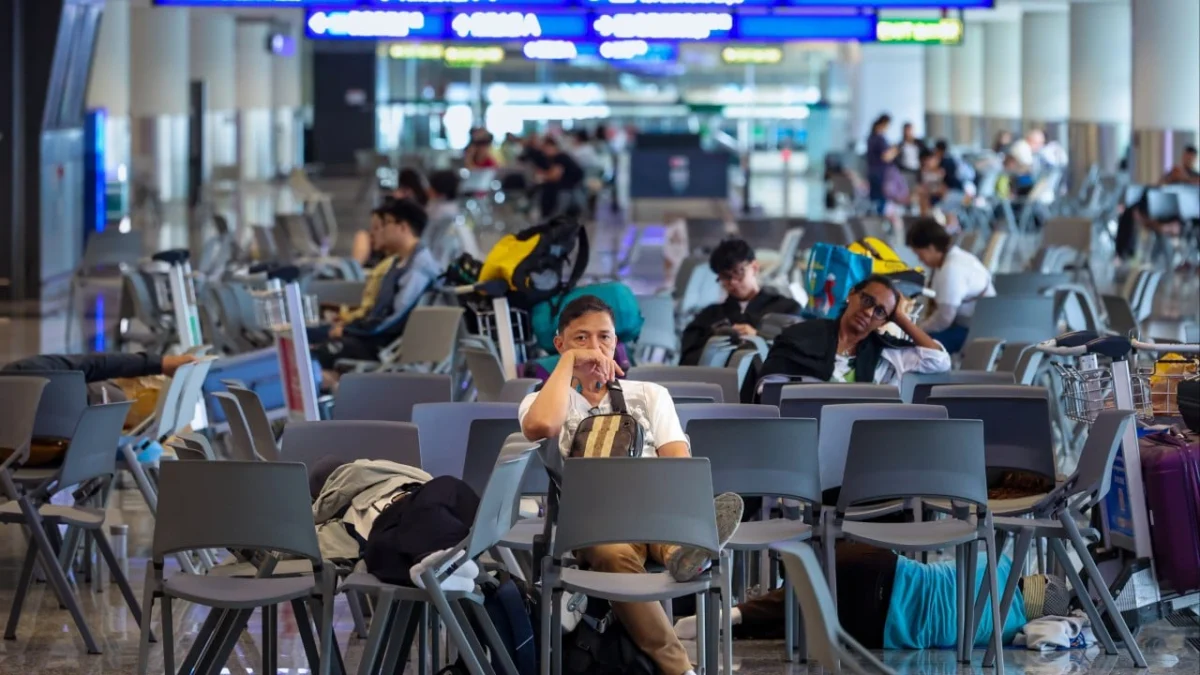
The scene at HKIA’s departure hall on Sunday morning painted a stark picture of the typhoon’s impact. Nearly every available seat was occupied, with some passengers resorting to resting on their luggage trolleys, while others found makeshift sleeping arrangements on benches. A palpable sense of anxiety permeated the terminal as many individuals diligently monitored flight status updates on their mobile devices, their journeys abruptly halted by the inclement weather.
Typhoon Noul’s Onslaught and Impact on Air Travel
Typhoon Noul, a Category 3 storm according to meteorological classifications, made its presence felt with fierce winds and torrential rain, posing significant safety concerns for aviation operations. The storm’s trajectory and intensity necessitated the suspension of numerous flights, leaving a substantial number of passengers with no immediate alternative but to wait out the severe weather.
Flight Disruptions:
- Sunday, July 26, 2026: The Airport Authority projected a total of 675 flights to operate on Sunday. However, a significant portion of these were already subject to cancellation. By Sunday morning, it was confirmed that 350 flights had been cancelled.
- Saturday, July 25, 2026: The disruption began on Saturday, with at least 29 departure flights and 20 arrival flights being cancelled due to the escalating weather conditions. This early impact foreshadowed the broader chaos that would unfold.
Airport Authority’s Response and Mitigation Efforts
In response to the growing number of stranded passengers, the Airport Authority implemented several measures to alleviate the situation. Recognizing the need for basic comfort and sustenance, the authority provided an additional 600 seats within the airport terminals to offer more resting space. Furthermore, food and beverages were distributed to ensure that stranded travelers had access to essential provisions during their unexpected stay.
Mr. Yeung Tat-wing, the Airport Authority’s director of service delivery, provided an update on the operational status and recovery efforts. He stated that the authority was working towards a gradual resumption of normal operations.
Key statements from Mr. Yeung:
- Flight Resumption: Yeung expressed optimism that most flights would resume by Sunday afternoon. The authority also prepared for contingency measures, indicating that all three runways would remain operational overnight if necessary to clear the backlog of flights.
- Transport Services: The Airport Express train service, a vital link for travelers to and from the city, had resumed its operations at 9 am on Sunday. This was a crucial step in facilitating passenger movement and easing the congestion.
- Return to Normalcy: Yeung conveyed the authority’s hope that all airport operations would return to their normal schedules by Monday morning, signaling a concerted effort to mitigate the long-term impact of the typhoon.
Passenger Frustrations Amidst Soaring Hotel Rates
While the Airport Authority focused on managing the immediate crisis within the airport, many passengers faced additional financial and logistical challenges. The limited availability of accommodation in Hong Kong during such weather events, coupled with the surge in demand, led to a dramatic increase in hotel room prices.
Passengers reported that hotel room rates, which typically range from HK$2,000 (approximately US$255) per night, had been inflated to HK$3,000 (approximately US$383). This significant price hike represented an additional financial burden for travelers whose journeys were already disrupted and potentially costly due to flight cancellations and rebookings.
Reactions from stranded passengers (inferred):
- Disappointment and Distress: Many expressed their dismay at the unexpected turn of events, lamenting the disruption to their travel plans, which could include important business meetings, family events, or onward connections. The uncertainty surrounding flight schedules added to their stress.
- Financial Strain: The escalating hotel prices were a major point of contention. Passengers voiced their frustration at what they perceived as price gouging during a crisis, highlighting the added financial strain on top of potential rebooking fees or lost income due to travel delays.
- Inconvenience and Discomfort: The prolonged wait at the airport, coupled with the lack of comfortable sleeping arrangements for many, contributed to a sense of discomfort and exhaustion.
Background Context: Typhoons and Hong Kong
Hong Kong, a major international aviation hub, is no stranger to the impact of typhoons. The subtropical climate of the region makes it susceptible to tropical cyclones, particularly during the summer months. The Hong Kong Observatory issues regular warnings and advisories during typhoon season, which typically runs from May to November.
The city has well-established protocols for managing natural disasters, including typhoons. These protocols involve coordination between various government departments, including the Airport Authority, the Hong Kong Observatory, the transport sector, and emergency services. The primary objective is to ensure public safety and minimize disruption to essential services.
Previous Incidents:
Hong Kong International Airport has experienced significant disruptions due to typhoons in the past. Notably, Typhoon Mangkhut in September 2018 caused widespread chaos, leading to the cancellation of over 1,000 flights and stranding tens of thousands of passengers. This event led to a review of the airport’s preparedness and contingency plans, prompting investments in enhanced resilience and operational flexibility. The current situation with Typhoon Noul, while less severe in its immediate airport impact compared to Mangkhut, still underscores the vulnerability of air travel to extreme weather events.
Analysis of Implications
The events surrounding Typhoon Noul highlight several critical aspects of modern travel and disaster management:
- Vulnerability of Air Travel to Weather: The incident serves as a stark reminder of the inherent vulnerability of the aviation industry to extreme weather conditions. Despite advanced forecasting, the unpredictable nature of typhoons can lead to rapid changes in conditions, necessitating immediate operational adjustments.
- Importance of Robust Contingency Planning: The Airport Authority’s provision of additional seating and food demonstrates a level of preparedness. However, the passenger complaints regarding hotel rates suggest a potential gap in comprehensive support for stranded travelers, particularly concerning accommodation costs during extended disruptions.
- Economic Impact: Typhoon Noul’s disruption has a ripple effect beyond the immediate travel inconvenience. It impacts airlines, related airport services, and potentially businesses that rely on timely arrivals and departures. The surge in hotel prices, while benefiting some, can deter future tourism if perceived as exploitative.
- Passenger Expectations and Communication: Clear and timely communication from airlines and the Airport Authority is crucial in managing passenger expectations during disruptions. Information regarding flight status, estimated recovery times, and available support services can significantly mitigate frustration and anxiety.
- Price Gouging Concerns: The reported increase in hotel rates raises concerns about price gouging during emergencies. While increased demand naturally affects prices, significant and sudden hikes can be perceived as exploitative and damage the reputation of the tourism sector. Regulatory bodies often monitor such situations to ensure fair pricing practices.
Looking Ahead: Recovery and Resilience
As Hong Kong recovers from the immediate impact of Typhoon Noul, the focus shifts to restoring full operational capacity at the airport and supporting affected travelers. The Airport Authority’s commitment to returning to normal operations by Monday morning is a positive sign. However, the incident also provides valuable lessons for future preparedness, particularly in addressing the logistical and financial challenges faced by passengers when natural disasters disrupt travel. The ability of Hong Kong’s infrastructure to withstand and recover from such events is a testament to its resilience, but continuous evaluation and improvement of contingency plans remain paramount. The experiences of passengers stranded by Typhoon Noul will likely inform future discussions on passenger welfare and support mechanisms during unforeseen travel disruptions.