The Future Belongs to Holistic Leaders: University of Manchester’s Vision for a Rapidly Evolving Hong Kong
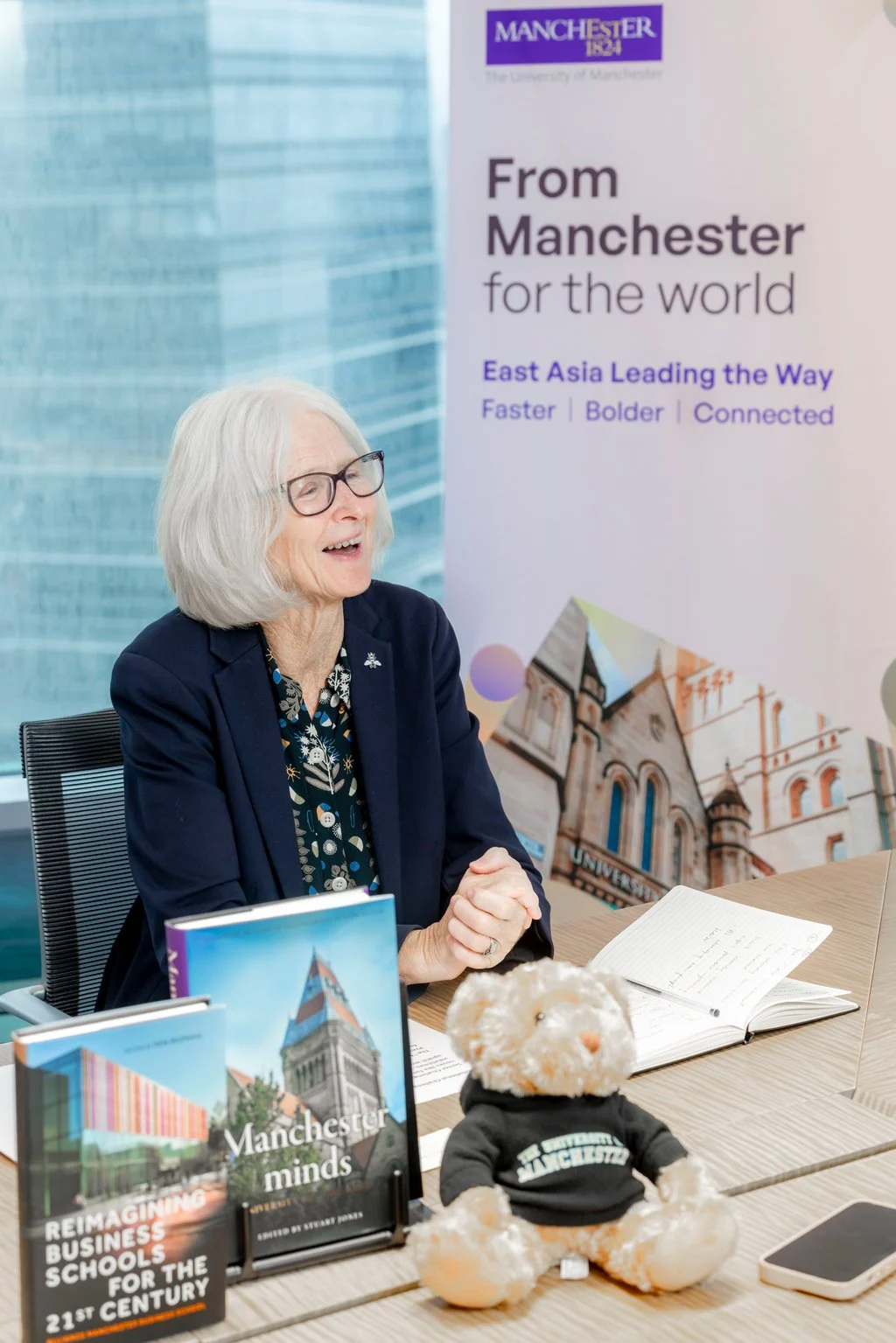
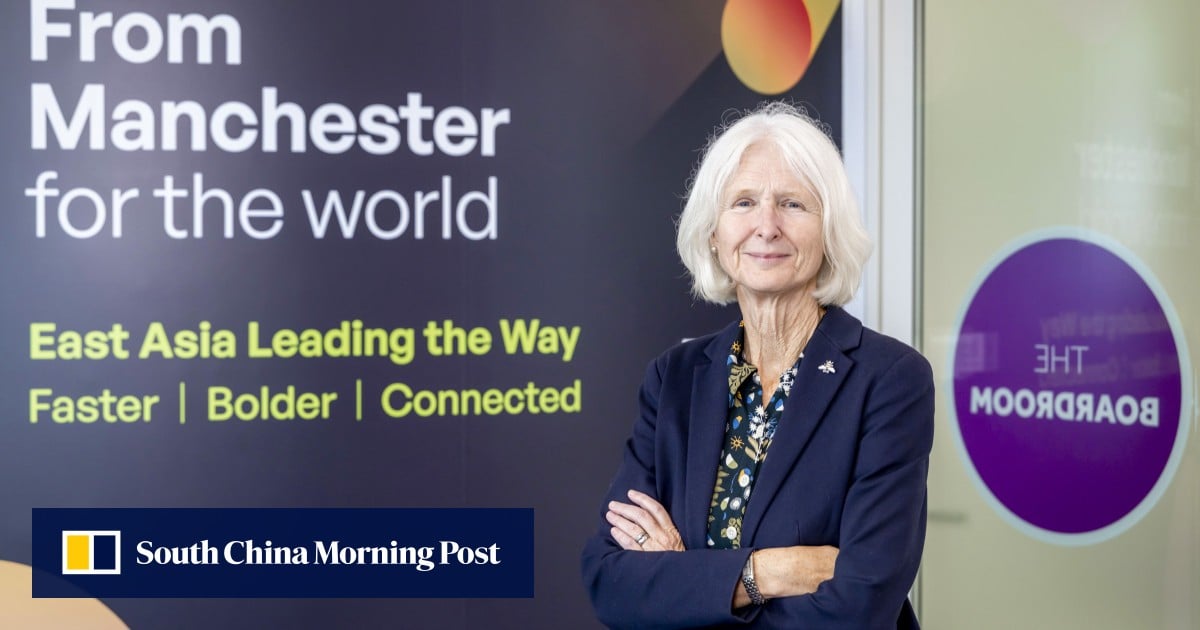
Professor Fiona Devine’s return to Hong Kong in 2024 marked a significant moment, her first visit since 2019, a period that has witnessed profound transformations in both the vibrant metropolis and the global higher education sector. As the current Vice-President and Dean of the Faculty of Humanities at the prestigious University of Manchester, and formerly a decade-long leader of Alliance Manchester Business School (AMBS), Professor Devine’s observations carry substantial weight. Her message to Hong Kong’s business and academic leaders is unequivocal: the future demands leaders who possess a sophisticated blend of business acumen, profound human understanding, and seamless technological fluency – a truly holistic leadership paradigm.
"Universities want to keep the world open," Professor Devine stated, underscoring the institution’s commitment to fostering global connections and knowledge exchange.
Hong Kong’s Resurgence and the Greater Bay Area Dynamic
Since Professor Devine’s last visit, Hong Kong has demonstrably reasserted its pivotal role within the rapidly developing Greater Bay Area (GBA). Her recent sojourns to Shenzhen and other neighboring cities provided a stark and impressive illustration of the region’s sheer scale and youthful dynamism. With an average population age hovering in the early thirties and a collective population numbering in the tens of millions, the GBA represents a formidable economic and innovation powerhouse. "Every time I come back…it always looks amazing," she remarked, reflecting on the palpable progress and forward momentum of the region.
While acknowledging the uneven nature of post-pandemic recovery across the globe, Professor Devine drew a clear contrast between the United Kingdom’s comparatively sluggish economic growth and the sustained dynamism evident in mainland China and Hong Kong. This economic vigour, she noted, intensifies the global competition for talent, a critical challenge that universities and cities alike must adeptly navigate. The influx of skilled professionals and the demand for advanced education are key drivers of this competitive landscape.
From Flagship MBA to Borderless Educational Ecosystems
The University of Manchester’s Hong Kong centre, initially established with a singular focus on its globally recognized Global MBA program, has evolved significantly. It now functions as an integral part of a digitally interconnected international network, encompassing hubs in Hong Kong, Singapore, Shanghai, and Dubai. The Global MBA in Hong Kong is meticulously designed for part-time delivery, catering specifically to the demanding schedules of busy working professionals, allowing them to enhance their qualifications without disrupting their careers.
"Once upon a time the international centers were very much focused on really one programme," Professor Devine observed. "Now we do more in transnational education." This shift signifies a broader trend in higher education, moving beyond geographically isolated campuses to integrated, cross-border learning experiences.
The future of international education, as envisioned by Professor Devine and embodied by Manchester’s strategy, is one where hybrid delivery, blended learning methodologies, and seamless cross-border collaboration are not mere add-ons but fundamental structural necessities. Her vision extends to a future where students might be physically located in Manchester while actively participating in programs delivered in part through Hong Kong, and vice versa. "In 10 years’ time, those boundaries will have disappeared," she predicted, forecasting a truly borderless educational landscape. This strategic foresight aligns with the increasing globalization of industries and the need for professionals to develop a global perspective.
Breaking Down Academic Silos: The Convergence of Business and Humanities
Professor Devine’s own distinguished career trajectory serves as a compelling testament to the institutional evolution she articulates. Her transition from a decade leading Alliance Manchester Business School to assuming the role of Dean of Humanities represents a deliberate move to bridge disciplines that are often perceived as separate. This interdisciplinary approach is crucial in an era where the complexities of the modern world demand a more integrated understanding.
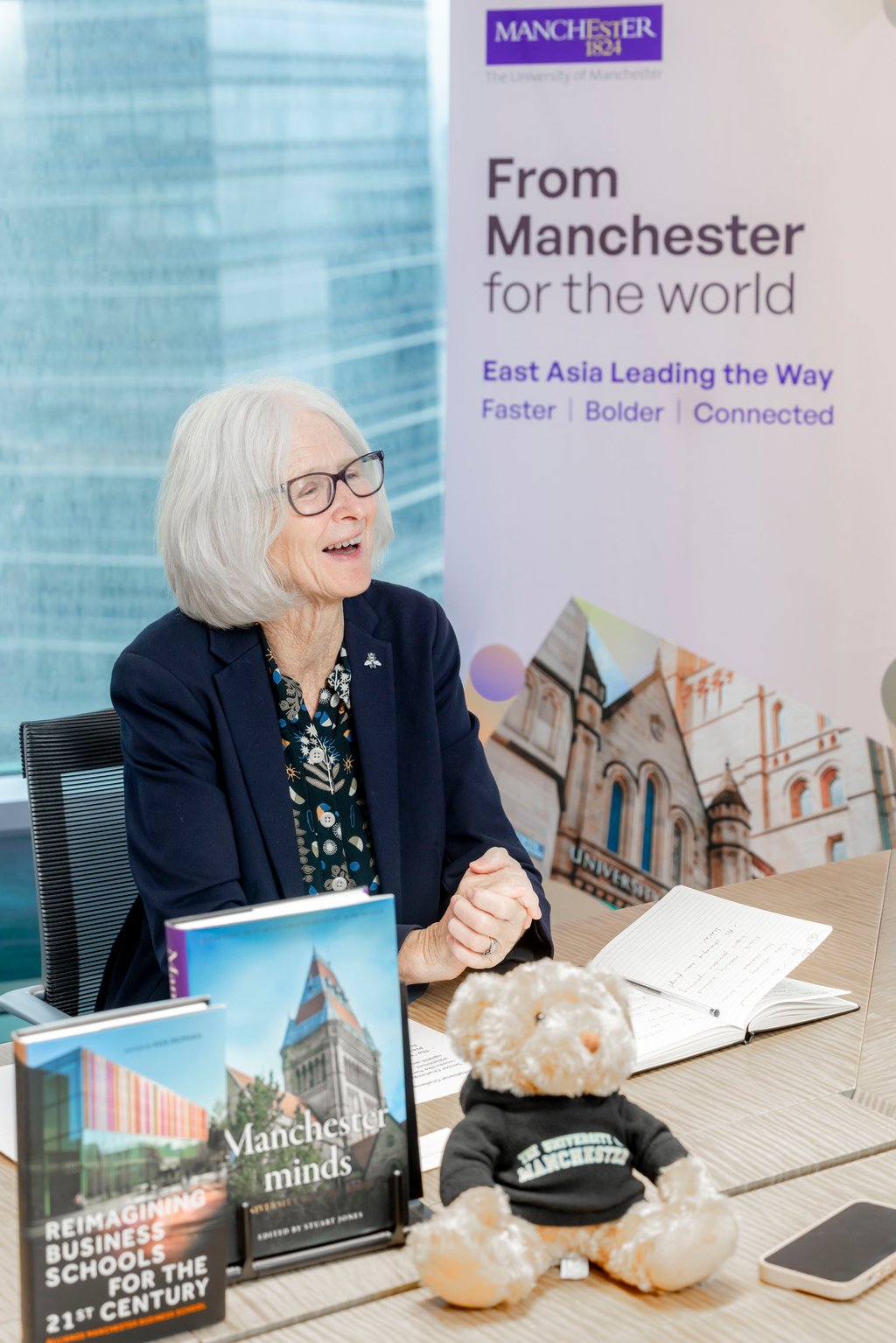
"My background is as a professor of sociology," she explained. "Humanities brings that human-centered, people-focused perspective." For Professor Devine, this was not a departure from the world of business but rather an expansion of its conceptual framework. She firmly believes that contemporary corporate leadership must actively engage with and comprehend a complex interplay of geopolitical shifts, societal transformations, intricate cultural nuances, and mounting environmental pressures.
In the context of Hong Kong, where executives operate within intricate global supply chains, grapple with escalating Environmental, Social, and Governance (ESG) expectations, and navigate relentless technological disruption, this interdisciplinary awareness is no longer a luxury but a critical imperative. "We talk about our students being socially responsible leaders," she emphasized, highlighting the university’s commitment to cultivating leaders who are not only commercially astute but also ethically grounded and socially conscious. This focus on socially responsible leadership is increasingly becoming a benchmark for corporate success and public trust.
Manchester 2035: A Bold Vision for the Future of Higher Education
These overarching themes are deeply embedded within the University of Manchester’s ambitious new institutional roadmap, "Manchester 2035," launched under the leadership of President Duncan Ivison. This marks a significant strategic development, as it is the university’s first-ever 10-year strategy, signaling a long-term commitment to adaptation and innovation.
"This is the first time the university has had a 10-year strategy," Professor Devine confirmed. The rationale behind this extended strategic horizon is rooted in the mounting pressures confronting universities worldwide. These include significant financial constraints, evolving demographic trends, intensifying global competition, and the disruptive force of digital transformation. In this challenging environment, academic excellence alone is no longer a sufficient differentiator.
"Academic success is the baseline," she observed, underscoring that universities must offer more than just rigorous scholarship. The "other things" Professor Devine refers to encompass a holistic student experience, including robust employability services, partner-enabled learning opportunities that bridge academia and industry, comprehensive academic advising, and dedicated student support systems. Furthermore, there is a crucial alignment with the values of contemporary students, particularly their strong commitment to environmental sustainability and social responsibility.
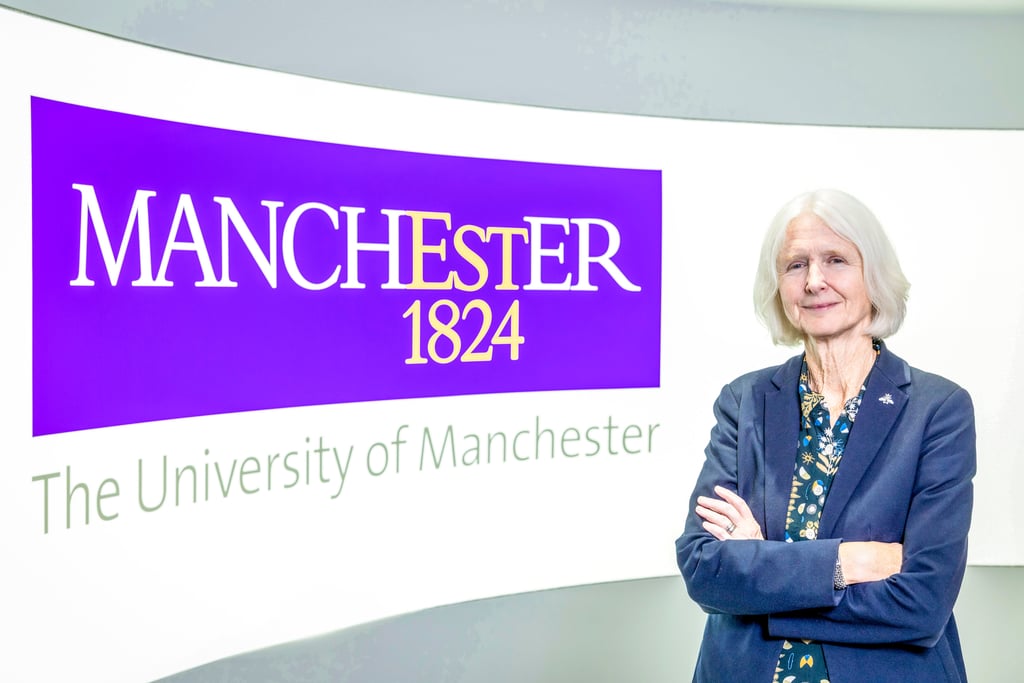
"The younger generation are very preoccupied with environmental sustainability and climate change," she noted, a sentiment that resonates across global student populations and influences their career aspirations and educational choices.
A cornerstone of the "Manchester 2035" strategy is the initiative to "Becoming One University." This ambitious goal aims to dismantle internal departmental silos and foster a more integrated, digitally enhanced institution. The objective is to create an agile and responsive environment capable of supporting lifelong learners across diverse geographical locations and throughout their evolving careers. Professor Devine views the first degree not as a final destination but as an initial gateway. As professional paths diverge and evolve, individuals will increasingly return to universities for specialized short courses, executive development programs, and new credentialing opportunities to stay relevant and competitive. This aligns with the growing trend of continuous learning and upskilling in a rapidly changing job market.
Navigating the AI Revolution Through a Human-Centric Lens
Any forward-looking discussion about the future of education would be incomplete without addressing the profound impact of artificial intelligence (AI). The University of Manchester has already taken proactive steps, notably through its partnership with Microsoft to provide AI tools, including Co-pilot, to its staff and students. However, Professor Devine champions a cautious and nuanced approach, cautioning against technological determinism.
"There’s huge amounts of excitement…but also fear and trepidation," she acknowledged, reflecting the mixed emotions surrounding the rapid advancements in AI. Rather than focusing on restrictive policing of AI usage, the university’s strategy emphasizes establishing clear guidelines and promoting responsible integration. The paramount focus, she argues, must remain on cultivating critical thinking skills.
"You don’t just take the information it gives you at face value," she stressed, highlighting the importance of analytical rigor and intellectual skepticism. From the Faculty of Humanities’ recent conference on AI in higher education to ongoing panel discussions in Hong Kong, a consistent theme has emerged: the critical distinction between learning and leading. While AI excels at processing vast amounts of data and generating insightful analyses, true leadership transcends algorithmic capabilities. It is fundamentally about values, sound judgment, and the rich tapestry of lived experience.
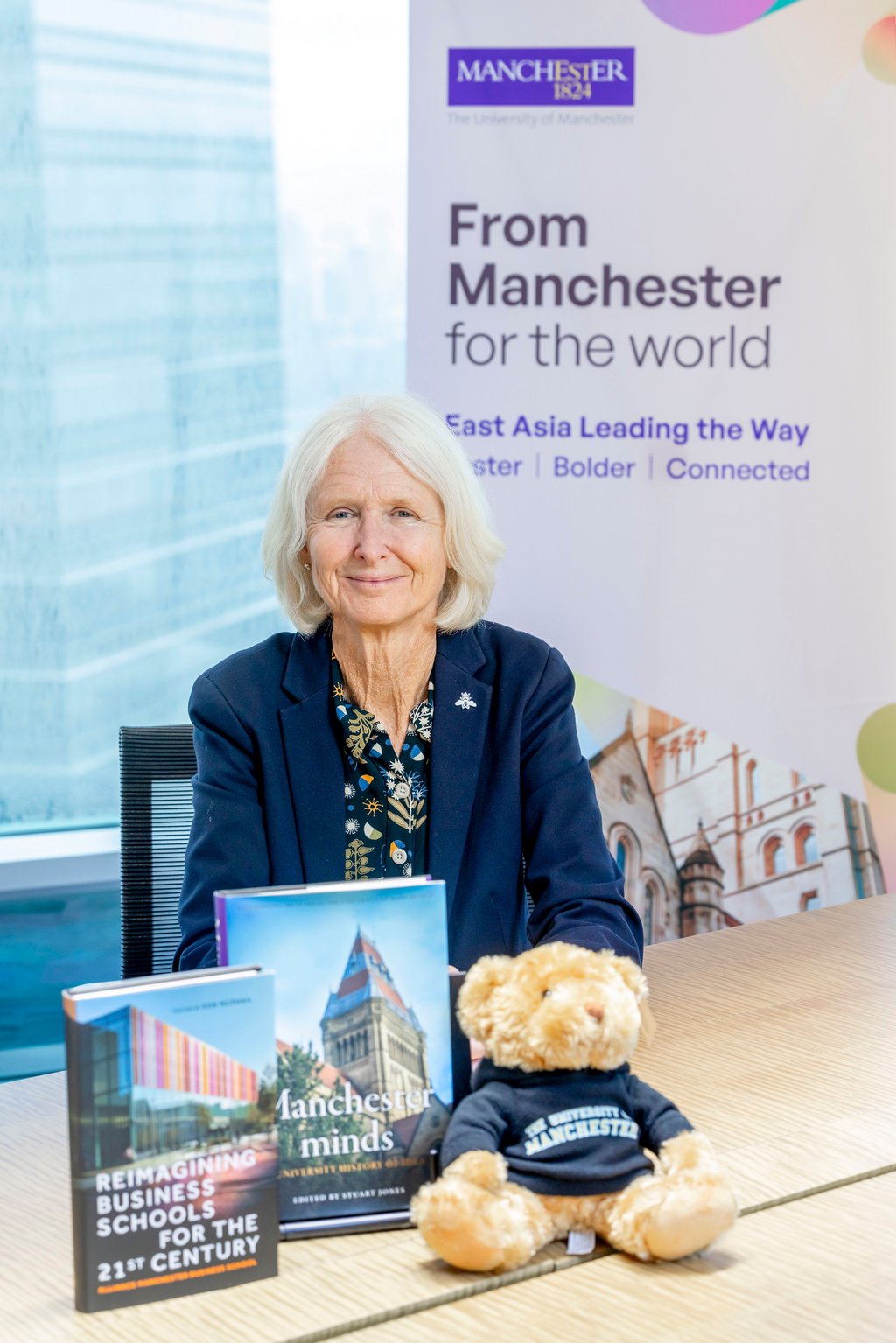
"Leadership is about setting the tone and expectations," Professor Devine stated, positioning human leaders as the architects of vision and culture. Questions surrounding digital twins, AI agents, and data consent, she added, are not merely technical challenges. They are deeply ethical and social dilemmas, precisely the domain where humanities scholarship can provide profound insights and guidance. This perspective underscores the enduring relevance of the humanities in an increasingly technologically driven world.
Beyond the Ivory Tower: Usefulness and Enduring Wisdom
Ultimately, Professor Devine returns to a foundational principle that guides the University of Manchester’s mission: usefulness. "In terms of impact, there is nothing wrong with being useful," she asserted. "We’re not an ivory tower." This statement encapsulates the university’s commitment to tangible impact and societal contribution.
For executives in Hong Kong, who are tasked with navigating the intricate currents of regional integration, the relentless pace of technological disruption, and the escalating societal expectations, the University of Manchester’s proposition extends far beyond the conferral of a degree. It represents a comprehensive philosophy: tomorrow’s leaders must cultivate a powerful synergy of business expertise, profound human insight, and robust technological literacy.
In an era increasingly defined by algorithms and accelerating change, Professor Devine’s compelling argument is that wisdom, deeply rooted in ethical values and a nuanced understanding of human society, remains the ultimate and most enduring competitive advantage. This wisdom, cultivated through interdisciplinary learning and a commitment to critical inquiry, is what will equip leaders to navigate the complexities of the 21st century and drive meaningful progress.