Patrick Tse Yin: A Luminary Departs, Hong Kong’s Golden Age of Cinema Fades
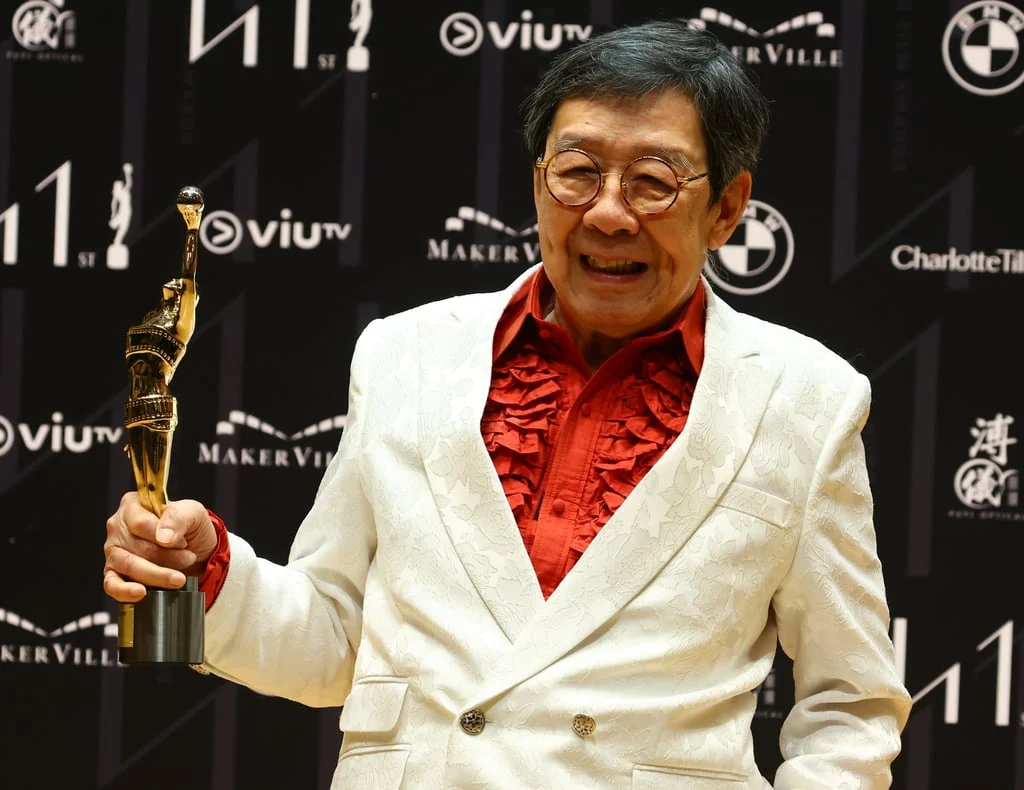
The passing of veteran actor Patrick Tse Yin at the age of 89 signifies the twilight of an era, marking the loss of one of the last towering figures from Hong Kong’s cinematic golden age. This period, from roughly the 1950s through the 1970s, witnessed the city’s film industry ascend to become a dominant cultural force, its productions captivating audiences across Southeast Asia and beyond. Tse’s departure leaves a void, not just in the hearts of his admirers, but in the collective memory of a generation that saw its dreams and aspirations mirrored on the silver screen.
The "Hollywood of the East" and its Iconic Stars
Hong Kong’s reputation as the "Hollywood of the East" was not merely hyperbole; it was a testament to the sheer volume, quality, and regional influence of its film output. Dr. Charles Cheung Chi-wai, an associate professor at Hong Kong Baptist University’s Department of Humanities and Creative Writing, elaborates on this phenomenon. "The glittering cohort of stars in the 1960s, with Patrick Tse Yin at the forefront, played a pivotal role in cementing the city’s reputation," Cheung stated. "These actors, through their charisma and the compelling narratives they brought to life, became cultural ambassadors, projecting Hong Kong’s unique blend of tradition and modernity to a vast audience."
Tse, alongside contemporaries such as Kenneth Tsang Kong, Chow Chung, Cheung Ying-choi, and Bowie Wu Fung – all born in the 1930s – belonged to a generation of actors who spearheaded a new wave of Cantonese cinema. This wave resonated deeply with post-war audiences, who were navigating rapid social and economic changes. Their films often explored themes of urban life, family dynamics, and the pursuit of a better future, mirroring the experiences of many in the burgeoning Hong Kong society. "They embodied aspirations of what modern Hong Kong life could be for local baby boomers," explained Cheung. "Film was the most influential medium for making sense of the city – what was happening and who one could become – especially before the advent of television."
A Family’s Grief, A Community’s Mourning
The announcement of Patrick Tse Yin’s death on Monday, made by his son, actor and singer Nicholas Tse Ting-fung, and daughter, Jennifer Tse Ting-ting, sent ripples of shock and sadness through Chinese communities worldwide. The news was met with widespread tributes, reflecting the profound impact Tse had on generations of filmgoers and aspiring actors. Social media platforms were awash with messages of condolence, sharing cherished memories of his performances and expressing gratitude for his contributions to cinema.
The Golden Age: A Cinematic Powerhouse
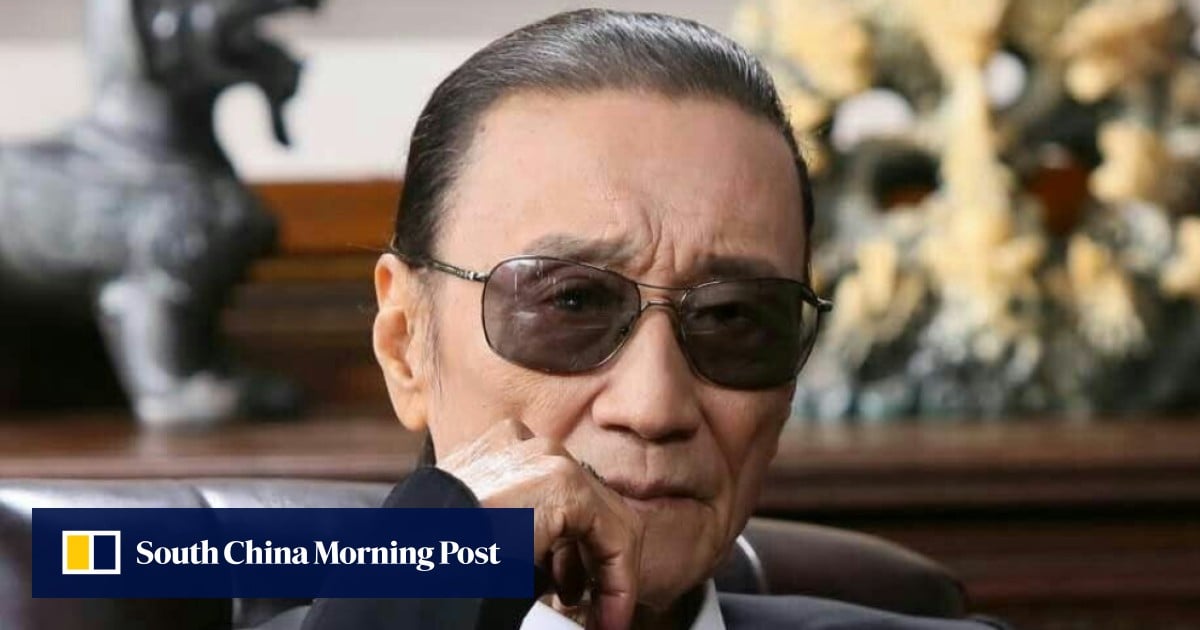
The period in which Patrick Tse Yin rose to prominence was a golden era for Hong Kong cinema. Fueled by a rapidly growing local audience and increasing demand from Southeast Asian markets, the industry churned out hundreds of films annually. Cantonese-language films, in particular, gained significant traction, becoming a cultural staple in places like Malaysia and Singapore, where significant Chinese diaspora populations resided.
The Kong Ngee Motion Picture Production Company, a key player during this era, played a crucial role in nurturing and promoting these talents. Specializing in Cantonese films, the company, with investment from Singapore and Malaysia, was instrumental in elevating the popularity of actors like Tse and his peers across the region. This symbiotic relationship between production houses, actors, and regional markets created a powerful engine for cultural export.
A Legacy of Iconic Roles
Patrick Tse Yin’s career spanned decades, during which he graced the screen in numerous memorable roles. While the provided text doesn’t delve into specific film titles or characters, his consistent presence and enduring popularity underscore his significant contributions. He was known for his versatility, adeptly portraying a range of characters that endeared him to audiences. His performances often captured the essence of Hong Kong’s evolving identity, contributing to the rich tapestry of the city’s cinematic history.
The Fading of an Era: A Broader Context
The passing of Tse, alongside the recent deaths of Kenneth Tsang Kong and Cheung Ying-choi, signifies a poignant moment. Bowie Wu Fung remains as one of the last surviving prominent actors from that specific cohort. This demographic shift highlights the inevitable march of time and the passing of generations. The era of Hong Kong cinema as the undisputed dominant force in Southeast Asia has also seen its influence wane, as the industry faces new challenges and competition from other regional powers and the global streaming landscape.
However, the legacy of this golden age, and the stars who defined it, remains indelible. Their films continue to be appreciated, studied, and enjoyed, serving as a vital record of Hong Kong’s cultural past and its remarkable achievements in filmmaking. The impact of these cinematic pioneers extends beyond mere entertainment; they shaped cultural narratives, fostered a sense of shared identity, and contributed significantly to Hong Kong’s global standing.
The Evolving Landscape of Hong Kong Cinema
The Hong Kong film industry, while still producing quality content, has undergone significant transformations since its golden age. The rise of mainland Chinese cinema, with its larger budgets and market access, has altered the regional dynamics. Furthermore, the advent of digital technology and streaming platforms has reshaped how films are produced, distributed, and consumed globally.
Despite these changes, the foundational work laid by actors like Patrick Tse Yin and the era they represented continues to inspire. Their dedication, talent, and the cultural impact of their work serve as a benchmark and a source of pride for the Hong Kong film community. The memory of Tse Yin and his peers will undoubtedly endure, reminding future generations of a time when Hong Kong cinema shone brightest on the international stage.
Looking Ahead: Preserving a Cinematic Heritage
The passing of such influential figures prompts reflection on the importance of preserving Hong Kong’s cinematic heritage. Archival efforts, retrospectives, and educational initiatives play a crucial role in ensuring that the contributions of these artists are not forgotten. As the industry navigates its future, understanding and honoring its past becomes even more critical. The stories told by Patrick Tse Yin and his contemporaries offer invaluable insights into the social, cultural, and economic evolution of Hong Kong, making their cinematic legacy a vital component of the city’s identity.